
Are you tired of relying solely on medication to manage your arthritis and joint pain? Look no further! In this article, we will explore holistic approaches that can offer relief and improve your overall well-being. From incorporating natural remedies to adopting lifestyle changes, these approaches aim to address not just the symptoms but also the root causes of arthritis and joint pain. So, get ready to discover a new perspective on managing your discomfort and taking control of your health.

Diet and Nutrition
Anti-inflammatory Foods
When it comes to managing arthritis and joint pain, incorporating anti-inflammatory foods into your diet can make a significant difference. Foods such as berries, olive oil, leafy greens, and fatty fish like salmon are known for their anti-inflammatory properties. Including these foods in your meals can help reduce inflammation in the body and alleviate arthritis symptoms.
Omega-3 Fatty Acids
Omega-3 fatty acids are essential for maintaining joint health and reducing inflammation. Cold-water fish like salmon, tuna, and sardines are rich in omega-3s. If you are not a fan of fish, you can also get your omega-3 fix from walnuts, chia seeds, and flaxseeds. Including these foods regularly in your diet can help alleviate arthritis symptoms and promote overall joint health.
Vitamin D and Calcium
Both vitamin D and calcium are crucial for bone health, and they play a significant role in managing arthritis and joint pain. Vitamin D can be obtained from sunlight exposure, fortified dairy products, and certain fatty fish. Calcium, on the other hand, can be found in dairy products, leafy greens, and fortified plant-based milk alternatives. These nutrients work together to strengthen bones and joints, reducing the risk of complications from arthritis.
Weight Management
Maintaining a healthy weight is essential in managing arthritis and joint pain. Excess weight puts strain on the joints, exacerbating pain and inflammation. By adopting a balanced and nutritious diet, along with regular physical activity, you can achieve and maintain a healthy weight, thus reducing the burden on your joints. Consult with a registered dietitian to create a personalized meal plan that supports your weight management goals and takes your specific nutritional needs into account.
Physical Activity
Low-Impact Exercises
Engaging in low-impact exercises is a great way to stay active without putting excessive strain on the joints. Activities such as swimming, water aerobics, cycling, and walking are excellent options for individuals with arthritis. These exercises help improve joint flexibility, strengthen muscles that support the joints, and increase overall cardiovascular fitness. Remember to start slowly, listen to your body, and gradually increase the intensity and duration of your workouts.
Stretching and Flexibility
Maintaining flexibility is crucial for individuals with arthritis. Gentle stretching exercises can help improve joint mobility, reduce stiffness, and alleviate pain. Incorporate stretching routines into your daily routine or engage in activities like yoga or Pilates to enhance flexibility and promote joint health. Remember to warm up before stretching and never force your joints into painful positions.
Strength Training
Strength training exercises are essential for maintaining muscle strength and joint stability. By targeting the muscles around your joints, you can provide them with better support, reducing the risk of joint pain and injury. Start with light weights or resistance bands and gradually increase the resistance as your strength improves. Consult with a certified fitness professional to ensure proper form and technique to avoid straining your joints.
Yoga and Tai Chi
Yoga and Tai Chi are ancient practices that have been shown to provide numerous benefits for individuals with arthritis. These low-impact exercises focus on gentle movements, deep breathing, and mind-body connection. Both yoga and Tai Chi promote flexibility, balance, and relaxation, making them excellent choices for managing arthritis symptoms. Look for classes specifically tailored for individuals with arthritis to ensure a safe and effective practice.
Herbal and Natural Remedies
Turmeric
Turmeric has gained popularity in recent years for its powerful anti-inflammatory properties. The active compound in turmeric, called curcumin, has been shown to reduce pain and inflammation associated with arthritis. Consider incorporating turmeric into your diet by adding it to curries, smoothies, or taking it as a supplement. However, consult with your healthcare provider before starting any supplements, as they may interact with certain medications.
Ginger
Ginger is another natural remedy known for its anti-inflammatory effects. It can help reduce arthritis pain and improve joint mobility. You can incorporate ginger into your diet by adding it to tea, stir-fries, or by using it as a seasoning in your meals. Additionally, ginger can be used topically in the form of ginger oil or ginger compresses to alleviate joint pain. Always consult with a healthcare professional before using any herbal remedies, especially if you have underlying health conditions.
Boswellia
Boswellia, also known as Indian frankincense, is an herbal remedy commonly used in traditional medicine to relieve joint pain and inflammation. It works by inhibiting certain enzymes that contribute to inflammation in the body. Boswellia can be taken orally as a supplement or used in topical creams for localized relief. As with any herbal remedy, consult with a healthcare provider before starting any new treatment.
Capsaicin Cream
Capsaicin cream, derived from chili peppers, is commonly used to provide temporary relief from arthritis pain. It works by blocking pain signals and reducing the production of inflammatory substances in the body. When applying capsaicin cream, it is important to follow the instructions carefully and avoid using it on broken or irritated skin. Wash your hands thoroughly after application to prevent accidental contact with sensitive areas like the eyes or mouth.
Acupuncture and Acupressure
How Acupuncture Works
Acupuncture is a traditional Chinese medicine practice that involves inserting thin needles into specific acupuncture points on the body. The goal is to restore the flow of energy, known as qi, and promote balance within the body. This therapy is believed to stimulate the release of endorphins, which are natural painkillers, and improve blood circulation.
Benefits of Acupuncture for Arthritis
Many individuals with arthritis have reported significant relief from pain and improved mobility after acupuncture treatments. Acupuncture has been shown to reduce inflammation, alleviate pain, and improve overall joint function. It is important to consult with a licensed acupuncturist experienced in treating arthritis to ensure safe and effective treatment.
How Acupressure Works
Acupressure is a similar technique to acupuncture but involves applying pressure to specific acupuncture points using fingers, hands, or special tools instead of using needles. Acupressure stimulates the same points as acupuncture, but without penetration. This therapy promotes relaxation, reduces pain, and improves the body’s natural healing process.
Acupressure Points for Arthritis Pain
There are several acupressure points on the body that can be targeted to alleviate arthritis pain. These points include the LI4 point, located between the thumb and index finger, the LV3 point on the foot, and the GB34 point on the lower leg, among others. Consult with an experienced acupressure practitioner to determine the best points for your specific arthritis symptoms.
Heat and Cold Therapy
Heat Therapy
Heat therapy is a popular and effective method for relieving arthritis pain and promoting relaxation. Applying heat to the affected joints can help increase blood flow, reduce stiffness, and alleviate muscle tension. You can use heating pads, warm towels, or take warm baths to provide comforting heat to your joints. Always ensure that the temperature is not too hot to prevent burns or skin damage.
Cold Therapy
Cold therapy, also known as cryotherapy, is effective in reducing inflammation, numbing pain, and slowing down nerve impulses. Applying cold packs or ice packs to the affected joints can help reduce swelling and relieve discomfort. However, it is important to limit the duration of cold therapy and protect your skin by using a cloth or towel between the ice pack and your skin.
Alternating Heat and Cold Therapy
Alternating between heat and cold therapy can provide additional relief for arthritis pain. This technique, known as constrast therapy, involves applying heat for a few minutes followed by cold therapy for the same duration. This alternating process helps improve circulation, reduce inflammation, and relax muscles. Always ensure that your skin has returned to a normal temperature between applying heat and cold therapy.
Hot and Cold Packs
Hot and cold packs are convenient and readily available options for heat and cold therapy. These packs can be easily heated in a microwave or cooled in a freezer, making them a versatile solution for managing arthritis pain. Whether you prefer a hot pack to soothe your joints or a cold pack to reduce inflammation, keeping these packs on hand can provide instant relief when you need it.
Mind-Body Techniques
Meditation
Meditation is a practice that involves focusing your attention and eliminating the stream of thoughts that may be causing stress or anxiety. Regular meditation can reduce stress, alleviate pain, improve mood, and enhance overall well-being. By quieting the mind and promoting mindfulness, meditation can help individuals with arthritis manage their symptoms and improve their quality of life.
Deep Breathing
Deep breathing exercises are a simple and effective way to reduce stress and promote relaxation. By taking slow, deep breaths, you can activate the body’s relaxation response and reduce muscle tension. Deep breathing can be practiced anywhere, anytime, and can be especially helpful during times of increased arthritic pain or stress.
Visualization
Visualization involves using the power of your imagination to create mental images that promote relaxation and well-being. By visualizing yourself in a calm and pain-free state, you can help reduce physical and mental stress associated with arthritis. Visualization can be combined with deep breathing or practiced as a standalone technique, depending on your preferences.
Guided Imagery
Guided imagery is a technique that involves listening to a recorded script or an instructor guiding you through a visualization process. This practice can help individuals with arthritis by promoting relaxation, reducing pain, and improving overall well-being. Guided imagery sessions are widely available online and can be accessed from the comfort of your own home.

Massage Therapy
Types of Massage for Arthritis
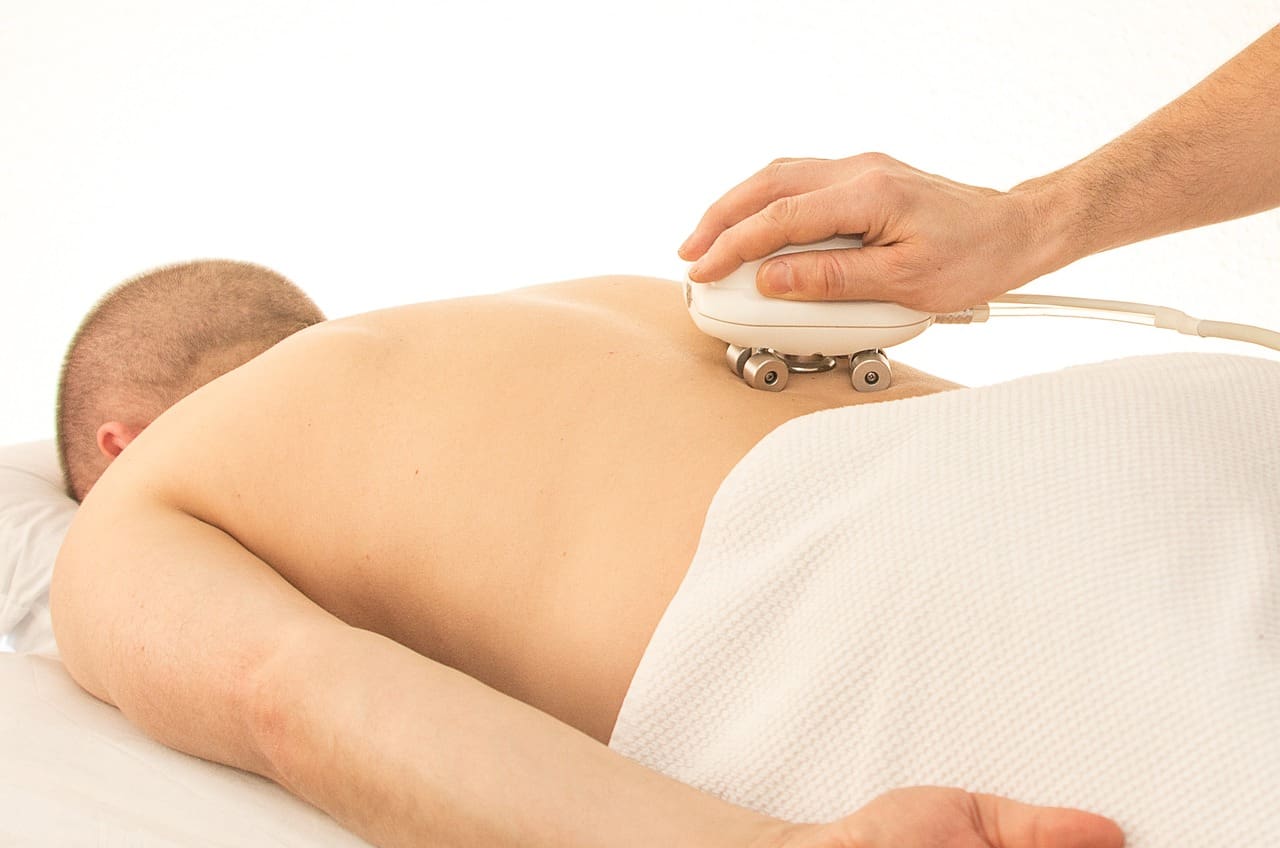
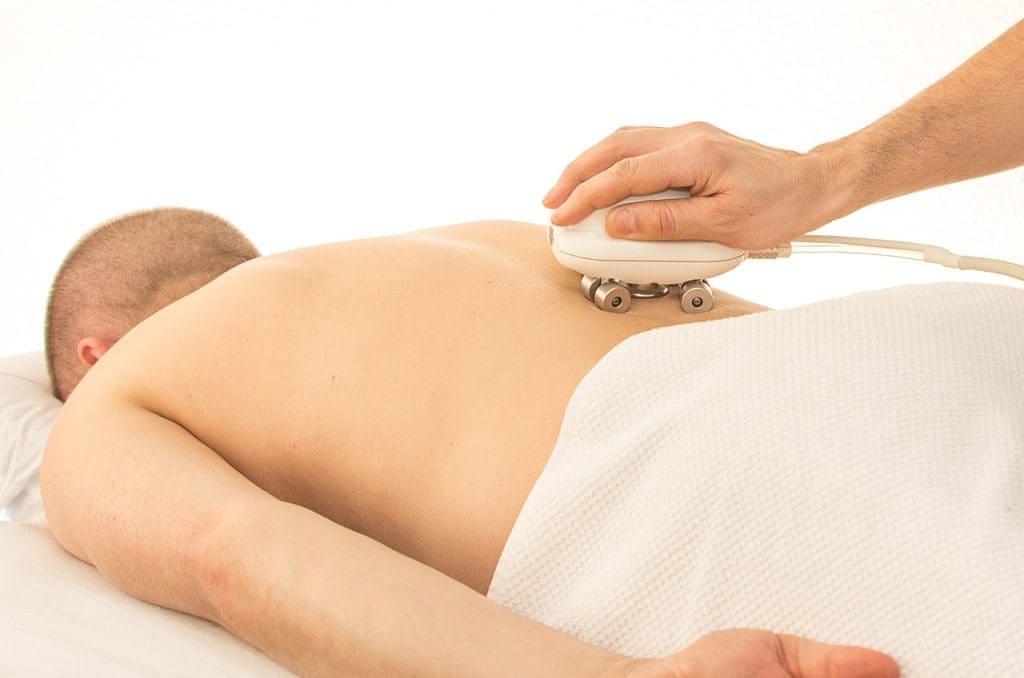
Massage therapy can provide significant relief from arthritis pain and stiffness. There are various types of massage techniques that can be beneficial, including Swedish massage, deep tissue massage, and myofascial release. Each technique focuses on different aspects of promoting relaxation, reducing muscle tension, and improving joint mobility. Discuss with a licensed massage therapist to determine the best massage technique for your specific needs.
Benefits of Massage for Arthritis
Massage therapy offers numerous benefits for individuals with arthritis. It can help reduce pain, improve circulation, alleviate muscle tension, and enhance joint flexibility. Regular massage therapy sessions can provide ongoing relief and contribute to overall well-being. It is important to communicate openly with your massage therapist about your specific arthritis symptoms and any areas of concern.
Self-Massage Techniques
Self-massage techniques can be a valuable tool in managing arthritis pain at home. By applying gentle pressure to the affected joints using your hands or a massage tool, you can help reduce pain and stiffness. Techniques such as effleurage, circular motions, and kneading can be used to promote relaxation and improve joint mobility. Ask your healthcare provider or a licensed massage therapist to guide you on self-massage techniques appropriate for your condition.
Getting Professional Massage
Booking regular sessions with a licensed massage therapist experienced in treating arthritis can provide immense relief and promote overall well-being. Professional massage therapists have the knowledge and expertise to target specific areas of pain, adjust the pressure and intensity of the massage, and provide individualized treatment plans. Always communicate openly with your massage therapist to ensure they are aware of your arthritis symptoms and any specific concerns or limitations.
Stress Management
Identifying Stress Triggers
Stress can exacerbate arthritis symptoms, so it is crucial to identify and address your specific stress triggers. Take some time to reflect on situations, events, or people that consistently cause you stress. Once you have identified these triggers, you can take proactive steps to manage them and reduce their impact on your overall well-being.
Relaxation Exercises
Incorporating relaxation exercises into your daily routine can help manage stress and promote a sense of calm. Deep breathing exercises, progressive muscle relaxation, and guided relaxation techniques can all be effective in reducing stress levels. Find relaxation techniques that resonate with you and make them a regular part of your self-care routine.
Cognitive-Behavioral Therapy
Cognitive-behavioral therapy (CBT) is a therapeutic approach that focuses on changing negative thought patterns and behaviors. This therapy can help individuals with arthritis identify and challenge unhelpful thoughts, develop coping strategies, and improve overall psychological well-being. Consulting with a licensed therapist experienced in treating chronic pain and arthritis can provide valuable support in managing stress and improving quality of life.
Time Management
Effective time management can significantly reduce stress levels and improve overall well-being. Organize your day, prioritize tasks, and ensure you allow enough time for self-care activities and relaxation. By managing your time efficiently, you can minimize stress, avoid unnecessary deadlines, and maintain a healthy work-life balance.
Aromatherapy
Essential Oils for Arthritis
Aromatherapy involves using essential oils extracted from plants to promote physical and emotional well-being. Some essential oils have shown potential in managing arthritis symptoms. Oils such as peppermint, eucalyptus, lavender, and chamomile have been reported to alleviate pain, reduce inflammation, and promote relaxation. However, it is important to use essential oils safely and consult with a certified aromatherapist or healthcare provider to ensure proper usage and potential interactions with medications.
Topical Application
Topical application of essential oils can provide localized relief for arthritis pain and inflammation. Dilute the essential oil in a carrier oil, such as coconut or jojoba oil, and massage it into the affected joints. This can help reduce pain, improve circulation, and promote relaxation. Always follow proper dilution ratios and use a patch test to check for any adverse reactions before applying essential oils topically.
Inhalation
Inhaling essential oils through diffusers or steam inhalation can help calm the mind, reduce stress, and alleviate pain associated with arthritis. Use a diffuser or add a few drops of essential oil to a bowl of hot water and inhale the steam. Be cautious with the amount of oil used and ensure proper ventilation to avoid overwhelming your senses.
Diffusers and Vaporizers
Diffusers and vaporizers are popular devices used to disperse essential oils into the air, creating a relaxing and aromatic environment. There are various types of diffusers available, including ultrasonic diffusers, nebulizing diffusers, and heat diffusers. Experiment with different oils and diffuser types to find what works best for you and your specific arthritis symptoms.
Alternative Medicine
Homeopathy
Homeopathy is a holistic approach to health and well-being that uses highly diluted substances to stimulate the body’s natural healing abilities. Homeopathic remedies for arthritis may be prescribed based on the specific symptoms and individual characteristics of each person. Consult with a qualified homeopathic practitioner for personalized treatment options.
Ayurveda
Ayurveda is an ancient Indian system of medicine that focuses on balancing the mind, body, and spirit to promote overall health and well-being. Ayurvedic treatments for arthritis may include herbal remedies, dietary changes, lifestyle modifications, and various therapeutic techniques like massage or yoga. Consult with an experienced Ayurvedic practitioner to develop a holistic treatment plan tailored to your specific needs.
Naturopathy
Naturopathy is a form of alternative medicine that emphasizes the body’s inherent ability to heal itself. Naturopathic treatments for arthritis often include a combination of herbal remedies, dietary modifications, physical therapies, and lifestyle changes. A qualified naturopathic doctor can provide guidance and support in developing a comprehensive treatment plan specific to your arthritis symptoms.
Chiropractic Care
Chiropractic care focuses on the diagnosis and treatment of musculoskeletal disorders, including symptoms associated with arthritis. Chiropractors use non-invasive techniques like spinal adjustments, joint manipulations, and physical therapy to alleviate pain, improve joint function, and enhance overall well-being. Consult with a licensed chiropractor specializing in arthritis to determine if chiropractic care is a suitable treatment option for you.