
Are you worried about losing your hair? Well, worry no more! This article will provide you with the top 10 tips for preventing hair loss in men. Whether you are starting to see a receding hairline or simply want to take proactive steps to maintain a full head of hair, these tips will guide you in the right direction. From simple changes in your diet and lifestyle to proven hair care routines, you will discover practical and effective ways to prevent hair loss and keep those luscious locks intact. So, let’s dive in and explore these top tips that will help you maintain your confidence and a head full of hair.
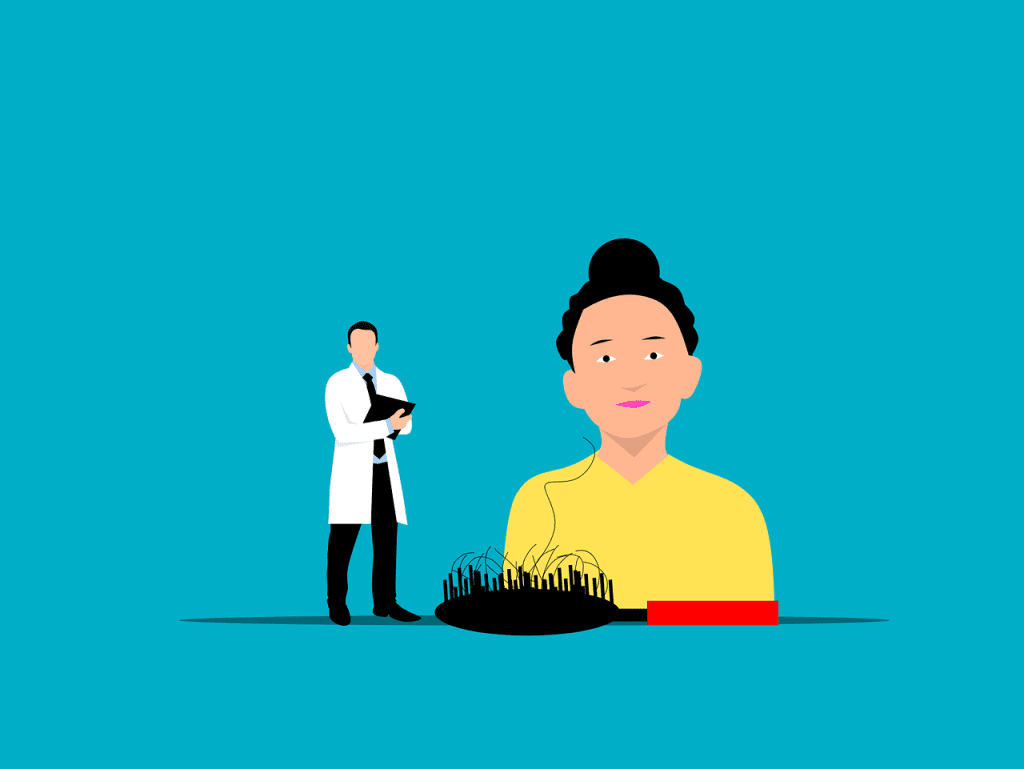
Maintain a Healthy Diet
Eating a balanced diet rich in vitamins and minerals is essential for maintaining healthy hair. Nutrients like vitamin A, E, and C, as well as minerals like zinc and iron, play a crucial role in promoting hair growth and preventing hair loss. Make sure to include foods that are high in protein, such as lean meats, eggs, and nuts, as protein is the building block of hair. Additionally, consuming foods that are rich in omega-3 fatty acids, like fish, walnuts, and flaxseeds, can help nourish the hair follicles and improve hair health. On the other hand, it’s important to avoid excessive intake of processed and sugary foods, as they can contribute to hair loss and weaken the hair strands.
Manage Stress Levels
Stress can have a negative impact on both your overall health and your hair. To prevent hair loss, it’s crucial to manage stress levels effectively. Engaging in stress-reducing techniques like meditation or yoga can help relax both your mind and body, reducing the harmful effects of stress on your hair. Additionally, regular exercise has been proven to be a great way to relieve stress, improve blood circulation, and promote hair growth. Ensuring adequate rest and sleep is also essential for managing stress levels and maintaining healthy hair. Lack of sleep can disrupt the hair growth cycle and lead to increased hair loss. Therefore, make it a priority to prioritize self-care and relaxation in your daily routine.
Avoid Smoking and Excessive Alcohol Consumption
Smoking has been linked to a higher risk of hair loss in men. The chemicals in tobacco can restrict blood flow to the hair follicles, leading to poor hair growth and increased hair loss. Quitting smoking is not only beneficial for your overall health but also crucial for preserving your hair. Excessive alcohol consumption can also contribute to hair loss. Alcohol can dehydrate the body, including the hair follicles, leading to dry and brittle hair. Moreover, heavy drinking can disrupt hormones and liver function, which can further exacerbate hair loss. To protect your hair, it’s important to limit alcohol consumption to moderate levels and consider reducing or quitting smoking altogether.
Regularly Wash and Care for Hair
Proper hair care is essential for maintaining its health and preventing hair loss. Start by using a mild shampoo and conditioner that are suitable for your hair type. Harsh chemicals in certain hair products can strip the hair of its natural oils and cause damage. When washing your hair, make sure to massage the scalp gently to improve blood circulation and stimulate hair growth. Avoid excessive use of heat styling tools like hairdryers, curling irons, and straighteners, as they can weaken the hair shafts and cause breakage. Instead, air-drying your hair whenever possible is a healthier option. Additionally, it’s important to avoid excessive tension on the hair, so try to avoid tight hairstyles that pull tightly on the hair follicles.
Protect Hair from Harsh Environmental Factors
Environmental factors such as sunlight, UV rays, cold weather, and dry heat can take a toll on your hair’s health. To protect your hair from the damaging effects of the sun, shield it by wearing a hat or using hair products with UV protection. The sun’s rays can weaken the hair and cause it to become dry and brittle. Similarly, extreme cold or dry heat can also damage the hair, so it’s important to avoid prolonged exposure to these conditions. By being mindful of these environmental factors and taking the necessary precautions, you can prevent unnecessary hair damage and maintain a healthy head of hair.
Avoid Tight Hairstyles and Hair Treatments
Hairstyles that pull tightly on the hair shafts, such as ponytails, braids, and buns, can cause damage to the hair follicles over time. The constant tension weakens the hair strands and may lead to traction alopecia, a type of hair loss caused by repeated pulling. To prevent this, opt for looser hairstyles that do not put excessive strain on the hair. Similarly, minimize the use of chemical treatments like bleaching, perming, and coloring, as these processes can weaken the hair and make it more prone to breakage. If you do choose to undergo such treatments, make sure to give your hair enough time to recover between sessions and seek professional advice to minimize damage.
Take Care of Scalp Health
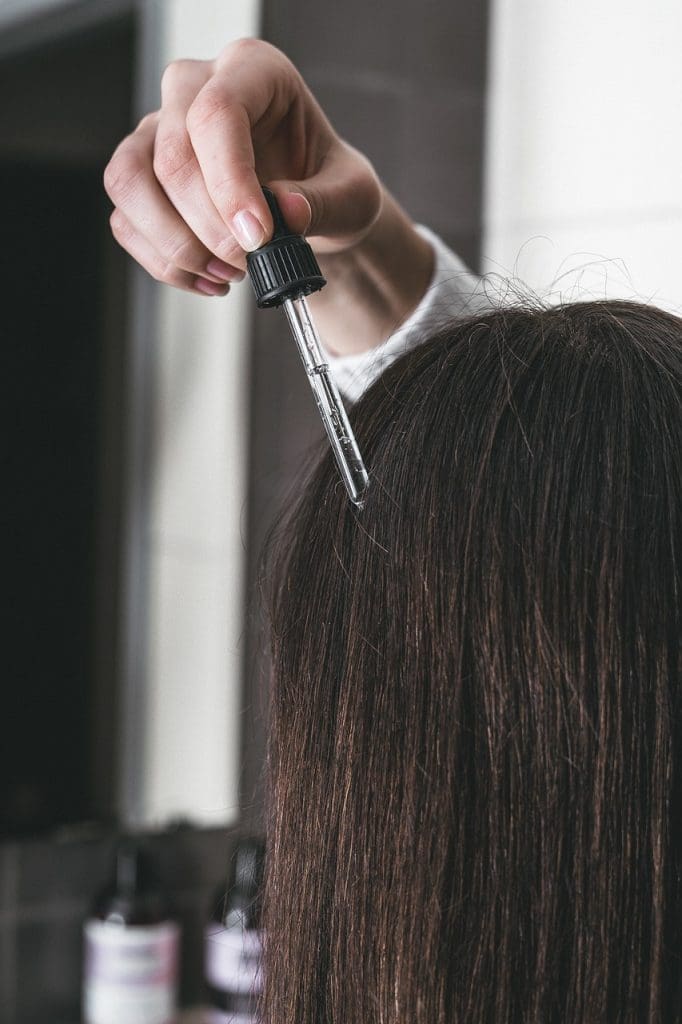
A healthy scalp is crucial for maintaining healthy hair. Keep your scalp clean and free from dandruff or infections by regularly washing it with a gentle shampoo. If you experience persistent dandruff or scalp issues, consider using medicated shampoos or treatments recommended by your dermatologist. Avoid excessive scratching or rubbing of the scalp, as it can cause irritation and damage the hair follicles. Be gentle when drying your hair with a towel to avoid unnecessary friction. By taking care of your scalp, you create an optimal environment for hair growth and minimize the risk of hair loss.
Pay Attention to Medications and Medical Conditions
Certain medications can have side effects that include hair loss. If you are taking any medications, it’s important to consult with your healthcare professional about their potential impacts on your hair health. They may be able to provide alternative options or suggest ways to mitigate the effects on your hair. Additionally, some medical conditions like thyroid disorders or hormonal imbalances can contribute to hair loss. It’s important to manage these conditions effectively through proper medical care and treatment. During regular medical check-ups, discuss any concerns regarding your hair loss with your healthcare provider to ensure a comprehensive approach to your health and well-being.
Avoid Excessive Hair Manipulation
Constantly touching, pulling, or twirling your hair can cause damage and weaken the hair shafts, leading to hair loss. It’s important to be mindful of these habits and avoid them as much as possible. When combing or brushing your hair, always be gentle and patient, especially when your hair is wet, as it is more fragile during this time. Use a wide-toothed comb or a brush specifically designed for wet hair to prevent unnecessary breakage. By minimizing hair manipulation, you can help maintain the strength and integrity of your hair strands.
Consider Natural Remedies and Hair Supplements
In addition to the above tips, there are natural remedies and supplements that may contribute to hair health. Onion juice, for example, has been used traditionally to stimulate hair growth due to its high sulfur content. Aloe vera is another popular natural remedy known for its soothing properties and potential benefits for hair and scalp health. However, before trying any natural remedies or hair supplements, it’s important to consult with a healthcare professional. They can advise you on the appropriateness and potential interactions of these remedies with any existing health conditions or medications you may be taking. Their guidance will ensure that you make informed decisions about your hair care routine.
In conclusion, maintaining a healthy head of hair involves a combination of good nutrition, stress management, proper hair care practices, and protection from environmental factors. By following these tips, you can greatly reduce the risk of hair loss and promote the health and vitality of your hair. Remember, it’s important to be patient, as hair growth takes time and results may vary. If you have concerns about your hair loss or are experiencing a significant amount of hair shedding, it’s always advisable to seek professional advice from a dermatologist or healthcare provider. They can provide personalized recommendations and treatments to address your specific needs and help you achieve the best possible outcome for your hair.