
Welcome to “Coping With Anxiety: Strategies For Daily Management” where you will discover practical tips and techniques to help you navigate the challenges of anxiety in your daily life. From mindfulness exercises to creating a self-care routine and seeking support from others, this article will guide you in finding a balanced approach to managing your anxiety on a day-to-day basis. Learn how to prioritize your well-being and cultivate a sense of calm amidst the chaos of everyday stressors. Let’s empower you to take control and thrive in the face of anxiety.
Coping With Anxiety: Strategies For Daily Management
Have you ever felt overwhelmed, stressed, or constantly worried about everything? If so, you are not alone. Anxiety is a common issue that many people face on a daily basis. The good news is that there are strategies you can implement in your daily life to help cope with anxiety and reduce its impact on your overall well-being. In this article, we will explore some effective techniques and practices that can help you manage your anxiety effectively.

Understanding Anxiety
Before we delve into coping strategies, it’s important to have a basic understanding of what anxiety is. Anxiety is a natural response to stress or danger and is a normal part of life. However, when anxiety becomes excessive and persistent, it can interfere with your daily activities and affect your quality of life.
It’s important to recognize the symptoms of anxiety, which can vary from person to person. Some common signs of anxiety include excessive worrying, restlessness, irritability, difficulty concentrating, and physical symptoms such as rapid heartbeat, sweating, and trembling. If you experience these symptoms frequently, it may be helpful to seek professional help to better manage your anxiety.
Implementing Daily Self-Care Practices
Self-care plays a crucial role in managing anxiety and promoting overall well-being. Incorporating daily self-care practices can help reduce stress, improve mood, and boost your resilience to anxiety triggers. Here are some self-care strategies you can implement in your daily routine:
-
Exercise Regularly: Physical activity has been shown to reduce anxiety and improve mood. Aim to engage in at least 30 minutes of moderate exercise each day, such as walking, jogging, or yoga.
-
Practice Mindfulness: Mindfulness meditation and deep breathing exercises can help calm your mind and body, reducing anxiety symptoms. Take a few minutes each day to focus on your breath and bring awareness to the present moment.
-
Maintain a Healthy Diet: Eating a balanced diet rich in fruits, vegetables, whole grains, and lean proteins can help support your overall health and reduce anxiety. Avoid excessive caffeine, sugar, and processed foods, which can exacerbate anxiety symptoms.
-
Get Adequate Sleep: Lack of sleep can worsen anxiety symptoms and impact your mood. Aim to get 7-9 hours of quality sleep each night to feel refreshed and energized.
-
Limit Alcohol and Caffeine: Alcohol and caffeine can trigger or worsen anxiety symptoms. Limit your intake of these substances to help manage your anxiety effectively.
By incorporating these self-care practices into your daily routine, you can improve your overall well-being and better cope with anxiety.
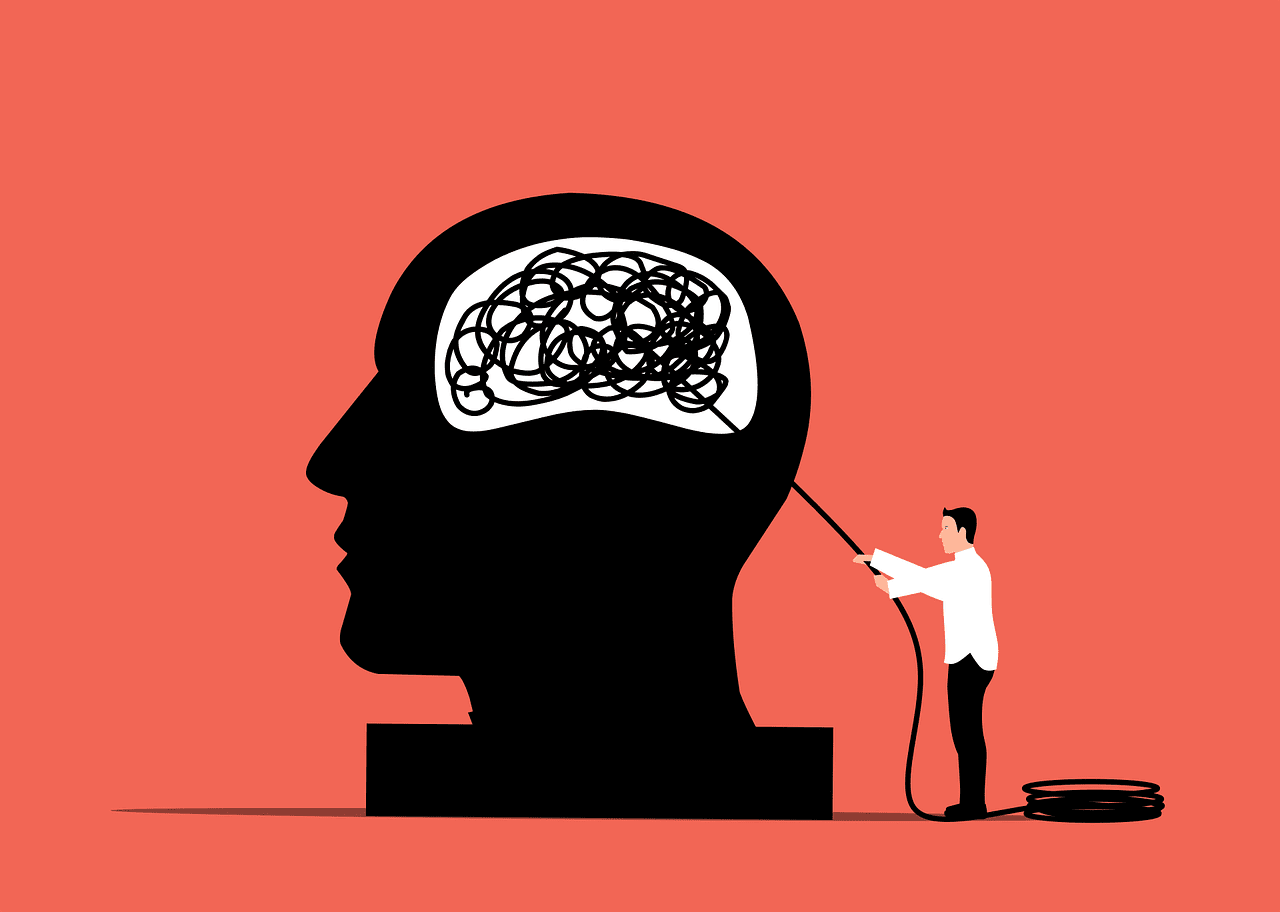
Building a Support System
Having a strong support system can be invaluable in managing anxiety. Surrounding yourself with supportive and understanding individuals can provide comfort, encouragement, and practical help when you need it most. Here are some tips for building a support system:
-
Communicate Your Needs: Be open and honest with your friends and family about your struggles with anxiety. Let them know how they can best support you during difficult times.
-
Join a Support Group: Connecting with others who are experiencing similar challenges can be reassuring and validating. Consider joining a support group for individuals with anxiety to share your experiences and learn from others.
-
Seek Professional Help: A mental health professional, such as a therapist or counselor, can provide guidance, support, and coping strategies to help you manage your anxiety effectively. Don’t hesitate to reach out for professional help if you need it.
-
Practice Effective Communication: Clearly communicate your thoughts, feelings, and needs with your support system. Effective communication can help you feel heard, understood, and supported during times of distress.
By surrounding yourself with a strong support system, you can feel more empowered to cope with anxiety and navigate life’s challenges.
Stress Management Techniques
Effective stress management is key to reducing anxiety and improving your overall well-being. By learning how to cope with stress in healthy ways, you can minimize its impact on your mental and physical health. Here are some stress management techniques you can try:
-
Practice Relaxation Techniques: Engage in activities that promote relaxation and calmness, such as deep breathing, progressive muscle relaxation, or visualization exercises.
-
Set Boundaries: Learn to say no to additional responsibilities or commitments that may overwhelm you. Setting boundaries can help you prioritize your well-being and reduce stress.
-
Time Management: Prioritize tasks, break them down into smaller steps, and create a realistic schedule to manage your time effectively. Avoid procrastination and aim for consistency in your daily routine.
-
Engage in Hobbies: Participating in activities you enjoy, such as painting, gardening, or playing music, can provide a sense of fulfillment and joy, reducing stress and anxiety.
-
Practice Self-Compassion: Be kind to yourself and practice self-compassion. Treat yourself with the same kindness and understanding that you would offer to a friend in need.
By incorporating these stress management techniques into your daily life, you can build resilience to stress and better cope with anxiety triggers.
Cognitive-Behavioral Techniques
Cognitive-behavioral techniques are evidence-based practices that can help you challenge negative thought patterns, beliefs, and behaviors associated with anxiety. By learning to recognize and reframe distorted thinking, you can reduce anxiety symptoms and improve your mental well-being. Here are some cognitive-behavioral techniques you can practice:
-
Cognitive Restructuring: Identify negative thought patterns or cognitive distortions that contribute to your anxiety. Challenge these thoughts with evidence-based reasoning and replace them with more balanced and realistic alternatives.
-
Exposure Therapy: Gradually expose yourself to anxiety-provoking situations or triggers in a controlled and safe environment. Over time, you can desensitize yourself to these triggers and reduce anxiety symptoms.
-
Behavioral Activation: Engage in pleasurable and rewarding activities that you may have avoided due to anxiety. By increasing your participation in positive experiences, you can improve your mood and reduce anxiety.
-
Mindfulness-Based Cognitive Therapy: Combine mindfulness practices with cognitive-behavioral techniques to cultivate awareness, acceptance, and non-judgment of your thoughts and emotions. Mindfulness can help you observe and respond to anxiety triggers in a more adaptive way.
By practicing cognitive-behavioral techniques regularly, you can gain valuable insight into your anxiety triggers and develop effective coping strategies to manage them.
Seeking Professional Help
If you find that your anxiety symptoms are persistent, severe, or interfering with your daily life, it may be beneficial to seek professional help. A mental health professional, such as a therapist, counselor, or psychiatrist, can provide individualized treatment and support to help you manage your anxiety effectively. Here are some reasons to consider seeking professional help:
-
Persistent Anxiety Symptoms: If your anxiety symptoms persist for an extended period and are causing significant distress or impairment in your daily functioning, professional help may be necessary.
-
Difficulty Coping: If you are having difficulty coping with your anxiety despite trying self-help strategies, professional guidance can offer additional support and tools.
-
Co-Occurring Disorders: If you have a co-occurring mental health condition, such as depression, substance abuse, or trauma, professional help can address the complexity of your symptoms and provide comprehensive treatment.
-
Medication Management: If your anxiety symptoms are severe, a psychiatrist may prescribe medication to help alleviate your symptoms. Medication management should be supervised by a qualified healthcare professional.
Remember that seeking professional help is a sign of strength, not weakness. A mental health professional can offer guidance, support, and evidence-based treatments to help you manage your anxiety effectively.
Conclusion
Coping with anxiety can be challenging, but it is possible with the right strategies and support in place. By implementing self-care practices, building a strong support system, managing stress effectively, practicing cognitive-behavioral techniques, and seeking professional help when needed, you can take control of your anxiety and improve your overall well-being.
Remember that managing anxiety is a journey, and it’s important to be patient and compassionate with yourself along the way. By taking small steps each day to prioritize your mental health and well-being, you can learn to cope with anxiety more effectively and lead a fulfilling and balanced life. You are not alone in this journey, and there is hope for a brighter tomorrow. Your mental health matters, and you deserve to feel empowered, resilient, and at peace. Take the first step towards healing and embark on a path of self-discovery and growth. You have the strength and resilience within you to overcome anxiety and thrive. Embrace your journey, reach out for support when needed, and believe in your ability to create a life filled with joy, purpose, and inner peace. You are capable, you are worthy, and you are deserving of a life free from the shackles of anxiety. Start your journey today towards a brighter and more fulfilling tomorrow.