
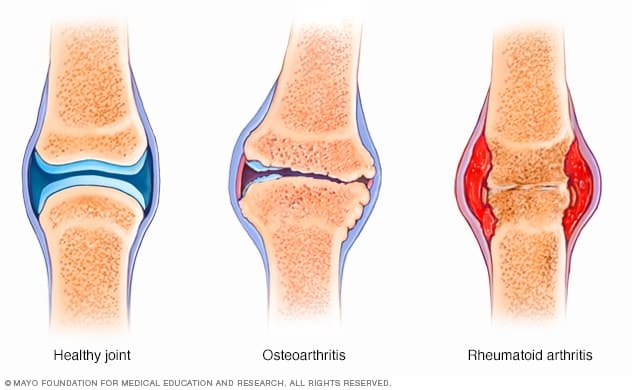
Living with arthritis can be challenging, but there are effective ways to manage pain and improve mobility. In this article, you will discover valuable tips and techniques to help you cope with arthritis, allowing you to lead a more comfortable and fulfilling life. From lifestyle changes to physical therapies, these strategies will empower you to regain control over your body and enjoy a higher quality of life despite the challenges presented by arthritis. So, let’s embark on this journey together and explore the best ways to manage pain and improve mobility for a happier, more active you.
Medication Options
Over-the-counter pain relievers
When it comes to managing arthritis pain, over-the-counter pain relievers can be a helpful option. Nonsteroidal anti-inflammatory drugs (NSAIDs) such as ibuprofen or naproxen sodium can provide temporary relief by reducing inflammation and easing discomfort. These medications are widely available at pharmacies and grocery stores, making them convenient for addressing mild to moderate arthritis symptoms on your own.
Prescription medications
For more severe or chronic arthritis pain, consulting with your healthcare professional about prescription medications is a crucial step. They may prescribe stronger NSAIDs, such as meloxicam or celecoxib, or recommend disease-modifying antirheumatic drugs (DMARDs) like methotrexate or sulfasalazine, which can slow down joint damage in certain types of arthritis. Biologic response modifiers (biologics), which are injectable medications, can also be considered for managing moderate to severe rheumatoid arthritis or other inflammatory types. It’s important to follow your healthcare professional’s guidance and closely monitor any potential side effects associated with these medications.
Topical creams and ointments
Another option for pain relief is the use of topical creams and ointments. These products contain ingredients like capsaicin or menthol, which can provide a numbing or cooling sensation that helps alleviate arthritis discomfort. Applying these creams directly to the affected joints can offer localized relief without the potential side effects of oral medications. It’s advisable to read the instructions carefully and avoid using these creams on broken or irritated skin.
Physical Therapy
Exercises to strengthen muscles
Physical therapy plays a crucial role in managing arthritis pain and improving mobility. Your physical therapist can design a personalized exercise program to strengthen the muscles surrounding your affected joints. Strengthening these muscles can help stabilize the joints, reduce pain, and improve overall function. Exercises may include low-impact activities like swimming or cycling, as well as specific exercises targeting the affected joint areas.
Joint mobilization techniques
Joint mobilization techniques are often utilized by physical therapists to improve range of motion and reduce joint stiffness. These techniques involve gentle movements applied to the affected joints, aimed at increasing flexibility and relieving pain. Your physical therapist can guide you through passive or active joint mobilization exercises to help maintain or restore joint function.
Heat and cold therapy
Heat and cold therapy are non-invasive methods that can provide temporary pain relief for arthritis symptoms. Applying a heating pad or taking a warm shower can help relax muscles and increase blood flow to the affected area, reducing stiffness. Cold therapy, on the other hand, involves using ice packs or cold compresses to numb the area, decrease inflammation, and lessen pain. It’s important to discuss these techniques with your healthcare professional or physical therapist to determine the most suitable approach for your specific condition.
Assistive Devices
Cane or walker
Assistive devices like canes or walkers can significantly improve mobility and reduce the strain on your joints. These devices provide support and help distribute weight, making it easier to walk and preventing falls. Canes are particularly useful when experiencing mild joint pain or instability. Walkers are more beneficial for individuals who require additional stability and support. When selecting a cane or walker, it’s important to ensure that it is the correct height and properly adjusted to suit your individual needs.
Braces or splints
Braces and splints can provide added support to the joints affected by arthritis. They help stabilize the joint and alleviate pain by reducing load and stress. Depending on the type of arthritis and the joints involved, braces or splints may be recommended for the hands, wrists, knees, or ankles. These devices can be prescribed by healthcare professionals or obtained over the counter in some cases. It’s crucial to follow the instructions on how to properly wear and use these devices to maximize their effectiveness.
Shoe inserts or orthotics
Arthritis can affect the feet and lead to foot pain or altered gait. Shoe inserts or orthotics can help provide support, cushioning, and proper alignment, reducing pressure on the joints and improving overall foot function. There are a variety of ready-made shoe inserts available, but for more severe cases or specific foot conditions, custom-made orthotics may be recommended. Consultation with a podiatrist or orthopedic specialist can help determine the best type of insert or orthotic for your individual needs.
Weight Management
Importance of maintaining a healthy weight
Maintaining a healthy weight is crucial for managing arthritis pain and improving mobility. Excess weight places extra stress on your joints, particularly in weight-bearing areas such as the knees, hips, and spine. By shedding extra pounds, you can reduce the strain on your joints and decrease pain. Weight management plays a vital role in managing not only arthritis symptoms but also overall joint health and the potential for disease progression.
Balanced diet and portion control
A balanced diet is an essential part of weight management and overall health. Opt for a variety of nutrient-rich foods, including fruits, vegetables, lean proteins, whole grains, and healthy fats. Incorporating an adequate amount of calcium and vitamin D-rich foods can also support bone health. Additionally, practicing portion control can help regulate calorie intake, preventing excessive weight gain. Consulting with a registered dietitian can provide valuable guidance on developing a personalized and balanced diet plan.
Low-impact exercises
Regular exercise is important for maintaining overall well-being, including joint health. Low-impact exercises, such as walking, swimming, or cycling, can be beneficial for individuals with arthritis. These exercises put less stress on the joints compared to high-impact activities like running or jumping. The rhythmic movements of low-impact exercises can improve joint flexibility, strengthen surrounding muscles, and enhance overall cardiovascular fitness. It’s important to start slowly, gradually increasing intensity and duration, and always listen to your body to avoid overexertion or exacerbating symptoms.
Joint Protection
Avoiding repetitive motions
Repetitive motions can place excessive strain on the joints and lead to increased pain and inflammation. It’s important to identify activities or habits that involve repetitive motions and modify or avoid them whenever possible. For example, if typing for long periods exacerbates wrist pain, taking frequent breaks or using ergonomic keyboard and mouse setups can help alleviate discomfort. Simple changes in daily activities can go a long way in protecting your joints and minimizing arthritis symptoms.
Using ergonomic tools and aids
Using ergonomic tools and aids can help reduce joint strain and improve overall comfort during daily activities. These include ergonomic keyboards, chairs, and desks that promote proper posture and minimize stress on the joints. Adaptive tools such as jar openers, reach extenders, or buttoning aids can assist with tasks that may be challenging due to arthritis symptoms. Consulting with an occupational therapist or ergonomic specialist can provide valuable guidance on selecting and utilizing these tools effectively.
Optimizing workspaces and home environments
Creating an arthritis-friendly environment can significantly improve daily comfort and reduce the risk of joint pain and stiffness. At work, consider adjusting your desk or chair height, using a cushioned seat, or using a standing desk to avoid prolonged sitting. At home, ensure that frequently used items are easily accessible, utilize grab bars or non-slip mats in the bathroom, and install handrails on stairs or ramps for added stability. Making these modifications throughout your workspace and home can help alleviate arthritis-related challenges and promote a safer and more comfortable environment.
Stress Management
Relaxation techniques (e.g., meditation, deep breathing)
Stress can exacerbate arthritis symptoms and increase pain perception. Incorporating relaxation techniques into your daily routine can help manage stress levels and promote overall well-being. Meditation, deep breathing exercises, or mindfulness practices can effectively reduce stress and promote a sense of calm. Allocate dedicated time each day to engage in these techniques, and you may notice a positive impact on your arthritis symptoms and overall quality of life.
Yoga or tai chi
Yoga and tai chi are gentle forms of exercise that combine physical movement, breathing techniques, and mindfulness. These practices can improve flexibility, strength, and balance while promoting mental relaxation. Participating in yoga or tai chi classes specifically designed for individuals with arthritis can provide guidance on modified poses and movements that best suit your needs. It’s important to communicate with the instructor about your condition and any specific concerns or limitations.
Seeking support from friends, family, or support groups
Living with arthritis can be challenging both physically and emotionally. Seeking support from friends, family, or joining arthritis support groups can provide a valuable source of understanding, empathy, and shared experiences. Connecting with others who are going through similar challenges can offer emotional support, helpful tips, and coping strategies. Online forums and social media groups can also serve as platforms for finding and connecting with individuals experiencing similar circumstances.
Sleep Quality
Creating a comfortable sleep environment
Quality sleep is essential for overall health and well-being, especially when managing arthritis symptoms. Creating a comfortable sleep environment can contribute to a better night’s rest. Ensure your bedroom is cool, quiet, and dark, and invest in a comfortable mattress and supportive pillows. Using a mattress topper or pillow specifically designed for individuals with arthritis can provide additional cushioning and reduce pressure points. Experiment with different sleep positions to find the most comfortable and least painful position for your joints.
Establishing a regular sleep schedule
Establishing a regular sleep schedule can help regulate your body’s internal clock and promote a more restful sleep. Go to bed and wake up at consistent times, even on weekends, to set a consistent rhythm. Avoid stimulating activities or electronic devices close to bedtime, and create a relaxing routine before bed, such as reading or practicing relaxation exercises. These habits can signal to your body that it’s time to wind down and prepare for sleep.
Practicing relaxation techniques before bed
Incorporating relaxation techniques into your bedtime routine can help your body and mind relax, improving sleep quality. Engaging in activities such as reading, listening to calming music, or taking a warm bath can promote relaxation and prepare your body for sleep. Practicing relaxation exercises, such as progressive muscle relaxation or guided imagery, can also aid in releasing tension and easing arthritis-related discomfort before bed.
Alternative Therapies
Acupuncture
Acupuncture is a traditional Chinese practice that involves inserting thin needles into specific points on the body. It is believed to help restore the balance of energy flow and promote overall well-being. Some individuals with arthritis have found acupuncture to be beneficial in reducing pain and improving joint function. However, it’s important to consult with a qualified acupuncturist and discuss your condition, medical history, and any concerns before considering acupuncture as a complementary therapy for arthritis management.
Massage therapy
Massage therapy can provide relief for arthritis symptoms by reducing muscle tension, promoting circulation, and reducing pain perception. It can be particularly beneficial for individuals with osteoarthritis or those experiencing muscle stiffness. Massage therapists with experience in working with arthritis can customize their techniques to suit your specific needs and provide effective relief. Remember to inform the massage therapist about your arthritis symptoms and any areas of discomfort or sensitivity.
Herbal supplements
Herbal supplements have been used for centuries in traditional medicine to address various health conditions, including arthritis. Some herbs, such as turmeric, ginger, and boswellia, have anti-inflammatory properties and may help alleviate arthritis pain. However, it’s essential to consult with your healthcare professional before starting any herbal supplements, as they can interact with certain medications or have potential side effects. They can provide guidance on suitable supplements and appropriate dosages based on your individual health profile.
Self-Care Practices
Taking breaks and pacing oneself
Practicing self-care involves recognizing when to take breaks and pacing oneself to avoid overexertion and fatigue. It’s essential to listen to your body’s signals and understand your limitations. Arthritis symptoms can fluctuate, and pushing through pain and fatigue may worsen symptoms and delay recovery. Regular rest breaks, modifying activities, and prioritizing self-care can help conserve energy, prevent joint stress, and promote overall well-being.
Eating a nutritious diet
Maintaining a nutritious diet is a fundamental aspect of self-care and overall health. A well-balanced diet, rich in fruits, vegetables, lean proteins, whole grains, and healthy fats, can support immune function, reduce inflammation, and promote joint health. Omega-3 fatty acids found in fish, flaxseeds, and walnuts have been shown to have anti-inflammatory properties. Incorporating these foods into your daily meals can have a positive impact on your arthritis symptoms and overall well-being.
Practicing good posture
Maintaining good posture is crucial for reducing added stress on your joints, particularly in the neck, back, and hips. Be mindful of your posture, whether sitting, standing, or walking. Keep your spine aligned, shoulders relaxed, and use supportive chairs or cushions if necessary. Avoid slouching or hunching over, as these positions can increase joint strain and contribute to pain or discomfort. Practicing good posture can help prevent further joint degeneration and improve your overall posture and well-being.
Educating Yourself
Learning about arthritis and its management
Education is a powerful tool when it comes to managing arthritis. Understanding the different types of arthritis, their causes, and how they affect the joints can empower you to make informed decisions regarding your treatment and self-care. Stay up to date with reputable sources, such as arthritis foundations, medical journals, and trusted healthcare professionals. Knowledge about your condition can help you actively participate in your own care and communicate effectively with your healthcare team.
Staying up to date with new research and treatment options
The field of arthritis research continually evolves, and new treatment options and breakthroughs emerge over time. Stay informed about the latest research and treatment advancements by following reputable sources and organizations dedicated to arthritis management. New medications, therapies, or interventions may become available, and being knowledgeable about these options can help you have informed conversations with your healthcare professional and explore potential alternatives.
Working closely with healthcare professionals
Collaborating closely with your healthcare professionals is essential for managing arthritis effectively. Regularly consult with your rheumatologist, orthopedic specialist, physical therapist, and any other specialists involved in your care. Be open and honest about your symptoms, limitations, and concerns. Participate actively in developing treatment plans and follow their guidance closely. Effective communication and partnership with your healthcare professionals will help optimize your arthritis management and improve your overall quality of life.
In conclusion, coping with arthritis involves utilizing a range of strategies to manage pain and improve mobility. Medication options, physical therapy, assistive devices, weight management, joint protection, stress management, sleep quality, alternative therapies, self-care practices, and continuous education are essential components of a comprehensive arthritis management plan. By combining these strategies and working closely with your healthcare professionals, you can take control of your arthritis symptoms and enhance your overall well-being. Remember, each individual’s experience with arthritis is unique, so it’s important to tailor these approaches to match your specific condition and needs.