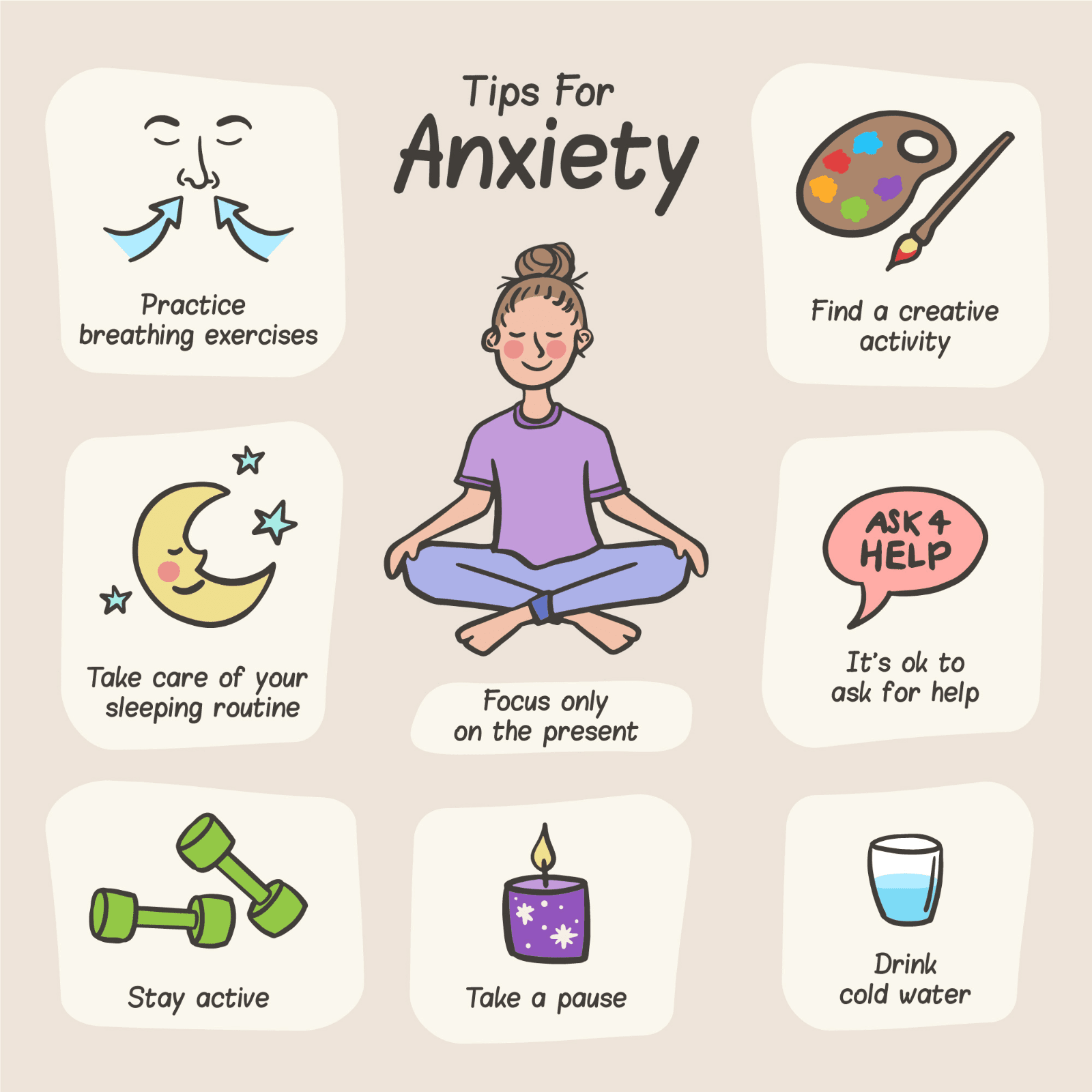
Welcome to an article that will provide you with helpful tips and tricks for coping with chronic anxiety. In this ever-changing world, it’s important to prioritize your mental health and find effective ways to manage constant feelings of worry and stress. By implementing some of the strategies outlined in this article, you can start to regain a sense of control and improve your overall well-being. From relaxation techniques to creating a support system, there are various methods to help you navigate the challenges of living with chronic anxiety. Let’s explore these tips together and discover new ways to cope with the hurdles that come with anxiety. Hey there! Are you feeling overwhelmed with chronic anxiety? If so, you’re definitely not alone. Dealing with ongoing anxiety can be tough, but there are strategies and techniques that can help you cope. In this article, we’ll explore some tips and tricks to manage chronic anxiety and improve your overall well-being. Keep reading to learn more.
Understanding Chronic Anxiety
Chronic anxiety is a long-term condition characterized by excessive worry, fear, and nervousness. It can affect every aspect of your life, from your work to your relationships. Understanding the root cause of your anxiety is the first step in learning how to cope with it effectively. By identifying triggers and patterns, you can develop strategies to manage your anxiety more successfully.
The Role of Stress in Chronic Anxiety
Stress is often a major contributor to chronic anxiety. When you’re constantly under stress, your body releases cortisol, a hormone that triggers the body’s fight-or-flight response. This can lead to heightened anxiety and feelings of unease. By learning how to manage stress effectively, you can reduce the impact it has on your overall well-being.
How Genetics Can Influence Chronic Anxiety
Genetics can also play a role in chronic anxiety. If you have a family history of anxiety disorders, you may be more predisposed to developing chronic anxiety yourself. Understanding your genetic predisposition can help you take proactive steps to manage your anxiety and prevent it from spiraling out of control.
Lifestyle Changes to Manage Chronic Anxiety
Making positive lifestyle changes can significantly improve your ability to cope with chronic anxiety. From prioritizing self-care to establishing healthy habits, there are plenty of strategies you can implement to reduce anxiety and promote overall well-being.
Prioritize Self-Care Activities
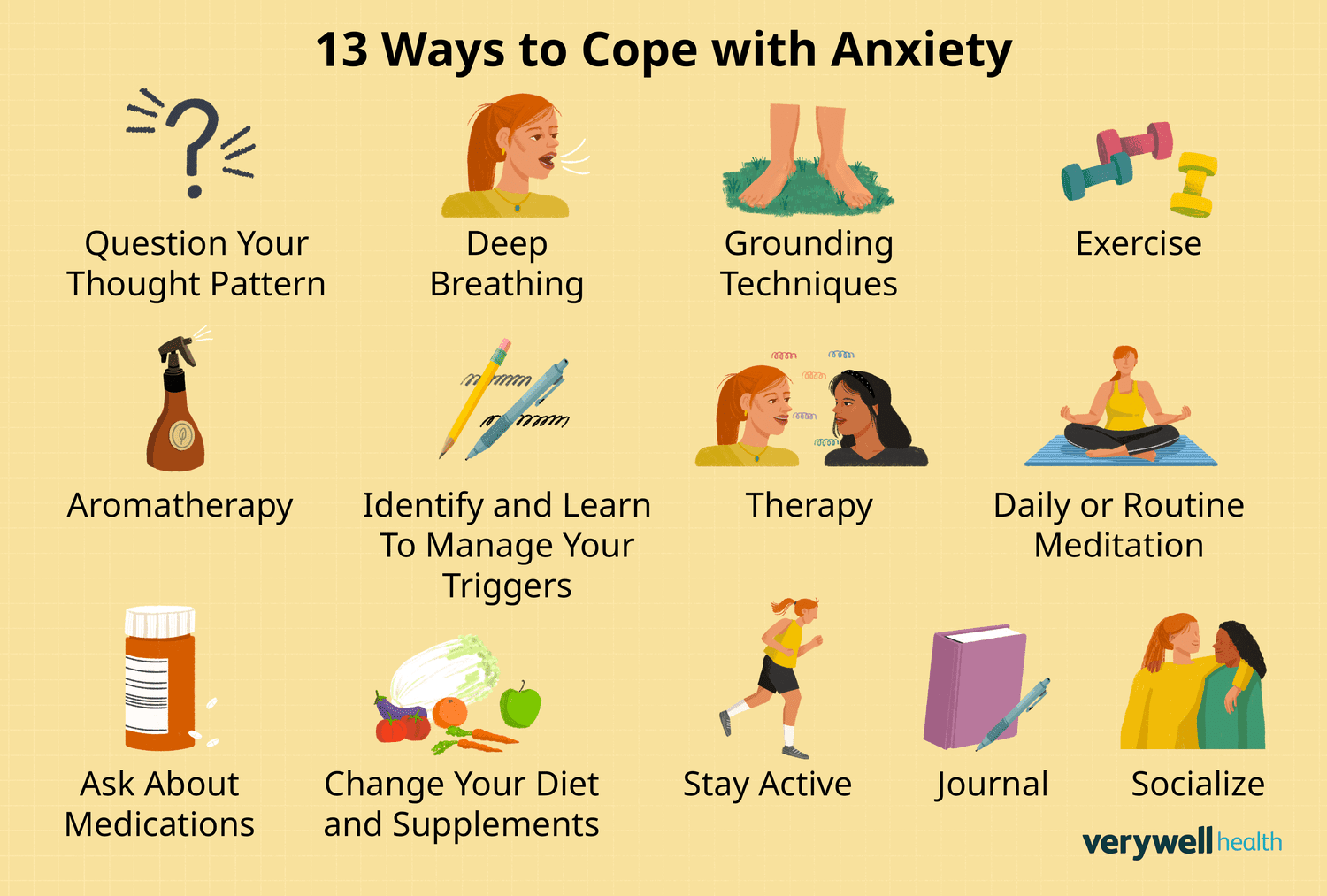
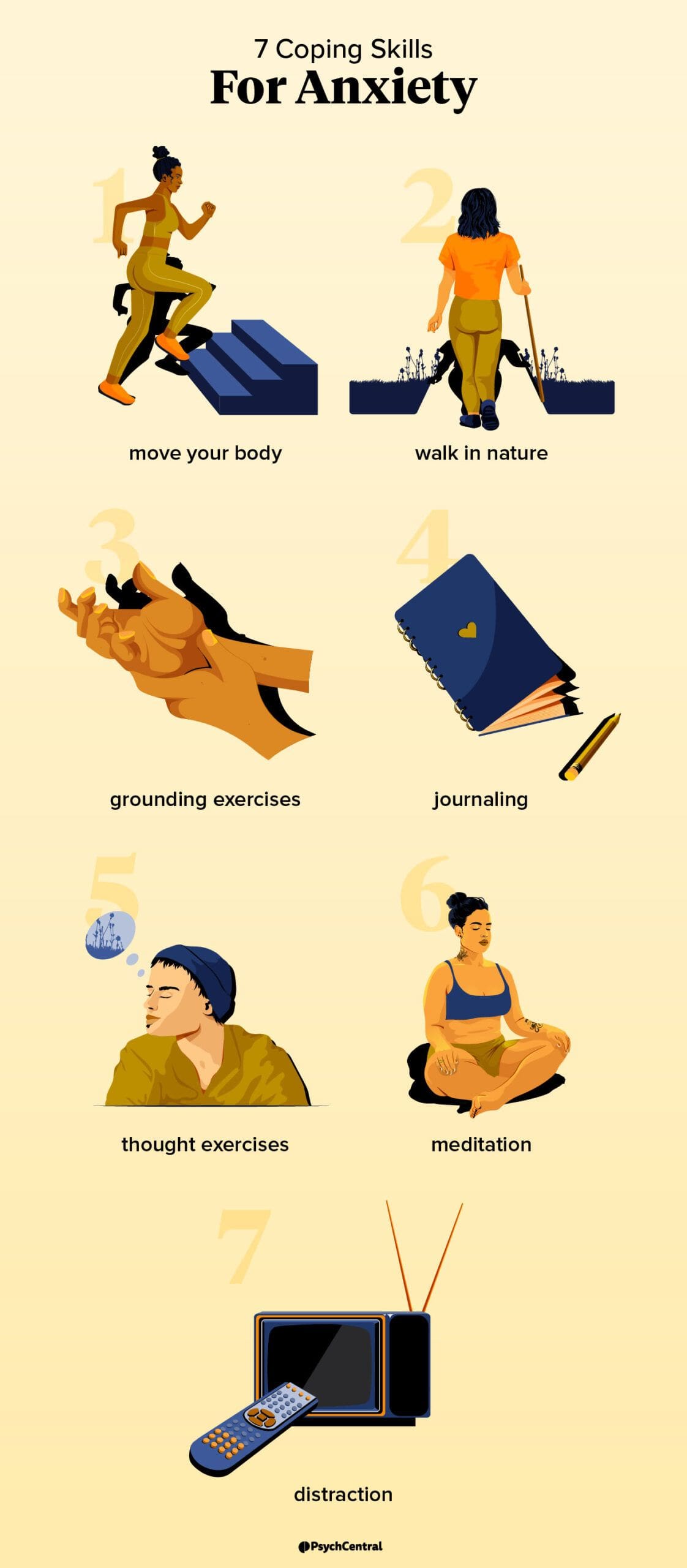
Self-care activities such as exercise, meditation, and deep breathing can help reduce anxiety and promote relaxation. Make time for activities that bring you joy and help you unwind. Whether it’s reading a book, taking a walk in nature, or practicing yoga, finding activities that help you de-stress is essential for managing chronic anxiety.
Establish a Healthy Routine
Creating a daily routine can provide structure and stability, which can be particularly beneficial for individuals with chronic anxiety. Set specific times for meals, exercise, and rest to help regulate your body’s internal clock. By establishing a healthy routine, you can better manage anxiety and feel more in control of your day-to-day life.
Cognitive Behavioral Therapy for Chronic Anxiety
Cognitive-behavioral therapy (CBT) is a highly effective treatment for chronic anxiety. CBT focuses on challenging negative thought patterns and replacing them with more positive and realistic beliefs. By working with a therapist trained in CBT, you can learn strategies to identify and change unhelpful thought patterns that contribute to anxiety.
The Impact of Negative Thought Patterns on Anxiety
Negative thought patterns, such as catastrophizing and all-or-nothing thinking, can significantly contribute to chronic anxiety. By becoming aware of these patterns and learning how to challenge and reframe them, you can reduce anxiety and improve your overall mental well-being. CBT provides practical tools and techniques to help you change negative thought patterns and build resilience.
Developing Coping Strategies Through CBT
CBT can help you develop coping strategies to manage anxiety when it arises. By learning how to recognize early signs of anxiety and implement effective coping mechanisms, you can reduce the intensity and duration of anxious feelings. CBT provides a structured approach to managing chronic anxiety and empowers you to take control of your mental health.
Mindfulness and Meditation Techniques for Chronic Anxiety
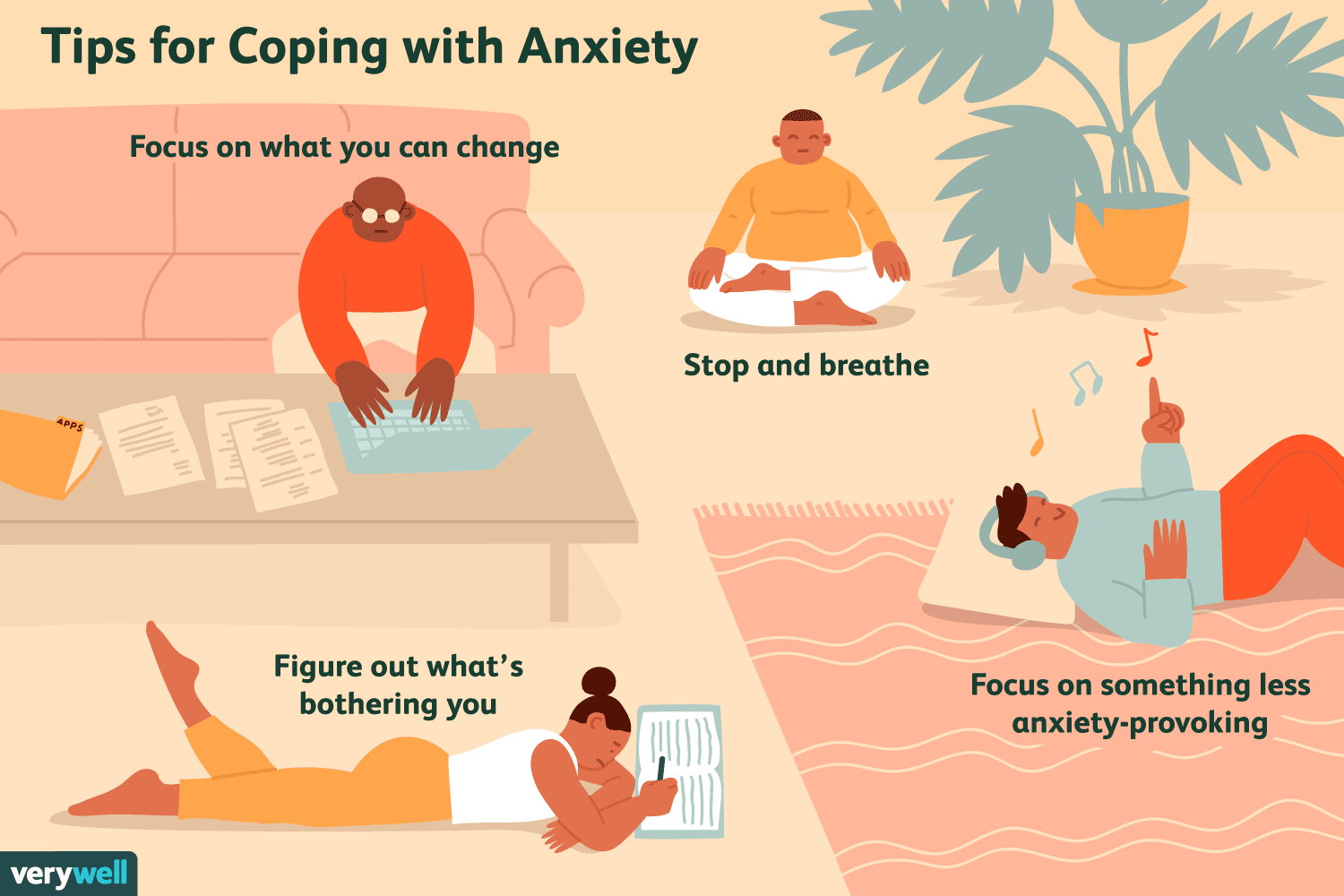
Mindfulness and meditation practices can be powerful tools for managing chronic anxiety. By cultivating present-moment awareness and practicing relaxation techniques, you can reduce stress and anxiety and promote a sense of inner peace and calm.
Benefits of Mindfulness for Anxiety Management
Mindfulness involves paying attention to the present moment without judgment, which can help reduce anxiety and increase self-awareness. By practicing mindfulness regularly, you can become more attuned to your thoughts and feelings, allowing you to respond to them in a more conscious and compassionate way. Mindfulness can also enhance your ability to cope with stress and regulate your emotions.
Incorporating Meditation into Your Daily Routine
Meditation is a practice that involves focusing your attention on the present moment, often by concentrating on your breath or a specific mantra. By incorporating meditation into your daily routine, you can cultivate a sense of calm and relaxation, which can help reduce anxiety and promote overall well-being. Whether it’s a guided meditation or a simple breathing exercise, finding a meditation practice that resonates with you can be incredibly beneficial for managing chronic anxiety.
The Importance of Social Support in Coping with Chronic Anxiety
Building a strong support network is crucial for effectively managing chronic anxiety. Having people in your life who understand and validate your feelings can provide comfort and reassurance during challenging times. By reaching out to friends, family, or a support group, you can cultivate a sense of belonging and connection that can help alleviate feelings of isolation and loneliness.
Connecting with Others Who Share Your Experience
Joining a support group for individuals with chronic anxiety can be incredibly beneficial. By connecting with others who share your experience, you can gain valuable insights, tips, and encouragement for managing anxiety. Support groups create a safe space for sharing your thoughts and feelings, and they can help you feel less alone in your struggles.
Communicating Your Needs and Boundaries
Communicating your needs and boundaries with friends and family members is essential for managing chronic anxiety. Letting others know how they can support you and what triggers to avoid can help strengthen your relationships and reduce feelings of stress and overwhelm. By setting clear boundaries and advocating for your mental health needs, you can create a supportive environment that promotes your well-being.
Conclusion
Dealing with chronic anxiety can be challenging, but it’s important to remember that you’re not alone. By implementing the strategies and techniques outlined in this article, you can effectively manage anxiety and improve your overall quality of life. Whether it’s prioritizing self-care, seeking therapy, or practicing mindfulness, there are plenty of tools at your disposal to help you cope with chronic anxiety. Remember to be patient with yourself, practice self-compassion, and reach out for support when needed. You’ve got this!