Managing chronic conditions can be challenging, especially when symptoms worsen with seasonal changes. The key to coping lies in understanding how these changes affect your body and implementing effective strategies to manage symptoms. In this article, we will explore some helpful tips and techniques to help you navigate through the ups and downs of chronic conditions during different seasons, ensuring a better quality of life and improved overall well-being. So, let’s dive in and discover how you can thrive despite the challenges posed by these conditions and seasonal fluctuations.
Understanding Your Chronic Condition
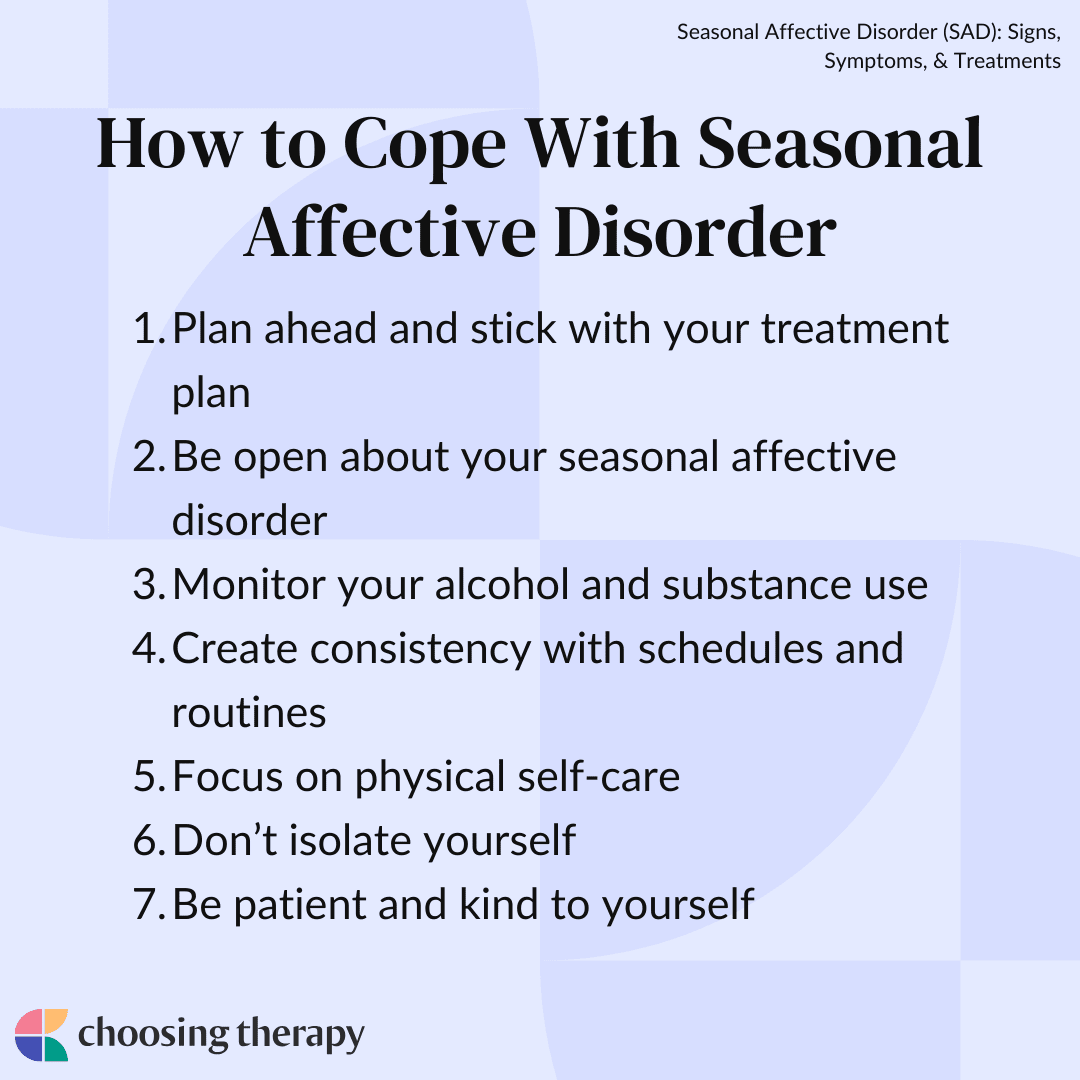
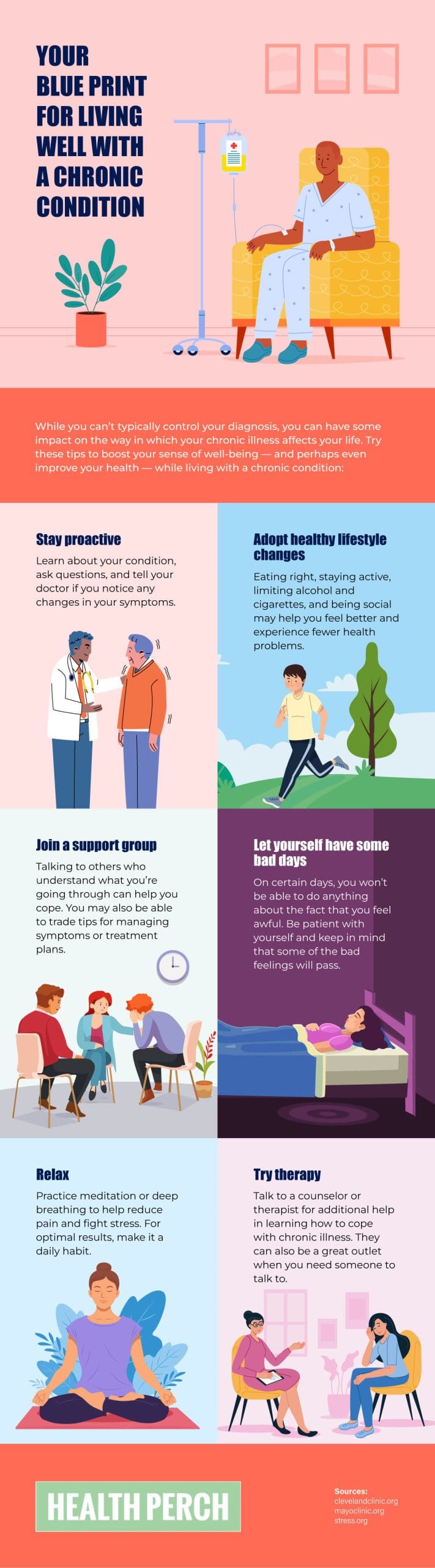
Living with a chronic condition can be challenging, but by understanding your condition, you can take control of your health and manage your symptoms effectively. Educating yourself about your condition is the first step towards improving your well-being. Take the time to research and learn about the causes, symptoms, and treatments associated with your particular condition. By gaining knowledge, you can make informed decisions about your health and communicate effectively with your healthcare provider. Remember, knowledge is power, and the more you know, the better equipped you are to manage your chronic condition.
Consulting your healthcare provider is essential when dealing with a chronic condition. Your healthcare provider is your ally in managing your health and can provide valuable guidance and support. Schedule regular check-ups and appointments to discuss any concerns or changes in your symptoms. Be open and honest about how you are feeling and any challenges you may be facing. Your healthcare provider can offer personalized treatment plans, recommend lifestyle modifications, and suggest resources to help you cope with your chronic condition. Building a strong relationship with your healthcare provider is key to effectively managing your health and ensuring a better quality of life.
Triggers are factors that can worsen symptoms or cause flare-ups in individuals with chronic conditions. It is crucial to identify and learn about the triggers specific to your condition. Triggers can vary widely depending on the condition, but common examples include certain foods, allergens, stress, weather changes, and physical activity. By understanding and recognizing your triggers, you can take steps to avoid or minimize exposure to them. Keep a record of triggers and the corresponding symptoms you experience. This information will help you develop strategies to mitigate the impact of triggers on your health.
Creating a Supportive Environment
Creating a supportive environment can greatly enhance your ability to manage your chronic condition. Your living space should be a sanctuary, promoting relaxation, comfort, and a sense of well-being. Start by decluttering your living space, as a clean and organized environment can reduce stress and improve overall well-being. Consider implementing a storage system to keep your belongings organized and easily accessible. By creating an organized living space, you can reduce the physical and mental stress associated with clutter.
Maintaining a comfortable temperature within your living space is also essential for managing your chronic condition. Extreme heat or cold can exacerbate symptoms and make it more challenging to cope. Invest in a thermostat and monitor the temperature regularly to ensure it remains within a comfortable range. If needed, utilize heating or cooling devices to maintain a comfortable environment. By controlling the temperature in your living space, you can optimize your comfort and reduce potential triggers.
Air filters play a vital role in creating a supportive environment for individuals with chronic conditions. Airborne allergens and pollutants can worsen symptoms, so using air filters can help remove these irritants from the air. Choose an air filter that is suitable for your specific needs and ensure it is regularly maintained and cleaned. By investing in air filters, you can significantly reduce the presence of allergens and pollutants in your living space, enhancing your overall well-being.
Eliminating allergens in your living space is crucial for managing chronic conditions, especially those related to allergies. Identify common allergens that trigger your symptoms and take steps to eliminate or minimize their presence. For example, if pet dander is a trigger, consider establishing pet-free zones or regularly vacuuming and grooming your pets. Dust mites can also be a common allergen, so washing bedding regularly and using protective covers can help reduce exposure. By taking proactive measures to reduce allergens in your environment, you can minimize triggers and manage your symptoms more effectively.
Living with a chronic condition can be stressful, and excessive stress can worsen symptoms. Reducing stress levels is essential for maintaining your overall well-being. Find healthy coping mechanisms that work well for you, such as relaxation techniques, mindfulness exercises, or engaging in hobbies and activities you enjoy. Consider incorporating stress management techniques into your daily routine to help alleviate stress and promote a positive mindset. By actively managing stress, you can improve your ability to cope with your chronic condition and experience a better quality of life.
Developing a Healthy Lifestyle
Maintaining a healthy lifestyle is an essential aspect of managing a chronic condition and minimizing symptoms. Making positive changes to your diet, physical activity, and overall well-being can significantly impact your health and well-being.
Eating a balanced diet is crucial for individuals with chronic conditions. Focus on incorporating a variety of fruits, vegetables, whole grains, lean proteins, and healthy fats into your meals. Avoid processed foods, sugary snacks, and excessive amounts of salt. Consult with a registered dietitian to create a personalized meal plan that meets your specific dietary needs. By nourishing your body with nutritious foods, you can support your immune system, improve energy levels, and better manage your chronic condition.
Staying hydrated is often overlooked but plays a crucial role in maintaining overall health. Dehydration can worsen symptoms and negatively impact your well-being. Make a conscious effort to drink an adequate amount of water throughout the day. Carry a reusable water bottle with you as a reminder to stay hydrated. If plain water is not appealing, try infusing it with fresh fruits or herbs for added flavor. By maintaining proper hydration, you can support your body’s natural functions and promote optimal health.
Engaging in regular physical activity is beneficial for everyone, including individuals with chronic conditions. Exercise can help manage weight, improve cardiovascular health, boost mood, and reduce stress. Consult with your healthcare provider to determine the appropriate level of physical activity for your condition. Start with low-impact exercises such as walking, swimming, or cycling and gradually increase intensity as tolerated. Remember to listen to your body and make modifications as needed. By incorporating regular physical activity into your routine, you can improve your overall fitness and better manage your chronic condition.
Adequate sleep is essential for managing chronic conditions and ensuring optimal well-being. Lack of sleep can worsen symptoms and impair your ability to cope. Establish a consistent sleep schedule by going to bed and waking up at the same time each day. Create a relaxing sleep environment by keeping your bedroom cool, dark, and quiet. Avoid electronic devices before bed, as they can disrupt your sleep patterns. If you struggle with sleep, consider incorporating relaxation techniques, such as deep breathing or meditation, into your nighttime routine. By prioritizing sleep and creating healthy sleep habits, you can improve your overall health and better manage your chronic condition.
Managing weight is particularly important for individuals with chronic conditions such as heart disease, diabetes, or arthritis. Excess weight can put additional stress on the body and worsen symptoms. Take steps to achieve and maintain a healthy weight through a combination of diet and physical activity. Regularly monitor your weight and consult with your healthcare provider to determine a target weight range that is appropriate for your condition. Focus on making sustainable lifestyle changes rather than relying on fad diets or extreme measures. By managing your weight effectively, you can reduce the impact of your chronic condition and improve your overall health.
Tobacco and alcohol can have detrimental effects on overall health and exacerbate symptoms of chronic conditions. It is essential to avoid tobacco products altogether and limit alcohol consumption. Smoking can cause lung damage and worsen respiratory symptoms, while excessive alcohol consumption can put stress on the liver and negatively impact overall health. Seek support if you need assistance in quitting smoking or reducing alcohol intake. By avoiding tobacco and limiting alcohol consumption, you can protect your health and effectively manage your chronic condition.
Monitoring Symptoms and Triggers
To effectively manage your chronic condition, it is essential to monitor your symptoms and identify potential triggers. Keeping a symptom journal can help you track changes and patterns in your symptoms over time. Note down the date, time, severity, and duration of each symptom you experience. Identify any potential triggers that may have contributed to the symptom occurrence. By maintaining a symptom journal, you can identify patterns and better understand how your chronic condition affects you.
In addition to tracking symptoms, it is crucial to be aware of the environmental factors that may impact your condition. Monitor and record any changes in weather, air quality, or exposure to allergens. By tracking these environmental factors, you can determine if there are specific conditions that worsen your symptoms. This knowledge can help you take necessary precautions and make informed decisions about your activities. For example, if you notice that your symptoms worsen on high-pollen days, you can plan indoor activities or take appropriate medication to manage the symptoms.
Seasonal triggers can significantly affect individuals with chronic conditions. Paying attention to seasonal changes and their impact on your symptoms is crucial for effective management. Identify the seasons or specific weather conditions that trigger your symptoms. For example, individuals with asthma may experience more frequent symptoms during the spring when pollen levels are high. By recognizing these seasonal triggers, you can take proactive measures to minimize exposure and manage your symptoms effectively. Plan activities accordingly and adjust your medication regimen if necessary.
Early warning signs are subtle changes in your body that may indicate an impending symptom flare-up. It is important to recognize these signs and take action before symptoms become severe. Identify the specific symptoms or sensations you experience before a flare-up occurs. This could include increased fatigue, changes in appetite, or mild pain. By being aware of these early warning signs, you can take preventive measures such as rest, stress reduction techniques, or adjusting medications to mitigate the impact of a flare-up. Monitoring your body and recognizing early warning signs empowers you to take control of your condition more effectively.
Adapting to Seasonal Changes
Seasonal changes can present unique challenges for individuals with chronic conditions. By preparing for these transitions, you can better manage your symptoms and maintain your well-being.
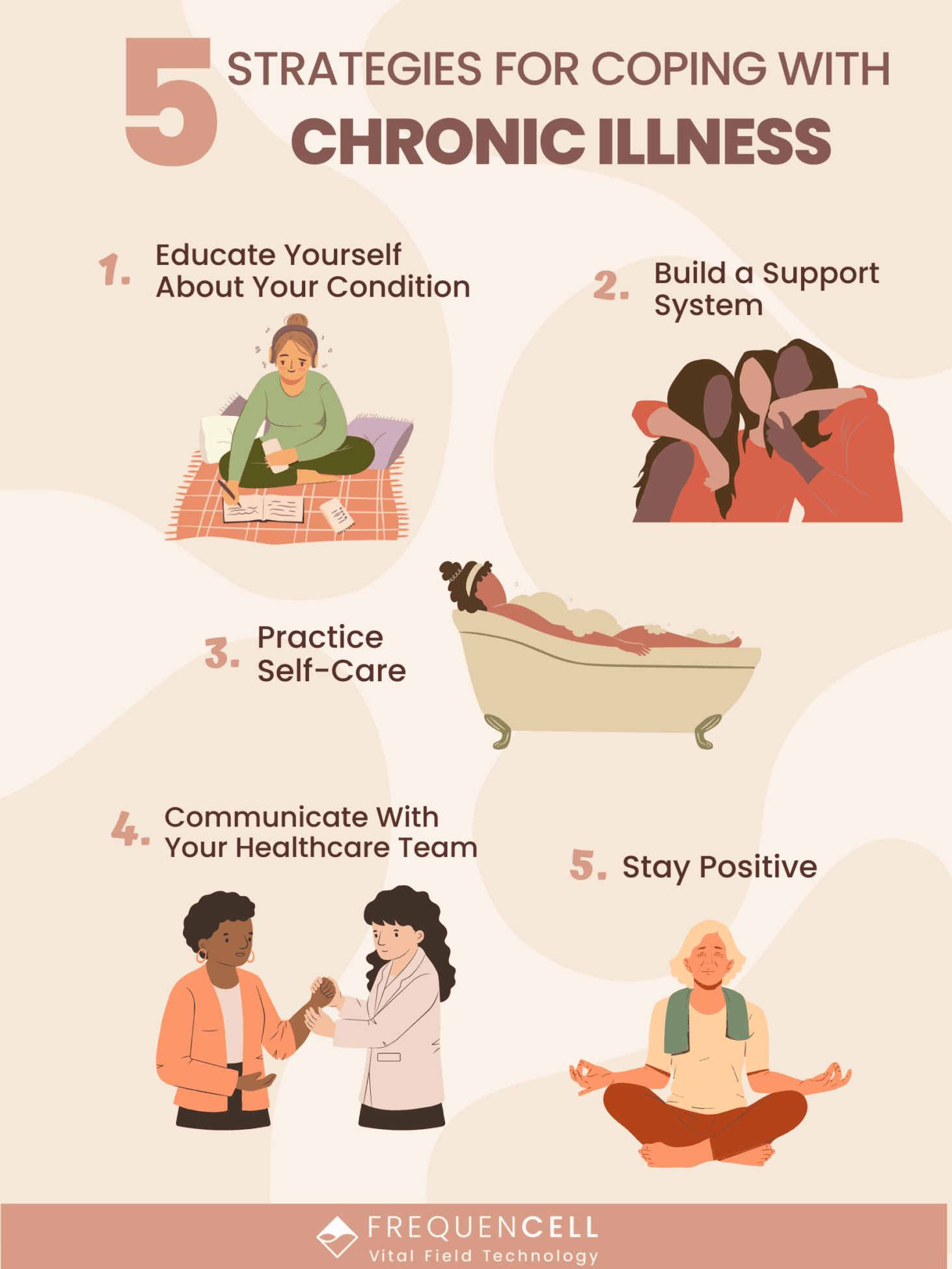
Preparing for seasonal transitions involves being proactive and making necessary adjustments in your routine. Anticipate changes in weather, allergens, and daylight hours as each season approaches. Consult your healthcare provider for guidance on how to adjust your medication regimen as the seasons change. Take additional precautions if necessary, such as wearing appropriate clothing or protective gear for extreme weather conditions. By preparing in advance, you can minimize the impact of seasonal changes on your chronic condition and reduce the likelihood of symptoms flaring up.
Weather forecast services can help you stay informed about upcoming weather conditions and plan your activities accordingly. Keep track of daily weather forecasts, paying attention to temperature, humidity, pollen count, or air quality index. By staying informed about these factors, you can make informed decisions about your outdoor activities and take any necessary precautions. For example, if a heatwave is forecasted, you can plan to stay indoors and avoid excessive heat exposure. Utilize available weather forecast services, such as smartphone apps or online platforms, to access real-time information and make informed choices.
Creating an action plan is essential for managing your chronic condition during seasonal changes. Work with your healthcare provider to develop a personalized plan that outlines specific steps to take during different seasons or weather conditions. The action plan should include information on medication adjustments, symptom management strategies, and emergency procedures. Make sure to share the action plan with your loved ones and keep a copy in an easily accessible location. By having an action plan in place, you can respond quickly and effectively to seasonal changes, minimizing the impact on your health.
As seasonal changes can affect the frequency and intensity of symptoms, it may be necessary to adjust your medication regimen. Consult your healthcare provider to discuss any necessary changes to your medications, such as dosage adjustments or additional prescriptions for seasonal symptoms. Follow your healthcare provider’s recommendations and keep them updated on any changes or concerns you may have regarding your medication regimen. By adapting your medication regimen to seasonal changes, you can better manage your chronic condition and ensure optimal symptom control.
Managing Seasonal Allergies
Seasonal allergies can exacerbate symptoms for individuals with chronic conditions such as asthma or allergies. Taking measures to manage seasonal allergies can greatly improve your quality of life and reduce symptom severity.
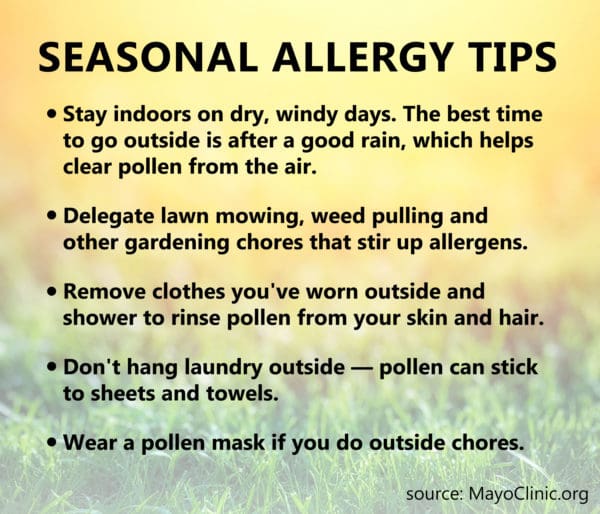
Identifying allergens specific to your seasonal allergies is crucial for effective management. Common allergens include pollen from trees, grass, and weeds, as well as mold spores. Pay attention to the specific allergens that trigger your symptoms and research ways to minimize exposure. Stay informed about local pollen counts and adjust your activities accordingly. For example, on days with high pollen counts, consider staying indoors or wearing a mask when outdoors. By identifying allergens and taking proactive steps to reduce exposure, you can minimize the impact of seasonal allergies on your chronic condition.
Reducing exposure to allergens is key in managing seasonal allergies. Implement strategies to minimize contact with allergens in your living environment. For example, keep windows closed during high pollen periods and use air conditioning to help filter the air. Regularly clean your home to remove dust, pet dander, and other allergens. Wash bedding frequently in hot water to eliminate dust mites and use allergy-proof covers on pillows and mattresses. By reducing your exposure to allergens indoors, you can create a more allergy-friendly environment and minimize symptoms.
Over-the-counter antihistamines are commonly used to manage allergy symptoms such as sneezing, itching, and a runny nose. They work by blocking the release of histamines, which are chemicals involved in allergic reactions. Consider using over-the-counter antihistamines as directed by your healthcare provider to manage your seasonal allergy symptoms. Remember to read labels carefully and consult with your healthcare provider if you have any questions or concerns. Using antihistamines can provide relief from allergy symptoms and allow you to better manage your chronic condition during seasonal changes.
In some cases, prescribed allergy medications may be required for more severe or persistent seasonal allergy symptoms. Consult with your healthcare provider if over-the-counter antihistamines are not providing sufficient relief. There are various prescription medications available, such as nasal corticosteroids or immunotherapy, which can help alleviate symptoms and improve overall allergy management. Work closely with your healthcare provider to determine the most appropriate treatment options for your seasonal allergies. By considering prescribed allergy medications, you can effectively manage your symptoms and minimize the impact on your chronic condition.

Seeking Emotional Support
Living with a chronic condition can take a toll on your emotional well-being. Seeking emotional support is crucial for maintaining a positive mindset and coping with the challenges associated with your condition.
Joining support groups can provide valuable emotional support and help you connect with others who share similar experiences. These groups allow you to discuss your concerns, share coping strategies, and receive encouragement from individuals who understand what you are going through. Research local support groups or online communities that focus on your specific chronic condition. By joining support groups, you can gain a sense of belonging and have a safe space to express your feelings and concerns.
Talking to loved ones about your chronic condition can help alleviate the emotional burden and build a support network. Share your experiences, concerns, and needs with your family and friends, and let them know how they can support you. Open communication leads to understanding and enables your loved ones to provide the support you require. Remember, you are not alone, and your loved ones are there to support you on your journey.
Seeking professional help is important when dealing with the emotional impact of a chronic condition. Mental health professionals, such as therapists or counselors, can provide guidance and support tailored to your specific needs. They can help you develop coping mechanisms, manage stress, and address any anxiety or depression associated with your chronic condition. If you feel overwhelmed or find it difficult to cope, reach out to a mental health professional who can provide the necessary support.
Taking Precautions During Extreme Weather
Extreme weather conditions can significantly impact individuals with chronic conditions. Taking precautions during heatwaves, cold weather, or other extreme weather events is crucial for maintaining your health and safety.
Preparing for heatwaves involves taking steps to stay cool and hydrated. Stay indoors during the hottest hours of the day and avoid strenuous activities. Keep your living space cool by utilizing fans or air conditioning. Dress in lightweight and breathable clothing. Drink plenty of water throughout the day to stay hydrated and avoid excessive heat exposure. If necessary, seek shelter in public places with air conditioning, such as shopping malls or libraries. By taking these precautions, you can minimize the risk of heat-related illnesses and manage your chronic condition effectively during heatwaves.
Protecting yourself in cold weather is important, especially if you have a respiratory or cardiovascular condition. Dress warmly in layers to maintain body temperature. Use heating devices or dress in warm clothing indoors, ensuring proper insulation and ventilation. Minimize exposure to cold temperatures, wind, and precipitation. Check weather conditions regularly and plan outdoor activities accordingly. By protecting yourself from extreme cold, you can prevent adverse effects on your chronic condition and stay safe.
Ensuring proper ventilation within your living space is essential for individuals with chronic respiratory conditions. Good ventilation helps maintain a healthy indoor environment by reducing the concentration of indoor pollutants, such as allergens, mold spores, and volatile organic compounds. Keep windows open when weather conditions allow for fresh air circulation. Use exhaust fans in bathrooms and kitchens to remove excess humidity and improve air quality. By ensuring proper ventilation, you can reduce the risk of triggering respiratory symptoms and promote a healthier living environment.
Staying informed about weather alerts is crucial for individuals with chronic conditions, especially during extreme weather events. Sign up for weather alert services that provide notifications for severe weather conditions. Stay tuned to local news channels or radio stations for updates and emergency information. Know the appropriate actions to take in case of severe weather, such as evacuation plans or emergency contacts. By staying informed, you can take necessary precautions and protect your health and well-being during extreme weather events.
Using Technology and Apps for Management
Technology and mobile apps can be valuable tools for managing your chronic condition and enhancing your overall well-being. Explore the numerous apps and technologies available to track symptoms, monitor weather conditions, set medication reminders, and access telehealth services.
Tracking symptoms using mobile apps allows you to monitor patterns and fluctuations in your condition over time. Many apps are available specifically designed for symptom tracking, allowing you to record symptoms, medication usage, and triggers. Some apps even generate detailed reports that you can share with your healthcare provider. By using symptom-tracking apps, you can gain insights into your condition, identify triggers, and make informed decisions about your health.
Monitoring weather conditions is essential for individuals with chronic conditions affected by weather changes. Various weather apps provide real-time information on temperature, humidity, air quality, pollen count, and weather forecasts. By utilizing these apps, you can plan your activities based on weather conditions, prepare for potential triggers, and make informed decisions to manage your chronic condition effectively.
Setting medication reminders using mobile apps can help ensure you take your medications as prescribed. Many apps offer features to schedule and remind you of medication doses. By utilizing these reminders, you can maintain an appropriate medication regimen and minimize the risk of missing doses. Some apps even allow you to track the medications you have taken, providing a comprehensive overview of your medication history. Talk to your healthcare provider about recommended medication reminder apps that align with your specific needs.
Accessing telehealth services provides a convenient and efficient way to consult with healthcare professionals without leaving your home. Telehealth services allow for remote consultations through video calls or phone calls. This option is particularly beneficial for individuals with limited mobility or those who live in remote areas. Consult with your healthcare provider to determine if telehealth services are available for your chronic condition. By utilizing telehealth services when appropriate, you can receive the necessary healthcare support without the need for in-person visits.
Creating a Daily Routine
Establishing a daily routine can provide structure and stability while managing your chronic condition. Incorporate activities that promote relaxation, physical activity, and self-care into your daily schedule.
Establishing regular sleep patterns is crucial for managing your chronic condition. Make sleep a priority by going to bed and waking up at the same time each day, even on weekends. Create a bedtime routine that includes relaxing activities such as reading or taking a warm bath. Avoid stimulating activities or electronic devices before bed, as they can interfere with your ability to fall asleep. By establishing consistent sleep patterns, you can optimize your sleep quality and improve your overall well-being.
Scheduling medication intake is important for maintaining an appropriate medication regimen and managing your chronic condition effectively. Set reminders or alarms to ensure you take your medications at the prescribed times. Incorporate your medication schedule into your daily routine by aligning it with regular meal times or other activities. By adhering to a consistent medication schedule, you can maintain appropriate medication levels in your body and minimize the risk of missed doses.
Allocating time for relaxation is key for managing stress and promoting overall well-being. Incorporate activities into your daily routine that help you relax and unwind. This could include reading a book, practicing mindfulness or meditation, taking a walk in nature, or engaging in hobbies you enjoy. By setting aside dedicated time for relaxation, you can reduce stress levels and improve your ability to cope with your chronic condition.
Incorporating physical activity into your daily routine is essential for managing your chronic condition and maintaining overall health. Choose activities that you enjoy and that align with your physical abilities. This could include walking, swimming, cycling, or yoga. Aim for at least 30 minutes of moderate-intensity exercise most days of the week, as recommended by healthcare professionals. By making physical activity a regular part of your routine, you can improve cardiovascular health, strengthen muscles, reduce stress, and better manage your chronic condition.
In conclusion, understanding your chronic condition is the first step towards effectively managing your symptoms. By educating yourself about your condition, consulting your healthcare provider, and learning about triggers specific to your condition, you can take control of your health and well-being.
Creating a supportive environment is crucial in managing your chronic condition. Clear your living space, maintain a comfortable temperature, use air filters, eliminate allergens, and reduce stress to create an environment that promotes relaxation and optimal well-being.
Developing a healthy lifestyle involves eating a balanced diet, staying hydrated, engaging in regular physical activity, getting adequate sleep, managing weight, and avoiding tobacco and alcohol. These lifestyle changes can significantly impact your overall health and well-being.
Monitoring symptoms and triggers, adapting to seasonal changes, managing seasonal allergies, seeking emotional support, taking precautions during extreme weather, using technology and apps, and creating a daily routine are all important aspects of effectively managing your chronic condition and improving your quality of life.
Remember, managing a chronic condition is a journey, and it is essential to be kind and patient with yourself. By implementing these tips and strategies, you can enhance your ability to cope with your chronic condition and lead a fulfilling life. Always consult with your healthcare provider for personalized advice and guidance specific to your condition. With the right support, knowledge, and self-care, you can thrive while living with a chronic condition.