
If you’re looking to make some positive changes to your diet, incorporating healthy fats should be on your radar. Contrary to popular belief, not all fats are created equal, and some can actually be beneficial for your overall health. In this article, we will explore various ways you can easily incorporate healthy fats into your daily meals, making your diet both delicious and nutritious. So, grab your apron and get ready to embark on a culinary adventure that will leave you feeling satisfied and energized.
Understanding Healthy Fats
Differentiate between healthy and unhealthy fats
Healthy fats and unhealthy fats play different roles in our bodies and have varying effects on our health. It is important to understand the differences and make informed choices when it comes to incorporating fats into our diet. Healthy fats, such as monounsaturated fats and polyunsaturated fats, are beneficial for the body and support overall health. On the other hand, unhealthy fats, like saturated fats and trans fats, can contribute to various health issues when consumed in excess. By understanding the distinctions between healthy and unhealthy fats, you can make choices that promote your well-being.
Benefits of healthy fats in the diet
Incorporating healthy fats into your diet offers numerous benefits for your overall health. Healthy fats provide essential fatty acids that our bodies need to function properly. These fatty acids help support brain function, improve heart health, and reduce the risk of chronic diseases such as heart disease and diabetes. Healthy fats also play a role in nutrient absorption, allowing our bodies to better utilize vitamins and minerals from the foods we eat. Additionally, they can contribute to weight management by promoting feelings of fullness and reducing cravings. By including healthy fats in your diet, you can enjoy these benefits and support your overall well-being.
Recommended daily intake of healthy fats
While healthy fats are beneficial, it’s important to consume them in moderation as part of a balanced diet. The recommended daily intake of fats varies depending on individual factors such as age, sex, and activity level. However, a general guideline is to aim for 20-35% of your daily caloric intake to come from fats, with the majority being healthy fats. This translates to roughly 44-78 grams of fat per day for a 2,000-calorie diet. It’s important to spread your fat intake throughout the day and choose a variety of healthy fat sources to ensure you’re meeting your body’s needs. Working with a registered dietitian can help you determine the ideal amount of healthy fats for your specific dietary goals and needs.
Choosing the Right Sources of Healthy Fats
Monounsaturated fats
Monounsaturated fats are a type of healthy fat found in various foods. They have been associated with numerous health benefits, including improved heart health and reduced inflammation. Some examples of foods rich in monounsaturated fats include avocados, olive oil, and nuts such as almonds and cashews. Incorporating these foods into your diet can be as simple as using olive oil as a salad dressing, topping your morning toast with avocado slices, or enjoying a handful of almonds as a snack. Including monounsaturated fats in your diet can contribute to a well-rounded and heart-healthy eating plan.
Polyunsaturated fats
Polyunsaturated fats are another type of healthy fat that is essential for our health. They are most known for their high content of essential fatty acids, such as omega-6 and omega-3 fatty acids. These fatty acids have been linked to reduced inflammation, improved brain function, and lower risk of heart disease. Sources of polyunsaturated fats include fatty fish like salmon and trout, flaxseeds, chia seeds, and soybean oil. Incorporating these foods into your diet can be as simple as adding flaxseeds to your yogurt, using soybean oil in cooking, or enjoying a grilled salmon fillet for dinner. Including polyunsaturated fats in your diet can help promote overall health and well-being.
Omega-3 fatty acids
Omega-3 fatty acids are a specific type of polyunsaturated fat that provides additional health benefits. They have been shown to support heart health, reduce inflammation, and promote brain function. Fatty fish like salmon, mackerel, and sardines are excellent sources of omega-3 fatty acids. If you don’t consume fish, other sources include walnuts, chia seeds, and flaxseeds. Including omega-3 fatty acids in your diet can be as simple as enjoying a grilled salmon salad for lunch or sprinkling chia seeds on your oatmeal. By incorporating omega-3 fatty acids into your diet, you can support your overall health and well-being.
Foods rich in healthy fats
In addition to the specific types of healthy fats mentioned, there are numerous other foods that are rich in healthy fats and can be easily incorporated into your diet. These include nuts, seeds, avocados, and oils such as olive oil and coconut oil. Nuts and seeds, such as almonds, walnuts, flaxseeds, and chia seeds, can be sprinkled onto salads, added to smoothies, or enjoyed as a standalone snack. Avocados can be sliced and added to sandwiches, mashed and spread onto toast, or blended into smoothies for a creamy texture. Oils, like olive oil and coconut oil, can be used for cooking, salad dressings, and marinades. By diversifying your intake of healthy fats through these foods, you can enjoy a wide range of flavors and health benefits.
Incorporating Healthy Fats in Everyday Cooking
Cooking with oils rich in healthy fats
Using oils rich in healthy fats is a simple and effective way to incorporate them into your everyday cooking. Olive oil, for example, is a versatile oil that can be used for sautéing vegetables, grilling meats, or creating homemade salad dressings. Avocado oil is another healthy oil that has a high smoke point, making it suitable for stir-frying or roasting. Coconut oil, with its unique flavor, is a great choice for baking or adding a tropical twist to your dishes. By replacing unhealthy oils with these healthy alternatives, you can enhance the nutritional value of your meals and promote your well-being.
Using avocados in meals
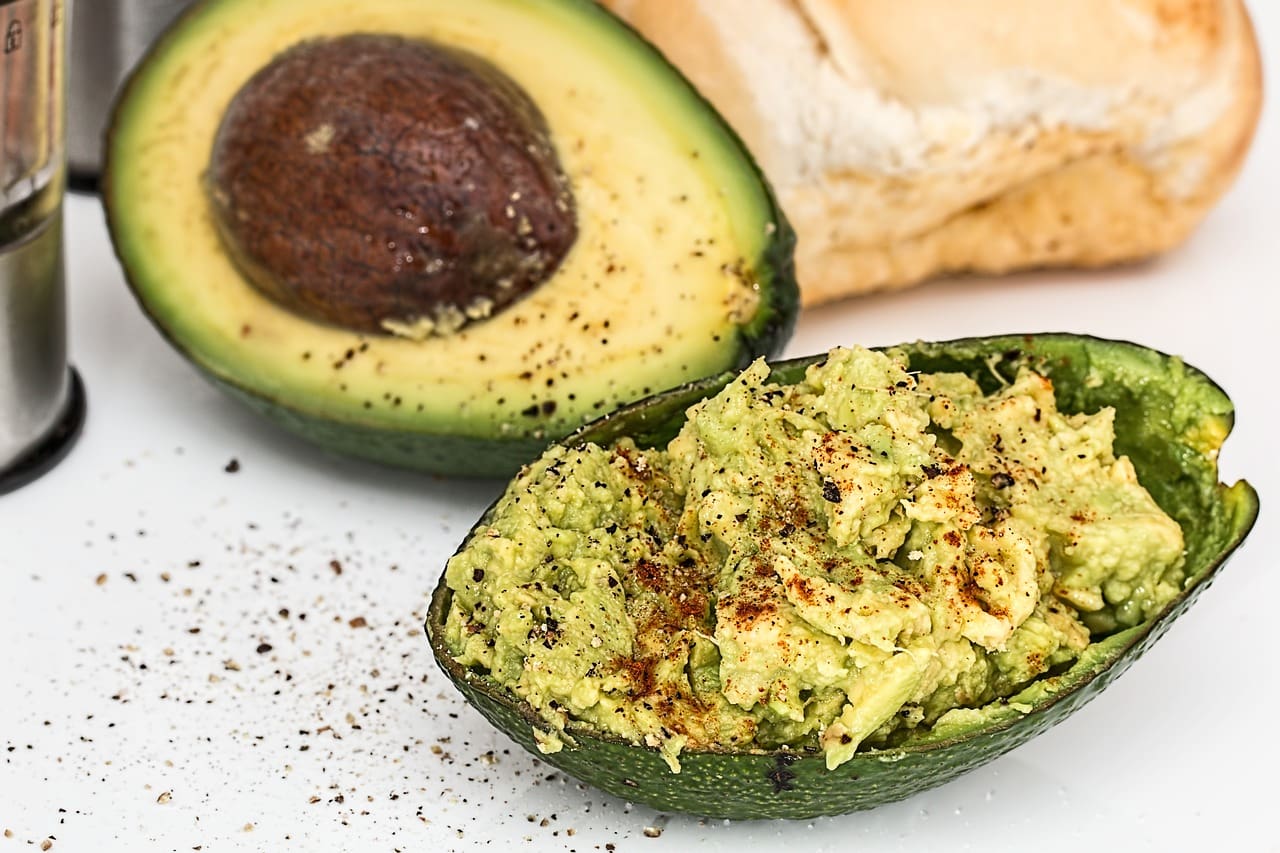
Avocados are not only a delicious addition to meals but also a great source of healthy fats. Their creamy texture and mild flavor make them versatile in various dishes. You can add sliced avocados to salads, sandwiches, or wraps for a nutrient boost. Mash avocados and spread them onto whole-grain toast or use them as a healthy swap for mayonnaise in recipes. Additionally, you can blend avocados into smoothies or use them as a base for sauces and dressings. With their abundance of healthy fats, avocados are an excellent choice for incorporating healthy fats into your meals.
Adding nuts and seeds to recipes
Nuts and seeds are not only convenient snacks but also versatile ingredients that can be used in a variety of recipes. They add a delightful crunch, texture, and a dose of healthy fats. You can sprinkle chopped almonds or walnuts over salads or oatmeal, add them to homemade granola, or use them as a coating for baked chicken or fish. Flaxseeds and chia seeds can be added to smoothies, yogurt, or used as an egg substitute in baking recipes. By incorporating nuts and seeds into your recipes, you can easily increase your intake of healthy fats and enjoy their numerous health benefits.
Including fatty fish in your diet
Fatty fish, such as salmon, mackerel, and sardines, are not only delicious but also excellent sources of healthy fats, specifically omega-3 fatty acids. These fats have been shown to have numerous health benefits, including promoting heart health and reducing inflammation. Including fatty fish in your diet can be as simple as grilling a salmon fillet for dinner, enjoying a tuna salad for lunch, or adding sardines to your pasta sauce. Aim to include fatty fish in your meals at least twice a week to reap the benefits of its healthy fats and support your overall well-being.
Creating Balanced Meals with Healthy Fats
Designing a well-rounded meal plan
Creating a well-rounded meal plan involves considering various food groups and their nutritional content, including healthy fats. When designing your meals, aim to include a balance of carbohydrates, protein, and healthy fats. Incorporating fruits, vegetables, whole grains, lean proteins, and sources of healthy fats into your meals can help ensure you’re getting a wide range of nutrients. Experiment with different combinations and try to include at least one source of healthy fat in each meal. By designing a well-rounded meal plan, you can achieve a balanced and nutritious diet.
Using healthy fats as a part of every meal
To ensure you’re getting enough healthy fats, consider incorporating them as a part of every meal. For breakfast, you can add a spoonful of almond butter to your oatmeal or spread avocado on whole-grain toast. For lunch, include a source of healthy fat in your salad, such as tossing it with olive oil or adding some sliced almonds. When planning dinner, choose a protein source like salmon and cook it with a drizzle of olive oil or use avocado as a topping. By consciously including healthy fats in each meal, you can maintain a well-rounded and nutritious diet.
Including healthy fats in snacks
Snacks can provide an opportunity to include healthy fats in your diet between meals. Opt for nutrient-dense snacks that contain healthy fats, such as a handful of almonds, a small container of Greek yogurt topped with chia seeds, or veggie sticks dipped in hummus made with olive oil. These snacks not only satisfy your hunger but also provide a sustained source of energy and important nutrients. By including healthy fats in your snacks, you can support your overall health and keep hunger at bay throughout the day.

Making Healthy Fat Substitutions
Substituting unhealthy fats for healthy fats
A simple way to incorporate healthy fats into your diet is by substituting unhealthy fats with healthier alternatives. For example, instead of using butter or margarine on your toast, opt for a spread of almond butter or avocado. When cooking, replace oils high in saturated fats, such as coconut oil or palm oil, with olive oil or avocado oil. Swapping out fatty cuts of meat with leaner options like poultry or fish can also reduce your intake of unhealthy fats. By making these substitutions, you can improve the nutritional content of your meals and make healthier choices.
Reducing saturated and trans fats
Saturated and trans fats are considered unhealthy fats because they raise cholesterol levels and increase the risk of heart disease. It’s important to reduce the consumption of these fats in your diet. To reduce saturated fats, choose lean cuts of meat, remove visible fat from poultry, and opt for lower-fat dairy products. When it comes to trans fats, which are commonly found in processed and fried foods, it’s best to avoid them altogether. Be mindful of food labels and ingredients lists to identify products that contain trans fats. By reducing your intake of saturated and trans fats, you can support your heart health and overall well-being.
Avoiding processed and fried foods
Processed and fried foods are often high in unhealthy fats, including saturated and trans fats. These foods can contribute to weight gain, increase the risk of chronic diseases, and negatively impact your overall health. To avoid excessive unhealthy fat consumption, aim to incorporate whole, unprocessed foods into your diet. Choose fresh fruits and vegetables, whole grains, lean proteins, and healthy fat sources like nuts, seeds, and avocados. When cooking, opt for methods such as baking, grilling, or steaming instead of frying. By prioritizing whole foods and minimizing your consumption of processed and fried foods, you can improve the quality of your diet and support your overall health.
Reading Food Labels for Healthy Fats
Identifying healthy fat content on food labels
Reading food labels can help you identify the healthy fat content in various food products. Look for information on total fat, saturated fat, and trans fat on the nutrition facts panel. Healthy fats, such as monounsaturated fats and polyunsaturated fats, are generally preferred over unhealthy fats like saturated and trans fats. Compare different options and choose products with lower levels of saturated and trans fats. It’s important to note that some food products may list healthy fats, such as omega-3 fatty acids, separately on the label. By carefully reading food labels, you can make informed choices and select products that align with your health goals.
Understanding different types of fat on labels
Food labels provide information about the different types of fat present in the product. Understanding these terms can help you make healthier choices. Monounsaturated fats, polyunsaturated fats, and omega-3 fatty acids are generally considered healthy fats and offer various health benefits. Saturated fats should be limited, as they can contribute to heart disease. Trans fats should be avoided altogether, as they are known to raise bad cholesterol levels and increase the risk of heart disease. By familiarizing yourself with these terms, you can decipher food labels more effectively and make choices that support your health.
Avoiding hidden unhealthy fats
Hidden unhealthy fats can often go unnoticed, so it’s important to be mindful of ingredients and food preparation methods. Some packaged foods may contain hidden trans fats, even if the label claims to be trans fat-free. This is because food regulations allow a small amount of trans fats to be present without being listed on the label. To be sure, check the ingredients list for partially hydrogenated oils, as these are a source of trans fats. Additionally, be cautious of processed foods, baked goods, and snack foods, which can be high in unhealthy fats. By being aware of these hidden fats, you can make choices that align with your health goals and avoid unnecessary intake of unhealthy fats.

Managing Portion Sizes
Finding the right balance of healthy fats
While healthy fats are beneficial, it’s essential to manage portion sizes to maintain a balanced diet. While they offer numerous health benefits, fats are calorie-dense and can contribute to weight gain if consumed in excess. To find the right balance, measure out appropriate portions of healthy fats using tools like measuring spoons or a food scale. For example, aim for one tablespoon of oil or two tablespoons of nut butter per serving. By being mindful of portion sizes, you can enjoy the benefits of healthy fats without overconsumption.
Recommended portion sizes for different foods
Different foods have different serving sizes and portion recommendations when it comes to healthy fats. For oils, a serving size is typically one tablespoon. Nuts and seeds usually have a serving size of one ounce, or about a handful. Avocados are often considered one serving when consumed as half of a medium-sized fruit. Fatty fish, like salmon, usually has a serving size of three to four ounces. By familiarizing yourself with recommended portion sizes for different foods, you can ensure you’re consuming healthy fats in appropriate amounts and maintaining a balanced diet.
Avoiding overconsumption
While healthy fats are an important part of a balanced diet, it’s crucial to avoid overconsumption. As mentioned earlier, fats are calorie-dense, and excessive intake can contribute to weight gain and other health issues. Monitor your total daily caloric intake and be mindful of the amount of fat you consume in a day. By following the recommended daily intake guidelines and managing portion sizes, you can enjoy the benefits of healthy fats without overloading your diet.
Considering Dietary Restrictions
Incorporating healthy fats in vegan or vegetarian diets
If you follow a vegan or vegetarian diet, it is still possible to incorporate healthy fats into your eating plan. There are several plant-based sources of healthy fats that can be included in vegan or vegetarian meals. Avocados, nuts, seeds, and plant-based oils like olive oil and coconut oil are all suitable options. Use avocado as a replacement for dairy-based spreads or mayonnaise, sprinkle nuts and seeds on salads or in stir-fries, and use plant-based oils for cooking and dressing. By choosing suitable alternatives, you can ensure that you’re getting the necessary healthy fats in your vegan or vegetarian diet.
Adjusting for allergies or intolerances
If you have allergies or intolerances to certain foods, it’s important to find suitable alternatives that still provide the necessary healthy fats. For example, if you are allergic to tree nuts, consider using other sources of healthy fats like seeds, seed butters, or coconut oil. If you are intolerant to dairy, opt for plant-based oils instead of butter or margarine. By working with a registered dietitian or nutritionist, you can determine suitable alternatives based on your specific allergies or intolerances and ensure that you’re still incorporating healthy fats into your diet.
Finding suitable alternatives
Finding suitable alternatives for healthy fats is key when adhering to dietary restrictions. There are various options available depending on your specific needs. For example, if you are lactose intolerant or follow a dairy-free diet, you can consider using coconut milk or nut-based milk alternatives in your recipes. If you are allergic to fish or follow a plant-based diet, you can obtain omega-3 fatty acids from other sources such as algae-based supplements or flaxseed oil. By exploring suitable alternatives and consulting with a registered dietitian, you can continue to meet your dietary restrictions while incorporating the necessary healthy fats into your diet.
Seeking Professional Advice
Consulting with a registered dietitian
Seeking advice from a registered dietitian is highly recommended when incorporating healthy fats into your diet. A registered dietitian is a qualified professional who can provide personalized guidance based on your individual dietary needs, health goals, and any underlying medical conditions. They can assess your current diet, provide appropriate recommendations, and help you create a personalized plan. A registered dietitian can also support you in making informed decisions, interpreting food labels, and identifying suitable alternatives for your specific dietary needs. By working with a registered dietitian, you can receive professional guidance and ensure that you’re incorporating healthy fats in a way that supports your overall well-being.
Understanding individual dietary needs
Individual dietary needs can vary based on factors such as age, sex, activity level, and underlying health conditions. It’s important to consider these factors when incorporating healthy fats into your diet. For example, if you have specific health concerns like high cholesterol or diabetes, a registered dietitian can help tailor your healthy fat intake to address these conditions. They can also adjust your intake based on personal goals, such as weight loss or athletic performance. By understanding your individual dietary needs, you can make informed choices and tailor your intake of healthy fats to support your specific health goals.
Creating a personalized plan
Creating a personalized plan is key to successfully incorporating healthy fats into your diet. While general recommendations exist, every individual is unique and may have different requirements and preferences. A registered dietitian can work with you to create a personalized plan that suits your needs, lifestyle, and taste preferences. They can help design a meal plan that incorporates the right amounts and types of healthy fats into your diet while considering other dietary aspects. Creating a personalized plan provides structure and guidance, making it easier to consistently include healthy fats in your meals and maintain a healthy lifestyle.
Maintaining Long-Term Habits
Consistency in healthy fat consumption
Consistency is key in maintaining the benefits of healthy fats in your diet. Rather than viewing healthy fats as a short-term fix, strive for a long-term approach that incorporates them consistently into your eating habits. Make it a habit to include healthy fats in your meals and snacks every day. Incorporate a variety of healthy fat sources to diversify your nutrient intake and keep your meals interesting. By consistently including healthy fats in your diet, you can optimize your health and well-being on an ongoing basis.
Adapting your diet over time
As your nutritional needs change over time, it’s important to adapt your diet accordingly. Factors such as age, activity level, and underlying health conditions can influence the amount and types of healthy fats you need. Regularly assess and adjust your diet to meet your changing needs. This may involve consulting with a registered dietitian to ensure you’re getting the right balance of nutrients. By adapting your diet over time, you can continue to incorporate healthy fats in a way that supports your evolving health and lifestyle.
Building a sustainable lifestyle
Incorporating healthy fats into your diet is not just about short-term changes, but rather about building a sustainable lifestyle. Focus on creating healthy habits that you can maintain in the long run. Make small changes to your eating habits that are manageable and enjoyable. Experiment with different recipes, flavors, and cooking methods to keep things interesting. Prioritize whole foods and mindful eating. By building a sustainable lifestyle around healthy fat consumption, you can support your overall health and well-being for years to come.
Incorporating healthy fats into your diet is a beneficial choice for your health and well-being. By understanding the distinctions between healthy and unhealthy fats, choosing the right sources, and incorporating them into your everyday cooking and meals, you can create a balanced and nutritious diet. It’s important to manage portion sizes, consider any dietary restrictions, and seek professional advice as needed. By maintaining long-term habits and building a sustainable lifestyle, you can enjoy the benefits of healthy fats and support your overall health in the best possible way.