In this article, we’ll explore the topic of coping with grief and loss from a women’s mental health perspective. Dealing with the loss of a loved one or experiencing any kind of grief can be incredibly challenging, and it often takes a toll on our mental well-being. However, by understanding the unique perspective of women in these situations, we can gain insights into their coping mechanisms, challenges they may face, and strategies they employ to navigate through their grief and ultimately find healing. So, whether you’re seeking guidance for yourself or seeking to support a woman in your life who is going through a difficult time, this article aims to provide you with valuable insights and practical advice to better comprehend the impact of grief on women’s mental health.
Understanding Grief and Loss
What is grief?
Grief is a natural response to the loss of someone or something that is deeply valued. It is a complex and multifaceted emotion that encompasses a range of feelings such as sadness, anger, guilt, and confusion. When we experience grief, it is a reflection of the deep emotional connection we had with the person or thing we have lost.
Differentiating between grief and mourning
Although grief and mourning are often used interchangeably, they have distinct meanings. Grief is the internal experience of loss, while mourning is the external expression of that grief. Mourning involves the rituals, customs, and behaviors associated with grief, such as funeral ceremonies and commemorative events.
Typical reactions to loss
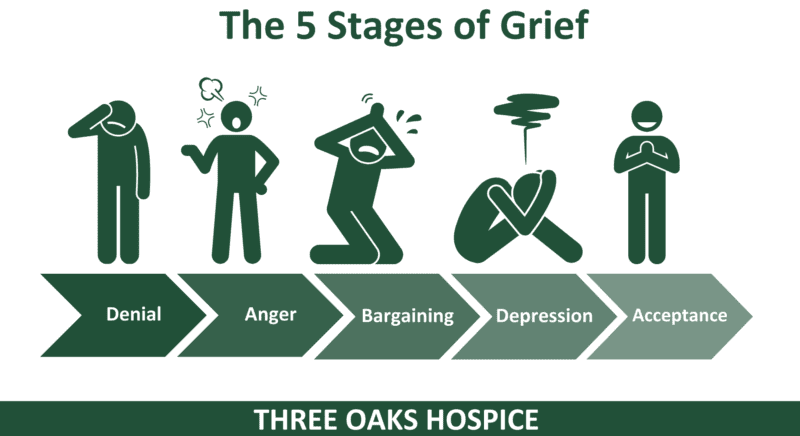
When faced with loss, individuals may go through a series of reactions that are unique to their own grieving process. It is important to recognize that there is no ‘right’ or ‘wrong’ way to grieve. Some common reactions to loss include sadness, anger, disbelief, guilt, and a sense of emptiness. It is also common to experience physical symptoms such as loss of appetite, sleep disturbances, and fatigue.
Gender Differences in Coping with Grief and Loss
Societal expectations and gender roles
Societal expectations and gender roles can significantly influence the ways in which men and women cope with grief and loss. Traditional gender norms often emphasize the idea that men should be strong, stoic, and unemotional, while women are expected to be nurturing, emotional caretakers. These expectations can make it challenging for individuals to express their grief authentically, as they may feel pressured to conform to these stereotypes.
Expression of emotions
Women often have more opportunities and societal permission to express their emotions openly, which can be advantageous when coping with grief and loss. They may feel more comfortable seeking support, talking about their feelings, and engaging in emotional expression. Men, on the other hand, may face societal pressure to suppress their emotions, leading to difficulties in adequately processing and expressing their grief.
Social support and coping mechanisms
Women tend to place a high value on social connections and are more likely to seek out support when dealing with grief and loss. They often find solace in talking with friends, family, or participating in support groups. Men, on the other hand, may rely on problem-solving and practical approaches as coping mechanisms. It is crucial to recognize and respect these gender differences in coping styles and provide appropriate support for individuals regardless of their gender.
The Impact of Grief and Loss on Women’s Mental Health
Increased vulnerability to depression and anxiety
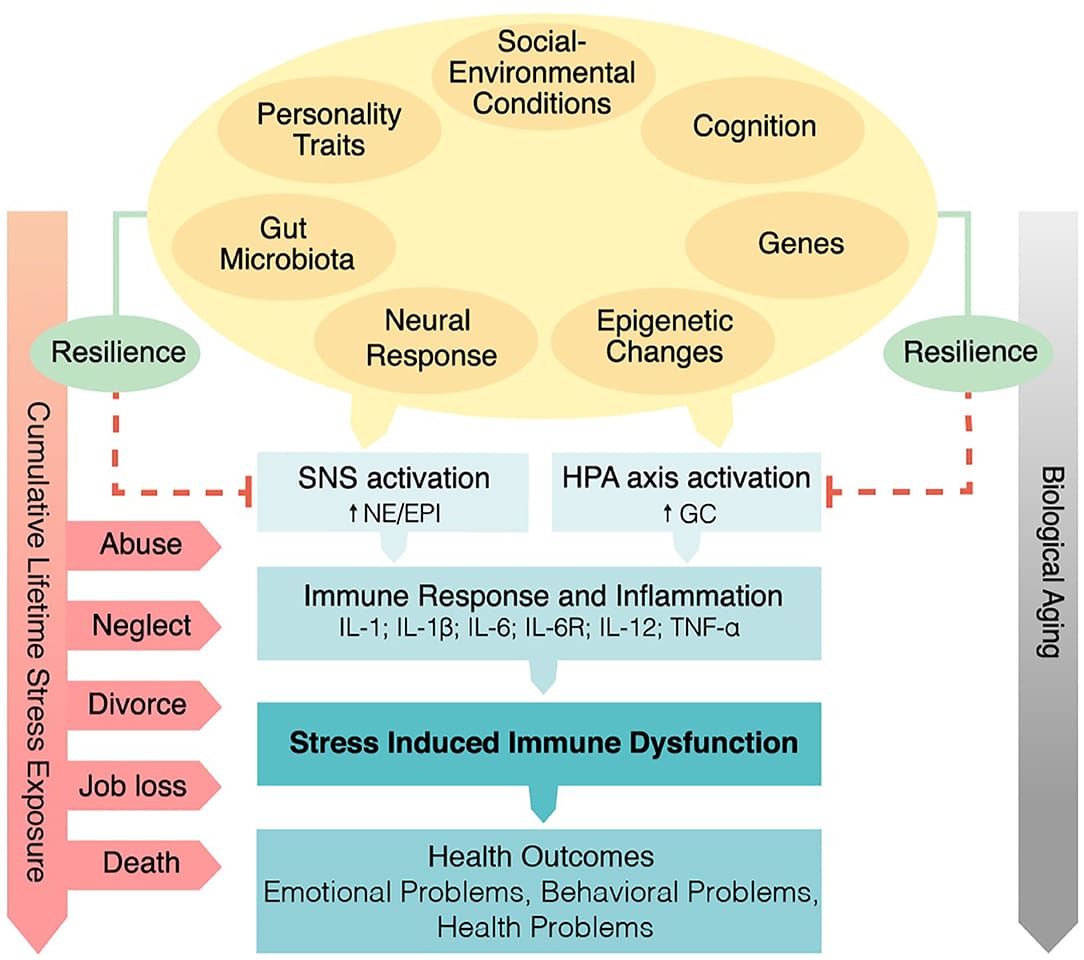
Women are at a higher risk of developing depression and anxiety following a significant loss. The emotional intensity of grief, combined with societal pressures and expectations, can contribute to feelings of hopelessness, guilt, and low self-esteem. It is important to recognize these potential vulnerabilities and provide the necessary support and resources to address mental health issues.
Higher risk of developing complicated grief
Complicated grief, also known as prolonged grief disorder, is a condition characterized by an extended and intense grieving process that significantly impairs one’s daily functioning. Women are more likely than men to experience complicated grief, possibly due to the multiple roles they tend to hold and their greater emotional investment in relationships. Identifying the signs of complicated grief and providing early intervention is crucial for women’s mental health.
Impact on self-esteem and identity
The experience of grief and loss can have a profound impact on a woman’s self-esteem and sense of identity. The person or thing that was lost may have played a significant role in shaping their self-concept and identity. When that connection is severed, women may struggle to reconcile their new reality, leading to a loss of self-worth and a sense of purpose. It is essential to support women in rebuilding their self-esteem and navigating their sense of identity after loss.
Cultural and Social Factors Influencing Women’s Grief and Loss
Different cultural rituals and mourning practices
Different cultures have unique rituals and mourning practices surrounding grief and loss. These practices can play a significant role in shaping how women grieve. Some cultures have elaborate funeral ceremonies, while others prioritize quieter, more private forms of mourning. It is crucial to respect and honor these cultural differences and provide support that aligns with each individual’s cultural beliefs and practices.
Stigma and societal pressure
Women may face increased stigma and societal pressure when navigating grief and loss. They may be expected to fulfill certain roles or behave in specific ways while grieving, making it challenging for them to express their emotions authentically. Breaking down the stigma surrounding grief and loss is essential for providing women with the support and understanding they need.
Intersectionality between gender and other identities
Women’s experiences of grief and loss are not solely shaped by their gender. Intersectionality, which considers how multiple identities intersect and influence one another, must be taken into account. Factors such as race, ethnicity, sexual orientation, and socioeconomic status can significantly impact how women experience grief and the availability of resources and support for them.
Supporting Women in Grief and Loss
Empathy and active listening
When supporting women in grief and loss, it is crucial to approach them with empathy and active listening. Acknowledge their pain and validate their emotions without judgment. Provide a safe space for them to express their feelings openly, and be present to listen attentively. Letting them know that their emotions are valid and that you are there for them can make a significant difference in their healing process.
Providing a safe and non-judgmental space
Creating a safe and non-judgmental space is essential for women to feel comfortable sharing their experiences of grief and loss. Encourage open and honest conversations, free of criticism or expectations. Avoid making assumptions or trying to ‘fix’ their grief. Provide reassurance and support, allowing them to navigate their own unique healing journey at their own pace.
Encouraging professional help when needed
It is important to recognize when the support of a mental health professional is required. Encourage women to seek professional help if they are experiencing prolonged or intense grief, significant changes in their daily functioning, or symptoms of depression and anxiety. Mental health professionals can provide specialized interventions, guidance, and support tailored to women’s specific needs during the grieving process.
Self-Care Strategies for Women Coping with Grief and Loss
Prioritizing emotional well-being
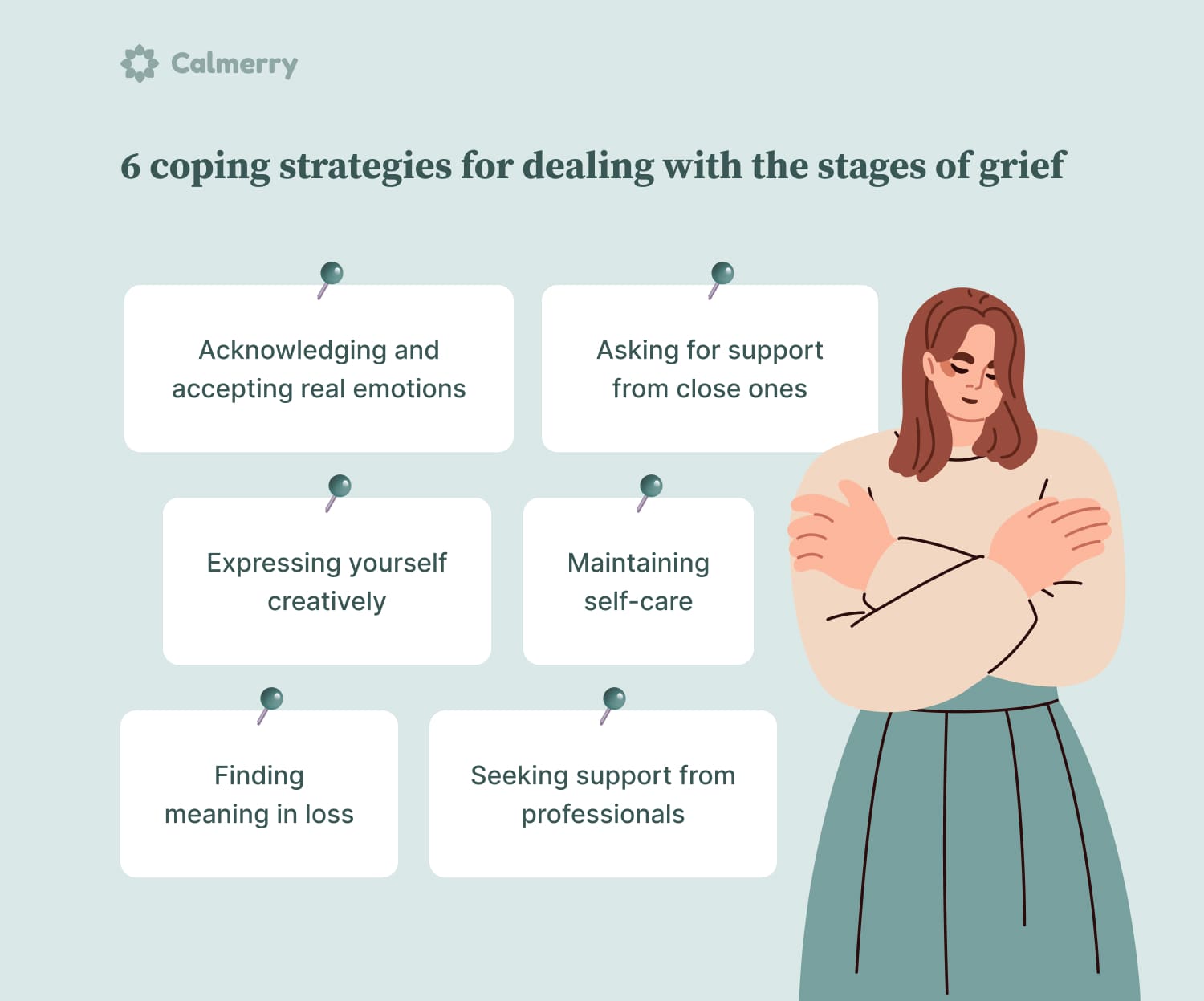
Women should prioritize their emotional well-being when coping with grief and loss. This involves allowing themselves to feel and process their emotions without judgment. Engaging in activities that bring joy, such as spending time with loved ones, practicing self-care, or pursuing hobbies, can positively impact emotional well-being and provide moments of respite during a challenging time.
Engaging in healthy coping mechanisms
Healthy coping mechanisms, such as exercise, meditation, journaling, or seeking support from friends and family, can help women navigate their grief. Encouraging healthy outlets for emotions, such as talking, writing, or engaging in physical activity, can provide women with a sense of release and help them work through their pain in a constructive manner.
Taking time for self-reflection and self-compassion
Self-reflection and self-compassion are vital when coping with grief and loss. Encourage women to take moments for introspection, allowing themselves to process their emotions and thoughts. Remind them to be kind and gentle with themselves during this challenging time. Self-compassion involves treating oneself with the same level of understanding, kindness, and support that one would offer to a loved one.
Building Resilience in Women Dealing with Grief and Loss
Fostering a support system
Building a support system is crucial in helping women navigate grief and loss. Encourage them to lean on friends, family, or support groups for emotional support. Connecting with others who have experienced similar losses can help normalize their feelings and provide a sense of belonging and understanding during this difficult time.
Developing positive coping skills
Developing positive coping skills can help women build resilience in the face of grief and loss. This can include practicing mindfulness, engaging in creative outlets, or pursuing activities that bring a sense of comfort and peace. Encourage them to explore different coping strategies and find what works best for them individually.
Finding meaning and purpose in life after loss
Finding meaning and purpose in life after loss is a transformative process. Encourage women to explore ways in which they can honor the memory of their loved one or create new sources of joy and fulfillment. This can include participating in advocacy work, volunteering, or engaging in activities that align with their passions and values. Finding meaning can contribute to a sense of resilience and hope.
Seeking Professional Help for Women’s Mental Health
Therapeutic approaches for grief and loss
Therapeutic approaches for grief and loss can provide women with valuable tools and support. Cognitive-behavioral therapy (CBT), for example, can help individuals identify and challenge unhelpful thought patterns and develop healthier coping mechanisms. Other therapeutic modalities, such as narrative therapy or group therapy, can provide a safe and supportive space for sharing experiences and finding solace in a community of others who have experienced similar losses.
Benefits of counseling and psychotherapy
Counseling and psychotherapy can offer women a safe and confidential environment in which to navigate their grief and loss. Mental health professionals can provide guidance, insight, and validation throughout the healing process. Therapy can help women develop coping strategies, explore unresolved emotions, and create a roadmap for moving forward with their lives while honoring their loss.
Accessing mental health resources
Accessing mental health resources is essential for women coping with grief and loss. Many organizations and support networks offer specialized programs and services for those experiencing loss. Encourage women to seek out these resources, such as grief counseling centers, support groups, or online forums, that can provide valuable guidance and a sense of community.

The Role of Self-Compassion in Women’s Healing Process
Accepting and validating emotions
Self-compassion involves accepting and validating one’s emotions throughout the healing process. Encourage women to acknowledge and honor their grief, giving themselves permission to feel their emotions without judgment or self-criticism. Remind them that it is okay to have good days and bad days, and that their grief is a natural response to their loss.
Practicing self-compassion exercises
Self-compassion exercises can help women cultivate a nurturing and supportive mindset towards themselves. This can include practicing self-compassionate self-talk, engaging in self-soothing activities, or writing letters of self-compassion. Encourage women to explore these exercises as a way to counteract self-blame, guilt, or feelings of inadequacy that may arise during the grieving process.
Avoiding self-blame and guilt
Grief can often come with feelings of self-blame or guilt, especially if women question their actions before or after the loss. It is crucial to encourage women to recognize that they are not to blame for the circumstances surrounding their loss. Emphasize the importance of self-forgiveness and remind them that they did the best they could given the situation.
Promoting Resilience and Mental Health Education for Women
Destigmatizing conversations around grief and loss
Promoting open and honest conversations about grief and loss is vital in destigmatizing these experiences. By fostering a culture of understanding and acceptance, women can feel more comfortable seeking the support and resources they need. Encourage education and awareness campaigns that challenge societal taboos and generate empathy for those navigating grief and loss.
Raising awareness about available resources
Many women may not be aware of the resources and support available to them when dealing with grief and loss. Promote awareness about local organizations, counseling services, support groups, and helplines that can provide valuable assistance. By making these resources known, women can feel empowered to seek help and support during their healing journey.
Empowering women through knowledge and support
Education and support are powerful tools in empowering women to navigate grief and loss. Provide women with information and resources that validate their experiences and offer guidance on coping strategies and self-care practices. By empowering women with knowledge and support, we can contribute to their resilience and assist in their healing process.
By understanding the unique challenges and vulnerabilities that women face when dealing with grief and loss, we can create a more compassionate and supportive environment. By promoting open conversations, providing resources, and validating their experiences, we can empower women in their healing journey. Through empathy, understanding, and access to professional help, we can support women’s mental health and contribute to their overall well-being.