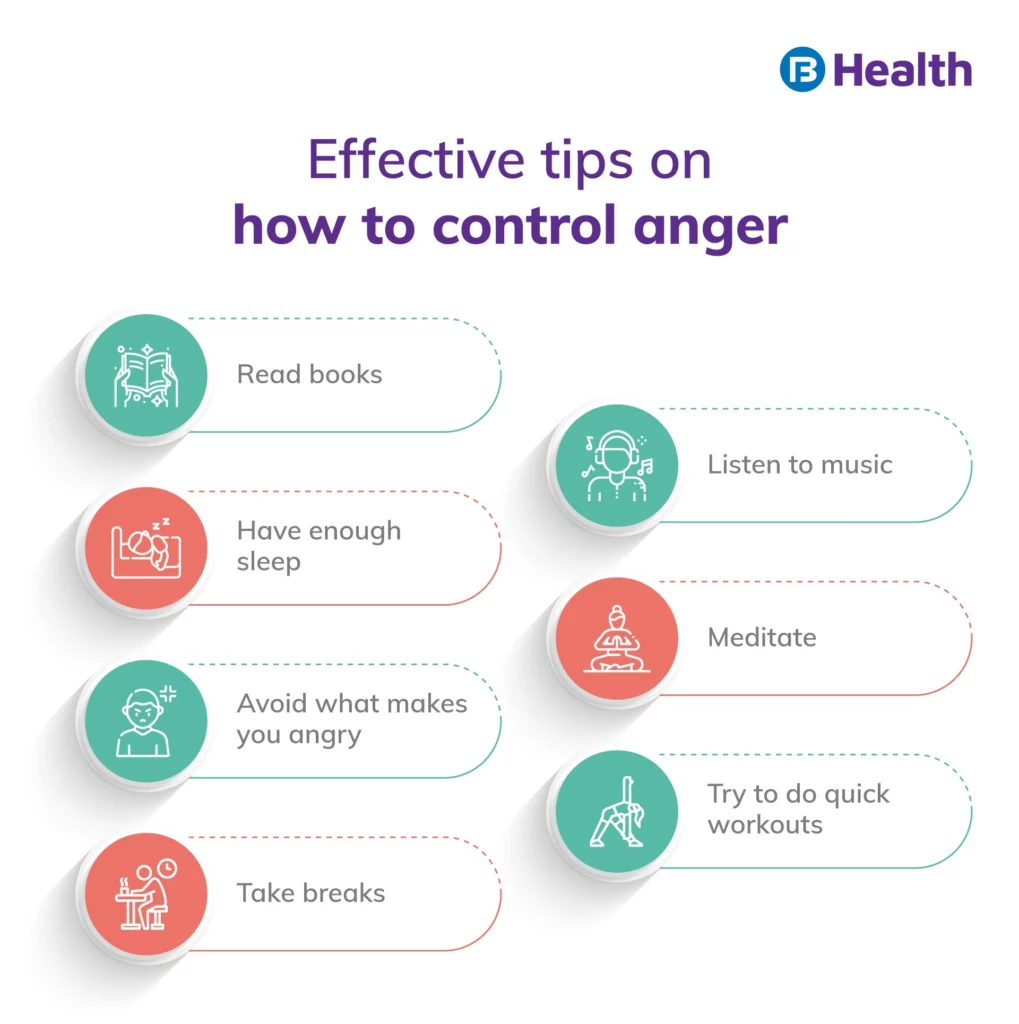
Are you tired of feeling overwhelmed by anger? Look no further, as this article will provide you with valuable tips on managing anger effectively. Whether it’s a frustrating situation at work or a heated argument with a loved one, anger can easily get the best of us. But fear not, by incorporating some simple yet powerful techniques into your daily life, you’ll be able to regain control of your emotions and cultivate a calmer, more peaceful state of mind. Discover how to manage anger like a pro and experience the transformative effects it can have on your overall well-being.
Identifying Triggers
Recognizing personal triggers
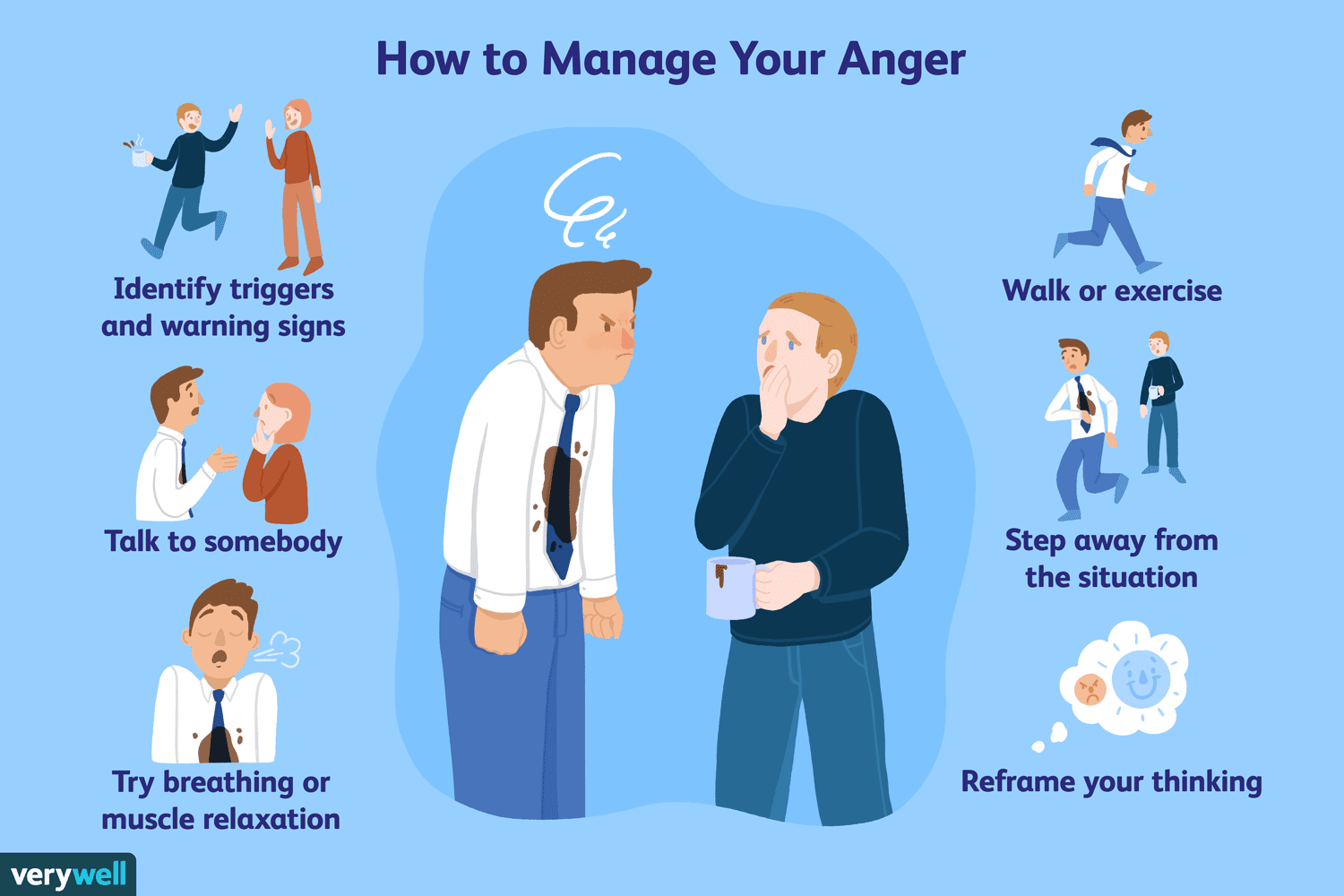
The first step in effectively managing anger is to identify your personal triggers. These are the events, situations, or people that cause you to feel angry. By recognizing your triggers, you can develop strategies to avoid or cope with them. Take some time to reflect on past experiences and notice patterns in your anger. Does feeling disrespected or being late trigger your anger? Is it specific situations like traffic jams or conflicts with coworkers? Understanding your personal triggers will empower you to take control of your anger.
Identifying external triggers
In addition to personal triggers, it is important to be aware of external triggers that may contribute to your anger. These can include environmental factors like noise or a messy living space, as well as interactions with certain individuals who consistently provoke or irritate you. By identifying these external triggers, you can make informed choices about the environments you put yourself in and the people you surround yourself with. Recognizing and avoiding these triggers can help prevent anger from escalating.
Understanding the root causes
While recognizing personal and external triggers is essential, it is also important to delve deeper and understand the underlying root causes of your anger. Often, anger is a secondary emotion that masks other underlying feelings such as fear, sadness, or frustration. By uncovering the root causes of your anger, you can address these underlying emotions and find healthier ways to cope. This self-reflection can be done through therapy, journaling, or engaging in conversations with trusted individuals who can provide insight and support.
Developing Emotional Awareness
Understanding emotions
To effectively manage anger, it is crucial to have a clear understanding of emotions in general. Emotions are natural responses to events and can vary in intensity. Anger is just one of the many emotions we experience as humans. By becoming aware of the different emotions you experience and understanding their triggers, you can gain greater control over your emotional responses. Take the time to educate yourself about emotions and the role they play in your life. This knowledge will provide a solid foundation for managing anger more effectively.
Practicing mindfulness
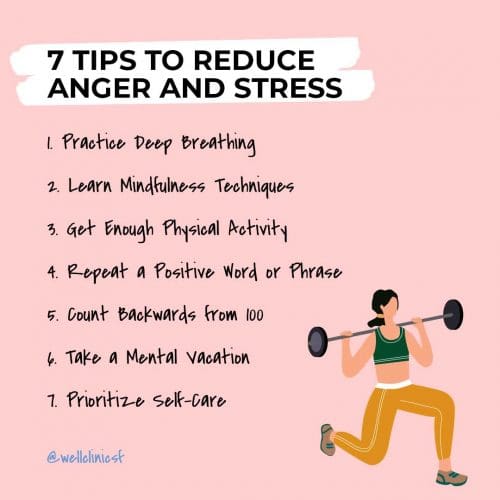
Mindfulness is a powerful practice that can help you develop emotional awareness and manage anger. Mindfulness involves paying attention to the present moment without judgment. By practicing mindfulness, you can become more attuned to your thoughts, emotions, and bodily sensations. This awareness allows you to recognize anger as it arises and choose how you respond. Mindfulness techniques such as deep breathing, body scans, and meditation can help calm your mind and create a sense of inner peace, enabling you to respond to anger in a more measured and thoughtful way.
Keeping a journal
Keeping a journal is another effective tool for developing emotional awareness and managing anger. Journaling provides a safe space to express your thoughts, feelings, and frustrations. By writing regularly, you can gain insights into the patterns of your anger and identify any recurring triggers or patterns of negative thinking. Additionally, journaling can serve as a cathartic release, allowing you to process and let go of anger in a healthy way. Consider starting a journal and make it a habit to write about your emotions and experiences regularly.
Cognitive Restructuring
Identifying irrational thoughts
Our thoughts have a significant impact on our emotions and behaviors. When it comes to managing anger, it is important to identify and challenge any irrational thoughts that may be fueling your anger. Irrational thoughts often include exaggerated or distorted thinking patterns, such as catastrophizing or personalizing situations. Pay attention to the thoughts that arise when you feel angry and question their validity. Are you jumping to conclusions? Are you assuming the worst? Identifying these irrational thoughts is the first step towards replacing them with more rational and balanced thinking.
Challenging negative thoughts
Once you have identified irrational thoughts, it is crucial to challenge and reframe them. Ask yourself if there is evidence to support your negative thoughts and consider alternative perspectives. By challenging negative thoughts, you can shift your focus towards more positive and realistic interpretations of events. This cognitive restructuring process takes practice and patience but can be a powerful tool for managing anger. Over time, you will develop a more balanced and rational mindset, allowing you to respond to anger in a more constructive and controlled way.
Replacing with positive and rational thoughts
In addition to challenging negative thoughts, it is important to actively replace them with positive and rational thoughts. This involves consciously choosing to focus on more balanced and empathetic interpretations of situations. For example, instead of assuming someone’s actions were intentionally malicious, consider alternative explanations such as miscommunication or a lack of awareness. By consciously replacing negative thoughts with positive and rational ones, you can reframe your perspective and decrease the intensity of your anger.
Relaxation Techniques
Deep breathing exercises
One of the simplest and most effective relaxation techniques for managing anger is deep breathing. Deep breathing involves slow, deep breaths taken from your diaphragm rather than shallow breaths from your chest. When you feel anger rising, take a few moments to pause and breathe deeply. Inhale deeply through your nose, hold the breath for a few seconds, and then exhale slowly through your mouth. Repeat this process several times until you feel a sense of calm and relaxation. Deep breathing can help regulate your heartbeat, reduce muscle tension, and decrease overall feelings of anger.
Progressive muscle relaxation
Progressive muscle relaxation is another valuable technique for managing anger. This technique involves systematically tensing and then releasing different muscle groups in your body. Start by focusing on one muscle group at a time, such as your hands or shoulders. Tense those muscles for a few seconds, then release and relax them completely. Move through your body, tensing and releasing each muscle group, until you feel a sense of relaxation. Progressive muscle relaxation can help alleviate physical symptoms of anger, such as clenched fists or a tight jaw, and promote a sense of overall calmness.
Meditation and guided imagery
Meditation and guided imagery can be powerful tools for managing anger, as they promote relaxation and inner peace. Find a quiet and comfortable space where you can sit or lie down. Close your eyes and focus on your breath, allowing your mind to become still and calm. Visualize a peaceful scene or engage in guided imagery exercises that transport you to a serene environment. By immersing yourself in these calming visualizations, you can reduce anger and create a sense of tranquility within yourself. Regular practice of meditation and guided imagery can enhance your ability to manage anger in the long term.
Healthy Communication
Listening actively
Effective communication is key to managing anger in relationships and resolving conflicts. One essential aspect of healthy communication is actively listening. When engaging in a conversation, make a conscious effort to focus on the speaker and really hear what they are saying. Avoid interrupting or formulating your response while they are still talking. Instead, listen to understand their perspective without judgment. Actively listening not only fosters understanding but also prevents misunderstandings and reduces the likelihood of anger escalating.
Expressing assertively
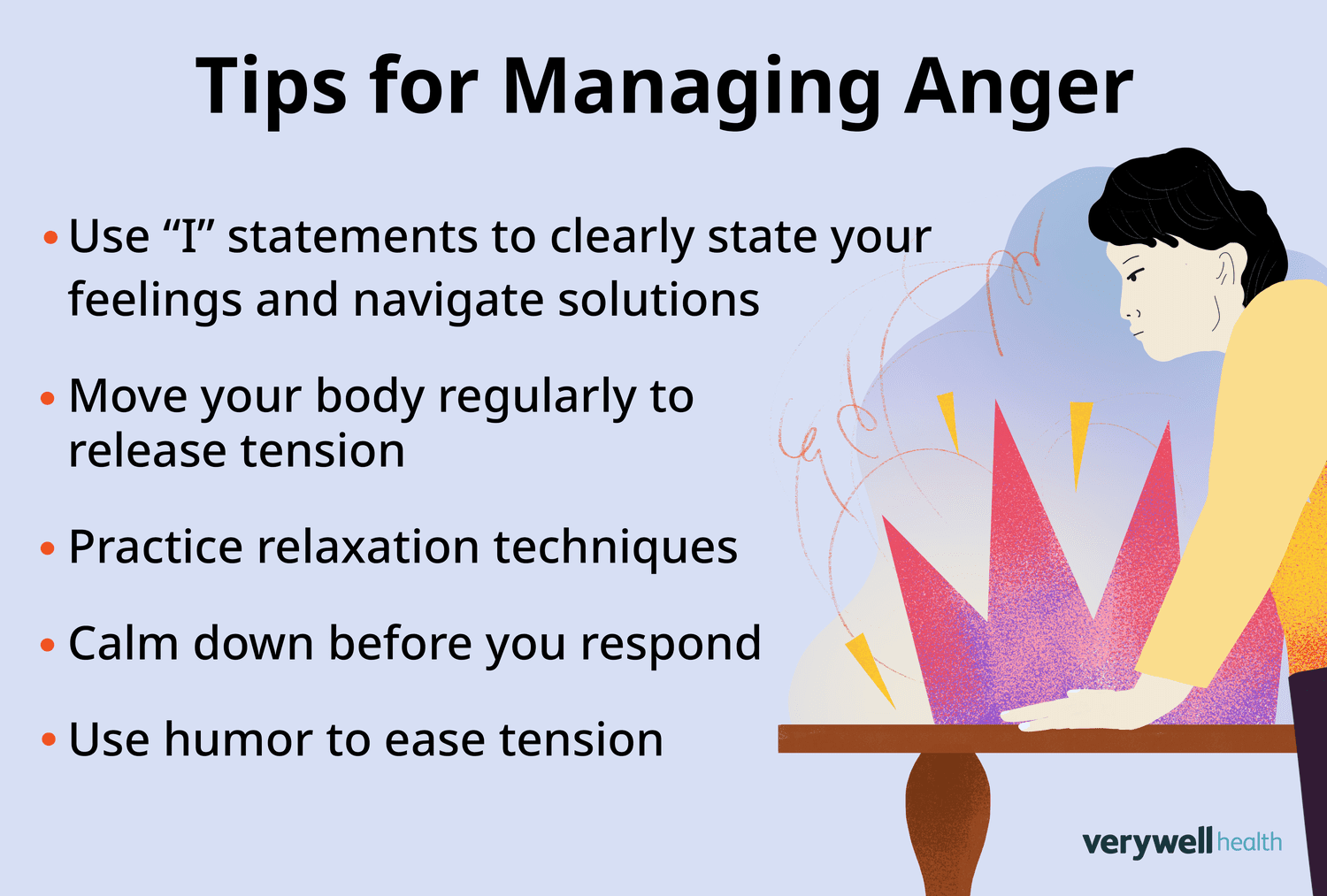
Expressing yourself assertively is another crucial component of healthy communication and anger management. Assertive communication involves expressing your thoughts, feelings, and needs in a clear and respectful manner, while also being open to hearing others’ perspectives. Instead of resorting to aggressive or passive-aggressive communication styles, assertiveness allows you to communicate your anger without becoming hostile or disrespectful. Practice using “I” statements to express your feelings and needs, while maintaining a calm and controlled tone of voice.
Avoiding aggressive language
When managing anger, it is important to pay attention to the language you use during communication. Aggressive language, such as insults, sarcasm, or name-calling, can escalate conflicts and damage relationships. Instead, strive to use respectful and neutral language, focusing on the issue at hand rather than attacking the person. Reframe negative statements into constructive feedback, and remain mindful of your tone of voice and body language. By choosing your words carefully and avoiding aggressive language, you can maintain healthier and more productive conversations.
Physical Activity
Engaging in regular exercise
Physical activity plays a significant role in managing anger and overall emotional well-being. Regular exercise releases endorphins, which are natural mood-boosting chemicals in the brain. Engaging in physical activity, such as walking, jogging, or cycling, can help reduce stress and promote relaxation. Make it a priority to incorporate regular exercise into your routine, aiming for at least 30 minutes of moderate-intensity activity most days of the week. By making physical activity a habit, you can release pent-up tension and improve your overall emotional state.
Channeling anger through physical activity
In moments of intense anger, channeling your emotions through physical activity can be a healthy way to release tension and reduce the risk of aggressive or destructive behavior. Engage in activities such as hitting a punching bag, going for a run, or participating in a martial arts class. These activities allow you to redirect your anger into a productive outlet. However, it is important to ensure that your chosen activities do not harm yourself or others. Always prioritize safety and engage in physical activities responsibly.
Releasing tension and promoting relaxation
Physical activity not only helps release anger but also promotes relaxation. Engaging in activities like yoga, tai chi, or stretching can help relax both your body and mind. These low-impact exercises focus on breathing, flexibility, and mindfulness, helping you release tension and restore a sense of calmness after periods of anger. Incorporate these relaxation-focused physical activities into your routine to enhance your ability to manage anger and promote overall well-being.
Time-Outs and Distractions
Taking breaks when feeling angry
When you feel anger escalating, it is important to recognize when to take a break and step away from the situation. Taking a time-out can help you regain control over your emotions and prevent the situation from escalating further. Find a quiet space where you can be alone and engage in activities that promote relaxation, such as deep breathing or listening to calming music. Taking breaks allows you to collect your thoughts, calm down, and approach the situation with a clearer and more level-headed perspective.
Engaging in enjoyable activities
Engaging in activities that bring you joy and provide a healthy distraction can be an effective way to manage anger. Take time to participate in hobbies or activities that you find enjoyable and fulfilling. This can include activities such as reading, painting, playing a musical instrument, or spending time in nature. By immersing yourself in positive experiences, you can redirect your focus away from anger triggers and promote a sense of happiness and relaxation.
Distracting oneself from anger triggers
Sometimes, the best way to manage anger is to distract yourself from the triggers that provoke it. Engage in activities that demand your attention and focus, such as puzzles, cooking, or exercise. By redirecting your energy and attention towards these activities, you can reduce the intensity of your anger and prevent it from escalating. Distracting yourself from anger triggers allows you to regain control over your emotions and make more rational decisions in the face of anger-inducing situations.
Seeking Support
Talking to a trusted friend or family member
Seeking support from a trusted friend or family member can be a valuable resource for managing anger. Choose someone who will provide a listening ear, offer empathy, and provide constructive feedback. Venting your frustrations and talking through your anger triggers with someone you trust can help alleviate the intensity of your anger and provide you with a fresh perspective. Make sure to choose individuals who can be objective and non-judgmental, and who will support and encourage your efforts to manage anger.
Joining a support group
If you find that anger is significantly impacting your life, joining a support group can be a helpful step towards managing anger. Support groups provide a safe space to share experiences, learn coping strategies, and receive encouragement from individuals who are facing similar challenges. Connecting with others who have experienced anger-related issues can provide a sense of validation and empower you to take control of your anger. Consider researching support groups in your area or online that specialize in anger management.
Considering anger management therapy
For individuals who experience persistent and overwhelming anger, seeking professional help in the form of anger management therapy may be beneficial. Anger management therapy can provide the tools and strategies necessary to identify and address the underlying causes of anger. Therapists trained in anger management techniques can help you explore and understand the root causes of your anger, develop effective coping strategies, and provide support and guidance throughout your journey towards managing anger. Consider reaching out to a licensed therapist or counselor who specializes in anger management.
Stress Management
Identifying stressors
Stress is often a contributing factor to anger, so learning to manage stress is an important part of anger management. Start by identifying the specific stressors in your life. These could be related to work, relationships, finances, or other areas. Once you have identified your stressors, you can begin implementing strategies to reduce or eliminate them. By addressing the underlying sources of stress, you can prevent it from building up and triggering anger.
Implementing stress reduction techniques
Once you have identified and addressed your stressors, it is important to implement stress reduction techniques. These can include practices such as exercise, meditation, deep breathing, or engaging in hobbies. Additionally, ensure that you are taking care of your physical health by getting enough sleep, eating well, and staying hydrated. By incorporating stress reduction techniques into your daily routine, you can effectively manage stress and minimize its impact on your anger levels.
Creating a healthy work-life balance
Maintaining a healthy work-life balance is crucial for stress management and anger prevention. Identify how much time you spend at work versus engaging in activities that bring you joy or help you relax. Make an effort to prioritize self-care and allocate time for activities that promote relaxation and enjoyment. Setting clear boundaries between work and personal life will reduce feelings of overwhelm and prevent burnout. By creating a healthy work-life balance, you can reduce stress levels and minimize the likelihood of anger arising.
Anger Management Techniques for Children
Teaching self-calming strategies
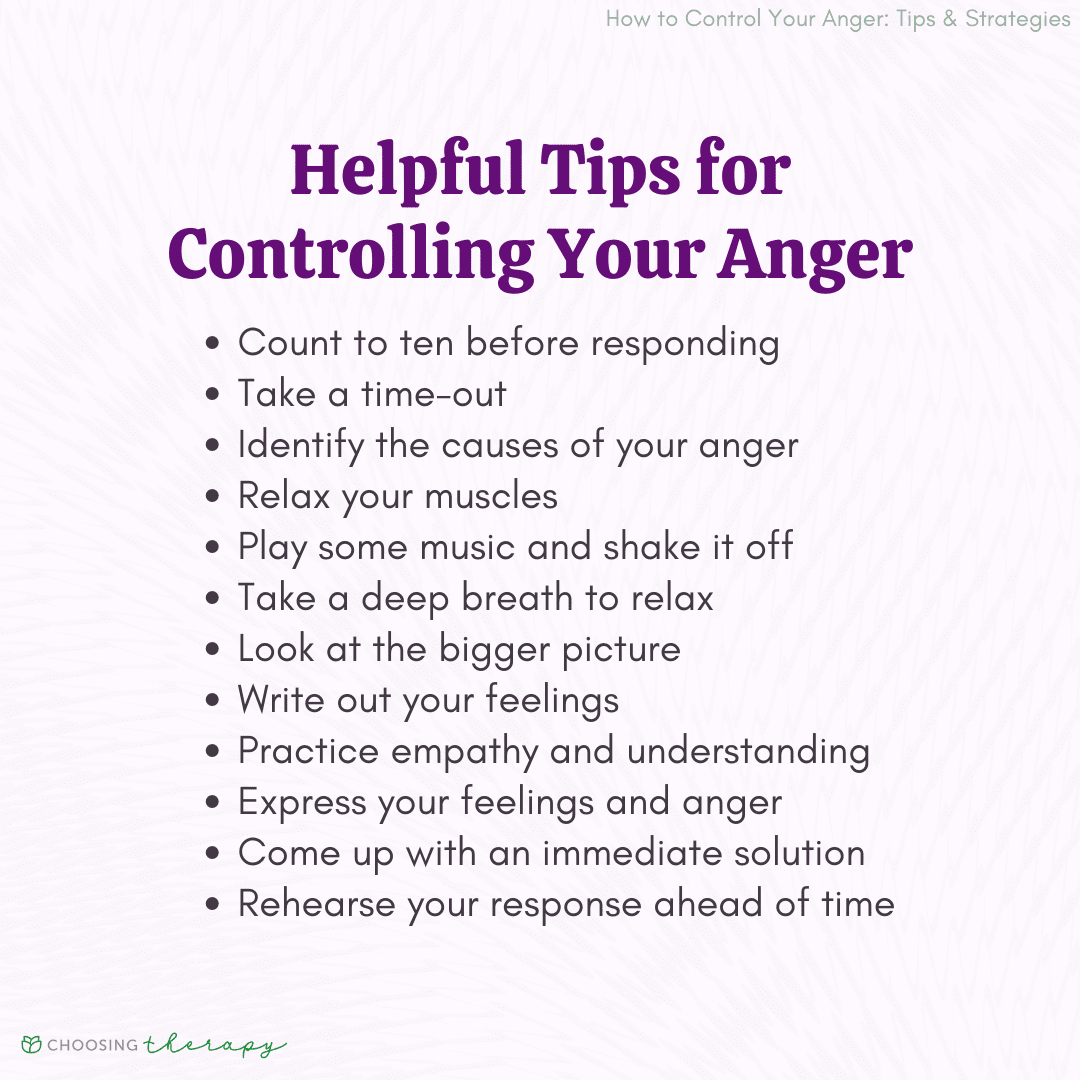
Children experience anger just like adults, and it is essential for them to learn healthy ways to manage it. One effective technique is teaching them self-calming strategies. Encourage deep breathing exercises, counting to ten, or using a stress ball to help them release tension. By providing children with self-calming strategies, they can learn to regulate their emotions and respond to anger in a more controlled and constructive manner.
Encouraging open expression of feelings
It is important for children to feel comfortable expressing their feelings, including anger. Encourage open communication about their emotions and create a safe and non-judgmental space for them to share their anger. Validate their experience and help them identify the emotions they are feeling. By fostering open expression of feelings, you can teach children that anger is a normal emotion and provide them with the tools to manage it effectively.
Setting clear boundaries and consequences
Establishing clear boundaries and consequences is a helpful approach in teaching children about anger management. Clearly communicate the expectations and rules, explaining the consequences if those boundaries are crossed. This provides children with structure and helps them understand the impact of their actions. Consistently enforcing boundaries and consequences helps teach children responsibility and accountability for their anger. By setting clear expectations, you can guide children towards healthier emotional responses and behaviors.
In conclusion, anger management is a multi-faceted process that requires self-awareness, emotional intelligence, and the development of various techniques and skills. By identifying triggers, developing emotional awareness, utilizing cognitive restructuring, practicing relaxation techniques, engaging in healthy communication, participating in physical activity, taking time-outs, seeking support, implementing stress management techniques, and teaching children anger management skills, you can effectively manage your anger and lead a healthier, more balanced life. Remember, managing anger is a journey, and with patience, practice, and support, you can develop the tools to navigate anger in a way that promotes personal growth and positive relationships.