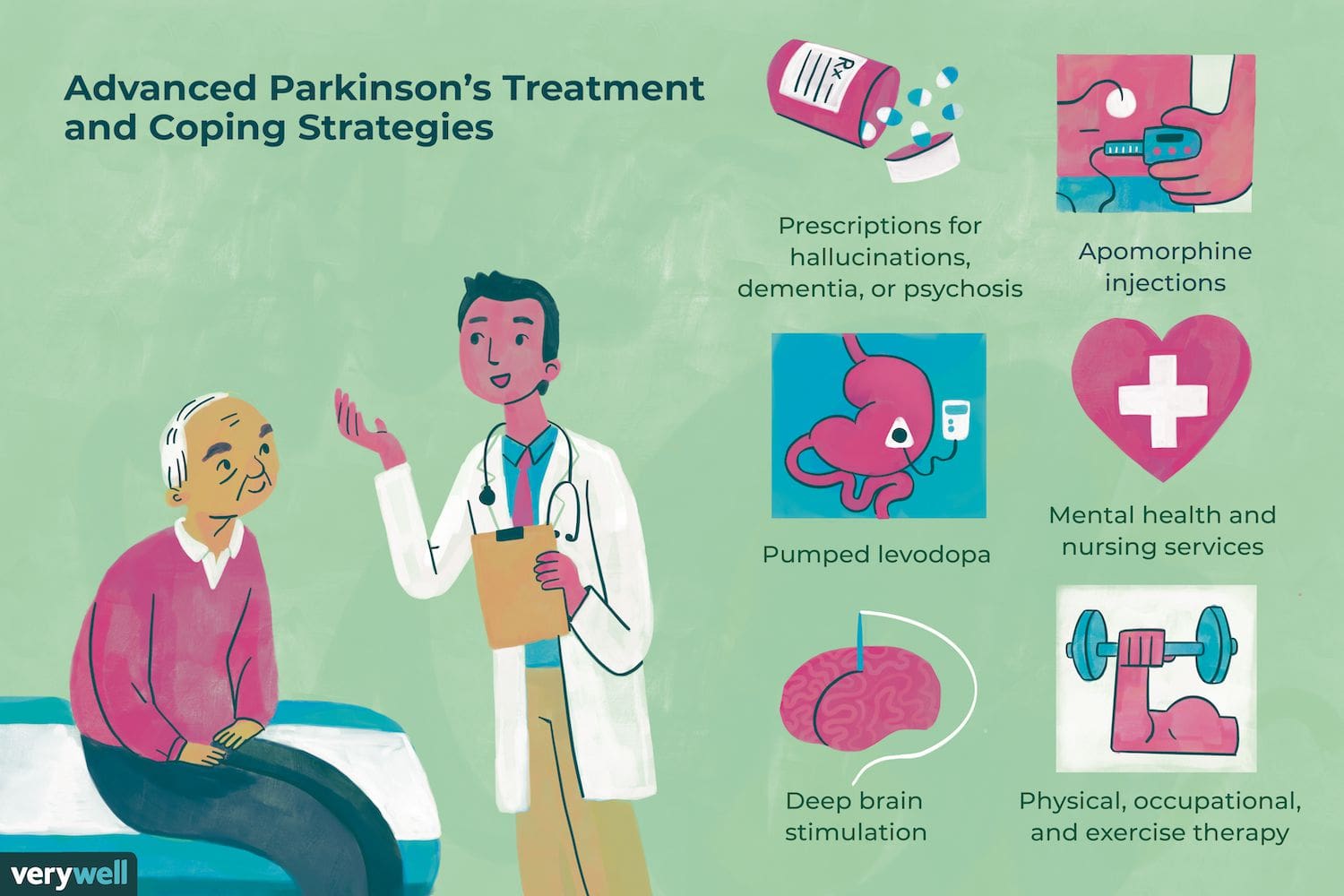
Living with Parkinson’s disease can be a daunting and overwhelming experience, but with the right practical tips and support, it becomes more manageable and empowering. This article aims to provide you with valuable insight and advice on how to cope with the challenges that Parkinson’s disease presents, offering practical tips that can improve your day-to-day life and enhance your overall well-being. By implementing these strategies and seeking the support you need, you can navigate the obstacles of Parkinson’s disease with confidence and resilience.
Maintaining Physical Health
Exercise regularly
Regular exercise is crucial for maintaining physical health when living with Parkinson’s disease. It can help improve strength, flexibility, balance, and coordination. Engaging in exercises such as walking, swimming, cycling, or yoga can be beneficial. It is important to consult with a healthcare professional to determine the most suitable exercise routine for you.
Manage medications and treatments
Managing medications and treatments is an essential part of maintaining physical health while dealing with Parkinson’s disease. It is important to follow the prescribed medication schedule and communicate any changes in symptoms to your healthcare professional. Additionally, exploring therapies such as physical therapy, occupational therapy, and speech therapy can help manage the symptoms effectively.
Eat a balanced diet
A balanced diet plays a significant role in maintaining overall health and well-being. Following a diet rich in fruits, vegetables, whole grains, lean proteins, and healthy fats can provide the necessary nutrients for optimal physical health. It is important to stay hydrated and to consult with a dietitian or healthcare professional to create a personalized meal plan that suits your needs.
Get enough sleep
Adequate sleep is vital for both physical and emotional well-being. Parkinson’s disease can affect sleep patterns, so it is important to establish a bedtime routine and create a sleep-friendly environment. Avoiding caffeine and electronic devices before bed, maintaining a consistent sleep schedule, and using relaxation techniques can help improve sleep quality.
Managing Symptoms
Work with healthcare professionals
Collaborating closely with healthcare professionals is crucial in effectively managing the symptoms of Parkinson’s disease. Regular check-ups, appointments with neurologists, and consultations with physical therapists, occupational therapists, and speech therapists can help develop a customized care plan. It is important to communicate any changes in symptoms or concerns to your healthcare team for appropriate management.
Use assistive devices
Assistive devices can greatly enhance daily life for those with Parkinson’s disease. Items such as canes, walkers, and grab bars can provide stability and prevent falls. Additionally, specialized utensils, dressing aids, and communication devices can compensate for any motor or speech difficulties. Consulting with an occupational therapist can help assess your needs and recommend appropriate assistive devices.
Practice relaxation techniques
Stress and anxiety can worsen the symptoms of Parkinson’s disease. Engaging in relaxation techniques such as deep breathing exercises, meditation, and mindfulness can help manage stress levels. Relaxation techniques can also improve sleep quality and overall well-being. Consider joining a meditation or relaxation class to learn and practice these techniques.
Manage fatigue
Fatigue is a common symptom experienced by individuals with Parkinson’s disease. It is important to listen to your body and pace yourself accordingly. Prioritize tasks, delegate when possible, and take breaks throughout the day. Planning rest periods, engaging in activities that boost energy levels, and practicing good sleep hygiene can help manage fatigue effectively.
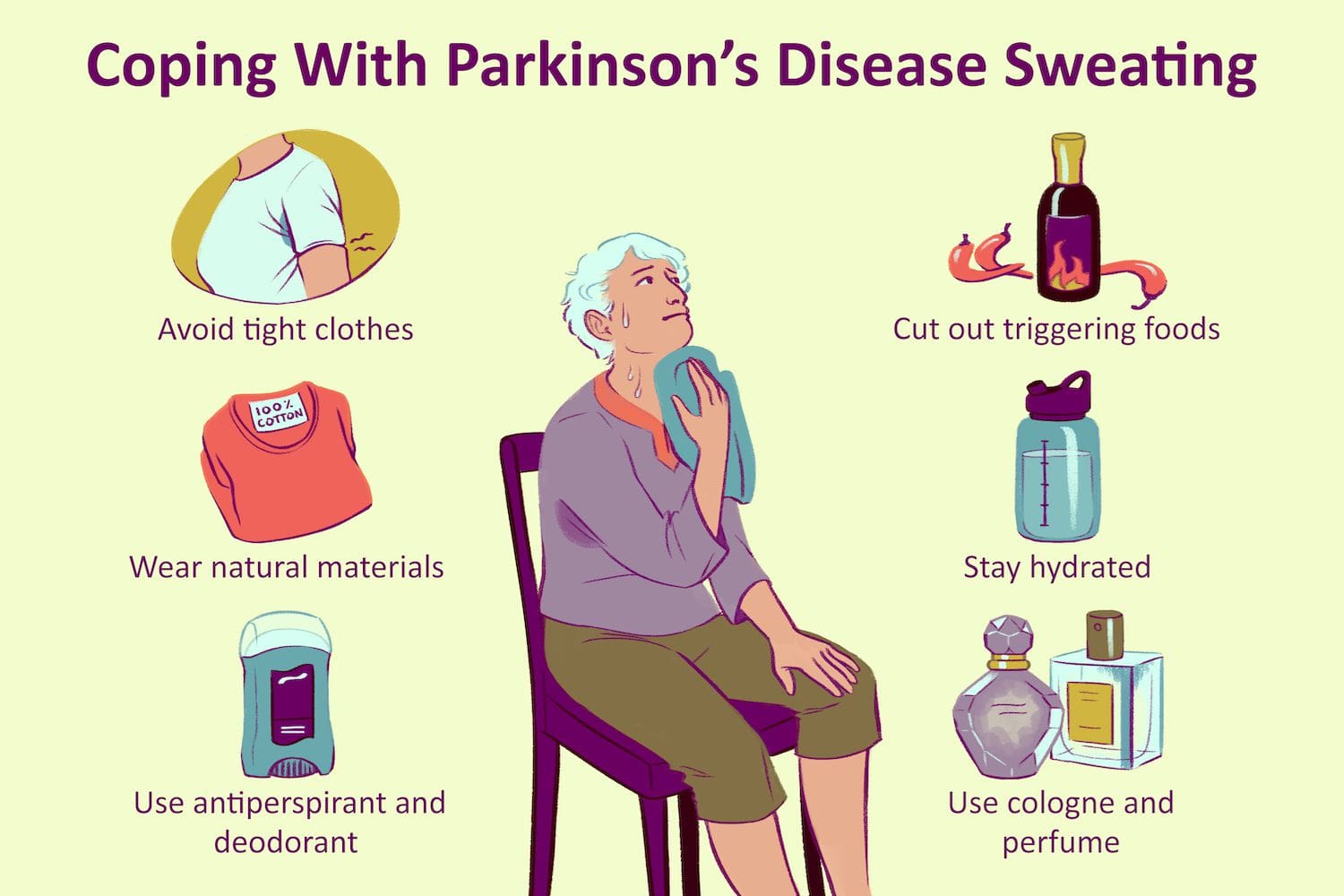
Maintaining Emotional Well-being
Seek emotional support
Emotional support is essential when coping with the challenges of Parkinson’s disease. Reach out to friends, family, or support groups to share your feelings and experiences. Don’t be afraid to ask for help or lean on others during difficult times. Consider seeking professional counseling or therapy to address emotional issues related to Parkinson’s disease.
Participate in support groups
Joining a support group can provide a sense of community and understanding. Interacting with others who are going through similar experiences can offer a valuable source of emotional support. Support groups can provide a safe space to share experiences, learn coping strategies, and receive guidance from others who have firsthand knowledge of living with Parkinson’s disease.
Engage in activities you enjoy
Engaging in activities that bring joy and fulfillment can have a positive impact on emotional well-being. Find hobbies, interests, or creative outlets that you enjoy and make time for them regularly. Whether it’s painting, playing music, gardening, or cooking, these activities can provide a sense of purpose and improve overall emotional well-being.
Practice stress management
Stress can exacerbate the symptoms of Parkinson’s disease and negatively impact emotional well-being. Developing effective stress management techniques is crucial. Consider activities such as yoga, tai chi, or mindfulness meditation, which can help reduce stress levels. Engaging in regular exercise, practicing self-care, and maintaining a positive outlook can also contribute to better stress management.
Improving Daily Life
Adapt your living environment
Making adaptions to your living environment can greatly enhance daily life with Parkinson’s disease. Removing trip hazards, arranging furniture for easy navigation, and installing handrails and grab bars in key locations can help prevent falls. Consider consulting with an occupational therapist who can assess your living space and suggest specific modifications to improve daily functioning.
Establish routines
Establishing routines can provide structure and stability when living with Parkinson’s disease. Creating a daily schedule that includes regular meal times, exercise, medication reminders, and rest periods can help manage symptoms and maintain a sense of control. Routines can also alleviate stress and make daily tasks more manageable.
Manage time and energy wisely
Managing time and energy wisely is crucial when dealing with the challenges of Parkinson’s disease. Prioritize tasks based on importance and energy levels. Break tasks into smaller, manageable segments and allow for rest periods in between. Delegate tasks when possible and don’t hesitate to ask for help when needed. Planning ahead and being organized can help optimize time and energy.
Prioritize tasks
With the limitations imposed by Parkinson’s disease, it is important to prioritize tasks and focus on what is most important. Identify the most critical tasks and allocate your time and energy accordingly. By prioritizing tasks, you can ensure that essential activities are completed while still pacing yourself and managing the symptoms effectively.
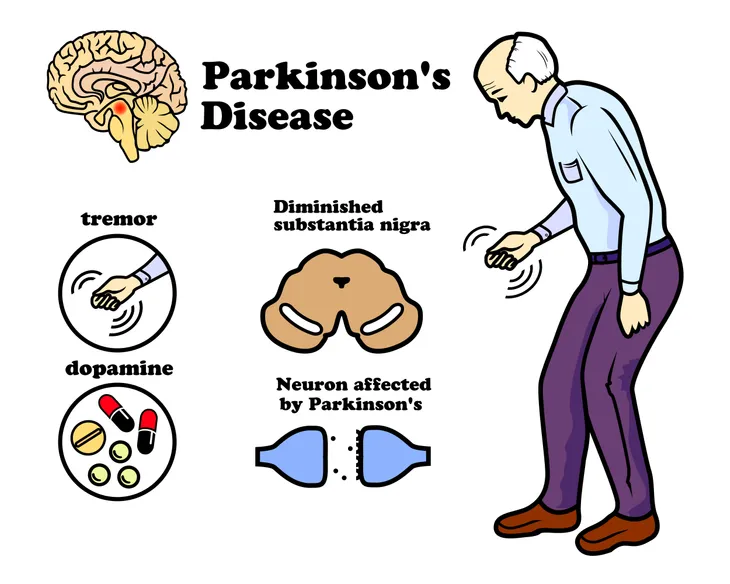
Enhancing Communication
Speak clearly and slowly
Clear and slow speech can greatly aid communication for individuals living with Parkinson’s disease. Take your time when speaking and enunciate each word. Using short sentences and taking pauses for breath can also improve clarity. Practicing speech exercises, such as slowing down the rate of speech, can enhance communication skills.
Use visual aids
Visual aids can assist in effective communication for those with Parkinson’s disease. Utilize picture cards, written instructions, or gesture-based communication methods to supplement verbal communication. Visual aids can provide additional context and support understanding for both the individual with Parkinson’s disease and their communication partner.
Ask for clarification
When faced with communication difficulties, don’t hesitate to ask for clarification. If you are unsure about something, politely ask the person to repeat or rephrase their statement. Seeking clarification can prevent misunderstandings and facilitate better communication with those around you.
Consider speech therapy
Speech therapy can be highly beneficial for individuals with Parkinson’s disease who experience speech difficulties. A speech-language pathologist can provide techniques and exercises to strengthen speech muscles, improve speech clarity, and address any swallowing difficulties. Consult with your healthcare professional to explore the option of speech therapy.
Promoting Independence
Learn new skills
Continually learning and acquiring new skills can promote independence and boost self-confidence when living with Parkinson’s disease. Explore activities or hobbies that challenge you mentally or physically. Whether it’s learning a musical instrument or taking up a new language, these endeavors can enhance cognitive function and maintain a sense of personal growth.
Use assistive technology
Assistive technology can play a significant role in promoting independence for individuals with Parkinson’s disease. Tools such as voice-activated devices, smartphones with reminder apps, or wearable technology can help manage daily tasks and medication schedules. Consider exploring the various assistive technology options available to facilitate independent living.
Create a support network
Building a support network is crucial for maintaining independence when living with Parkinson’s disease. Surround yourself with family, friends, and healthcare professionals who can provide assistance and support when needed. Maintaining open lines of communication and reaching out for help when necessary can empower you to stay independent while managing the challenges of the condition.
Stay organized
Staying organized is key to maintaining independence and managing daily tasks effectively. Utilize calendars, task lists, or smartphone apps to keep track of appointments, medication schedules, and important information. By staying organized, you can prioritize tasks, reduce stress, and ensure that nothing falls through the cracks.

Engaging in Mental Stimulation
Read books and articles
Engaging in reading can provide mental stimulation and cognitive benefits for individuals with Parkinson’s disease. Explore books, articles, or online resources that interest you. Choose topics that challenge your thinking and encourage engagement. Reading can improve memory, enhance concentration, and promote overall mental well-being.
Solve puzzles and games
Puzzles and games can be an enjoyable way to engage in mental stimulation while living with Parkinson’s disease. Crosswords, Sudoku, jigsaw puzzles, or brain-teaser apps are great options. These activities help maintain cognitive function, improve problem-solving skills, and provide opportunities for social interaction.
Take up a hobby
Taking up a hobby can provide mental stimulation and a sense of purpose when living with Parkinson’s disease. Consider activities such as painting, knitting, gardening, or woodworking. Hobbies not only engage the mind but also allow for creative expression and a sense of accomplishment.
Engage in cognitive activities
Engaging in cognitive activities specifically designed to challenge the mind can help improve mental agility for individuals with Parkinson’s disease. Brain-training apps, puzzles geared towards cognitive health, memory games, or learning a new instrument can provide targeted cognitive stimulation. Incorporating these activities into your daily routine can maintain cognitive abilities and promote overall brain health.
Preventing Falls and Injuries
Remove tripping hazards
Preventing falls is essential for maintaining physical health and well-being. Regularly assess your living space for tripping hazards such as loose rugs, cords, or clutter. Ensure that floors are clear and free from any obstacles. Make necessary modifications to create a safe and fall-proof environment.
Use handrails and grab bars
Installing handrails and grab bars can greatly reduce the risk of falls and injuries when living with Parkinson’s disease. Place handrails on stairways and in bathrooms to provide stability and support. Grab bars near toilets, showers, and bathtubs offer additional assistance in maintaining balance and preventing accidents.
Wear proper footwear
Choosing appropriate footwear is important in preventing falls and maintaining stability. Opt for shoes with good arch support, non-slip soles, and sturdy construction. Avoid high heels or shoes with loose or worn-out soles, as they can increase the risk of falls.
Take precautions in the bathroom
The bathroom can be a high-risk area for falls, particularly for individuals with Parkinson’s disease. Install non-slip mats on the floor, use a shower chair or stool, and consider a raised toilet seat to assist with mobility and reduce the risk of falls. It is also important to ensure that the bathroom is well-lit to improve visibility and prevent accidents.

Preparing for Daily Challenges
Plan ahead
Preparing ahead of time can help mitigate the impact of unpredictable symptoms and challenges. Plan your day in advance, considering factors such as energy levels, medication schedules, and upcoming appointments. By planning ahead, you can allocate your resources effectively and minimize stress.
Have a backup plan
Having a backup plan in place can provide reassurance and flexibility when living with Parkinson’s disease. Prepare for unexpected events or symptom fluctuations by identifying alternative options or strategies. This could include having a trusted friend or family member available to assist if needed or establishing a contingency plan for transportation or social engagements.
Prepare for unpredictable symptoms
Parkinson’s disease symptoms can vary from day to day. It is important to be prepared for unpredictable symptom fluctuations. Keep necessary medications, emergency contact information, and medical history easily accessible. This can help healthcare professionals make informed decisions during emergencies or unexpected changes in symptoms.
Keep emergency contacts easily accessible
In case of emergency, it is important to have emergency contacts readily available. Keep a list of emergency phone numbers, including the contacts of your healthcare professionals, family members, and friends. Store this information in a prominent place where it can be easily accessed, such as a phone or wallet.
Seeking Professional Support
Consult with a neurologist
Seeking guidance from a neurologist who specializes in Parkinson’s disease is essential for comprehensive care. A neurologist can assess your condition, offer medical advice, and determine the most appropriate treatment plan for you. Regular check-ups and open communication with your neurologist can help manage symptoms and optimize your physical and emotional well-being.
Work with a physical therapist
A physical therapist can play a vital role in managing the physical challenges associated with Parkinson’s disease. They can develop personalized exercise programs, provide guidance on movement techniques, and improve balance and coordination. Working closely with a physical therapist can help maintain physical function and enhance your overall quality of life.
Consider occupational therapy
Occupational therapy can provide valuable strategies and support to manage the daily activities impacted by Parkinson’s disease. An occupational therapist can help assess your individual needs and offer techniques to overcome challenges in areas such as self-care, household tasks, and work-related activities. Occupational therapy can enhance independence and promote a sense of accomplishment.
Explore speech therapy
Speech therapy can address communication difficulties often experienced by individuals with Parkinson’s disease. A speech-language pathologist can provide exercises and techniques to improve speech clarity, swallowing difficulties, and overall communication skills. Working with a speech therapist can enhance daily communication and quality of life.
In conclusion, living with Parkinson’s disease presents various challenges, but with the right strategies and support, individuals can lead fulfilling and meaningful lives. By maintaining physical health, managing symptoms, prioritizing emotional well-being, enhancing daily life, promoting independence, engaging in mental stimulation, preventing falls, preparing for challenges, and seeking professional support, individuals with Parkinson’s disease can navigate the challenges more effectively and improve their overall well-being. Remember, you are not alone, and there are resources and support available to help you throughout your journey with Parkinson’s disease.