
Building a home that supports long-term living is a topic of increasing importance as the aging population continues to grow. In this article, we explore the essential elements needed to create a longevity-focused home environment for aging in place. From incorporating accessible design features to promoting health and wellness, we will guide you through the key considerations when designing a home that supports a happy and independent lifestyle as you age.
1. Adapting the Physical Environment
As you age, it becomes essential to create a home environment that supports your changing needs and prioritizes safety and accessibility. Adapting the physical environment of your home can make a significant difference in promoting independent living and ensuring your overall well-being. Here are ten key ways to make your home more age-friendly and inviting for aging in place.
1.1. Clearing Clutter
Clearing clutter is the first step in creating a safe and comfortable living environment. By removing unnecessary items and organizing your space, you reduce the risk of tripping or falling. Keep walkways, hallways, and staircases clear of obstacles to maintain easy navigation throughout your home. By decluttering, you also create a more visually appealing and relaxing living space.
1.2. Installing Grab Bars
Installing grab bars in key spaces such as bathrooms and hallways can provide essential support and stability. These sturdy handrails can assist you in maintaining balance and prevent accidents or injuries, especially in areas prone to slippery surfaces. Grab bars should be strategically placed near toilets, showers, and bathtubs to ensure your safety while using these facilities.
1.3. Improving Lighting
Good lighting is crucial for individuals of all ages, but it becomes particularly important as you get older. Enhancing the lighting in your home can significantly reduce the risk of falls and accidents. Install brighter, energy-efficient lights in hallways, staircases, and entryways to improve visibility. Consider adding motion sensor lights in key areas to ensure optimal illumination without the need for manual switches.
1.4. Building Accessibility Ramps
If you or your loved ones use mobility aids such as wheelchairs or walkers, installing accessibility ramps can greatly enhance convenience and independence. By eliminating the need to navigate steps or uneven surfaces, ramps provide a smoother transition between indoor and outdoor spaces. Ensure that ramps are wide enough, with proper handrails for stability and ease of use.
1.5. Installing Handrails
Handrails are an essential addition to staircases, both inside and outside your home. They provide support and an additional point of contact to help you maintain balance while ascending or descending stairs. Install handrails on both sides of the staircase, making them sturdy and at a comfortable height. Regularly inspect and maintain the handrails to ensure they remain secure and functional.
1.6. Adding Non-slip Flooring
Slippery floors can be hazardous for everyone, but they pose an even greater risk to older adults. Adding non-slip flooring throughout your home, especially in bathrooms and kitchens, can significantly reduce the chances of slipping or falling. Opt for materials such as textured tiles or rubber flooring that provide better traction and grip. Additionally, ensure that rugs or mats have non-slip backing or are secured with adhesive strips to prevent accidents.
1.7. Expanding Doorways
As mobility decreases with age, maneuvering through narrow doorways can become challenging, especially for individuals who use mobility aids. If possible, consider expanding doorways to accommodate wheelchairs or walkers. This modification can significantly improve accessibility and ease of movement within your home. Consult with a professional contractor to determine the best approach for widening doorways while maintaining structural integrity.
1.8. Lowering Countertops
Lowering countertops and work surfaces in your kitchen can greatly enhance usability and convenience. As you age, bending or reaching high can become difficult, so adjusting the height of these surfaces can help minimize strain and ensure comfortable functioning. Lowering countertops also provides individuals using wheelchairs greater access to the kitchen workspace, promoting independent meal preparation.
1.9. Installing Lever Handles
Traditional doorknobs and faucets can be challenging to grasp and turn, especially for individuals with arthritis or decreased hand strength. Installing lever handles on doors and faucets throughout your home can make daily tasks significantly easier. Lever handles require less effort to operate, allowing you to open and close doors or control water flow with minimal strain.
1.10. Improving Bathroom Safety
Bathrooms are notorious for being accident-prone areas, but modifications can significantly reduce the risk of falls and injuries. Consider installing walk-in showers or bathtubs with non-slip surfaces to eliminate the need to step over high ledges. Adding shower seats and handheld showerheads can provide additional comfort and support. Ensure that the bathroom flooring is non-slip and place non-slip mats outside the shower and near the toilet for further safety.
2. Enhancing Safety Measures
In addition to adapting the physical environment, incorporating safety measures in your home is crucial for aging in place. By implementing security systems, fire safety precautions, and proper communication systems, you can ensure a secure living environment for yourself or your beloved seniors.
2.1. Installing Security Systems
Installing a comprehensive security system in your home can provide peace of mind and protection against potential intruders. Choose a system that includes door and window sensors, motion detectors, and an alarm system. Ensure that the security system is easily accessible and operable for yourself or any caregivers. Consider adding features such as video surveillance and remote monitoring for added security.
2.2. Using Smart Home Technology
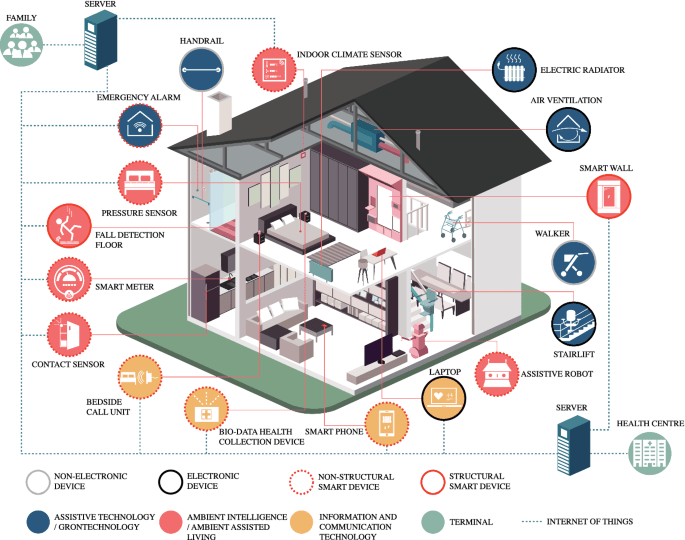
Smart home technology offers numerous benefits for older adults, enhancing safety and convenience. By integrating voice command systems and smart devices, you can control various aspects of your home, including lighting, security, and temperature, with ease. Smart home technology can also provide additional safety features, such as fall detection sensors and automated medication reminders.
2.3. Implementing Fire Safety Precautions
Fire safety should be a top priority in any home, especially for older adults who may have reduced mobility or slower reaction times. Ensure that smoke detectors are installed on every level of your home and interconnected to provide immediate alerts throughout the entire space. Test smoke detectors regularly and replace batteries as needed. Consider installing carbon monoxide detectors to detect any potential leaks.
2.4. Monitoring Medication Intake
As medication regimens become more complex with age, it is essential to establish a reliable system for medication management. Use pill organizers or electronic pill dispensers with built-in alarms to help you remember to take your medication on time. Consider utilizing medication management apps or services that can send reminders and track prescriptions to prevent any missed doses.
2.5. Installing Smoke and Carbon Monoxide Detectors
Smoke and carbon monoxide are major safety concerns for any home. Install smoke detectors on every level of your home, inside bedrooms, and outside sleeping areas. Make sure to test the smoke detectors regularly and replace batteries at least once a year. Additionally, install carbon monoxide detectors near sleeping areas and any fuel-burning appliances to protect against this odorless and potentially lethal gas.
2.6. Creating Emergency Exit Plans
Developing an emergency exit plan is crucial for any home, especially when aging in place. Identify all possible exits and ensure that they are clear and easily accessible. Establish a meeting point outside the home in case of evacuation and communicate the plan with family members or caregivers. Practice the emergency exit plan regularly to ensure everyone is familiar with the procedure.
2.7. Ensuring Effective Communication Systems
Effective communication systems are critical for maintaining safety and peace of mind. Install landline phones or utilize mobile phones with clear and simple interfaces. Consider devices with larger buttons and screens for better visibility and ease of use. If necessary, invest in voice-activated devices or emergency communication systems that allow you to call for help with a simple voice command.
2.8. Using Anti-slip Mats and Treads
Preventing slips and falls is key to home safety. Placing anti-slip mats or adhesive treads in high-risk areas, such as stairs and bathroom floors, can significantly reduce the likelihood of accidents. These mats and treads are designed to provide extra traction and stability, helping you maintain your balance even on slippery surfaces.
2.9. Installing Video Doorbells
Video doorbells offer an additional layer of security and convenience for older adults. With a video doorbell, you can see and speak to visitors without having to open the door. This allows you to verify the identity of visitors, deterring potential intruders or scam artists. Some video doorbells also include motion sensors and can send alerts to your smartphone or other connected devices.
2.10. Employing Motion Sensor Lighting
Motion sensor lighting is a simple yet effective way to enhance safety and convenience in your home. By automatically turning on lights when motion is detected, the need for manual switches is eliminated. This is particularly beneficial for nighttime navigation or situations where your hands may be occupied. Install motion sensor lighting in hallways, staircases, and other frequently used areas to ensure well-lit and safe pathways.
3. Addressing Mobility and Accessibility
Maintaining mobility and accessibility within your home is crucial for aging in place. Here are ten suggestions for modifying your living space to accommodate mobility limitations and make daily activities more manageable.
3.1. Installing Stairlifts
Stairlifts are an excellent solution for individuals with limited mobility who have difficulty navigating stairs. By installing a stairlift, you can easily move between floors without the need for physical exertion or assistance. Stairlifts typically consist of a seat attached to a rail that is mounted along your staircase. They can be customized to fit your specific staircase design and can be folded up when not in use to save space.
3.2. Adding Elevators or Chairlifts
For multi-floor homes, adding elevators or chairlifts can be a more comprehensive accessibility solution. Elevators provide vertical access to all levels of your home, making it easier to move between floors without using stairs. Chairlifts, on the other hand, are attached to staircases and allow individuals to be seated while being safely transported up and down. Depending on your needs and home design, either option can greatly improve accessibility.
3.3. Creating Multilevel Entryways
Multilevel entryways, or zero-step entrances, are designed to eliminate physical barriers when entering or exiting your home. Instead of traditional steps, multilevel entryways consist of gentle slopes or ramps that provide smooth transitions between the outdoor and indoor spaces. These ramps can be constructed with materials that ensure good traction and durability, allowing for safe and easy entry for individuals with mobility aids.
3.4. Designing Wheelchair-Accessible Spaces
If you or your loved ones rely on a wheelchair for mobility, it is essential to design spaces that are easily maneuverable. Doorways and hallways should be wide enough to accommodate wheelchair widths, typically around 36 inches. Ensure that floors are level and free from obstacles. Consider creating turning spaces or clear areas in rooms to allow for easy navigation and wheelchair movement.
3.5. Implementing Home Automation Systems
Home automation systems can significantly enhance accessibility by allowing you to control various aspects of your home with minimal physical effort. Through smart devices and voice control systems, you can adjust lighting, temperature, and even open or close doors and windows. Home automation systems can be customized to suit your specific needs, making tasks such as adjusting blinds or turning on appliances more manageable.
3.6. Using Voice-activated Assistants
Voice-activated assistants, such as Amazon Alexa or Google Assistant, are becoming increasingly popular for their convenience and accessibility. These smart devices can be paired with various technologies and appliances throughout your home, allowing you to control them with a simple voice command. From turning on lights to adjusting the thermostat, voice-activated assistants provide a hands-free approach to managing your living environment.
3.7. Utilizing Adjustable Furniture
Adjustable furniture can significantly improve comfort and usability, particularly for individuals with mobility challenges. Look for adjustable beds, chairs, and tables that allow you to change height or position with ease. These pieces of furniture can be adjusted to accommodate specific needs, such as providing a higher seat or raising a table for easier access from a wheelchair.
3.8. Installing Lift-assist Devices
Lift-assist devices, such as handrails or transfer poles, can help individuals with limited mobility maintain independence. These devices provide additional support and stability when moving from sitting to standing positions or getting in and out of bed. Install lift-assist devices in strategic locations, such as next to beds, chairs, or toilets, to enable safer and more manageable movements.
3.9. Incorporating Portable Ramps
Portable ramps offer versatility and convenience for individuals using mobility aids such as wheelchairs or walkers. These lightweight ramps can be easily moved and used to bridge height differences, such as stairs or curbs, both inside and outside your home. Whether you need to navigate a single step or uneven surfaces, portable ramps provide a temporary solution that promotes accessibility and independent living.
3.10. Improving Visibility and Signage
As vision deteriorates with age, improving visibility and implementing clear signage is crucial for maintaining safety and mobility. Ensure that your home is well-lit, especially in hallways, staircases, and entryways. Use bright, contrasting colors for signage and consider adding tactile markers or raised lettering for better visibility. Make sure that light switches, thermostats, and other controls are easy to locate and use.
4. Promoting Health and Wellness
Creating a home environment that prioritizes health and wellness is essential for aging in place. By incorporating features that encourage exercise, access to natural light, and relaxation, you can support your physical and mental well-being.
4.1. Designing Exercise Areas
Designating specific areas in your home for exercise can encourage regular physical activity. Set aside a dedicated space for activities such as stretching, yoga, or light strength training. Ensure that the area is well-lit, well-ventilated, and equipped with fitness accessories that suit your needs and abilities. Having an accessible exercise area at home eliminates potential barriers and increases the likelihood of consistent exercise routines.
4.2. Installing Home Gyms
For more comprehensive fitness routines, consider installing a home gym. Home gyms can be customized to suit your preferences and workout requirements. Include exercise equipment that accommodates your fitness goals and abilities, such as treadmills, stationary bikes, or weightlifting machines. Ensure that the space is properly ventilated and well-lit to create a comfortable and inviting exercise environment.
4.3. Incorporating Universal Design Principles
Universal design principles aim to create living spaces that are inherently accessible to people of all ages and abilities. By incorporating these principles into your home, you can ensure that it remains functional and inclusive for years to come. Features such as wide doorways, open floor plans, and lever handles are examples of universal design elements that prioritize accessibility and adaptability.
4.4. Encouraging Natural Light Exposure
Exposure to natural light has numerous benefits for both physical and mental health. Ensure that your home is designed to maximize natural light, allowing ample sunlight to enter living spaces. Open curtains or blinds during the day to let in natural light while ensuring privacy. Consider adding skylights or larger windows to areas where natural light may be limited. Natural light promotes a positive mood, enhances vitamin D production, and helps regulate sleep cycles.
4.5. Creating Relaxation Spaces
Creating designated relaxation spaces in your home is essential for stress reduction and overall well-being. Design areas that promote relaxation and comfort, such as cozy reading nooks or serene meditation rooms. Choose furniture and decor that encourages relaxation and a sense of calm. Incorporate soft lighting, comfortable seating, and soothing elements such as plants or water features to create a peaceful atmosphere.
4.6. Ensuring Proper Ventilation
Proper ventilation is essential for maintaining good indoor air quality and preventing the buildup of pollutants or allergens. Ensure that your home has adequate ventilation systems in place, such as exhaust fans in bathrooms and kitchens. Open windows regularly to allow fresh air to circulate throughout your living spaces. Consider installing air purifiers or filters to remove airborne particles and improve respiratory health.
4.7. Installing Water Filtration Systems
Water quality is crucial for overall health and well-being. Installing water filtration systems, such as under-sink filters or whole-house filtration systems, can ensure that the water you consume and use for daily activities is clean and free from contaminants. Water filtration systems remove impurities and improve taste, making it easier to stay hydrated and maintain good health.
4.8. Using Ergonomic Furniture
Ergonomic furniture is designed to support proper body alignment and reduce strain and discomfort. Invest in ergonomic chairs, desks, and mattresses that promote good posture and minimize the risk of musculoskeletal issues. Consider adjustable-height furniture that allows you to personalize the fit based on your individual needs. Ergonomically designed furniture can alleviate aches and pains and contribute to overall physical well-being.
4.9. Integrating Home Healthcare Equipment
If you require home healthcare equipment, ensuring it is properly integrated into your living environment is vital for safety and accessibility. Install grab bars near shower areas or toilets, and designate storage spaces to keep necessary medical supplies organized and accessible. Consider the layout of your home to ensure there is ample space to maneuver and operate equipment such as wheelchairs or mobility aids.
4.10. Employing Dementia-friendly Design
For individuals living with dementia or cognitive decline, incorporating dementia-friendly design principles is essential for their safety and well-being. Minimize glare and visual distractions by using calming color palettes and decluttering living spaces. Clearly label rooms and provide visual cues to aid navigation, such as large-print signs or color-coded doors. Secure potentially dangerous areas, such as stoves or electrical outlets, and ensure that your home is secure to prevent wandering.

5. Incorporating Assistive Technology
Assistive technology plays a significant role in promoting independence and maintaining safety for older adults. By incorporating devices and systems that enhance medication management, emergency response, and overall health monitoring, you can have peace of mind knowing that you have additional support.
5.1. Using Electronic Pill Dispensers
Electronic pill dispensers offer an automated and foolproof way to manage medications. These devices can be programmed to dispense the correct dosage at scheduled times, complete with alarms or reminders to prompt medication intake. Some electronic pill dispensers can even notify caregivers or family members if a dose is missed, ensuring medication adherence and minimizing potential risks.
5.2. Implementing Personal Emergency Response Systems
Personal emergency response systems are essential for older adults living alone or with mobility challenges. These systems typically include wearable devices, such as pendants or wristbands, that can be activated to summon help in case of an emergency. When activated, the device connects to a base station or directly to emergency responders, providing quick access to assistance when needed.
5.3. Installing Fall Detection Devices
Fall detection devices are designed to automatically detect falls and trigger an alert for immediate assistance. These devices can be worn as pendants, wristbands, or integrated into wearable technology, and utilize advanced sensors to detect sudden changes in motion or impact. Fall detection devices can be lifesaving, especially if you live alone or have difficulty getting up after a fall.
5.4. Utilizing Telehealth Services
Telehealth services leverage technological advancements to provide remote healthcare consultations and monitoring. By utilizing video calls or digital platforms, you can connect with healthcare professionals from the comfort of your home. Telehealth services can be particularly beneficial for routine check-ups, medication management, or monitoring chronic conditions, enabling easier access to healthcare resources.
5.5. Employing Wearable Health Monitors
Wearable health monitors, such as fitness trackers or smartwatches, offer continuous tracking of vital signs and physical activity. These devices can measure metrics such as heart rate, blood pressure, and sleep patterns, providing valuable insights into your overall health and well-being. Wearable health monitors can detect irregularities or changes that may require medical attention, allowing you to proactively manage your health.
5.6. Using Smart Thermometers
Smart thermometers offer a modern and convenient way to monitor body temperature accurately. These devices can connect to smartphones or other smart devices, providing real-time temperature readings and vital health information. Smart thermometers can be especially useful for individuals with chronic illnesses or underlying health conditions that necessitate regular temperature monitoring.
5.7. Installing Smart Home Assistants
Smart home assistants, such as Amazon Alexa or Google Assistant, offer more than just voice control capabilities. These devices can provide a wide range of services, from answering questions and playing music to ordering groceries and setting reminders. Smart home assistants can be especially helpful for older adults by providing easy access to information and assisting with various tasks.
5.8. Using Smart Home Security Systems
Smart home security systems offer advanced features to enhance safety and protect against potential intruders. These systems often include elements such as video surveillance, motion sensors, and remote monitoring capabilities. By integrating smart home security systems, you can have greater peace of mind knowing that your home is secured, and any suspicious activities can be detected and reported.
5.9. Employing Voice-activated Appliances
Voice-activated appliances contribute to an accessible and user-friendly home environment. By utilizing voice commands, you can easily control various appliances, such as coffee makers, ovens, or thermostats, without the need for physical manipulation. Voice-activated appliances provide convenience and ensure that daily tasks can be accomplished with minimal effort and strain.
5.10. Utilizing Remote Home Monitoring Systems
Remote home monitoring systems enable you or your caregivers to keep an eye on your home when you are away. These systems often use cameras or sensors to monitor activity and provide real-time updates via smartphone or computer. Remote home monitoring systems are particularly useful for individuals who frequently travel or have caregivers monitoring their living space.
By proactively adapting your physical environment, enhancing safety measures, addressing mobility and accessibility, promoting health and wellness, and incorporating assistive technology, you can create a longevity-focused home environment that supports aging in place. Remember to assess your unique needs and consult with professionals when necessary to ensure optimal results. With the right modifications and adjustments, your home can be transformed into a safe, comfortable, and inclusive space that promotes your overall well-being as you age.
