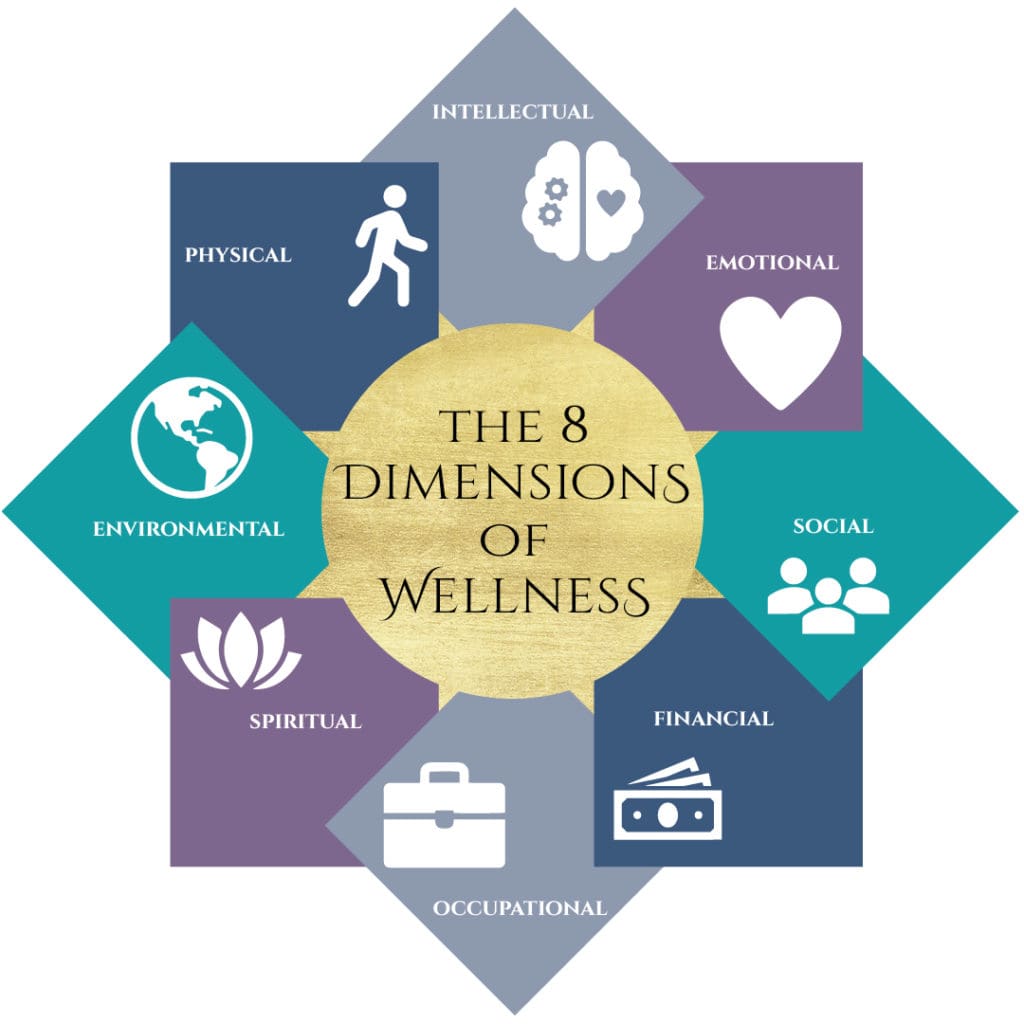
Let’s talk about the importance of creating a positive and nourishing environment for wellness. In today’s fast-paced world, it’s essential to prioritize our well-being and take deliberate steps towards maintaining a healthy lifestyle. But what exactly does it mean to create such an environment? Well, it involves surrounding yourself with positive influences, cultivating healthy habits, and embracing a mindset that promotes growth and self-care. In this article, we’ll explore some practical tips and strategies to help you create the perfect atmosphere that supports your overall wellness and fosters positive change. So, let’s dive in and discover the transformative power of creating a positive and nourishing environment for your well-being.

Physical Environment
Clean and organized space
A clean and organized space is crucial for creating a positive and nourishing environment for wellness. When your workspace is clutter-free and tidy, it becomes easier to focus and be productive. A clean environment also reduces the risk of accidents and promotes overall safety. By keeping your space organized, you can easily find the things you need and avoid unnecessary stress or frustration.
Natural lighting and fresh air
Natural lighting and fresh air are essential elements of a positive and nourishing environment for wellness. Exposure to natural light has numerous benefits, including improving mood, boosting productivity, and regulating sleep patterns. Opening windows or having proper ventilation can also enhance air quality, which is important for respiratory health. By incorporating natural lighting and fresh air into your surroundings, you can create a more vibrant and invigorating atmosphere.
Comfortable furniture and equipment
Having comfortable furniture and equipment is essential for maintaining physical well-being and preventing discomfort or injury. Ergonomic chairs and desks can provide proper support for your posture, reducing the risk of back pain and musculoskeletal issues. Additionally, well-designed tools and equipment can enhance efficiency and reduce strain on your body. Investing in comfortable and ergonomic furniture and equipment can greatly contribute to your overall well-being in the workplace.
Mental Environment
Positive and supportive atmosphere
A positive and supportive atmosphere is fundamental for promoting well-being in the workplace. When you are surrounded by positivity, it fosters a sense of optimism and motivation. A supportive environment encourages collaboration, problem-solving, and personal growth. By cultivating a positive and supportive atmosphere, you not only enhance your own mental well-being but also contribute to a healthier and happier work environment for everyone.
Clear communication channels
Clear communication channels are vital for maintaining a healthy and productive work environment. When communication is open and transparent, it improves understanding, minimizes misunderstandings, and promotes effective collaboration. Clear communication channels also ensure that everyone is on the same page, which avoids confusion and enhances overall productivity. Strive to establish clear and open lines of communication with your colleagues and superiors to foster a harmonious work environment.
Mental health resources and support
Having access to mental health resources and support is crucial for creating a positive and nourishing environment for wellness. Companies that prioritize mental well-being often provide resources such as counseling services, employee assistance programs, or workshops on stress management and mindfulness. It’s essential to take advantage of these resources and seek help when needed. By prioritizing mental health support, you can improve your overall well-being and contribute to a workplace culture that values mental wellness.
Emotional Environment
Emotional safety and trust
Emotional safety and trust are foundations for a positive and nourishing environment for wellness. Feeling emotionally safe at work means being able to openly express yourself, share your thoughts and feelings, without fear of judgment or retaliation. Trust among colleagues and superiors fosters a supportive and inclusive atmosphere where individuals can thrive. Cultivating emotional safety and trust requires active listening, empathy, and respect for one another’s perspectives and experiences.
Respectful and empathetic interactions
Respectful and empathetic interactions are essential for creating a positive and nourishing emotional environment. Treating others with respect and empathy promotes a sense of belonging, trust, and overall well-being. By actively listening and empathizing with others, you can build stronger connections and foster a harmonious work environment. Remember that each person’s emotions and experiences are valid, and practicing empathy can go a long way in creating a supportive and uplifting atmosphere.
Encouragement of self-expression
Encouraging self-expression is vital for fostering a positive and nourishing emotional environment in the workplace. When individuals feel free to express their ideas, thoughts, and emotions, it promotes creativity, collaboration, and personal growth. Embracing diverse perspectives and encouraging individuality cultivates an inclusive environment where everyone feels valued and empowered. By embracing self-expression, you contribute to a workplace culture that celebrates each person’s unique qualities and fosters overall well-being.
Social Environment
Inclusion and diversity
Creating a social environment that embraces inclusion and diversity is crucial for fostering a positive and nourishing workplace. Embracing diversity means celebrating and valuing individual differences such as race, gender, age, sexual orientation, and abilities. By promoting inclusivity, you can create a sense of belonging and equality for all employees. Encouraging diverse perspectives and experiences enhances creativity, collaboration, and overall well-being in the workplace.
Creating connections and community
Creating connections and a sense of community within the workplace is essential for promoting a positive and nourishing social environment. Building relationships with colleagues not only enhances teamwork but also improves job satisfaction and overall well-being. Encouraging social interactions through team-building activities, social events, or mentorship programs can foster a supportive and cohesive work environment. By creating connections and a sense of community, you can contribute to a positive social atmosphere that enhances overall wellness.
Collaborative and teamwork opportunities
Offering collaborative and teamwork opportunities is vital for cultivating a positive and nourishing social environment. Collaboration and teamwork promote effective communication, trust, and innovation. By working together towards a common goal, employees feel a sense of purpose and belonging. Providing opportunities for collaboration, such as group projects or team-building exercises, can foster a positive and inclusive social environment that promotes overall well-being.

Nutritional Environment
Access to healthy food options
Having access to healthy food options is crucial for promoting well-being in the workplace. A diet that includes fruits, vegetables, whole grains, and lean proteins provides essential nutrients needed for optimal health and energy levels. Companies can support healthy eating habits by offering nutritious food options in cafeterias, vending machines, or snack areas. By making healthy food choices readily available, employers can contribute to the physical well-being of their employees.
Education about balanced nutrition
Providing education about balanced nutrition is essential for creating a positive and nourishing nutritional environment. Many employees may lack knowledge about proper nutrition and how it affects their overall health. Offering workshops, seminars, or resources on healthy eating habits and balanced nutrition can empower employees to make informed food choices. By promoting education about nutrition, employers can support their employees in maintaining a healthy lifestyle.
Promoting mindful eating habits
Promoting mindful eating habits is crucial for a positive and nourishing nutritional environment. Mindful eating involves being aware of your eating habits, paying attention to hunger and fullness cues, and savoring each bite. Encouraging employees to take mindful breaks during mealtimes, away from their desks or workstations, promotes healthier eating habits. Creating a culture that values and supports mindful eating habits can contribute to improved digestion, reduced stress, and overall well-being.
Wellness Programs and Activities
Offering fitness classes and workshops
Offering fitness classes and workshops is an excellent way to promote physical well-being and create a positive and nourishing wellness environment in the workplace. Regular exercise has numerous benefits, including improved mood, increased energy levels, and reduced risk of chronic diseases. By providing on-site fitness classes or workshops, companies can encourage employees to incorporate physical activity into their daily routine, ultimately contributing to a healthier and happier workforce.
Meditation and stress-relief activities
Incorporating meditation and stress-relief activities into the workplace is essential for promoting mental and emotional well-being. Meditation has been proven to reduce stress, improve focus, and promote overall mental clarity. Offering guided meditation sessions or designated quiet areas for relaxation can create a peaceful and rejuvenating atmosphere. By incorporating stress-relief activities, such as yoga or mindfulness workshops, employers can support their employees in managing stress and improving their overall well-being.
Promoting work-life balance
Promoting work-life balance is crucial for creating a positive and nourishing wellness environment. Striking a healthy balance between work and personal life is key to avoiding burnout and maintaining a sense of well-being. Companies can support work-life balance by implementing flexible working hours, encouraging employees to take regular breaks and vacations, and setting realistic expectations regarding workload. By prioritizing work-life balance, employers contribute to a healthier and more fulfilled workforce.
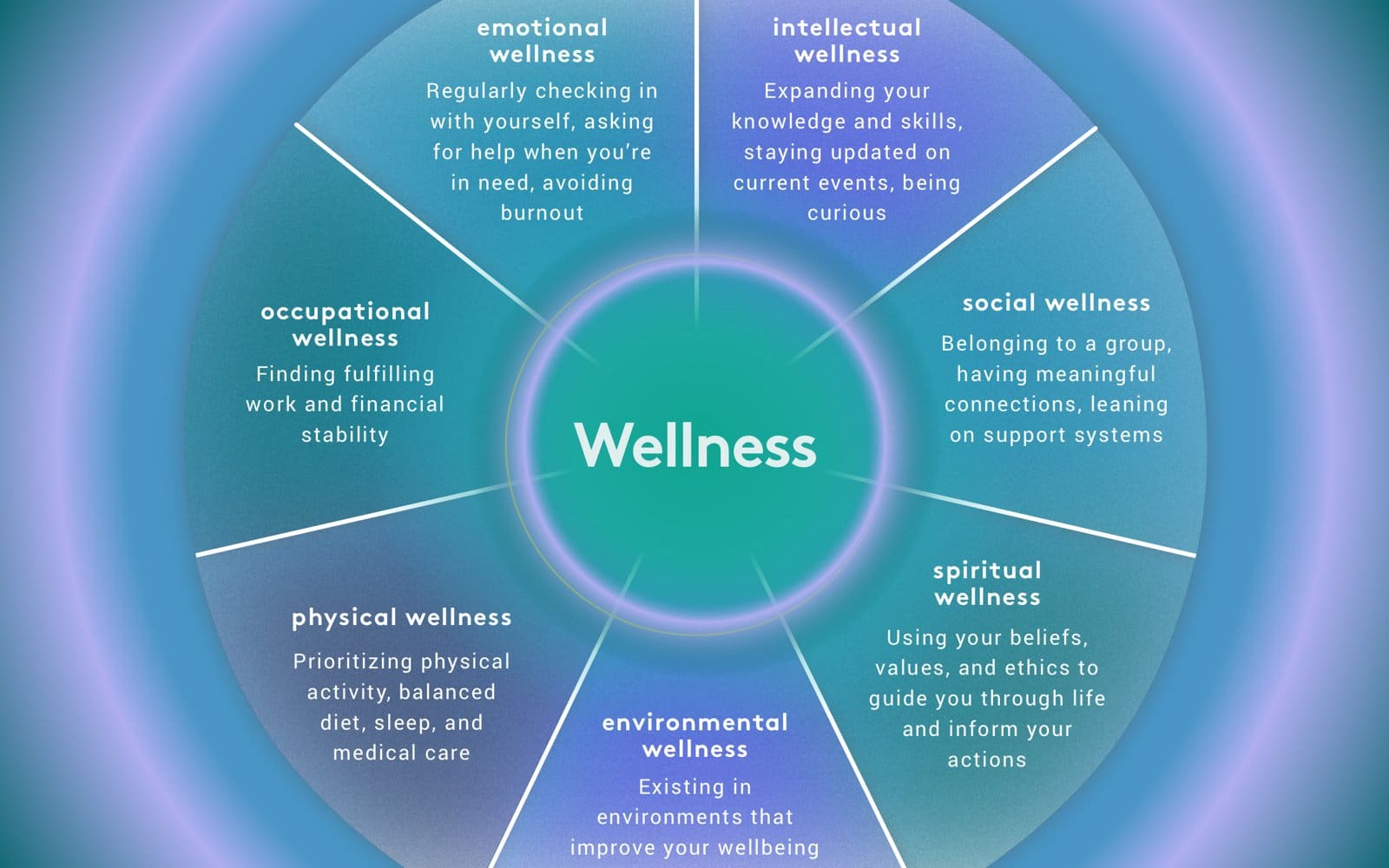
Workplace Policies
Flexibility and remote work options
Providing flexibility and remote work options is an important aspect of creating a positive and nourishing wellness environment in the workplace. Flexibility allows employees to balance their personal and professional commitments effectively. It can include options such as flexible working hours, compressed workweeks, or remote work arrangements. By offering flexibility and remote work options, employers acknowledge the diverse needs of their employees and promote a healthier work-life integration.
Support for parental leave and caregiving
Supporting parental leave and caregiving is crucial for fostering a positive and nourishing workplace environment. Becoming a parent or taking on caregiving responsibilities can be demanding both physically and emotionally. Companies that offer parental leave, flexible schedules, or on-site childcare services show their commitment to supporting employees during these important life stages. By providing support for parental leave and caregiving, employers contribute to a work environment that promotes overall well-being and employee satisfaction.
Promoting work-life integration
Promoting work-life integration is essential for creating a positive and nourishing wellness environment in the workplace. Work-life integration involves finding a harmonious blend of work and personal life, where both aspects enrich one another. This approach allows individuals to pursue personal interests, spend time with family and friends, and engage in activities that promote their overall well-being. By promoting work-life integration, employers recognize the importance of holistic well-being and support their employees in leading fulfilling lives.
Personal Development
Opportunities for learning and growth
Providing opportunities for learning and growth is vital for creating a positive and nourishing environment for personal development. When employees have access to training programs, workshops, or conferences, they can enhance their skillset and knowledge. Continuous learning not only contributes to professional growth but also promotes personal fulfillment and a sense of accomplishment. Employers can support personal development by offering development opportunities and encouraging employees to set and achieve their goals.
Encouraging self-reflection and goal-setting
Encouraging self-reflection and goal-setting is crucial for promoting personal development in the workplace. Taking time for self-reflection allows individuals to assess their strengths, areas for improvement, and personal goals. Employers can encourage self-reflection by providing opportunities for regular feedback, self-assessments, or personal development plans. Setting individual goals and tracking progress fosters motivation, growth, and overall well-being. By promoting self-reflection and goal-setting, employers empower their employees to take ownership of their personal and professional development.
Providing mentorship and coaching
Providing mentorship and coaching opportunities is essential for fostering personal development in the workplace. Mentors and coaches provide guidance, support, and expertise to individuals seeking professional and personal growth. Pairing employees with mentors or offering coaching programs can enhance skills, increase confidence, and accelerate career advancement. By providing mentorship and coaching, employers invest in their employees’ potential and contribute to a positive and nourishing environment for personal development.

Physical Health Support
Access to healthcare resources
Having access to healthcare resources is crucial for promoting physical health and well-being in the workplace. Companies can support their employees by providing health insurance, access to healthcare professionals, or onsite wellness clinics. Regular health check-ups, preventive screenings, and vaccinations contribute to early detection and effective management of health conditions. By offering healthcare resources, employers prioritize the physical well-being of their employees and contribute to a healthier workforce.
Providing ergonomic equipment
Providing ergonomic equipment is vital for supporting physical health in the workplace. Ergonomic chairs, standing desks, and proper computer setups contribute to good posture and reduce the risk of musculoskeletal disorders. Employers can invest in ergonomic equipment and educate employees on proper ergonomics to minimize workplace injuries and enhance overall comfort. By prioritizing ergonomic equipment, employers demonstrate their commitment to the physical well-being and safety of their workforce.
Encouraging regular physical activity
Encouraging regular physical activity is essential for promoting physical well-being in the workplace. Engaging in physical activity has numerous health benefits, including improved cardiovascular health, enhanced energy levels, and reduced stress. Employers can promote physical activity by organizing fitness challenges, sponsoring gym memberships, or providing designated exercise areas. By encouraging regular physical activity, employers create a supportive environment that prioritizes the physical well-being of their employees.
Environmental Sustainability
Implementing eco-friendly practices
Implementing eco-friendly practices is crucial for creating a positive and nourishing environment for sustainability. By incorporating energy-saving measures, reducing waste, and using eco-friendly materials, companies can minimize their impact on the environment. Implementing practices such as paperless offices, recycling programs, and energy-efficient technologies promotes environmental sustainability and demonstrates social responsibility. By prioritizing eco-friendly practices, employers contribute to a healthier planet and inspire employees to adopt sustainable habits.
Reducing waste and promoting recycling
Reducing waste and promoting recycling are important steps towards creating a positive and nourishing sustainability environment. Companies can implement recycling programs, provide recycling bins, and encourage employees to reduce, reuse, and recycle. By raising awareness about the environmental impact of waste and promoting recycling, employers foster a culture of sustainability and show their commitment to protecting the planet. Small changes in waste management practices can make a significant difference in creating a more sustainable workplace.
Supporting conservation initiatives
Supporting conservation initiatives is crucial for promoting a positive and nourishing environment for sustainability. Companies can contribute to conservation efforts by supporting local environmental organizations or participating in community clean-up events. By engaging employees in conservation initiatives, employers foster a sense of environmental responsibility and show their commitment to preserving natural resources. By supporting conservation initiatives, employers can create a workplace culture that values sustainability and inspires positive change.
In conclusion, creating a positive and nourishing environment for wellness involves various aspects of the physical, mental, emotional, social, and environmental well-being of individuals in the workplace. By prioritizing these different elements, companies can cultivate a work environment that supports the overall well-being and satisfaction of their employees. From promoting open communication and diversity to providing access to healthcare resources and implementing sustainable practices, employers have the power to create a healthier and more fulfilling workplace. Remember, your well-being matters, and by prioritizing wellness in the workplace, you can thrive both professionally and personally.