Imagine a world where you possess the power to conquer any challenge that comes your way, effortlessly bouncing back from setbacks with unwavering determination. Achieving this mental fortitude may seem like an elusive feat, but it is well within your reach. By cultivating a growth mindset, you can develop the resilience needed to overcome obstacles and thrive in the face of adversity. In this article, we will explore the concept of a growth mindset and delve into practical strategies that can help you build mental resilience. Brace yourself for a journey of self-discovery and empowerment as you embark on the path towards cultivating a growth mindset for unparalleled mental strength.
Understanding the Growth Mindset
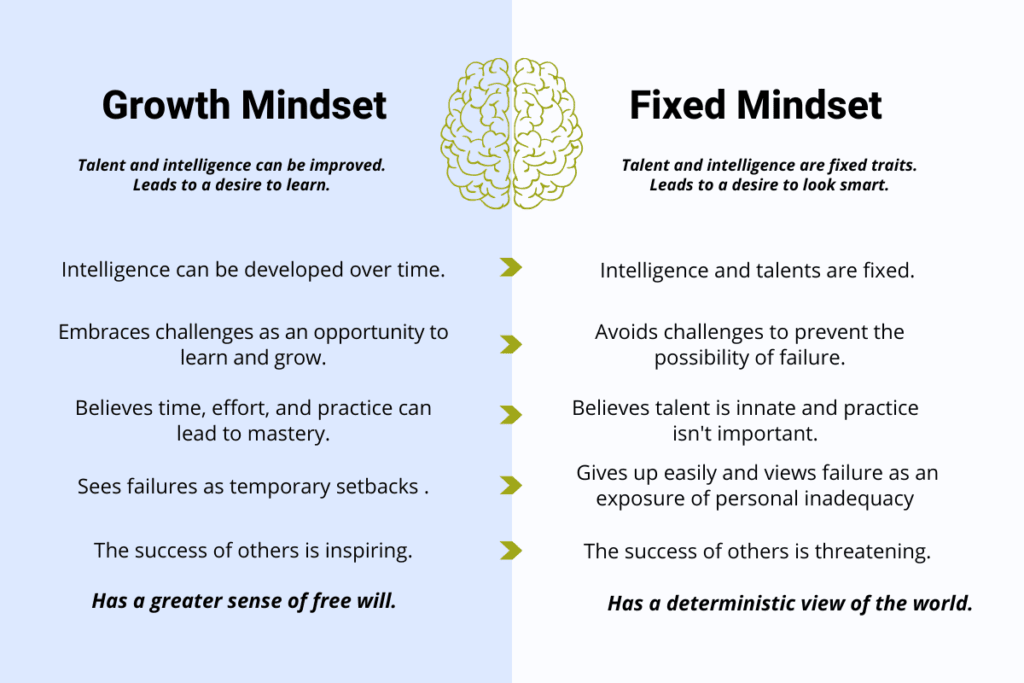
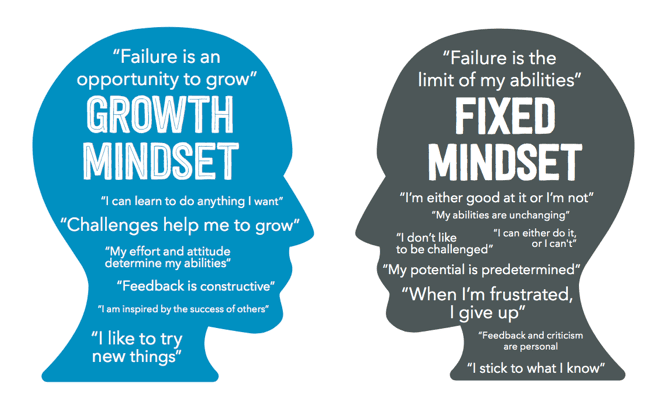
The growth mindset is a mindset that believes in the power of learning and growth. It is the belief that intelligence and abilities can be developed through hard work, dedication, and perseverance. People with a growth mindset see challenges and failures as opportunities for growth and learning, rather than setbacks or signs of their own limitations. They understand that effort and persistence are key to achieving success and are willing to put in the necessary work to reach their goals.
On the other hand, a fixed mindset is the belief that intelligence and abilities are innate and cannot be changed. People with a fixed mindset tend to avoid challenges, fearing failure and the potential for their shortcomings to be exposed. They may give up easily when faced with obstacles and believe that their skills are fixed and cannot be improved.
Developing Self-awareness
Recognizing your current mindset is an essential first step in cultivating a growth mindset. Take a moment to reflect on your beliefs about intelligence and abilities. Do you believe that your talents and skills are fixed, or do you believe that you have the capacity to learn and grow? Being aware of your mindset can help you become more open to opportunities for growth and development.
Identifying limiting beliefs is another crucial aspect of self-awareness. Reflect on any negative thoughts or beliefs you may have about yourself and your abilities. These self-limiting beliefs can hold you back from reaching your full potential. By identifying and challenging these beliefs, you can start to break free from the constraints they impose on you.
Examining your attitudes towards challenges and failures is also important in developing self-awareness. How do you typically react when faced with a difficult task or when you make a mistake? Do you view it as an opportunity to learn and grow, or do you see it as a personal failure? By shifting your perspective and embracing challenges and failures as learning opportunities, you can develop a more growth-oriented mindset.
Embracing Challenges
Viewing challenges as opportunities is a fundamental aspect of the growth mindset. Instead of avoiding challenges out of fear of failure, see them as chances to learn and improve. Embracing challenges allows you to develop new skills, expand your knowledge, and build resilience. It also helps you build confidence in your ability to overcome obstacles and achieve your goals.
Setting goals and taking risks are essential in cultivating a growth mindset. By setting clear and achievable goals, you can stay focused and motivated. Take calculated risks and step out of your comfort zone to gain new experiences and learn from them. Remember that setbacks and failures are a natural part of the learning process, and they provide valuable opportunities for growth.
Seeking out new experiences is another way to embrace challenges and foster a growth mindset. Be open to trying new things and venturing into unfamiliar territory. This can broaden your horizons, expose you to different perspectives, and help you develop new skills and knowledge. By continuously seeking out new experiences, you are actively engaging in personal growth and development.
Cultivating a Love for Learning
Emphasizing the process over the outcome is a key aspect of cultivating a growth mindset. Instead of solely focusing on the end result, focus on the journey and the learning that takes place along the way. Celebrate your progress and the effort you put in, regardless of the outcome. By shifting your focus to the process, you can maintain motivation and a love for learning.
Engaging in lifelong learning is essential in maintaining a growth mindset. Take advantage of every opportunity to acquire new knowledge and skills. Whether it’s through formal education, online courses, or self-directed learning, continue to expand your understanding and expertise in areas of interest. Lifelong learning keeps your mind open, adaptable, and ready to embrace new challenges.
Seeking feedback and constructive criticism is another way to cultivate a love for learning. Be willing to listen to feedback from others and use it as an opportunity to grow and improve. Constructive criticism provides valuable insights and perspectives that can help you see areas for growth that you may have overlooked. By seeking feedback, you can continuously refine your skills and become better in various aspects of your life.

Developing Persistence and Grit
Maintaining effort and determination is crucial in developing a growth mindset. Understand that progress and growth take time and require consistent effort. When faced with challenges or setbacks, stay persistent and keep going. Perseverance is key to overcoming obstacles and achieving your goals.
Overcoming setbacks and obstacles is an essential part of the growth mindset. Instead of giving up when faced with adversity, see it as an opportunity to learn and grow. Take a moment to reflect on what went wrong, identify areas for improvement, and develop a plan to move forward. By embracing setbacks as learning experiences, you can bounce back stronger and more resilient than before.
Learning from failures and setbacks is an integral part of developing a growth mindset. Understand that failure is not the end but rather a stepping stone towards success. Reflect on your failures, analyze what went wrong, and use those lessons to improve and grow. By embracing failure as a learning opportunity, you can develop resilience and bounce back stronger.
Adopting a Positive Mindset
Practicing gratitude and optimism are powerful tools in adopting a positive mindset. Focus on the things you are grateful for and express gratitude regularly. This can shift your perspective towards positivity and help you appreciate the journey and the opportunities for growth. Cultivate an optimistic outlook, believing in your ability to overcome challenges and achieve your goals.
Fostering a positive inner dialogue is another crucial aspect of adopting a positive mindset. Pay attention to your thoughts and replace negative self-talk with positive affirmations. Instead of focusing on what you cannot do, emphasize your strengths and what you have already accomplished. By cultivating a positive inner dialogue, you can build confidence and resilience.
Surrounding yourself with positive influences is important in adopting a positive mindset. Choose to spend time with people who support and encourage your growth. Seek out mentors and role models who exemplify a growth mindset. The attitudes and beliefs of those around you can greatly influence your own mindset, so surround yourself with positivity and inspiration.

Building Resilience
Managing stress and adversity is essential for building resilience. Develop healthy coping mechanisms to deal with stress and difficult situations. This may include exercise, meditation, deep breathing, or engaging in hobbies and activities that bring you joy. By managing stress effectively, you can maintain mental resilience and a growth-oriented mindset.
Developing coping mechanisms is another important aspect of building resilience. Identify healthy strategies that help you bounce back from setbacks and maintain a positive mindset. This may involve seeking support from friends or family, journaling, practicing mindfulness, or seeking professional help if needed. Building a toolbox of coping mechanisms will empower you to handle challenges with greater resilience.
Building a support network is crucial in building resilience. Surround yourself with individuals who provide emotional support, guidance, and encouragement. Lean on your support network during times of difficulty, and offer support to others in return. Having a strong support system can help you navigate challenges and maintain a growth mindset.
Cultivating Emotional Intelligence
Developing self-awareness and self-regulation is essential in cultivating emotional intelligence. Pay attention to your emotions and how they influence your thoughts and behaviors. Develop strategies to manage your emotions effectively and regulate them in a healthy way. By developing emotional self-awareness and regulation, you can navigate challenges with greater resilience and a growth mindset.
Understanding and empathizing with others is another crucial aspect of emotional intelligence. Cultivate empathy by putting yourself in others’ shoes and seeking to understand their perspectives and experiences. This not only strengthens your relationships but also expands your own understanding of the world. Building empathy enhances your ability to collaborate, communicate, and navigate challenges effectively.
Building strong relationships is important in cultivating emotional intelligence. Foster meaningful connections with others by investing time and effort into building rapport and trust. Strong relationships provide a support system and opportunities for growth and learning. By cultivating strong relationships, you can enhance your emotional intelligence and develop a growth-oriented mindset.
Practicing Mindfulness
Being present in the moment is a primary focus of practicing mindfulness. Pause and bring your awareness to the present moment, letting go of worries about the past or future. By practicing mindfulness, you can cultivate a sense of calm and clarity, allowing you to approach challenges with a growth mindset.
Developing mindfulness techniques is essential for incorporating mindfulness into your daily life. This may include activities such as meditation, deep breathing exercises, or mindful movement like yoga or tai chi. Find techniques that resonate with you and practice them regularly to enhance your ability to be present and cultivate a growth mindset.
Reducing anxiety and improving focus are additional benefits of practicing mindfulness. By cultivating a calm and focused mind, you can approach challenges with greater clarity and effectiveness. Mindfulness helps you regulate your emotions, reduce stress, and improve your overall well-being. By incorporating mindfulness practices into your daily routine, you can enhance your mental resilience and develop a growth mindset.
Continual Growth and Reflection
Setting aside time for self-reflection is important in fostering continual growth. Regularly reflect on your experiences, challenges, and accomplishments. Take stock of what you have learned and how you have grown. Self-reflection provides valuable insights and helps you make intentional choices for personal growth.
Celebrating small successes is another aspect of cultivating continual growth. Acknowledge and appreciate your progress, no matter how small. By celebrating small victories, you can maintain motivation and momentum on your growth journey. Recognize that growth is a continuous process, and each step forward is worth acknowledging and celebrating.
Seeking opportunities for personal growth is essential in fostering continual growth. Be proactive in seeking out new challenges, experiences, and learning opportunities. Attend workshops, seminars, or conferences related to your areas of interest. Engage in activities that push you outside of your comfort zone. By seeking opportunities for personal growth, you can continuously expand your skills, knowledge, and capabilities.
Cultivating a growth mindset takes time and effort, but the benefits are immeasurable. By embracing challenges, prioritizing learning, developing persistence, adopting a positive mindset, building resilience, cultivating emotional intelligence, practicing mindfulness, and fostering continual growth and reflection, you can unlock your full potential and achieve greater mental resilience. So take the first step today and start cultivating a growth mindset for a more fulfilling and resilient life.