
Welcome, dear reader, to an exploration of how to cultivate healthy coping strategies to navigate through life’s challenges. In this article, you will learn about the importance of facing adversity with resilience and positivity, and discover practical tips on how to develop effective methods for managing stress and overcoming obstacles. By incorporating these strategies into your daily routine, you will be better equipped to handle adversity with grace and fortitude. Let’s embark on this journey together towards a more resilient and empowered you. Have you ever wondered how some people seem to handle life’s challenges with grace and resilience while others struggle to cope with even minor setbacks? In this article, you will learn about developing healthy coping strategies for adversity. Whether you are facing a difficult situation right now or simply want to be better prepared for whatever life throws your way, these tips and techniques will help you navigate through tough times with strength and determination.
Understanding Adversity: What Is It and How Does It Affect You?
Adversity can take many forms, from major life changes such as losing a job or a loved one to everyday stressors like traffic jams or disagreements with family members. How you respond to adversity can have a significant impact on your mental and emotional well-being. By understanding what adversity is and how it affects you, you can begin to develop healthier coping strategies to navigate through challenging times.
Defining Adversity
Adversity refers to any difficult or unfavorable situation that you may encounter in life. It can manifest in various ways, such as setbacks, failures, conflicts, or unexpected challenges. Adversity is a normal part of life, and everyone experiences it at some point. It is how you respond to adversity that determines its impact on your overall well-being.
How Adversity Affects You
The way you respond to adversity can influence your mental, emotional, and physical health. Prolonged exposure to stress and difficult circumstances can lead to feelings of anxiety, depression, and burnout. It can also impact your relationships, work performance, and overall quality of life. By recognizing the signs of adversity and understanding its effects on you, you can take proactive steps to develop healthier coping mechanisms.
The Importance of Developing Healthy Coping Strategies
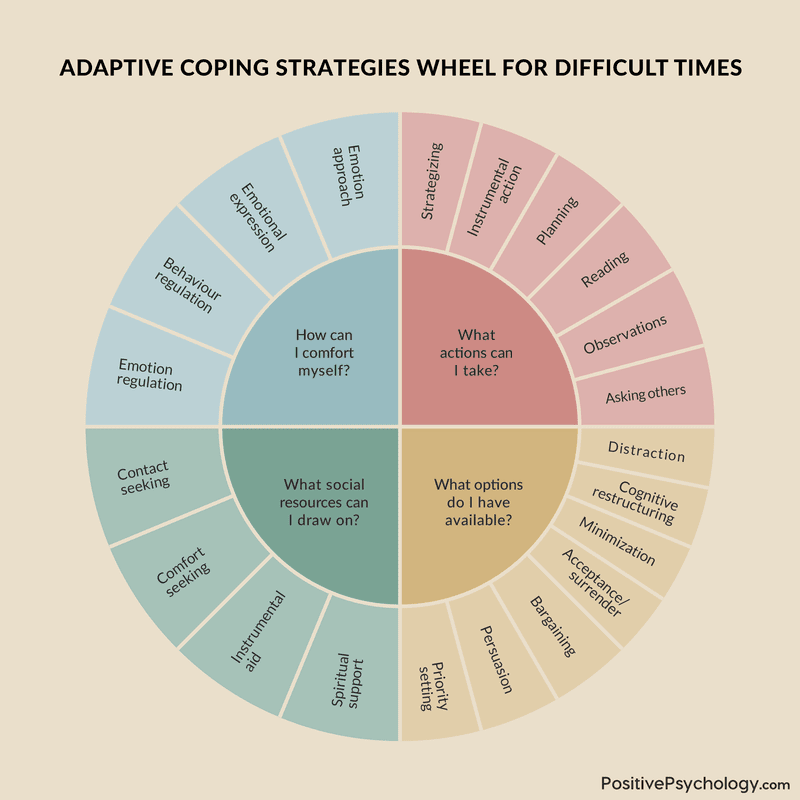
When faced with adversity, having healthy coping strategies can help you navigate through challenging times with resilience and strength. Coping strategies are the ways in which you manage stress, regulate your emotions, and adapt to difficult situations. By developing effective coping strategies, you can reduce the negative impact of adversity on your well-being and improve your ability to overcome obstacles.
Benefits of Healthy Coping Strategies
Healthy coping strategies have numerous benefits for your mental, emotional, and physical health. They can help you better manage stress, enhance your problem-solving skills, increase your self-esteem, and improve your overall well-being. By learning how to cope with adversity in a healthy way, you can build resilience, increase your emotional intelligence, and foster a positive mindset even in the face of challenges.
Risks of Unhealthy Coping Strategies
On the other hand, relying on unhealthy coping strategies can have detrimental effects on your well-being. Avoidant behaviors, such as denial, substance abuse, or self-isolation, may provide temporary relief but can exacerbate the negative impact of adversity in the long run. Unhealthy coping strategies can lead to increased stress, emotional instability, relationship conflicts, and even physical health problems. It is essential to recognize the difference between healthy and unhealthy coping mechanisms and choose strategies that promote your overall well-being.

Practical Tips for Developing Healthy Coping Strategies
Now that you understand the importance of developing healthy coping strategies for adversity, let’s explore some practical tips and techniques to help you navigate through challenging times with grace and resilience. By incorporating these strategies into your daily routine, you can build a strong foundation for coping effectively with various stressors and difficulties in life.
Practice Mindfulness and Self-Awareness
Mindfulness and self-awareness are essential components of healthy coping strategies. By cultivating mindfulness, you can become more present in the moment, observe your thoughts and emotions without judgment, and respond to adversity with clarity and compassion. Self-awareness involves recognizing your triggers, vulnerabilities, and coping mechanisms, allowing you to make conscious choices in how you navigate through difficult situations.
Engage in Stress-Relief Activities
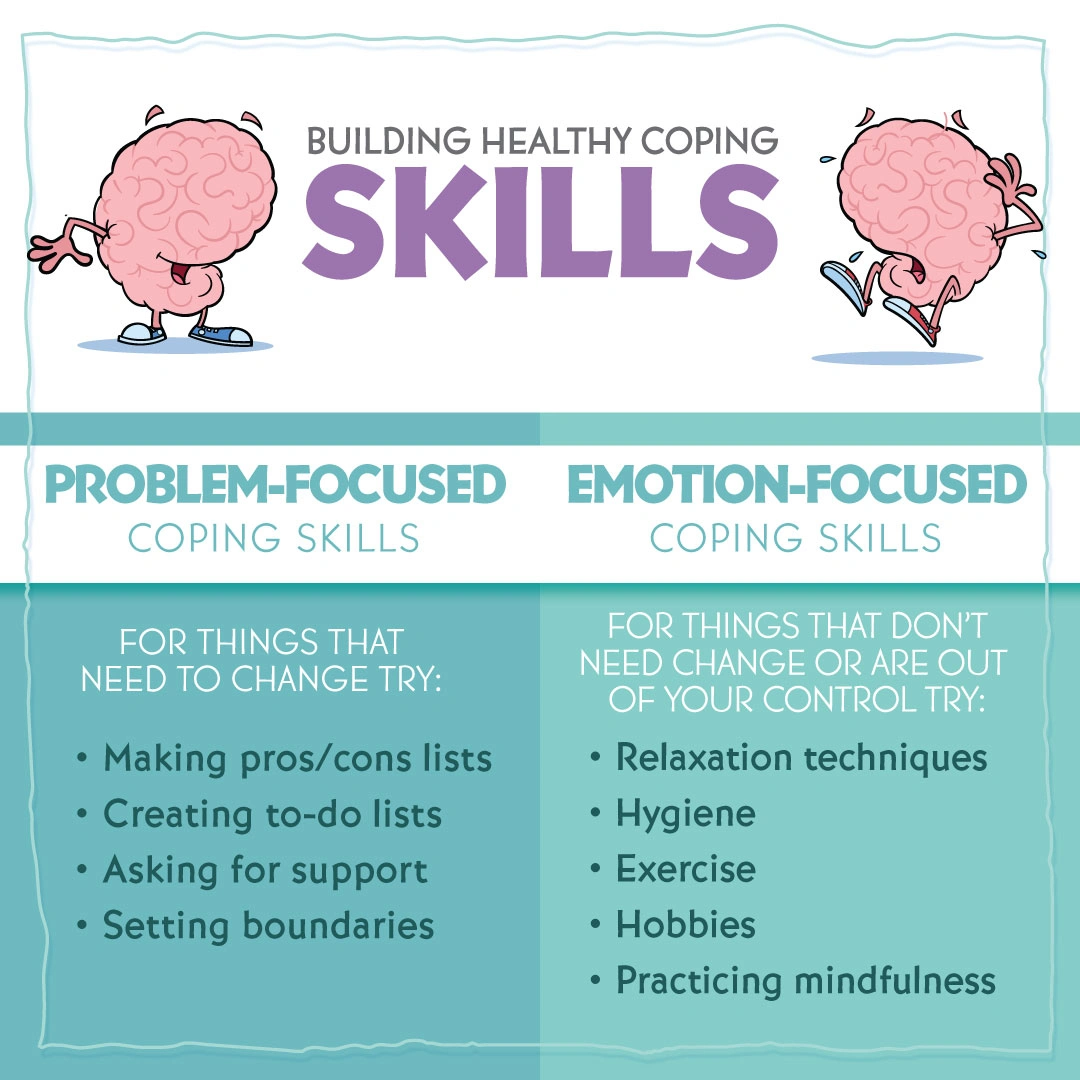
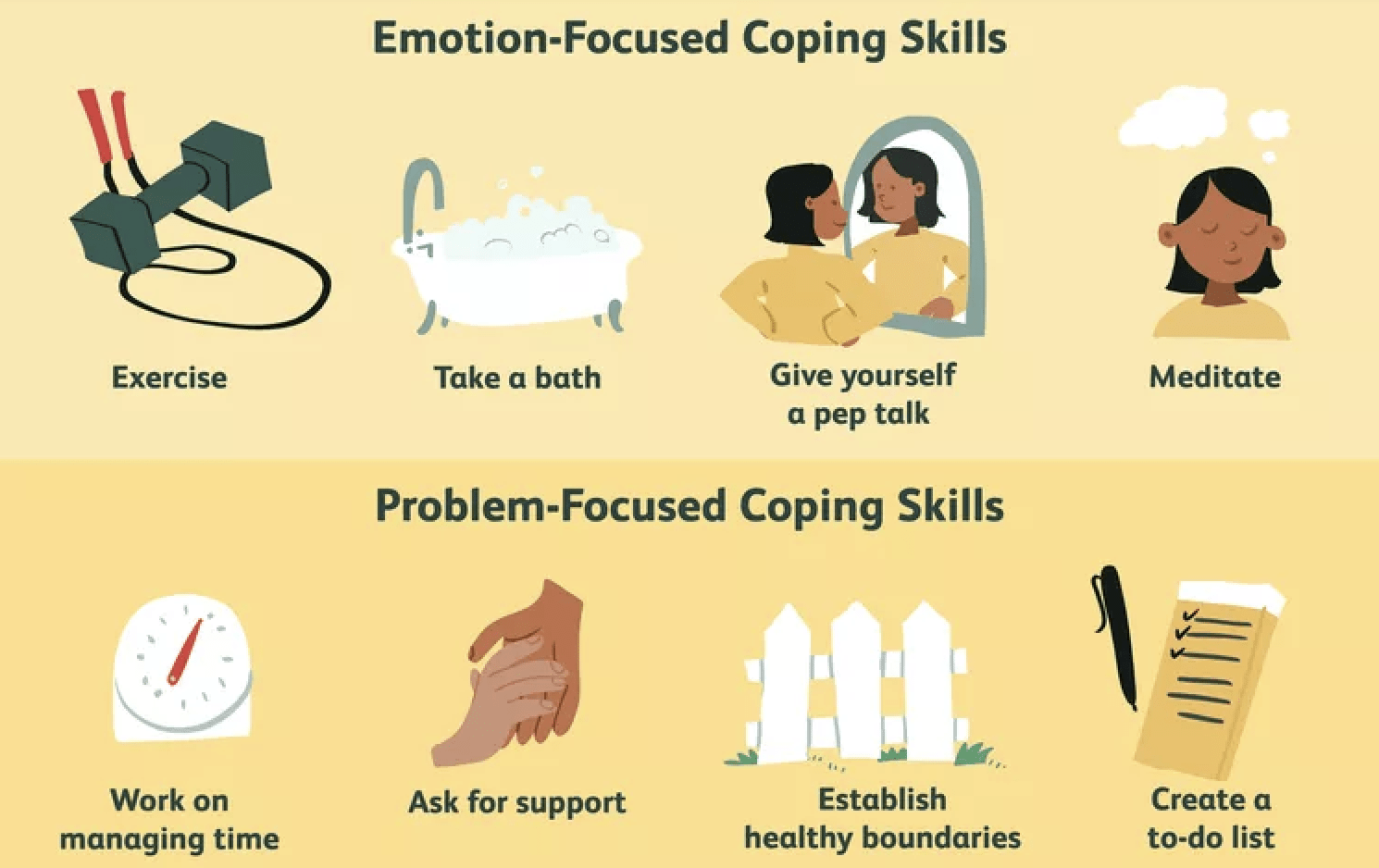
Engaging in stress-relief activities can help you manage your emotions, reduce tension, and promote relaxation during times of adversity. Activities such as yoga, meditation, deep breathing exercises, or spending time in nature can have a calming effect on your mind and body. Find activities that bring you joy and comfort, and make them a regular part of your self-care routine to help you cope with stress more effectively.
Seek Social Support
Connecting with others during challenging times can provide you with emotional support, empathy, and perspective. Reach out to friends, family members, or support groups to share your feelings, seek guidance, and receive validation for your experiences. Building a strong support network can help you feel less isolated, strengthen your resilience, and remind you that you are not alone in facing adversity.
Practice Problem-Solving Skills
When faced with a difficult situation, it can be helpful to approach it with a problem-solving mindset. Identify the root cause of the problem, brainstorm potential solutions, evaluate the pros and cons of each option, and take proactive steps to address the issue. By practicing problem-solving skills, you can feel more empowered, confident, and in control of how you respond to adversity.
Cultivate Resilience and Optimism
Resilience is the ability to bounce back from setbacks, adapt to change, and persevere in the face of adversity. Cultivating resilience involves building a positive mindset, learning from your experiences, and developing a sense of inner strength and resourcefulness. By maintaining a hopeful outlook, focusing on your strengths, and believing in your ability to overcome challenges, you can cultivate resilience and optimism in navigating through difficult times.
Conclusion: Embracing Resilience in the Face of Adversity
In conclusion, developing healthy coping strategies for adversity is essential for maintaining your mental, emotional, and physical well-being during challenging times. By understanding what adversity is, recognizing its impact on you, and implementing practical tips and techniques to cope effectively, you can navigate through difficult situations with grace and resilience. Remember that adversity is a part of life, but it does not have to define you. By building resilience, cultivating healthy coping mechanisms, and seeking support when needed, you can weather life’s storms and emerge stronger on the other side. Embrace resilience, practice self-care, and believe in your ability to overcome adversity with a positive mindset and determination.
