
In today’s fast-paced world, taking care of your overall health is essential, and staying hydrated plays a pivotal role in achieving this goal. As the name suggests, “Easy Ways to Stay Hydrated for Overall Health” provides simple and effective strategies to ensure you stay adequately hydrated. Discover the effortless steps you can incorporate into your daily routine to boost your hydration levels and reap the numerous health benefits that come with it. From practical hydration tips to highlighting the importance of water intake, this article will guide you towards a healthier, more hydrated lifestyle. Staying hydrated is essential for maintaining overall health and well-being. It helps to regulate body temperature, lubricate joints, support digestion, and flush out toxins. While drinking enough water is crucial, there are other ways to stay hydrated as well. In this article, we will explore ten easy and effective ways to stay hydrated and ensure that your body gets the hydration it needs.
1. Drink Enough Water
Carry a water bottle with you
One of the simplest ways to stay hydrated throughout the day is to carry a water bottle with you wherever you go. Having easy access to water encourages you to drink more frequently and helps you avoid dehydration. Choose a portable and reusable water bottle that you can refill whenever necessary. Whether you’re heading to work, running errands, or exercising, having water with you at all times is a great way to stay hydrated.
Set reminders to drink water
In the midst of our busy lives, it’s easy to forget to drink enough water. Setting reminders on your phone or using apps specifically designed for hydration tracking can be incredibly helpful. These reminders can prompt you to take a moment and have a sip of water. By incorporating this simple habit into your routine, you’ll ensure that you’re hydrating consistently throughout the day.
Drink water before and after meals
Make it a habit to drink a glass of water before and after each meal. Not only is this good for digestion, but it also helps to increase your water intake. Drinking water before a meal can help you feel full, leading to better portion control. Consuming water after a meal aids in the digestion process and helps your body absorb nutrients efficiently.
Drink water when you wake up and before going to bed
Start and end your day on a hydrated note by drinking a glass of water when you wake up in the morning and before you go to bed at night. After a night of sleep, your body needs to rehydrate, making it crucial to start your day with water. Similarly, drinking water before bed helps replenish your body’s fluid levels while you sleep. By making these two habits part of your daily routine, you’ll set yourself up for a hydrated and healthy lifestyle.
2. Eat Water-Rich Foods
Include fruits and vegetables in your diet
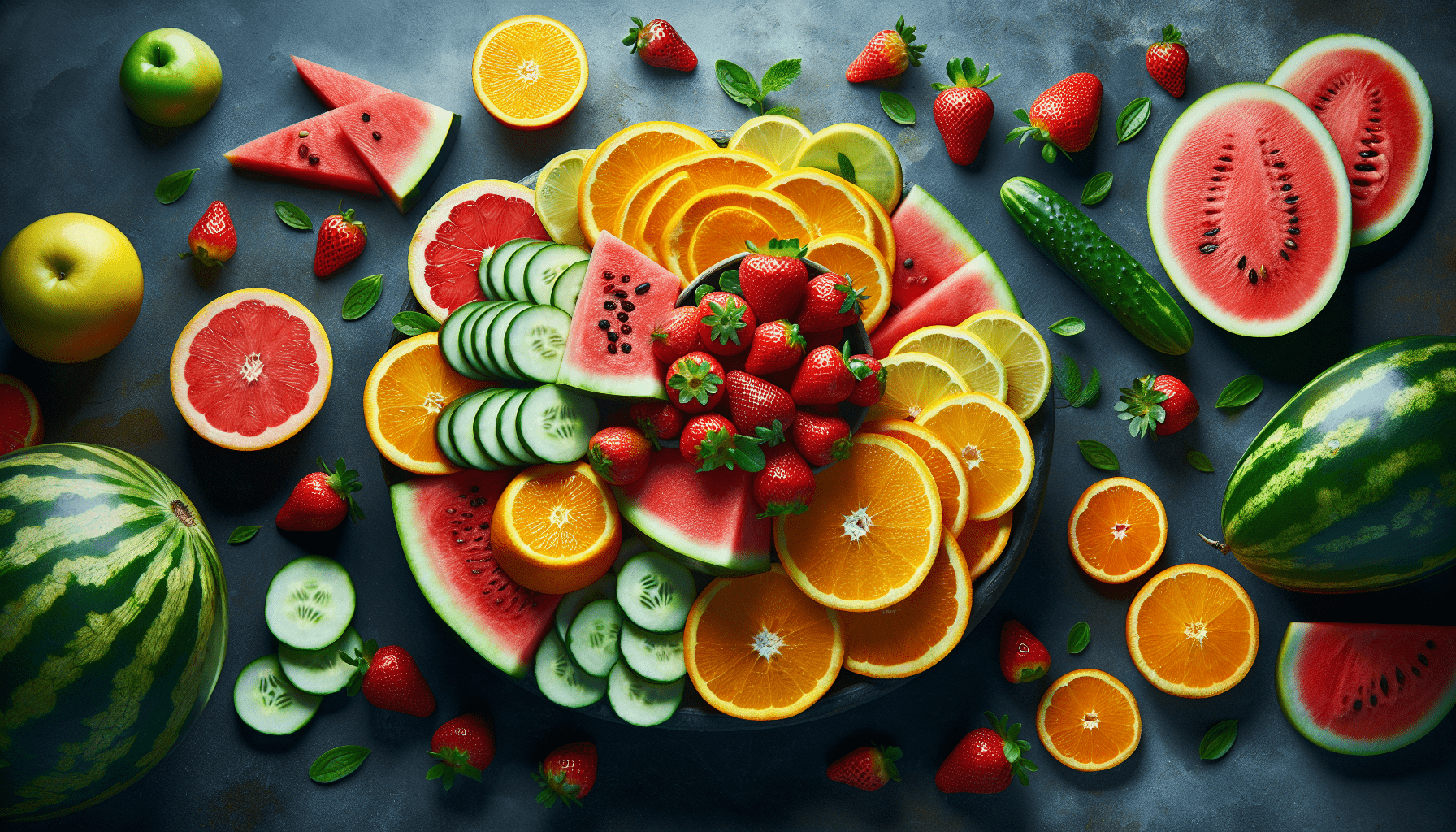
In addition to drinking water, you can also boost your hydration levels by incorporating water-rich foods into your diet. Fruits and vegetables, in particular, contain high amounts of water and provide essential vitamins and minerals. Some excellent choices include watermelon, cucumbers, strawberries, oranges, and grapefruit. These foods not only contribute to your hydration but also offer numerous health benefits.
Consume foods with high water content like cucumbers and watermelon
Cucumbers and watermelon are excellent examples of foods with high water content. Cucumbers are made up of approximately 96% water, while watermelon consists of about 92% water. These refreshing and delicious options are perfect for a summer snack and can help replenish your body’s fluid levels. Incorporating these hydrating foods into your diet not only promotes better hydration but also provides important nutrients like vitamins A and C.
Opt for soups and stews
Another great way to increase your water intake is to enjoy soups and stews. These dishes are not only comforting and nourishing but also packed with water. Whether it’s a hot bowl of chicken noodle soup or a hearty vegetable stew, these hydrating meals can contribute to your overall hydration. Opt for homemade versions with fresh ingredients and lower sodium levels for the best nutritional benefits.
Snack on hydrating foods like grapes and oranges
When you’re in need of a quick and hydrating snack, reach for fruits like grapes and oranges. Grapes are approximately 82% water, while oranges are composed of about 87% water. These juicy and nutritious fruits not only keep you refreshed but also provide fiber, vitamins, and antioxidants. Keep a stash of these hydrating snacks in your fridge or bring them along when you’re on the go for a healthy and hydrating treat.
3. Infuse Your Water with Flavor
Add fruit slices or herbs to your water
If you’re looking to add some flavor to your water, try infusing it with slices of fruits like lemon, cucumber, or berries. You can also experiment with adding fresh herbs like mint or basil for a refreshing twist. Infused water not only tastes delicious but also provides additional nutrients and antioxidants. By infusing your water with flavor, you’ll be more inclined to hydrate regularly throughout the day.
Try flavored water drops or packets
For a convenient way to flavor your water, you can also try using flavored water drops or packets. These products come in a variety of flavors and are designed to enhance the taste of plain water. They are easy to carry with you and can be added to your water whenever you need a boost of flavor. Just make sure to choose options that are low in added sugars and artificial ingredients.
Experiment with infused water recipes
Get creative with your hydration by exploring different recipes for infused water. From simple combinations like lemon and cucumber to more complex blends using fruits and herbs, the possibilities are endless. You can find numerous recipes online or create your own based on your taste preferences. Infused water not only adds variety to your hydration routine but also makes drinking water an enjoyable experience.
Explore herbal teas for added hydration
If you’re searching for an alternative to plain water, consider incorporating herbal teas into your hydration routine. Herbal teas, such as chamomile, mint, and ginger, are caffeine-free and provide a flavorful way to increase your water intake. These teas can be enjoyed hot or cold, depending on your preference. However, be cautious of herbal teas with diuretic properties, such as dandelion tea, as they may lead to increased urination and potentially contribute to dehydration.
4. Limit Diuretic Drinks
Reduce consumption of caffeinated beverages like coffee and tea
Caffeinated drinks like coffee and tea can have a diuretic effect on the body, increasing urine production and potentially leading to dehydration. While moderate caffeine intake is generally safe for most individuals, it’s important to be mindful of your consumption. Limiting your intake of caffeinated beverages and balancing it with adequate water intake is crucial for maintaining hydration.
Limit alcohol intake
Alcohol is another diuretic that can dehydrate your body if consumed excessively. It increases urine production and causes fluid loss, leading to dehydration. If you choose to drink alcohol, make sure to do so in moderation and balance it with drinking water. Alternating alcoholic beverages with glasses of water can help maintain hydration levels and prevent the negative effects of alcohol-induced dehydration.
Avoid sugary and carbonated drinks
Sweetened beverages, such as soda and fruit juices, are often loaded with sugar and empty calories. These drinks can also be dehydrating as they can interfere with body fluid balance. Additionally, carbonated drinks like soda can contribute to bloating and discomfort. Instead of reaching for these sugary and carbonated options, opt for healthier alternatives like water, herbal teas, or infused water.
5. Use Hydrating Skincare Products
Choose moisturizers with hydrating ingredients like hyaluronic acid
Hydrating your skin is just as important as hydrating your body. Choose moisturizers that contain hydrating ingredients like hyaluronic acid. This ingredient has the ability to hold 1,000 times its weight in water, providing intense hydration to the skin. Incorporating a hyaluronic acid moisturizer into your skincare routine can help keep your skin plump, hydrated, and nourished.
Use hydrating facial mists or toners
Facial mists or toners are refreshing skincare products that can provide an instant boost of hydration. Consider using a hydrating facial mist or toner throughout the day to keep your skin hydrated and revitalized. These products often contain ingredients like aloe vera or herbal extracts that soothe and hydrate the skin. Simply spritz or apply the mist or toner onto your face whenever you feel the need for a hydration pick-me-up.
Apply lip balm regularly
Don’t forget to hydrate your lips as well. Lips can easily become dry and chapped, especially in harsh weather conditions. Applying lip balm regularly helps seal in moisture and prevent dehydration. Look for lip balms that contain hydrating ingredients like beeswax, shea butter, or coconut oil. Keep a lip balm handy in your bag, pocket, or desk to ensure that your lips stay moisturized throughout the day.
Consider using hydrating serums or masks
For an extra hydration boost, incorporate hydrating serums or masks into your skincare routine. These products are formulated with concentrated ingredients that penetrate deep into the skin to deliver intense hydration. Hyaluronic acid serums or sheet masks are particularly effective in providing deep hydration to the skin. Use them as a regular part of your skincare regimen to keep your skin hydrated, plump, and glowing.
6. Set Hydration Goals
Calculate your daily water intake needs
To ensure that you’re staying adequately hydrated, it’s essential to calculate your daily water intake needs. The general recommendation is to drink eight 8-ounce glasses of water per day, also known as the “8×8 rule.” However, individual water needs can vary based on factors such as age, sex, activity level, and overall health. To get a more accurate estimate, consider using an online hydration calculator or consult with a healthcare professional.
Create a hydration schedule
Once you have determined your daily water intake needs, create a hydration schedule that works for you. Divide your water intake goal throughout the day and set specific times for drinking water. For example, you may decide to have a glass of water upon waking up, another before each meal, and additional glasses in between. Having a schedule helps you stay on track and ensures that you’re hydrating consistently.
Track your water intake with apps or journals
To monitor your water intake and progress towards your hydration goals, consider using hydration tracking apps or keeping a journal. These tools allow you to log your water consumption and provide valuable insights into your hydration habits. You can set reminders to drink water, track your daily intake, and even earn rewards for meeting your goals. Find an app or journal that suits your needs and make it a part of your hydration routine.
Reward yourself for meeting hydration goals
Staying hydrated is a valuable achievement, so be sure to reward yourself when you meet your hydration goals. Celebrate your efforts and progress by treating yourself to a small indulgence or engaging in an activity you enjoy. It could be anything from enjoying a piece of dark chocolate to taking a relaxing bath. By rewarding yourself, you’ll reinforce positive hydration habits and stay motivated to continue prioritizing your hydration.
7. Drink Herbal Teas and Infusions
Try herbal teas like chamomile, mint, or ginger
Herbal teas offer a wide range of flavors and provide a hydrating alternative to plain water. Chamomile tea is known for its calming properties, mint tea is refreshing, and ginger tea can aid digestion. These caffeine-free options are excellent choices to keep yourself hydrated while enjoying a warm and flavorful beverage. Experiment with different herbal tea options to find the flavors that you enjoy the most.
Experiment with fruit-infused tea blends
Enhance the flavor and hydration benefits of herbal teas by experimenting with fruit-infused tea blends. Combining herbs like hibiscus or rosehip with fruits like berries or citrus can result in delicious and hydrating tea combinations. You can either purchase pre-blended fruit-infused teas or create your own by steeping herbal tea bags with fresh or frozen fruits. These blends are not only visually appealing but also provide a delightful taste experience.
Consider caffeine-free options like rooibos or hibiscus tea
If you prefer the taste of traditional tea but want to avoid caffeine, consider opting for caffeine-free alternatives like rooibos or hibiscus tea. Rooibos tea is known for its sweet and nutty flavor, while hibiscus tea has a tart and floral taste. Both of these herbal teas are naturally caffeine-free and provide hydration without stimulating effects. Brew a cup of rooibos or hibiscus tea and enjoy it throughout the day to stay hydrated.
Drink warm herbal teas to aid in hydration
During colder months or in cooler environments, opt for warm herbal teas to stay hydrated. Warm water is absorbed faster by the body, making it an efficient way to maintain hydration levels. Steep your favorite herbal tea in hot water and sip on it throughout the day. The warmth of the tea can also provide a soothing and comforting experience, especially during chilly weather or when you’re feeling under the weather.
8. Monitor Urine Color and Frequency
Check the color of your urine
Monitoring the color of your urine is a simple and effective way to gauge your hydration levels. Pale yellow urine is an indication of adequate hydration, while dark-colored urine may signify dehydration. Ideally, your urine should be a light, straw-like color. If you notice that your urine is consistently dark, it’s a sign that you need to increase your water intake. Pay attention to your urine color and adjust your hydration habits accordingly.
Ensure you’re urinating regularly
In addition to checking the color of your urine, ensure that you’re urinating regularly. The frequency of urination can reflect your hydration status. Healthy individuals typically urinate approximately four to eight times per day, depending on their fluid intake. If you find that you’re urinating less frequently or have inconsistent bathroom habits, it may indicate that you need to increase your water consumption.
Pale yellow urine indicates proper hydration
Pale yellow urine is a positive sign that you’re properly hydrated. When your urine is pale yellow, it suggests that your body has enough fluids to eliminate waste products efficiently. This is an indicator that you’re staying hydrated and maintaining a healthy water balance. Keep up the good work and continue your hydration habits if you consistently observe pale yellow urine.
Dark-colored urine may signify dehydration
Dark-colored urine, on the other hand, may indicate dehydration. When your urine is deep yellow, amber, or even brownish in color, it suggests that you’re not drinking enough water. It’s a sign that your body is holding onto fluid to compensate for the lack of hydration. If you notice consistently dark-colored urine, it’s important to increase your water intake and consult with a healthcare professional if symptoms persist.
9. Incorporate Hydration into Exercise Routine
Drink water before, during, and after exercise
When engaging in physical activity, it’s crucial to prioritize hydration before, during, and after your workout. Drink water before your exercise session to ensure that you start off properly hydrated. During your workout, take regular breaks to sip on water and replace the fluids lost through sweating. After your workout, rehydrate by drinking water to replenish your body and aid in muscle recovery.
Consider sports drinks for longer workouts
For longer and more intense workouts, consider incorporating sports drinks into your hydration routine. These drinks contain electrolytes like sodium and potassium, which are lost through sweat during prolonged exercise. Electrolytes help maintain proper fluid balance in the body and aid in hydration. However, it’s important to note that sports drinks should be used selectively and not as a replacement for water during everyday activities.
Replenish electrolytes with a post-workout snack or drink
In addition to hydrating with water or sports drinks after exercise, you can also replenish electrolytes through post-workout snacks or drinks. Foods like bananas, coconut water, and yogurt contain natural sources of electrolytes and can be included in your recovery routine. You can also opt for electrolyte-replenishing drink mixes or tablets if you prefer a more convenient option. Restoring electrolyte balance is crucial for optimal hydration and muscle function.
Listen to your body’s hydration needs during physical activity
Every individual’s hydration needs during exercise may vary, so it’s important to listen to your body’s signals. Pay attention to thirst cues and any signs of dehydration, such as dry mouth or dizziness. If you’re engaging in intense workouts or prolonged physical activity, it’s essential to increase your water intake accordingly. By tuning in to your body’s hydration needs, you can ensure that you’re staying properly hydrated during exercise.
10. Stay Hydrated in Hot and Cold Environments
Increase water intake in hot weather
In hot weather, your body loses more fluid through sweat, making it crucial to increase your water intake. When temperatures rise, aim to drink more water throughout the day to stay adequately hydrated. Additionally, consider consuming hydrating foods like watermelon and electrolyte-rich drinks to combat the effects of heat and prevent dehydration. Be mindful of the signs of heat exhaustion or heatstroke, and take necessary precautions to protect your health.
Avoid prolonged sun exposure
To prevent dehydration in hot weather, it’s important to avoid prolonged sun exposure. High temperatures and direct sunlight can accelerate fluid loss through sweat. Seek shade or air-conditioned environments whenever possible, especially during the hottest part of the day. If you need to be outside, wear lightweight and breathable clothing, and carry water with you to stay hydrated and cool.
Protect yourself from extreme cold or dry environments
Extreme cold or dry environments can also lead to dehydration. Cold weather and low humidity can cause moisture to evaporate from your body, leaving you at risk of dehydration. When in such environments, take precautions to protect yourself. Dress in warm layers to retain body heat and moisture, and consider wearing a scarf or face mask to prevent excessive evaporation from your respiratory system. Ensure that you continue to drink water regularly, despite not experiencing the same thirst cues as in hot weather.
Use humidifiers to combat dry indoor air
In dry indoor environments, such as during the winter with indoor heating or in air-conditioned spaces, it’s important to combat dry air to avoid dehydration. Use humidifiers to add moisture to the air and prevent excessive drying of your skin and respiratory system. This can help maintain proper hydration levels and prevent discomfort associated with dry air. Keep a humidifier in your bedroom or place it in commonly used areas to ensure consistent hydration in dry environments.
By following these ten easy ways to stay hydrated, you can improve your overall health and well-being. Hydration is a key component of maintaining a healthy body and is crucial for various bodily functions. Remember to drink enough water, incorporate water-rich foods into your diet, add flavor to your water, limit diuretic drinks, use hydrating skincare products, set hydration goals, drink herbal teas and infusions, monitor urine color and frequency, incorporate hydration into your exercise routine, and stay hydrated in hot and cold environments. With these simple and practical tips, you’ll be well on your way to staying hydrating and feeling your best. Cheers to good health and hydration!