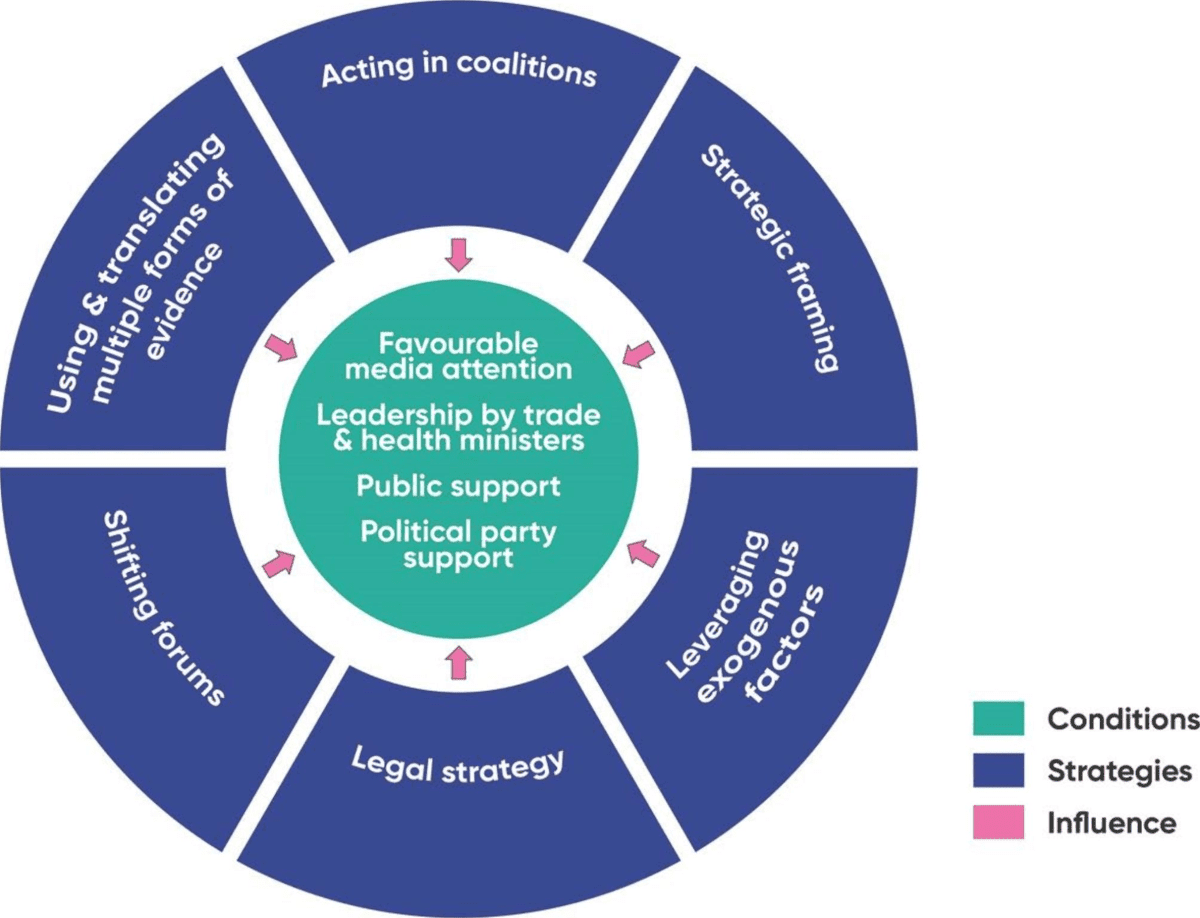
Welcome to a guide that will help you navigate the complex world of advocating for healthcare reform. In our article, we will outline key strategies that you can use to effectively advocate for changes in the healthcare system. Whether you are a healthcare professional, a patient, or simply someone passionate about improving access to quality care, these strategies will empower you to make a meaningful impact on the future of healthcare. Let’s dive in and start making a difference together.
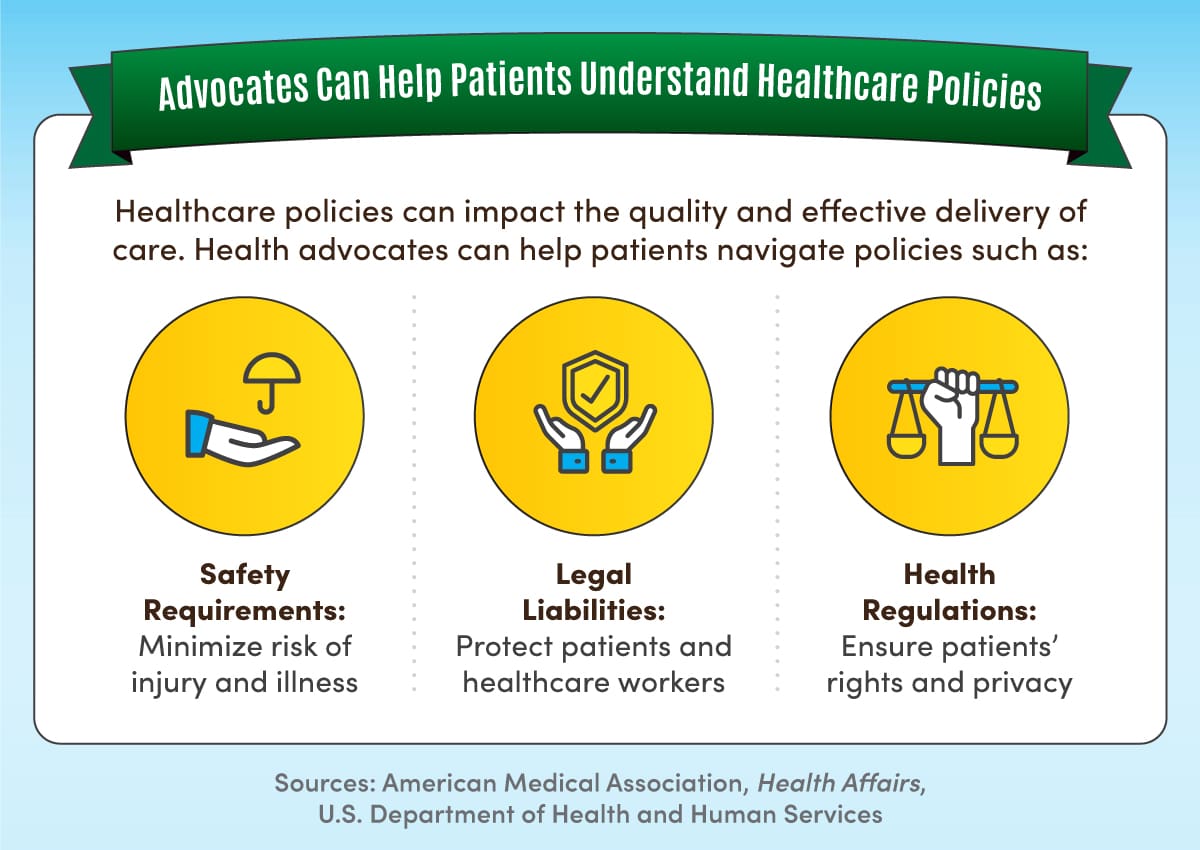
Are you frustrated with the state of healthcare in your country?
It’s common to feel overwhelmed and helpless when it comes to advocating for change in the healthcare system. But there are effective strategies you can use to make your voice heard and push for much-needed reform. In this article, we’ll explore some practical tips and tactics for advocating for healthcare reform in your community and beyond.
Identifying the Issues
Before you can effectively advocate for healthcare reform, you need to have a clear understanding of the issues at hand. Take some time to research the current state of healthcare in your country, including statistics on access, affordability, and quality of care. Identify gaps in the system and areas where reform is urgently needed.
Start with Local Advocacy
One of the most effective ways to advocate for healthcare reform is to start at the local level. Get involved with local advocacy groups, attend town hall meetings, and reach out to your representatives to voice your concerns. By building grassroots support for reform in your community, you can create momentum for change at higher levels of government.
Forming Alliances
Advocating for healthcare reform is a collective effort, and forming alliances with like-minded individuals and organizations can amplify your impact. Reach out to community groups, non-profit organizations, and healthcare professionals who share your goals and work together to advocate for change. By pooling your resources and expertise, you can build a stronger case for reform.
Leveraging Social Media
Social media has become a powerful tool for advocacy, allowing individuals to reach a wide audience and raise awareness about important issues. Use platforms like Twitter, Facebook, and Instagram to share news articles, infographics, and personal stories about the need for healthcare reform. Engage with policymakers and influencers online to amplify your message and gain support for your cause.
Crafting a Compelling Message
When advocating for healthcare reform, it’s essential to have a clear and compelling message that resonates with your audience. Develop key talking points that highlight the urgency of the issue, the benefits of reform, and the impact on individuals and communities. Tailor your message to different audiences, including policymakers, the media, and the general public, to effectively communicate the need for change.
Lobbying Your Elected Officials
One of the most direct ways to advocate for healthcare reform is to lobby your elected officials. Schedule meetings with your representatives to discuss your concerns and priorities for reform. Present them with data, research, and personal stories that highlight the need for change, and urge them to take action on key healthcare issues. By building relationships with policymakers and making your voice heard, you can influence decision-making at the highest levels.
Engaging in Advocacy Campaigns
Joining advocacy campaigns and initiatives can be a powerful way to advocate for healthcare reform on a larger scale. Look for national organizations and coalitions that are working on specific healthcare issues and join their efforts. Participate in letter-writing campaigns, petition drives, and rallies to raise awareness and mobilize support for reform. By joining forces with other advocates, you can amplify your impact and push for meaningful change.
Educating the Public
Public education is key to building support for healthcare reform and raising awareness about the issues at stake. Host informational events, forums, and webinars to educate the public about the current state of healthcare, the need for reform, and potential solutions. Use storytelling, data visualization, and personal testimonials to engage audiences and make the case for change. By increasing public understanding and support, you can create a groundswell of pressure for policymakers to take action.
Building Coalitions
Building coalitions with other advocacy groups and stakeholders is crucial for driving healthcare reform forward. Collaborate with organizations that have a shared interest in improving healthcare, such as patient advocacy groups, healthcare providers, and public health organizations. Work together to develop joint advocacy campaigns, policy recommendations, and outreach strategies that leverage the strengths of each group. By building coalitions, you can amplify your impact, share resources, and work towards common goals.
Utilizing Data and Research
Data and research are powerful tools for advocating for healthcare reform, providing evidence-based arguments and insights that support your case. Use research studies, reports, and data analysis to highlight the impact of current healthcare policies, the benefits of reform, and the potential solutions. Present policymakers with concrete data and recommendations that demonstrate the need for change and the potential outcomes of reform. By leveraging data and research, you can bolster your advocacy efforts and make a compelling case for reform.
Monitoring Progress
Advocating for healthcare reform is an ongoing process, and it’s essential to monitor progress and track outcomes over time. Keep tabs on legislative developments, policy changes, and healthcare initiatives that impact the issues you’re advocating for. Stay engaged with policymakers, attend hearings and meetings, and follow up on your advocacy efforts to ensure that your voice is heard and your priorities are addressed. By staying informed and involved, you can hold decision-makers accountable and continue to push for meaningful reform.
Celebrating Victories
Advocating for healthcare reform can be a long and challenging process, but it’s important to celebrate victories along the way. When you achieve a policy change, legislative win, or other milestone in your advocacy efforts, take the time to recognize and celebrate your accomplishments. Share the news with your community, thank your supporters, and reflect on the progress you’ve made towards improving healthcare for all. By celebrating victories, you can boost morale, sustain momentum, and inspire others to join the fight for reform.
Conclusion
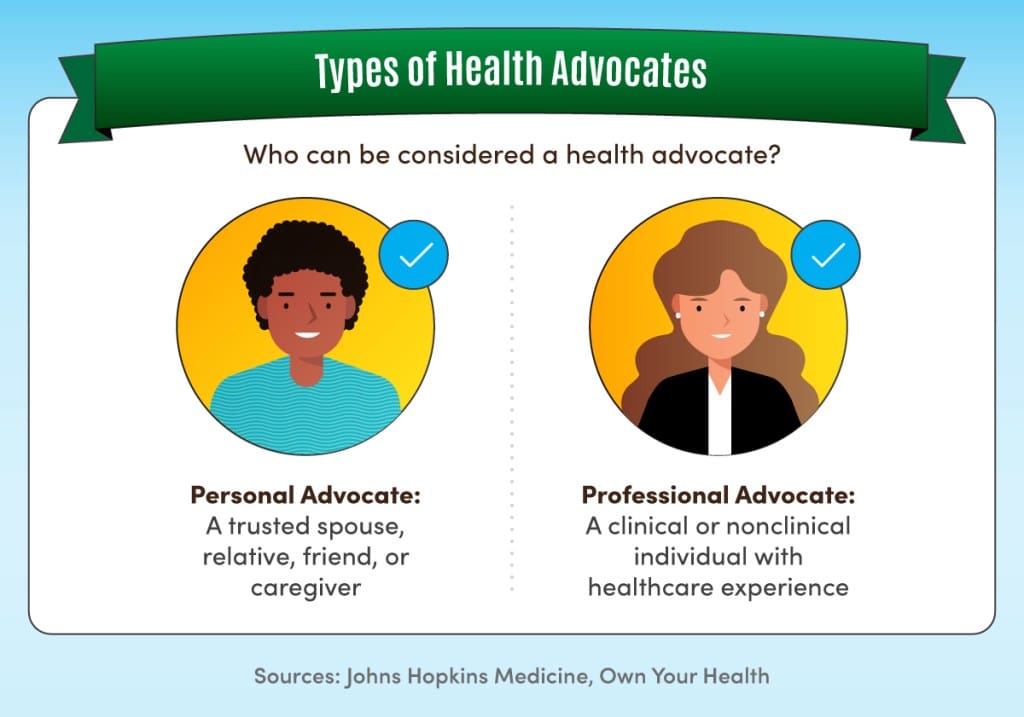
Advocating for healthcare reform is a vital and impactful way to drive positive change in the healthcare system and improve access, affordability, and quality of care for all. By identifying the issues, building alliances, leveraging social media, and engaging in advocacy campaigns, you can make your voice heard and push for meaningful reform. With persistence, dedication, and the right strategies, you can be a powerful advocate for healthcare reform in your community and beyond. Together, we can work towards a healthier, more equitable healthcare system for all.