
If you’ve ever wondered about the ins and outs of healthcare policy, this article is here to shed some light. Healthcare policy affects the way medical services are delivered, accessed, and paid for, making it a crucial aspect of any healthcare system. From government regulations to insurance coverage, healthcare policy shapes our healthcare experiences. So, let’s dive into the intricacies of healthcare policy and uncover its significance in our lives.
Definition of Healthcare Policy
An overview of healthcare policy
Healthcare policy refers to the set of rules, regulations, and laws that guide the planning, implementation, and evaluation of healthcare systems. It encompasses various components such as laws and regulations, healthcare institutions, funding mechanisms, delivery systems, and quality standards. Healthcare policy is crucial in shaping the healthcare landscape, ensuring access to care, and improving health outcomes for individuals and society.
The purpose of healthcare policy
The purpose of healthcare policy is to establish a framework that promotes the overall well-being of individuals and society. It aims to address the challenges and complexities of healthcare delivery by ensuring the availability, accessibility, and affordability of quality healthcare services. Healthcare policy also plays a crucial role in setting healthcare priorities, regulating providers, and developing programs and initiatives to meet the changing healthcare needs of the population. Ultimately, healthcare policy seeks to improve health outcomes, reduce health disparities, and enhance the overall healthcare experience.
Components of Healthcare Policy
Laws and regulations
Laws and regulations form the foundation of healthcare policy. They provide the legal framework for healthcare systems and define the rights and responsibilities of various stakeholders, including patients, healthcare providers, and insurers. Healthcare laws and regulations address a wide range of issues, such as patient privacy, medical malpractice, healthcare licensing, and reimbursement guidelines. These laws are essential in ensuring the safety, quality, and ethical practice of healthcare.
Healthcare institutions and organizations
Healthcare institutions and organizations are key components of healthcare policy. These include hospitals, clinics, nursing homes, and other healthcare facilities that provide essential services to the population. Healthcare policy defines the governance, accreditation, and regulatory requirements for these institutions, ensuring that they meet certain standards in terms of infrastructure, staffing, and quality of care. By regulating and supporting healthcare institutions, healthcare policy plays a vital role in maintaining the integrity and efficiency of the healthcare system.
Funding mechanisms
Healthcare policy also addresses the critical issue of funding mechanisms. It sets out the ways in which healthcare systems are financed, whether through public funds, private insurance, or a combination of both. The allocation of resources, budgeting, and reimbursement mechanisms are all aspects of healthcare policy that influence the accessibility and affordability of healthcare services. By establishing funding mechanisms, healthcare policy aims to ensure that individuals have access to the care they need, regardless of their financial situation.
Healthcare delivery systems
Healthcare delivery systems refer to the structures and processes through which healthcare services are provided to individuals. They encompass primary care, specialty care, emergency services, and preventive care, among others. Healthcare policy plays a crucial role in shaping these delivery systems by defining the roles and responsibilities of various healthcare providers, promoting continuity of care, and establishing protocols and guidelines for best practices. By establishing effective healthcare delivery systems, healthcare policy aims to ensure that individuals receive comprehensive and coordinated care.
Healthcare quality standards
Healthcare quality standards are integral to healthcare policy. They set the benchmarks for safe, effective, and patient-centered care. Healthcare policy establishes guidelines, protocols, and accreditation processes to ensure that healthcare providers adhere to these quality standards. By promoting a culture of accountability, continuous improvement, and evidence-based practice, healthcare policy seeks to improve patient outcomes, reduce medical errors, and enhance the overall quality of healthcare services.
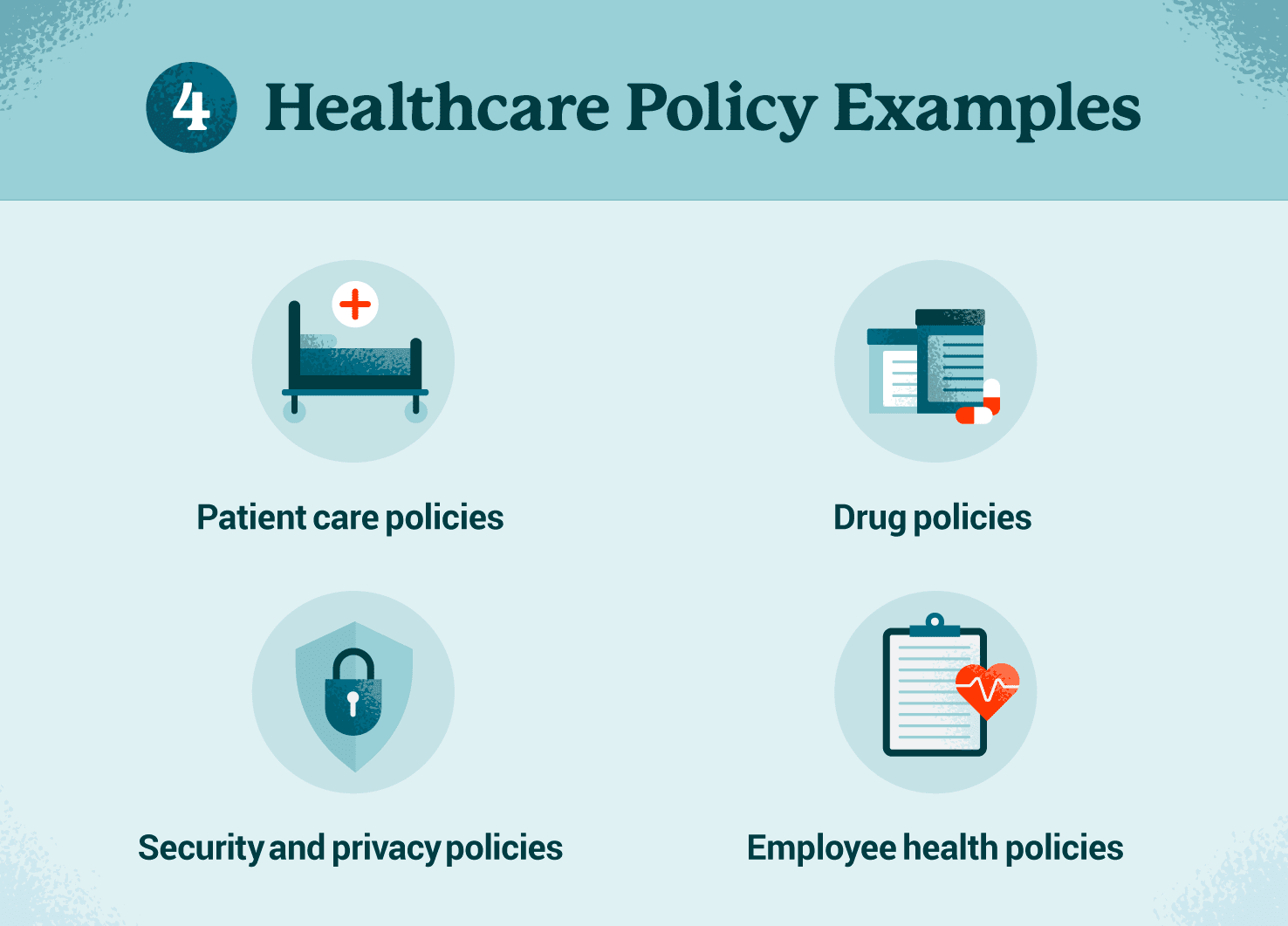
Types of Healthcare Policies
Public healthcare policy
Public healthcare policy refers to policies and initiatives implemented by the government to promote and protect the health of the population. It includes measures such as disease prevention programs, immunization campaigns, health education, and emergency preparedness. Public healthcare policy aims to address public health issues at a population level and ensure that essential health services are available to all individuals.
Private healthcare policy
Private healthcare policy encompasses policies and regulations that govern privately funded healthcare systems and services. It includes regulations for private insurance companies, private hospitals, and other private healthcare providers. Private healthcare policy focuses on ensuring the quality, safety, and accountability of private healthcare services and promoting competition within the private sector.
National healthcare policy
National healthcare policy refers to policies and strategies implemented at a national level to address the healthcare needs of the entire population. It includes the regulation of healthcare institutions, the allocation of healthcare resources, and the development of programs and initiatives to improve health outcomes. National healthcare policy aims to provide equitable access to healthcare services and promote the overall health and well-being of the nation.
International healthcare policy
International healthcare policy encompasses policies and agreements that promote cooperation and collaboration among countries in addressing global health challenges. It includes initiatives such as global health funding, research collaborations, and the sharing of best practices in healthcare delivery. International healthcare policy aims to tackle global health issues, such as infectious diseases, access to essential medicines, and health workforce shortages, by fostering partnerships and creating a global framework for action.
Role of Government in Healthcare Policy
Setting healthcare priorities
One of the key roles of government in healthcare policy is setting healthcare priorities. The government, through various agencies and departments, identifies the most pressing health issues and allocates resources accordingly. This involves analyzing epidemiological data, conducting needs assessments, and consulting with experts and stakeholders. By setting healthcare priorities, the government aims to address the most significant health challenges and improve health outcomes for the population.
Funding healthcare systems
Government plays a critical role in funding healthcare systems. It allocates public funds to ensure the availability and accessibility of healthcare services for all individuals, regardless of their financial situation. Government funding supports the operation of healthcare institutions, the recruitment and training of healthcare professionals, and the implementation of healthcare programs and initiatives. By funding healthcare systems, the government aims to provide equitable access to care and promote social justice in health.
Regulating healthcare providers
Government is responsible for regulating healthcare providers to ensure the safety, quality, and ethical practice of healthcare. It establishes licensing requirements, code of ethics, and practice standards for healthcare professionals, such as doctors, nurses, and pharmacists. Government regulation also extends to healthcare institutions, ensuring that they meet certain standards in terms of infrastructure, staffing, and quality of care. By regulating healthcare providers, the government aims to protect the public from harm and maintain public trust in the healthcare system.
Developing healthcare programs and initiatives
Government plays a crucial role in developing healthcare programs and initiatives to address specific health issues. These may include disease prevention campaigns, health promotion programs, and initiatives to improve access to healthcare services for vulnerable populations. Government-led programs often involve collaboration with various stakeholders, such as healthcare providers, community organizations, and research institutions. By developing healthcare programs and initiatives, the government aims to tackle health challenges and improve health outcomes at a population level.
Ensuring healthcare access and affordability
Government is responsible for ensuring that healthcare services are accessible and affordable for all individuals. It develops policies and programs to reduce barriers to care, such as geographical, financial, and cultural barriers. Government also regulates private insurers to ensure that health insurance plans are affordable and provide adequate coverage. By ensuring healthcare access and affordability, the government aims to promote the health and well-being of the entire population and reduce health disparities.

Policy-Making Process in Healthcare
Agenda setting
The policy-making process in healthcare starts with agenda setting. This involves identifying and prioritizing healthcare issues that require attention from policymakers. It may be influenced by various factors, such as epidemiological data, public opinion, advocacy efforts, and political considerations. Agenda setting sets the stage for policy formulation and determines which issues receive the most attention and resources.
Policy formulation
Policy formulation involves the development of strategies and action plans to address the identified healthcare issues. It involves consultations with experts, stakeholders, and the public. Policy formulation requires careful consideration of scientific evidence, ethical considerations, economic implications, and feasibility. Policymakers, in collaboration with various stakeholders, analyze different policy options and select the ones that are most likely to achieve the desired outcomes.
Policy adoption
Policy adoption refers to the formal acceptance and approval of a healthcare policy by the relevant authorities. It may involve legislative processes, executive orders, or regulatory decisions, depending on the specific context. Policy adoption is a crucial step in the policy-making process, as it gives the policy legal authority and ensures its implementation.
Policy implementation
Policy implementation involves putting the adopted policy into practice. It requires coordination and collaboration among various stakeholders, such as government agencies, healthcare institutions, and community organizations. Policy implementation may involve the development of guidelines, protocols, and training programs to support healthcare providers in implementing the policy effectively. Monitoring and evaluation mechanisms are essential to ensure that the policy is being implemented as intended.
Policy evaluation
Policy evaluation involves assessing the impact and effectiveness of the healthcare policy. It measures whether the policy has achieved its intended outcomes, identifies any unintended consequences, and provides feedback for future improvements. Policy evaluation may involve quantitative and qualitative research methods, data analysis, and stakeholder consultations. By evaluating healthcare policies, policymakers can identify strengths and weaknesses, make necessary adjustments, and inform future policy decisions.
Impact of Healthcare Policy on Individuals and Society
Access to healthcare services
Healthcare policy has a profound impact on access to healthcare services. Policies that promote universal access, remove financial barriers, and improve healthcare infrastructure can significantly increase individuals’ access to care. Conversely, policies that restrict access, such as insurance coverage limitations or provider shortages, can create barriers to care. Access to healthcare services is crucial for early diagnosis, timely treatment, and overall health maintenance.
Quality of healthcare
Healthcare policy plays a significant role in shaping the quality of healthcare services. Policies that establish quality standards, regulate healthcare providers, and foster a culture of continuous improvement can enhance the quality of care. On the other hand, policies that neglect quality standards or fail to prioritize patient safety can lead to suboptimal care and adverse outcomes. Quality healthcare is characterized by safe and effective treatments, patient-centered care, and good outcomes.
Affordability and insurance coverage
Healthcare policy directly affects the affordability of healthcare services and the availability of health insurance coverage. Policies that promote affordability, such as subsidies or price regulations, can make healthcare services more accessible to individuals with limited financial means. Insurance coverage policies, such as employer-sponsored insurance or government-funded programs, can ensure that individuals have financial protection against healthcare costs. Affordable healthcare and insurance coverage are essential for reducing financial barriers and preventing individuals from experiencing catastrophic health expenses.
Health outcomes and disparities
Healthcare policy has a significant impact on health outcomes and health disparities. Policies that prioritize disease prevention, early intervention, and comprehensive care can lead to improved health outcomes. Conversely, policies that neglect preventive measures or fail to address social determinants of health can contribute to poor health outcomes and health disparities. Health outcomes refer to the overall health status of individuals, including measures such as life expectancy, mortality rates, and disease prevalence. Addressing health disparities involves reducing the differences in health outcomes between different population groups, such as racial and ethnic minorities or low-income individuals.
Economic implications
Healthcare policy has wide-ranging economic implications. It affects healthcare spending, healthcare workforce, and the overall economy. Policies that prioritize preventive care, chronic disease management, and cost containment can lead to more efficient healthcare systems and lower healthcare costs. Additionally, healthcare policy can have broader economic impacts by supporting job growth, fostering innovation, and promoting economic stability. Efforts to improve healthcare policy should consider the economic consequences and strive for policies that balance cost-effectiveness with quality and accessibility.
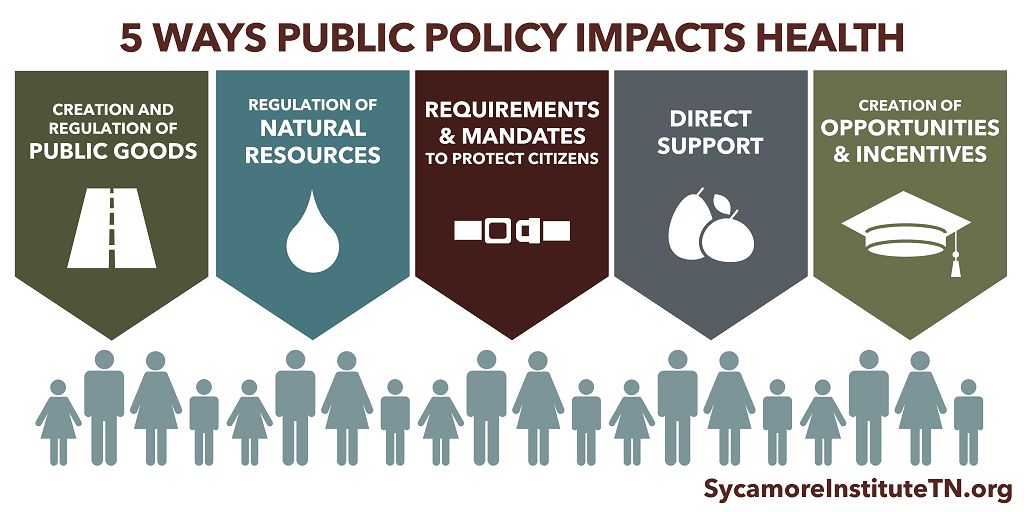
Challenges in Healthcare Policy
Political and ideological differences
One of the significant challenges in healthcare policy is navigating political and ideological differences. Healthcare policy often becomes a contentious issue, with different stakeholders advocating for different approaches and priorities. Competing political interests, ideological beliefs, and legislative processes can significantly influence the development and implementation of healthcare policies. Overcoming these differences requires effective communication, collaboration, and compromise among policymakers and stakeholders.
Limited resources and budget constraints
Limited resources and budget constraints pose significant challenges in healthcare policy. Healthcare systems often face competing demands for funding, with various healthcare needs vying for limited resources. Budget constraints can lead to difficult decisions about the allocation of funds, potentially resulting in trade-offs and compromises. Balancing the need for high-quality healthcare services with financial sustainability is a constant challenge for policymakers at all levels.
Changing demographics and healthcare needs
Changing demographics present challenges for healthcare policy. As populations age, the demand for healthcare services increases, placing additional strain on healthcare systems and resources. Additionally, changing demographics may require policy adjustments to address specific healthcare needs, such as mental health services for youth or long-term care for the elderly. Adapting healthcare policy to changing demographics requires proactive planning, robust data analysis, and collaboration with relevant stakeholders.
Technological advancements
Technological advancements pose both opportunities and challenges for healthcare policy. The rapid pace of innovation in healthcare technology, such as telemedicine, artificial intelligence, and genomics, creates new possibilities for improving healthcare delivery and outcomes. However, integrating new technologies into the healthcare system and ensuring equitable access can be complex and resource-intensive. Healthcare policy needs to keep pace with technological advancements, promoting innovation while ensuring the ethical and responsible use of technology.
Healthcare workforce shortages
Healthcare workforce shortages present a significant challenge in healthcare policy. The availability and distribution of healthcare professionals, such as doctors, nurses, and allied health workers, impact the delivery of healthcare services. Shortages can lead to long wait times, reduced access to care, and increased stress on existing healthcare providers. Policy interventions to address workforce shortages may include increasing training opportunities, encouraging recruitment and retention, and exploring alternative healthcare delivery models.
Current Issues and Debates in Healthcare Policy
Universal healthcare
Universal healthcare, often referred to as single-payer or Medicare for All, is a topic of ongoing debate in healthcare policy. The concept of universal healthcare aims to ensure that all individuals have access to essential healthcare services without financial barriers. Proponents argue that universal healthcare improves access, reduces administrative costs, and promotes health equity. Critics raise concerns about the potential cost, government control, and impact on private insurance markets. The debate surrounding universal healthcare highlights the broader question of how to achieve equitable and affordable healthcare for all individuals.
Healthcare reform
Healthcare reform is a broad and multifaceted issue in healthcare policy. It encompasses efforts to improve the efficiency, accessibility, and affordability of healthcare systems. Healthcare reform initiatives may focus on specific issues, such as reducing prescription drug prices, expanding Medicaid, or addressing healthcare disparities. The goal of healthcare reform is to address the shortcomings of the current healthcare system and create a more sustainable and equitable healthcare landscape.
Healthcare privatization
The privatization of healthcare is another topic of debate in healthcare policy. Privatization refers to the transfer of healthcare services or functions from the public sector to the private sector. Proponents argue that privatization promotes efficiency, innovation, and patient choice. Critics raise concerns about potential profit-driven motivations, unequal access to care, and fragmentation of services. The debate surrounding healthcare privatization touches on issues of accountability, patient rights, and the role of government in healthcare.
Affordable Care Act (ACA)
The Affordable Care Act (ACA), also known as Obamacare, remains a significant topic of discussion in healthcare policy. The ACA was enacted in 2010 with the aim of expanding access to quality, affordable healthcare for millions of Americans. It introduced reforms such as the establishment of health insurance marketplaces, expansion of Medicaid eligibility, and various consumer protections. The ACA has faced criticism and challenges, including concerns about rising premiums, individual mandates, and the overall sustainability of the healthcare system. The ongoing debate about the ACA underscores the complexity of healthcare policy and the need for continuous evaluation and improvement.
Pharmaceutical pricing
Pharmaceutical pricing is a persistent issue in healthcare policy. The high cost of prescription drugs poses significant challenges for individuals, healthcare systems, and governments. The debate around pharmaceutical pricing involves questions of affordability, access to essential medications, and the role of pharmaceutical companies in setting prices. Efforts to address the issue may include price regulation, increased transparency, and promoting competition in the pharmaceutical market. The rising cost of pharmaceuticals highlights the intersection of healthcare policy, innovation, and market forces.

Examples of Successful Healthcare Policies
Canada’s healthcare system
Canada’s healthcare system is often cited as an example of a successful approach to healthcare policy. It is based on the principles of universality, accessibility, comprehensiveness, and public administration. Canada provides publicly funded healthcare services to all residents, regardless of their ability to pay. The system is funded through general tax revenues and administered by the provinces and territories. Canada’s healthcare policy emphasizes primary care, preventive services, and access to essential medications. While challenges persist, such as long wait times for certain procedures, Canada’s healthcare system has achieved relatively high health outcomes and satisfaction rates.
Germany’s healthcare system
Germany’s healthcare system is another example of a successful healthcare policy. It is based on mandatory health insurance, with individuals required to have health insurance coverage. The system is characterized by a mix of public and private insurers, with the majority of the population covered by statutory health insurance. Germany’s healthcare policy emphasizes comprehensive coverage, choice of providers, and high-quality care. The system is known for its strong primary care infrastructure, robust preventive services, and emphasis on patient autonomy. Germany consistently ranks highly in international comparisons of healthcare systems.
Australia’s healthcare system
Australia’s healthcare system, known as Medicare, is often regarded as a successful example of healthcare policy. It combines public funding with a mix of public and private healthcare providers. Medicare provides universal access to essential healthcare services, with the government reimbursing a significant portion of the cost. Australia’s healthcare policy emphasizes preventive care, health promotion, and a patient-centered approach. The system achieves high levels of accessibility, affordability, and health outcomes. Australia’s healthcare system also facilitates private health insurance coverage for those who choose to have additional benefits or access to private providers.
Japan’s healthcare system
Japan’s healthcare system is frequently cited as a successful model of healthcare policy. It is based on a social health insurance system, with mandatory enrollment in public or private insurance programs. The system is characterized by universal coverage, low out-of-pocket costs, and strong primary care. Japan’s healthcare policy focuses on preventive care, health promotion, and a balance between cost containment and quality of care. The system achieves high health outcomes, low infant mortality rates, and long life expectancy. Despite facing challenges related to an aging population and rising healthcare costs, Japan’s healthcare system remains highly regarded.
United Kingdom’s National Health Service (NHS)
The United Kingdom’s National Health Service (NHS) is considered one of the most iconic examples of healthcare policy. The NHS provides comprehensive healthcare services to all residents, financed through general taxation. It is known for its commitment to universality, equity, and public service values. The NHS emphasizes primary care, extensive coverage of healthcare services, and free access at the point of service. The system aims to achieve health equity and has made significant contributions to medical research and innovation. While facing challenges related to funding and capacity, the NHS remains a source of pride for the United Kingdom and a benchmark for healthcare policy worldwide.
Future Trends in Healthcare Policy
Digital health and telemedicine
Digital health and telemedicine are expected to play an increasingly important role in healthcare policy. These technologies enable remote consultations, remote patient monitoring, and the exchange of health information. By leveraging digital health and telemedicine, healthcare policy can improve access to care, reduce healthcare costs, and enhance patient convenience. However, policy considerations around data privacy, reimbursement, and quality assurance will need to be addressed to fully harness the potential of digital health and telemedicine.
Precision medicine
Precision medicine, also known as personalized medicine, is a rapidly advancing field that tailors healthcare interventions to individual characteristics, such as genetic makeup and lifestyle factors. Healthcare policy will need to adapt to the challenges and opportunities presented by precision medicine. Policy considerations may include access to genetic testing, reimbursement for targeted therapies, and the ethical implications of personalized treatments. By incorporating precision medicine into healthcare policy, policymakers can promote more targeted and effective healthcare interventions.
Value-based healthcare
Value-based healthcare is a paradigm shift that focuses on delivering high-quality care with improved patient outcomes while reducing costs. Healthcare policy will need to support the transition from volume-based to value-based care models. This may involve incentivizing providers to deliver high-quality care, promoting care coordination, and measuring healthcare outcomes. Value-based healthcare is expected to drive innovation, improve healthcare efficiency, and enhance patient experiences.
Healthcare technology innovation
Healthcare technology innovation, such as artificial intelligence, robotics, and wearable devices, will continue to shape healthcare policy. Policies will need to address issues related to data privacy, cybersecurity, and the responsible use of emerging technologies. As technology continues to advance, healthcare policy should aim to strike a balance between fostering innovation and ensuring patient safety and ethical considerations.
Healthcare policy and climate change
Climate change presents substantial challenges to healthcare systems and public health. Healthcare policy will need to address the impact of climate change on health outcomes, such as increased frequency of heatwaves, infectious diseases, and natural disasters. Policies may include strategies for climate resilience, adaptation measures, and public health campaigns to mitigate climate-related health risks. Integrating climate change considerations into healthcare policy is crucial for protecting public health and ensuring the sustainability of healthcare systems.
In conclusion, healthcare policy plays a fundamental role in shaping the healthcare landscape, ensuring access to care, and improving health outcomes. It encompasses various components, such as laws and regulations, healthcare institutions, funding mechanisms, delivery systems, and quality standards. Government plays a crucial role in healthcare policy by setting priorities, funding healthcare systems, regulating providers, developing programs, and ensuring access and affordability. The policy-making process involves agenda setting, formulation, adoption, implementation, and evaluation. Healthcare policy has a profound impact on individuals and society, influencing access to care, quality of care, affordability, health outcomes, and economic implications. However, healthcare policy also faces challenges, such as political differences, limited resources, changing demographics, technological advancements, and healthcare workforce shortages. Current issues and debates in healthcare policy include universal healthcare, healthcare reform, privatization, the Affordable Care Act, and pharmaceutical pricing. Successful healthcare policies include Canada’s healthcare system, Germany’s healthcare system, Australia’s healthcare system, Japan’s healthcare system, and the United Kingdom’s National Health Service. Future trends in healthcare policy include digital health and telemedicine, precision medicine, value-based healthcare, healthcare technology innovation, and healthcare policy and climate change. As healthcare policy continues to evolve, policymakers must strike a balance between addressing current challenges, embracing innovation, and ensuring equitable and sustainable healthcare for all.
