
In the realm of healthcare policy, there is an unwavering commitment to safeguarding the rights of patients. This article delves into the crucial topic of protecting patient rights, shedding light on the various aspects that encompass these rights within the dynamic landscape of healthcare policy. From ensuring privacy and confidentiality to advocating for informed consent, we will explore the vital role that patient rights play in the delivery of effective and compassionate healthcare. Let’s embark on this journey together, empowering ourselves with knowledge and understanding to champion a healthcare system that puts patients first.
Background on Patient Rights
Historical context
Patient rights have a long and evolving history that spans centuries, shaped by the need to ensure ethical healthcare practices and protect individuals seeking medical treatment. Throughout history, various milestones have contributed to the recognition and establishment of patient rights. One significant development was the Nuremberg Code of 1947, a response to the atrocities committed during World War II medical experiments. This code emphasized the importance of informed consent and laid the groundwork for future advancements in patient rights.
Definition of patient rights
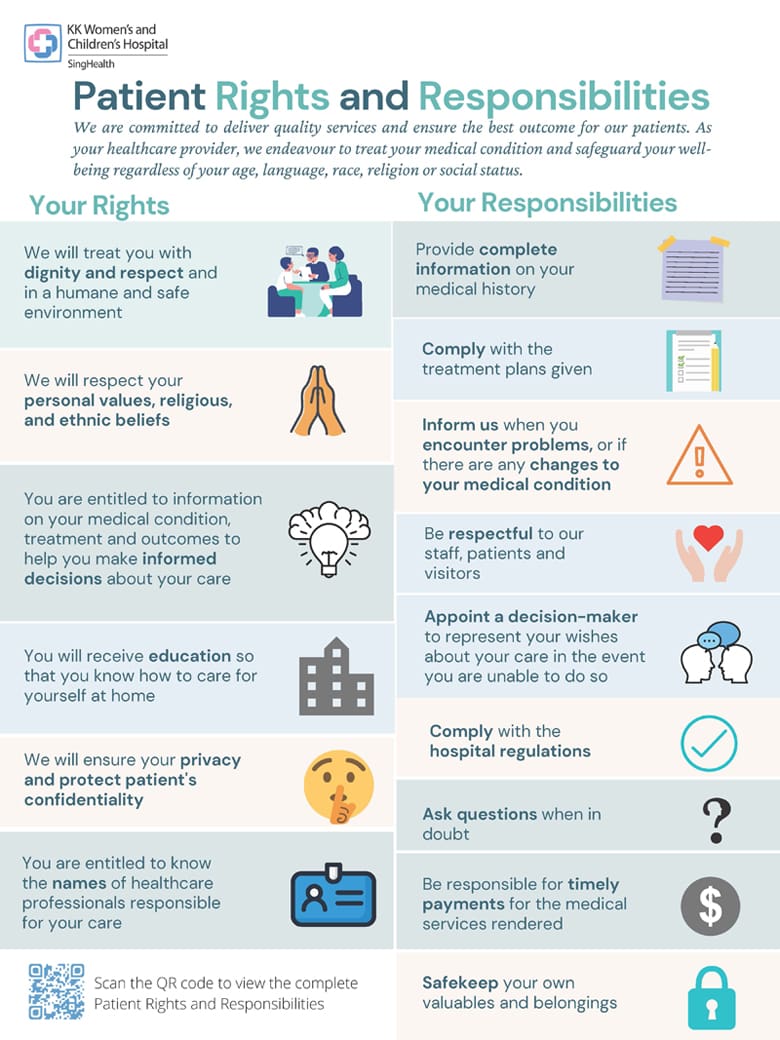
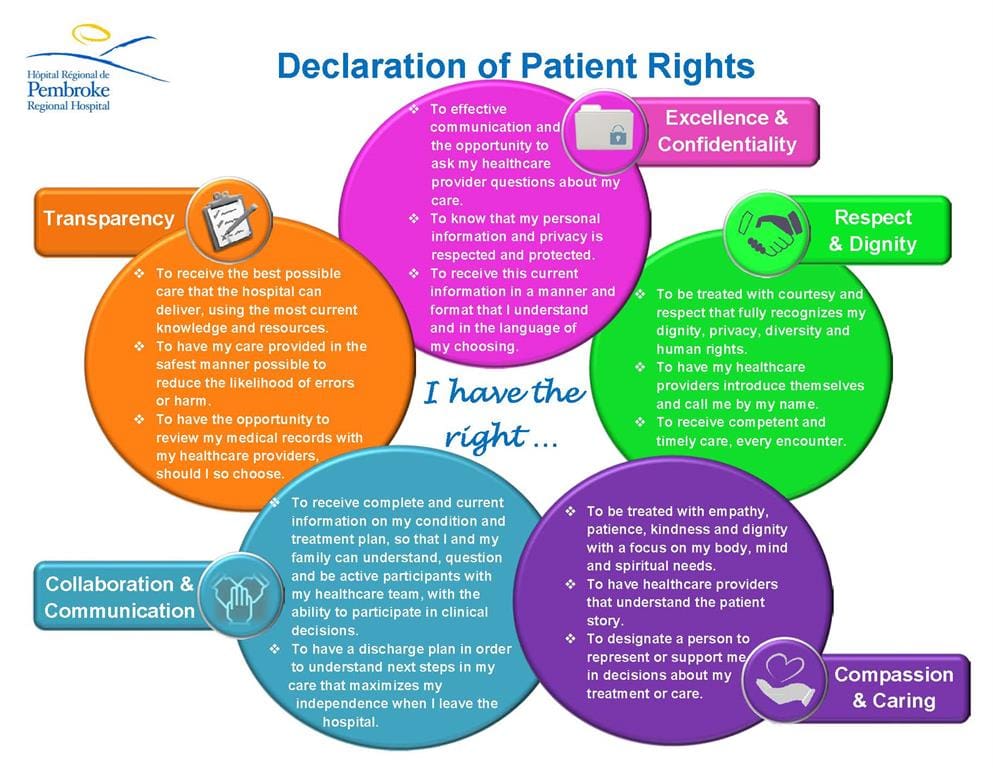
Patient rights encompass a set of ethical principles and legal protections that aim to ensure individuals receive respectful, safe, and appropriate healthcare. These rights include but are not limited to:
- Right to informed consent: The right to be fully informed about any medical treatment or procedure, including potential risks, benefits, and alternatives, and to provide voluntary and informed consent before proceeding.
- Right to privacy and confidentiality: The right to have personal medical information kept confidential and protected from unauthorized disclosure.
- Right to dignity and respect: The right to be treated with dignity, respect, and fairness by healthcare providers.
- Right to access medical records: The right to review and obtain copies of one’s medical records.
- Right to timely and appropriate healthcare: The right to receive timely and appropriate medical care without unnecessary delays or discrimination.
Importance of protecting patient rights
Protecting patient rights is essential for several reasons. Firstly, it upholds the principles of respect, autonomy, and dignity, which are fundamental to the doctor-patient relationship. Secondly, respecting patient rights promotes trust and confidence in the healthcare system, enabling patients to seek and receive necessary care without fear or hesitancy. Finally, safeguarding patient rights helps to maintain accountability within the healthcare system and ensures that patient-centered care remains a top priority.
Current Challenges in Protecting Patient Rights
Lack of awareness
One major challenge in protecting patient rights is a lack of awareness among both healthcare professionals and patients themselves. Many individuals are unaware of their rights as patients, making it difficult to assert those rights or seek redress when violated. Healthcare providers may also be uninformed or inadequately trained on patient rights, leading to potential violations due to ignorance rather than ill-intent. To address this challenge, education campaigns and training programs should be implemented to enhance awareness and understanding among all stakeholders involved.
Communication barriers
Effective communication is vital for ensuring patient rights are respected. However, numerous barriers can hinder clear and open communication in healthcare settings. Language barriers, cultural differences, health literacy limitations, and disparities in power dynamics can impede patients’ ability to understand and assert their rights. Healthcare providers must make efforts to establish open lines of communication, promote language access resources, and provide patient education materials in a culturally and linguistically appropriate manner.
Limited transparency in healthcare policies
Another challenge in protecting patient rights is the limited transparency surrounding healthcare policies, procedures, and outcomes. Patients often lack comprehensive information about their rights, available services, and the quality of care provided. Healthcare systems and policymakers should prioritize transparency, ensuring that patients have access to information necessary to make informed decisions and actively participate in their care. Improving transparency can empower patients and enable them to hold healthcare providers accountable for any breaches of their rights.
Legislation and Policies Safeguarding Patient Rights
HIPAA (Health Insurance Portability and Accountability Act)
The Health Insurance Portability and Accountability Act (HIPAA) is a federal law enacted in 1996 that plays a crucial role in safeguarding patient rights. HIPAA establishes rules for protecting individuals’ medical information, including strict standards for data privacy and security. This legislation grants patients the right to control the use and disclosure of their health information and gives them the ability to access their medical records. HIPAA also ensures that healthcare providers, insurers, and other entities handling protected health information adhere to stringent confidentiality standards.
Patient Bill of Rights
The Patient Bill of Rights is a declaration of patient rights and responsibilities originally introduced in 1973 by the American Hospital Association. This document outlines several key rights, including the right to respectful and considerate care, the right to refuse treatment, and the right to participate in healthcare decisions. While not legally binding, the Patient Bill of Rights serves as a guiding framework for healthcare organizations to uphold patient rights and maintain patient satisfaction.
Privacy and confidentiality laws
In addition to HIPAA, various other laws exist at the federal and state levels to protect patient privacy and confidentiality. These include the Confidentiality of Medical Information Act (CMIA), the Genetic Information Nondiscrimination Act (GINA), and state-level laws such as the California Confidentiality of Medical Information Act. These laws establish guidelines for the handling, use, and disclosure of sensitive medical information, ensuring that patient privacy is safeguarded.
Informed Consent and Shared Decision Making
Importance of informed consent
Informed consent is the process by which healthcare providers disclose relevant information to patients about proposed treatments or procedures. It enables patients to make autonomous decisions based on a thorough understanding of their condition, available options, potential risks, and benefits. Informed consent respects patients’ right to autonomy and ensures that they are active participants in their healthcare decisions. By obtaining informed consent, healthcare providers not only fulfill their ethical obligations but also contribute to a trusting and collaborative doctor-patient relationship.
Role of shared decision making
Shared decision making (SDM) is a collaborative approach in which healthcare providers and patients work together to reach healthcare decisions that align with the patient’s values, preferences, and medical evidence. SDM recognizes that patients possess unique knowledge about their own lives and values, and aims to combine their expertise with the medical expertise of healthcare providers. By engaging in shared decision making, patients become active partners in their care, and healthcare decisions are more likely to align with their individual goals and needs.
Ethical considerations
Informed consent and shared decision making raise several ethical considerations. It is crucial for healthcare providers to ensure that patients have adequate information and comprehension of the risks, benefits, and alternatives of proposed treatments. In situations where patients may lack decision-making capacity, the ethical responsibility falls upon the healthcare provider to involve authorized surrogates or legal representatives in the decision-making process. Additionally, healthcare professionals must undergo ongoing education and training to effectively communicate complex medical information and facilitate shared decision making with patients.
Advocacy Organizations Promoting Patient Rights
American Patient Rights Association
The American Patient Rights Association (APRA) is a national non-profit organization dedicated to protecting and promoting patient rights across the United States. APRA works to raise awareness about patient rights, provides resources and educational materials for patients and healthcare providers, and advocates for policy changes that improve patient-centered care. Through community outreach initiatives and collaboration with healthcare organizations, APRA strives to empower patients and ensure their voices are heard within the healthcare system.
National Advocates for Patients
National Advocates for Patients (NAP) is an advocacy organization committed to advancing the rights and well-being of patients nationwide. NAP provides legal support, representation, and advocacy resources for individuals who have experienced violations of their patient rights. Their services include complaint resolution assistance, legal advice, and guidance on navigating the complex healthcare system. NAP works tirelessly to promote patient empowerment, access to quality care, and accountability within the healthcare industry.
Patient Advocate Foundation
The Patient Advocate Foundation (PAF) is a national non-profit organization that focuses on addressing the barriers faced by patients in accessing healthcare. PAF offers a range of services, including providing education and information on patient rights, helping individuals navigate insurance coverage, and offering financial assistance for medical expenses. By amplifying the voices of patients and offering practical support, PAF ensures that individuals have the tools and resources needed to protect their rights and receive equitable and affordable care.
Addressing Disparities in Patient Rights
Racial and ethnic disparities
Racial and ethnic disparities in patient rights persist as a significant challenge in healthcare. Research has consistently shown that racial and ethnic minority groups face barriers in accessing quality healthcare and experience disparities in the diagnosis, treatment, and outcomes of various diseases. Addressing these disparities requires efforts to promote diversity and cultural competence within the healthcare workforce, implement anti-discriminatory policies, and increase access to healthcare services in underserved communities.
Socioeconomic disparities
Socioeconomic disparities significantly impact the protection of patient rights. Individuals from lower socioeconomic backgrounds often encounter barriers such as limited access to affordable healthcare, inadequate health insurance coverage, and lack of resources to enforce their rights. To address socioeconomic disparities, policymakers must work towards ensuring universal access to quality healthcare, implementing measures to reduce healthcare costs, and expanding health insurance coverage options for vulnerable populations.
Gender disparities
Gender disparities in patient rights exist due to various factors, including unequal access to healthcare services, differential treatment, and limited reproductive rights. Addressing gender disparities requires a multi-faceted approach, including increased representation and gender diversity in healthcare leadership, policies and practices that promote gender equity, and comprehensive sexual and reproductive healthcare services that respect individuals’ autonomy and rights.
Technological Advances and Patient Rights
Electronic health records
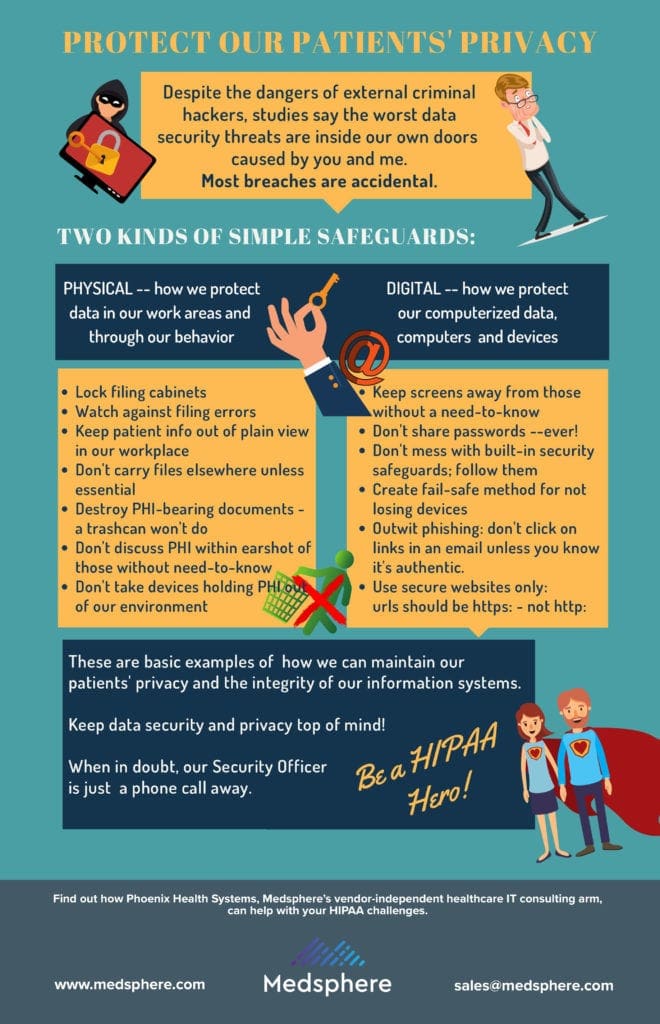
The digitization of healthcare records through electronic health records (EHRs) has brought both advantages and challenges to protecting patient rights. EHRs streamline data collection and sharing, improve coordination of care, and facilitate access to medical information. However, concerns about data privacy and security arise with this technological advancement. Safeguarding patient rights in the digital era requires robust data protection measures, including secure authentication, encryption, and comprehensive cybersecurity protocols to ensure patient information remains confidential and protected.
Telemedicine and telehealth
Telemedicine and telehealth have revolutionized the delivery of healthcare services, particularly in remote or underserved areas. These technologies allow patients to access healthcare professionals remotely, saving time and reducing barriers to care. However, as telemedicine expands, it is crucial to ensure that patient rights are not compromised. Issues such as informed consent, privacy, and confidentiality must be addressed through the development of policies and regulations that protect patients while embracing the benefits of telemedicine.
Data security and privacy
The proliferation of digital healthcare data and advancements in technology pose significant challenges to protecting patient rights regarding data security and privacy. As healthcare systems adopt interconnected technologies and store vast amounts of personal health information, the risk of data breaches and unauthorized access increases. Adequate data security measures, strict adherence to privacy regulations, and continuous monitoring of electronic systems are essential to maintain patient trust and protect their rights.
Ensuring Access to Quality Healthcare
Affordability and insurance coverage
Affordability and insurance coverage are critical factors in ensuring access to quality healthcare. Many individuals face financial barriers that prevent them from seeking necessary medical care or obtaining health insurance coverage. Expanding access to affordable insurance options, implementing measures to reduce healthcare costs, and providing subsidies or assistance programs for low-income individuals can help address these challenges and ensure equitable access to quality healthcare for all.
Timely and equitable access
Timely and equitable access to healthcare services is crucial to protect patient rights. Long wait times, disparities in access based on socioeconomic status or geographic location, and delays in diagnosis or treatment can all undermine patient rights. Healthcare systems should strive to reduce wait times, enhance access to specialists, and invest in infrastructure to ensure equitable distribution of healthcare resources. By prioritizing timely and equitable access, patient rights will be better protected.
Quality improvement initiatives
Quality improvement initiatives play a vital role in safeguarding patient rights. Continuous evaluation and monitoring of healthcare quality help identify areas for improvement and ensure that patients receive safe, effective, and evidence-based care. By implementing quality improvement programs, healthcare organizations can enhance patient safety, reduce medical errors, and provide a higher standard of care, ultimately upholding patients’ rights to receive appropriate and quality healthcare services.
Importance of Patient Education and Engagement
Empowering patients through education
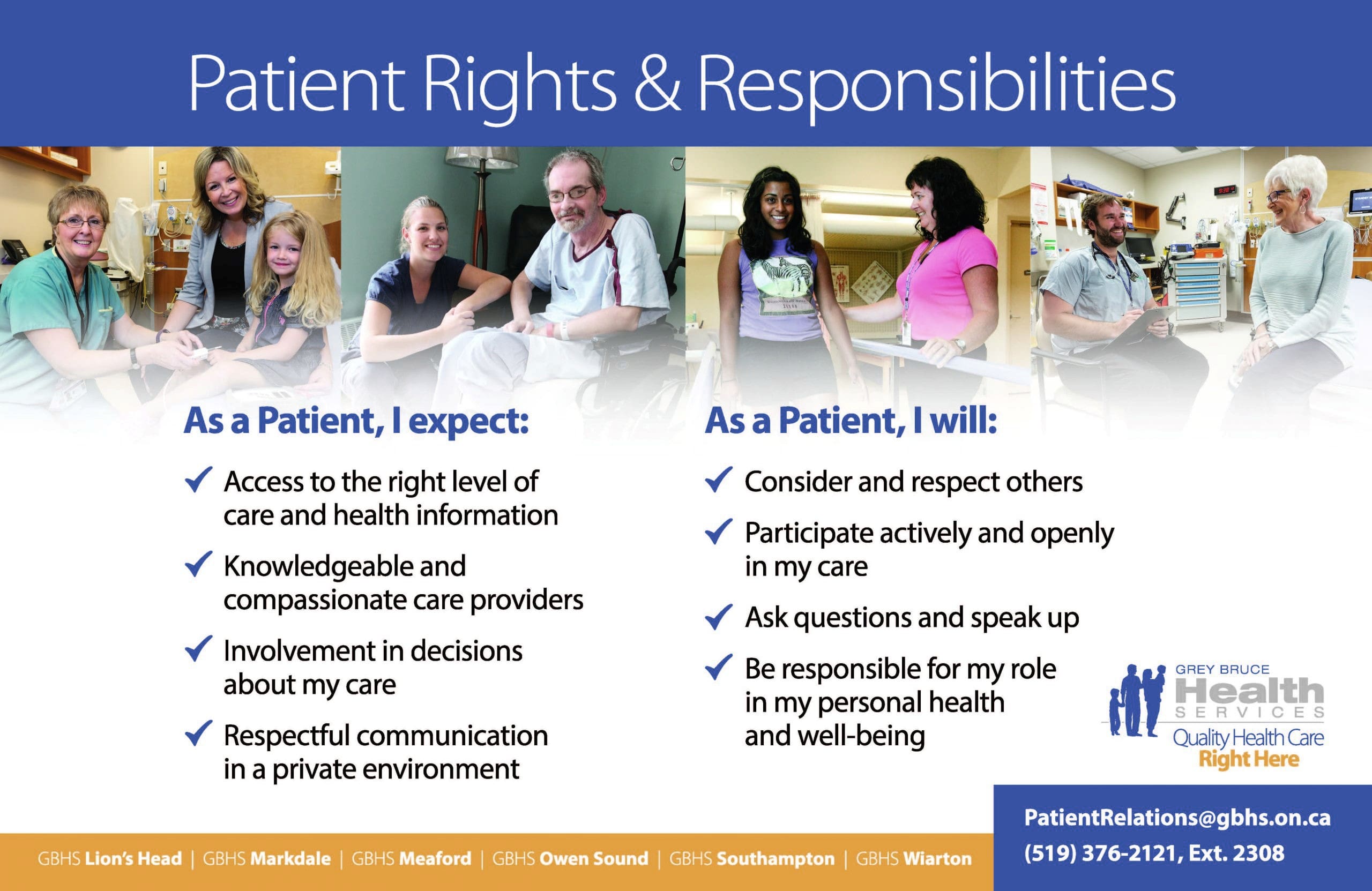
Patient education plays a crucial role in protecting patient rights. By providing clear and comprehensive information about their rights, available healthcare services, and the importance of active participation in their care, patients become equipped to assert their rights and make informed decisions. Educational initiatives should focus on enhancing health literacy, improving understanding of medical terminology, and empowering individuals to actively engage in their healthcare journey.
Encouraging patient involvement in decision making
Encouraging patient involvement in decision making is vital in protecting patient rights and promoting patient-centered care. Healthcare providers should create an environment that fosters open dialogue, listens to patients’ concerns and preferences, and offers them an opportunity to actively participate in medical decisions. Shared decision-making models, patient decision aids, and empowering patients to ask questions and express their preferences are effective strategies to ensure patients have a voice in their healthcare decisions.
Promoting health literacy
Health literacy, the ability to obtain, understand, and use healthcare information, is essential for individuals to navigate the complexities of the healthcare system and effectively advocate for their rights. Promoting health literacy involves using clear and concise language in written materials, providing educational resources in multiple formats and languages, and offering support and guidance to individuals with low health literacy levels. By improving health literacy, patient empowerment, and the protection of patient rights go hand in hand.
Enforcement and Compliance of Patient Rights
Role of regulatory bodies
Regulatory bodies play a vital role in enforcing and promoting compliance with patient rights protections. These bodies, such as the U.S. Department of Health and Human Services’ Office for Civil Rights and state-level licensing boards, oversee healthcare organizations and providers to ensure adherence to laws and regulations. They investigate complaints and reports of patient rights violations and have the authority to impose sanctions, fines, or other disciplinary actions against those found in violation. The active involvement of regulatory bodies is crucial in upholding patient rights and maintaining accountability within the healthcare system.
Legal consequences for violations
Violations of patient rights can have legal consequences for healthcare organizations and providers. Patients who experience rights violations may have legal recourse to seek compensation for damages, emotional distress, or other losses. Civil lawsuits can result in financial penalties, injunctions, or other legal remedies. In extreme cases, criminal charges may be brought against individuals or entities that intentionally or recklessly violate patient rights. Legal consequences serve as a deterrent and emphasize the importance of respecting and protecting the rights of patients.
Patient complaint procedures
Patient complaint procedures ensure that individuals have a mechanism to report violations of their rights and seek resolution. Healthcare organizations should have clear and accessible complaint procedures in place to address patient grievances promptly and effectively. Effective complaint procedures involve providing patients with information on how to file complaints, offering guidance and support throughout the process, conducting investigations in a fair and impartial manner, and implementing corrective actions to prevent future rights violations. Patient complaint procedures serve as an avenue for accountability and give patients a voice in the protection of their rights.
In conclusion, protecting patient rights is essential in maintaining a patient-centered healthcare system that respects autonomy, promotes dignity, and ensures equitable access to quality care. While there are challenges to safeguarding these rights, initiatives such as education, advocacy, legislative measures, and technological advancements can contribute to the protection, promotion, and enforcement of patient rights. By prioritizing patient rights, we can create a healthcare system that respects, empowers, and meets the diverse needs of individuals seeking medical treatment.
