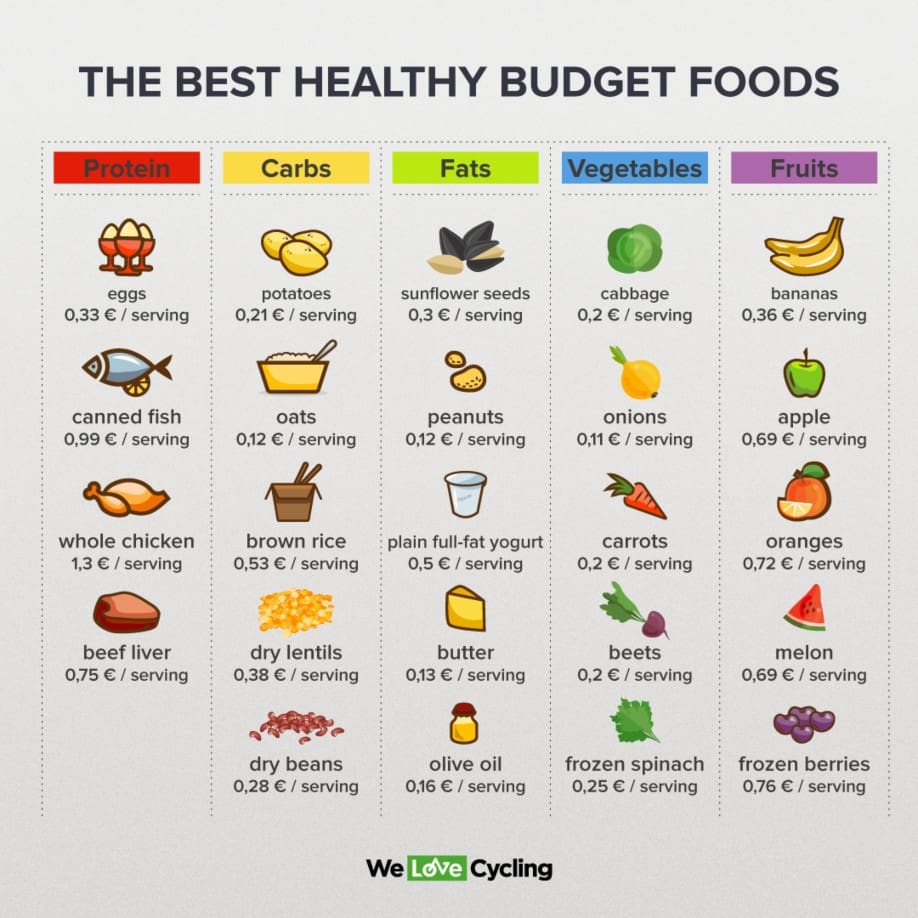
Are you tired of thinking that eating healthy means always breaking the bank? Well, guess what? It doesn’t have to be that way. In this article, you will discover some practical tips and tricks to help you maintain a healthy lifestyle without emptying your wallet. From smart grocery shopping strategies to budget-friendly recipe ideas, we’ve got you covered. So get ready to embark on a journey where nutritious and affordable meals go hand in hand. You’ll be amazed at how easy it can be to prioritize your health without compromising your budget.

Meal Planning
Create a weekly meal plan
Meal planning is a key strategy to help you eat healthy on a budget. By sitting down once a week to plan your meals, you can ensure that you have a balanced diet and avoid wastage. Start by reviewing your schedule for the upcoming week and consider any special dietary needs or preferences. Then, decide on the main dishes and side dishes you want to include in your meals. Take into account the ingredients you already have in your pantry and try to incorporate them into your meal plan. Creating a weekly meal plan will not only save you time and money but also help you make healthier food choices.
Make a grocery list
Once you have your weekly meal plan ready, it’s time to make a grocery list. Take a look at each recipe in your meal plan and write down all the ingredients you’ll need. Make sure to include the quantities required for each item. Organize your list by sections, such as produce, dairy, meats, and pantry staples, to make your grocery shopping more efficient. By having a well-organized list, you’ll be less likely to forget any items and can avoid impulse purchases that can add up quickly. Remember to stick to your list to stay on budget and avoid unnecessary expenses.
Stick to your meal plan and list
Now that you have your meal plan and grocery list, it’s important to stick to them. It’s easy to get tempted by sales or new food items, but staying focused on your meal plan will help you stay on track financially. By cooking the meals you planned, you can avoid spending money on takeout or dining out. Try to incorporate any leftovers into upcoming meals, so you can make the most of your ingredients and reduce food waste. By sticking to your meal plan and grocery list, you’ll not only save money but also ensure that you are consuming nutritious meals.
Cook at Home
Cooking saves money
Cooking your meals at home is one of the best ways to eat healthy on a budget. By preparing your own food, you have complete control over the ingredients you use, allowing you to make healthier choices. Additionally, eating at home is generally much cheaper than dining out. Restaurant meals often come with a hefty price tag, while homemade meals can be significantly more affordable. Cooking at home allows you to stretch your grocery budget and allocate more money towards other important expenses.
Cook in bulk and freeze leftovers
Cooking in bulk is a great way to save time and money. When you have a busy schedule, it can be tempting to order takeout or rely on convenience foods. However, by spending some time cooking in advance, you can have meals ready to go throughout the week. Prepare large batches of your favorite recipes and portion them into individual servings. You can then freeze these portions and reheat them whenever you need a quick, healthy meal. Not only does cooking in bulk save you money, but it also allows you to have nutritious meals readily available, reducing the temptation to make unhealthy choices.
Learn simple and affordable recipes
Learning simple and affordable recipes is essential for eating healthy on a budget. There are countless resources available, including cookbooks, websites, and cooking shows, that provide easy and budget-friendly recipes. Look for recipes that use affordable ingredients and require minimal preparation time. Focus on dishes that utilize staple ingredients, such as rice, pasta, beans, and vegetables. By expanding your repertoire of simple recipes, you can enjoy a variety of delicious meals without breaking the bank.
Shop Smart
Buy in-season produce
Buying in-season produce is a smart way to save money on groceries. When fruits and vegetables are in season, they are abundant and therefore cheaper. Additionally, in-season produce tends to be fresher and more flavorful. Take a look at which fruits and vegetables are currently in season and plan your meals around them. Not only will you be supporting local farmers, but you’ll also be able to enjoy the best-quality produce at a fraction of the cost.
Compare prices
Comparing prices is crucial when trying to eat healthy on a budget. Before making a purchase, take the time to compare prices at different stores or online. Pay attention to the prices of staple items, such as grains, dairy, and protein sources. Many stores offer weekly sales or promotions, so keeping an eye on these deals can help you save even more money. Remember that the cheapest option may not always be the best quality, so consider factors such as freshness and nutritional value when comparing prices.
Look for sales and discounts
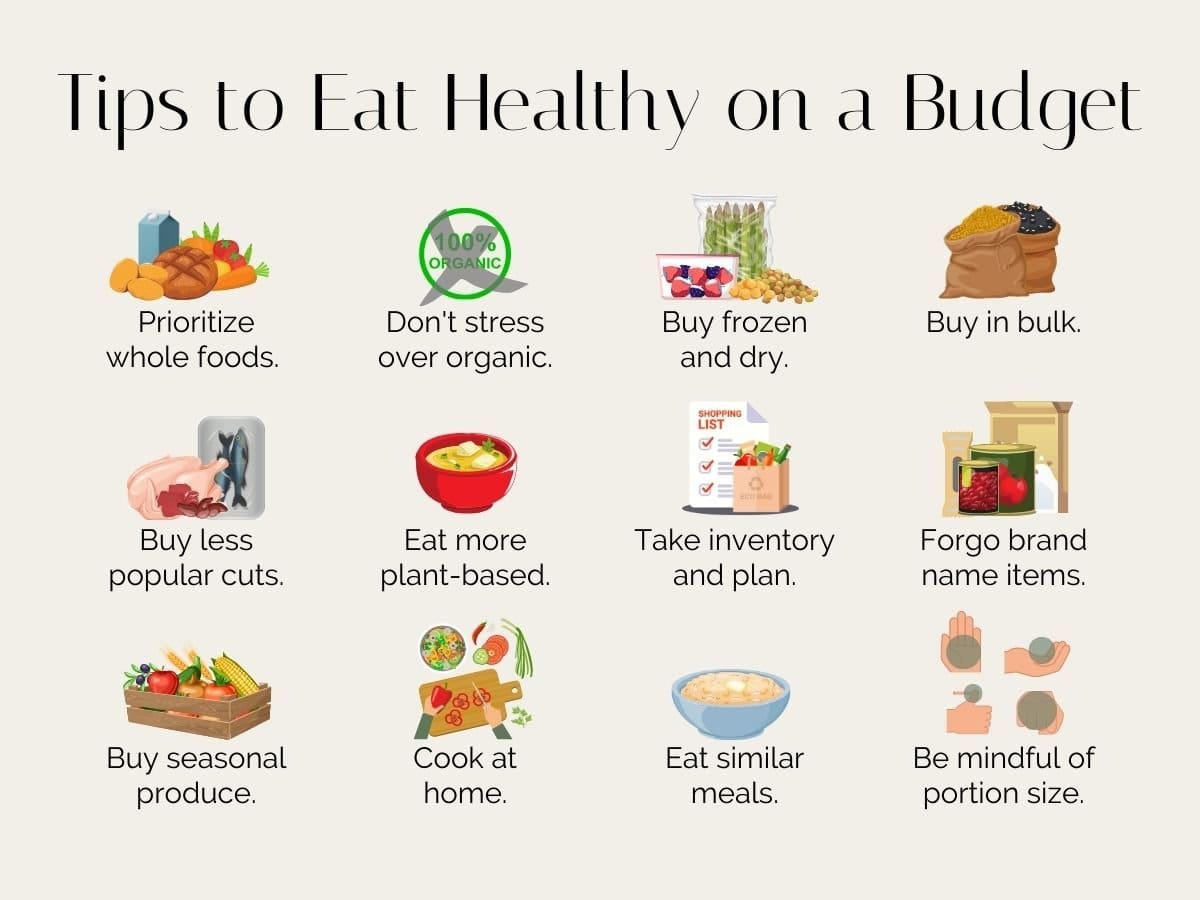
To further stretch your grocery budget, keep an eye out for sales and discounts. Many stores have weekly or monthly promotions on different products. Take advantage of these sales to stock up on items you regularly use. Non-perishable staples such as rice, pasta, and canned goods often go on sale, so it’s a good idea to buy in bulk when the prices are low. Additionally, don’t forget to check if any coupons or discounts are available for items on your grocery list. With a little research and planning, you can save a significant amount of money on your grocery bills.
Shop at farmers markets and local stores
Shopping at farmers markets and local stores not only supports small businesses but also provides an opportunity to find affordable, fresh produce. Farmers markets often offer a wide variety of fruits, vegetables, and other products at competitive prices. By purchasing directly from local farmers and producers, you can avoid the markup that often comes with supermarket prices. Additionally, many local stores focus on offering affordable options, making it easier for you to stick to your budget while still enjoying healthy and fresh food.
Avoid pre-packaged and processed foods
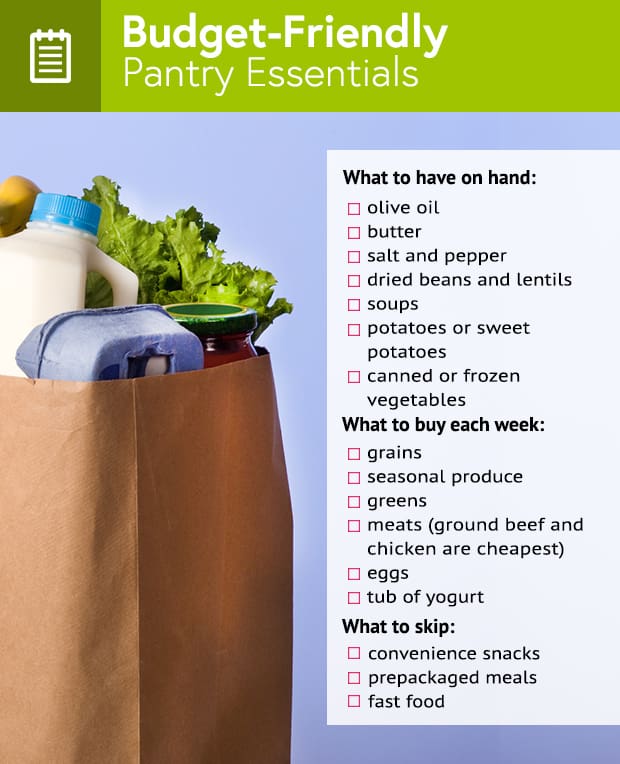
Pre-packaged and processed foods are often more expensive and less nutritious compared to whole, unprocessed foods. While convenience foods may seem like a time-saving option, they are generally higher in sodium, added sugars, and unhealthy fats. By opting for fresh ingredients and cooking from scratch, you can save money and have more control over the nutritional content of your meals. Instead of relying on pre-packaged meals or snacks, try to make recipes that use whole ingredients and avoid unnecessary additives.
Buy in Bulk
Buy staple foods in bulk
Buying staple foods in bulk can significantly reduce your grocery expenses. Items such as rice, pasta, beans, and oats are affordable when purchased in larger quantities. Look for bulk bins at your local grocery store or consider joining a warehouse club that offers discounts for buying in bulk. When buying in bulk, make sure you have adequate storage space and properly store the items to prevent spoilage. By stocking up on staple foods, you’ll always have the basics on hand and can avoid frequent trips to the grocery store.
Store properly to prevent spoilage
Properly storing your food is essential to prevent spoilage and extend its shelf life. Make sure to store perishable items, such as fruits and vegetables, in the refrigerator to keep them fresh for longer. Utilize airtight containers or freezer bags to store bulk items like grains and legumes, protecting them from moisture and pests. Take the time to organize your pantry and refrigerator, ensuring that older items are used before newer ones to minimize waste. By practicing proper food storage, you can maximize the longevity of your groceries and reduce the chances of having to throw out spoiled food.
Utilize Leftovers
Get creative with leftovers
Leftovers might not seem exciting, but with a little creativity, you can turn them into delicious and budget-friendly meals. Instead of letting leftovers go to waste, consider repurposing them into new dishes. For example, leftover roasted chicken can be shredded and used in tacos or salads. Unused vegetables can be stir-fried or added to hearty soups. By getting creative with your leftovers, you can save money and reduce food waste while still enjoying a variety of meals throughout the week.
Repurpose ingredients
In addition to utilizing leftovers, repurpose ingredients to stretch your food budget even further. For example, if you have a bunch of ripe bananas, rather than throwing them away, use them to make banana bread or freeze them for smoothies. Overripe tomatoes can be used to make a flavorful homemade tomato sauce. By repurposing ingredients, you can transform them into new and exciting dishes, giving them a second life and reducing waste. Get creative in the kitchen and experiment with different recipes to make the most of every ingredient.
Grow your Own Food
Start a small garden
Growing your own food, even if you have limited space, is a great way to eat healthy on a budget. Consider starting a small garden in your backyard, balcony, or even a sunny window sill. Herbs like basil, mint, and parsley, as well as vegetables like cherry tomatoes, lettuce, and peppers, can be grown in pots and containers. Growing your own food not only saves you money on groceries but also allows you to enjoy the satisfaction of eating something you’ve nurtured from seed to harvest.
Grow herbs and vegetables even in small spaces
If space is limited, there are still plenty of options for growing herbs and vegetables. Vertical gardening, using hanging baskets, or even utilizing a small plot in a community garden can provide you with access to fresh produce. Herbs like thyme, rosemary, and chives, and vegetables like spinach and microgreens, can thrive in small spaces. By growing your own herbs and vegetables, you can add flavor to your dishes while saving money on store-bought alternatives.
Choose Affordable Protein Sources
Opt for plant-based proteins
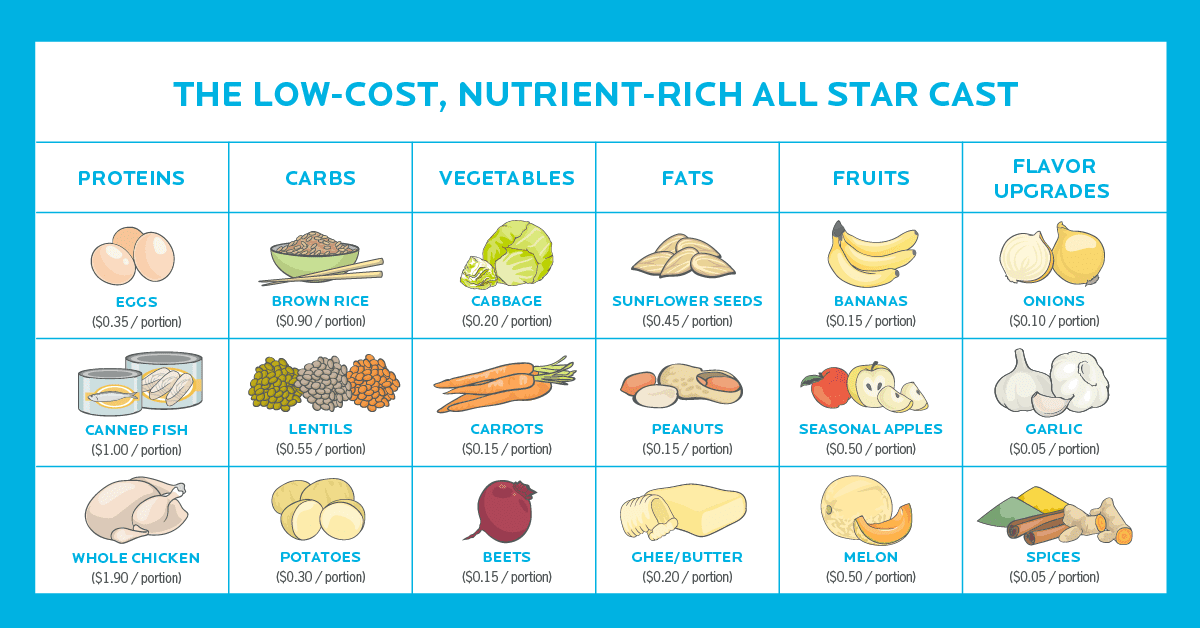
Plant-based proteins are often more affordable compared to animal-based proteins. Foods like beans, lentils, tofu, and tempeh are great sources of protein and can be used as alternatives to meat. Incorporating these protein sources into your meals can help you save money and also provide health benefits, such as reducing saturated fat intake. Look for recipes that feature plant-based proteins as the main ingredient, or combine them with smaller amounts of meat or fish to create more affordable and nutritious meals.
Buy cheaper cuts of meat
If you prefer to include meat in your diet, opt for cheaper cuts to save money. While cuts like sirloin or fillet may be more expensive, there are plenty of affordable options available. For example, cuts like chicken thighs, pork shoulder, or ground meat can be flavorful and more budget-friendly. Slow cooking or marinating these cuts can make them tender and delicious. By choosing cheaper cuts of meat, you can still enjoy meat-based meals while keeping your grocery bill under control.
Use beans and legumes as protein alternatives
Beans and legumes are not only affordable but also packed with protein, fiber, and essential nutrients. Incorporate beans into your meals as a versatile protein alternative. Whether it’s adding black beans to salads, chickpeas to curries, or lentils to stews, these ingredients can be filling and nutritious additions to your diet. Additionally, dried beans and legumes are even more economical than canned options. Soaking and cooking them yourself can result in substantial savings while providing you with a superior taste and texture.
Minimize Food Waste
Plan meals around ingredients
Planning meals around the ingredients you already have can help you minimize food waste and save money. Before going grocery shopping, take an inventory of the items in your pantry, refrigerator, and freezer. Look for ingredients that need to be used soon and plan meals around them. For example, if you have leftover chicken, plan a meal that uses it as the main protein. By planning meals based on what you already have, you can reduce the chance of ingredients going bad and maximize the use of what you have on hand.
Properly store fruits and vegetables
Properly storing fruits and vegetables is crucial to prevent them from spoiling prematurely. Some fruits and vegetables produce ethylene gas, which causes other produce to ripen and spoil faster. To avoid this, store ethylene-producing fruits like apples and bananas separately from other produce. Additionally, utilize storage techniques like wrapping leafy greens in damp paper towels or keeping herbs in water to extend their freshness. By properly storing fruits and vegetables, you can prevent them from going bad prematurely and maximize their shelf life.
Use all parts of the food
Using all parts of the food is an effective way to minimize waste and get the most out of your ingredients. For example, carrot tops can be used in pesto, broccoli stalks can be turned into delicious soup, and vegetable scraps can be used to make homemade broth. Get creative in the kitchen and experiment with different ways to utilize all the parts of the food. By doing so, you’ll not only save money but also reduce your environmental footprint.
Consider composting
Composting is a sustainable way to dispose of food scraps and reduce waste. Rather than throwing away vegetable peels, coffee grounds, and other organic matter, start a compost bin or pile in your backyard. Composting allows these scraps to decompose and turn into nutrient-rich soil, which can be used to fertilize plants or gardens. By composting, you’ll reduce the amount of waste that ends up in landfills, and you can also save money on purchasing compost or fertilizer.
Avoid Eating Out
Eating out is more expensive
Eating out is often more expensive than cooking meals at home. Restaurant prices typically include not only the cost of ingredients but also overhead expenses like labor and rent. Additionally, when dining out, it’s easy to spend more on drinks, appetizers, and desserts, which can quickly add up. By avoiding eating out and opting for homemade meals, you can significantly reduce your food expenses and have more control over the quality and nutritional content of your meals.
Pack meals and snacks when going out
To avoid the temptation of eating out, pack your own meals and snacks when you’re on the go. Whether you’re heading to work, running errands, or going on a day trip, bring along a homemade lunch, a selection of healthy snacks, and a refillable water bottle. By being prepared with your own food, you’ll be less likely to make impulsive and expensive food choices. If you need some inspiration, consider preparing grab-and-go options like salads, wraps, or trail mix, which are easy to pack and can be enjoyed at any time.
Drink Water
Water is inexpensive and healthy
Choosing water as your primary beverage is not only friendly to your wallet but also beneficial for your health. Unlike sugary drinks and sodas, water is inexpensive and has no added calories or artificial ingredients. Drinking an adequate amount of water helps keep you hydrated, aids in digestion, and supports overall well-being. Invest in a reusable water bottle to carry with you throughout the day, and refill it whenever necessary. By prioritizing water as your drink of choice, you’ll save money and contribute to your overall health and well-being.
Avoid sugary and expensive drinks
Sugary and expensive drinks like soda, energy drinks, and fancy coffees can quickly eat away at your budget. Not only are these drinks often costly, but they are also loaded with sugar, empty calories, and unhealthy additives. Whether at home or while dining out, opt for water instead of these sugary and expensive drinks. If you’re looking for some variety, try infusing your water with fresh fruits or herbs to add flavor naturally. By avoiding sugary and expensive drinks, you’ll not only save money but also support your overall health.
In conclusion, eating healthy on a budget is entirely achievable with the right strategies in place. By implementing these tips such as meal planning, cooking at home, shopping smart, buying in bulk, utilizing leftovers, growing your own food, choosing affordable protein sources, minimizing food waste, avoiding eating out, and drinking water, you can make nutritious choices while keeping your grocery expenses under control. Remember, small changes can make a big difference, so start incorporating these practices into your lifestyle today and reap the benefits of eating well without breaking the bank.