
Welcome to a guide on effective strategies for maintaining a healthy diet! In today’s fast-paced world, it can be challenging to make healthy food choices. However, by incorporating simple yet powerful strategies into your daily routine, you can achieve and maintain a balanced and nutritious diet. From meal planning and mindful eating to staying hydrated and incorporating a variety of foods, these strategies will help you make positive changes to your diet for a healthier and happier you. Let’s dive in and discover how you can start making healthier choices today! Have you ever struggled with maintaining a healthy diet? You’re not alone! Finding effective strategies to stick to a nutritious eating plan can be challenging, but with the right approach, you can achieve your health goals and feel your best. In this article, we’ll explore proven tactics and tips to help you maintain a healthy diet without feeling deprived or overwhelmed.

Understanding the Basics of a Healthy Diet
Maintaining a healthy diet doesn’t have to be complicated. By understanding the basic principles of nutrition, you can make informed choices that support your overall well-being. A healthy diet should include a variety of nutrient-dense foods, such as fruits, vegetables, whole grains, lean proteins, and healthy fats.
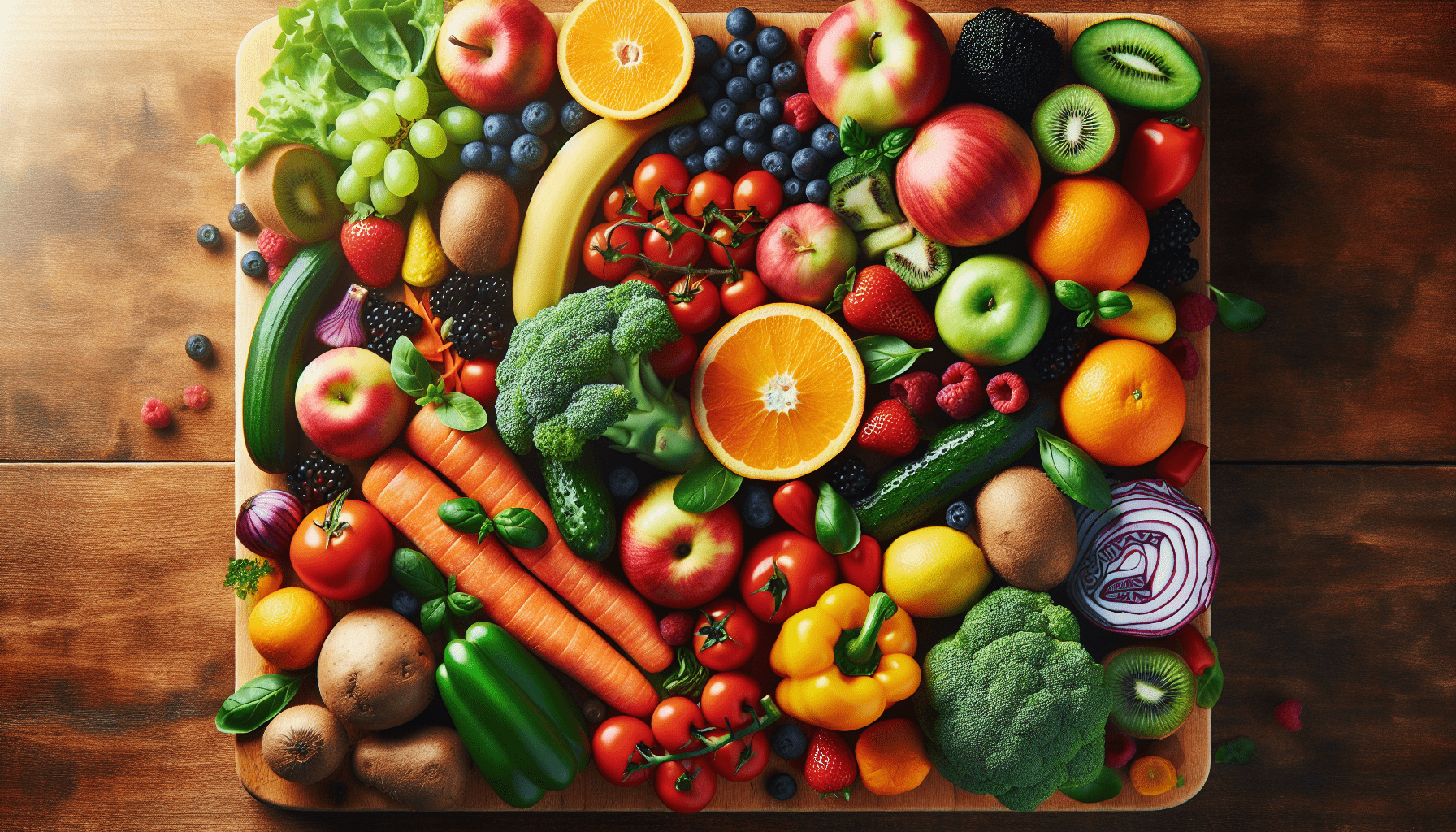
When you fill your plate with a rainbow of colors and focus on whole, minimally processed foods, you’re providing your body with the essential vitamins, minerals, and antioxidants it needs to function optimally. Remember to stay hydrated by drinking plenty of water throughout the day and limit your intake of sugary beverages and high-fat foods.
Setting Realistic Goals for Success
Setting realistic goals is key to maintaining a healthy diet long-term. Instead of aiming for perfection, focus on making small, sustainable changes that you can stick to over time. Start by identifying areas where you can improve your eating habits, such as reducing your intake of added sugars, eating more vegetables, or cooking at home more often.
By breaking larger goals into manageable steps, you’ll set yourself up for success and avoid feeling overwhelmed. Celebrate your progress along the way and don’t be too hard on yourself if you slip up occasionally. Remember, it’s all about progress, not perfection.

Planning Ahead for Healthy Eating
One of the most effective strategies for maintaining a healthy diet is planning ahead. By taking the time to plan your meals and snacks for the week, you can ensure that you have nutritious options readily available when hunger strikes. Start by creating a weekly meal plan that includes a balance of protein, carbohydrates, and healthy fats.
Make a list of groceries based on your meal plan and choose a day to prep ingredients or cook in bulk, so you have healthy options on hand during busy weekdays. Consider investing in meal prep containers to portion out meals ahead of time for easy grab-and-go convenience. Planning ahead will not only save you time and money but also help you make healthier choices throughout the week.
Eating Mindfully for Better Health
Mindful eating is a powerful tool for maintaining a healthy diet and improving your relationship with food. Instead of eating on autopilot or in front of a screen, take the time to savor each bite, chew slowly, and pay attention to your hunger and fullness cues.
By tuning into your body’s signals, you can better recognize when you’re truly hungry versus eating out of boredom, stress, or habit. Practice mindful eating by sitting down at a table without distractions, engaging your senses, and taking the time to enjoy your food. When you eat mindfully, you’ll be more in tune with your body’s needs and make healthier choices as a result.

Incorporating More Fruits and Vegetables
Fruits and vegetables are nutritional powerhouses that should form the foundation of a healthy diet. Packed with vitamins, minerals, fiber, and antioxidants, these plant-based foods offer numerous health benefits and can help reduce your risk of chronic diseases, such as heart disease, diabetes, and cancer.
Make it a goal to incorporate a variety of fruits and vegetables into your meals and snacks each day. Aim to fill half your plate with colorful produce at every meal and experiment with different types, textures, and flavors to keep things interesting. Consider trying new recipes, swapping out traditional ingredients for more veggies, or adding fruits to your morning yogurt or oatmeal for a sweet and satisfying boost.
Balancing Macronutrients for Optimal Nutrition
Macronutrients, including carbohydrates, proteins, and fats, are essential components of a healthy diet that provide your body with energy, support growth and repair, and regulate various bodily functions. To maintain a balanced diet, it’s important to include all three macronutrients in your meals and snacks.
Carbohydrates, found in grains, fruits, vegetables, and legumes, are the body’s primary source of energy and should make up a significant portion of your diet. Protein-rich foods, such as lean meats, poultry, fish, tofu, beans, and nuts, are crucial for muscle repair and growth. Healthy fats, like avocados, nuts, seeds, and olive oil, play a key role in hormone production, nutrient absorption, and brain function.
Monitoring Portion Sizes for Weight Management
Monitoring portion sizes is an effective strategy for maintaining a healthy diet and managing your weight. Even nutrient-dense foods can contribute to weight gain if consumed in excess, so it’s important to practice portion control and listen to your body’s hunger and fullness signals.
Pay attention to serving sizes and use measuring cups, spoons, or a food scale to ensure you’re eating appropriate portions. Consider using smaller plates, bowls, and utensils to help control portion sizes and prevent overeating. Be mindful of portion distortion when eating out or indulging in treats, and practice moderation to enjoy your favorite foods without derailing your healthy eating habits.
Making Healthier Choices When Dining Out
Eating out can present challenges when trying to maintain a healthy diet, but with a little planning and mindfulness, you can make healthier choices at restaurants and avoid overindulging. When dining out, opt for grilled, baked, or steamed dishes over fried or breaded options, and ask for sauces and dressings on the side to control your intake.
Choose dishes that feature plenty of vegetables, lean proteins, and whole grains, and consider splitting a meal with a friend or taking half home for later. Be mindful of portion sizes, avoid super-sized portions, and listen to your body’s hunger cues to prevent overeating. Remember, it’s okay to enjoy a treat occasionally, but balance indulgences with nutritious choices to support your overall health goals.
Staying Hydrated for Optimal Wellness
Hydration is essential for overall health and well-being, yet many people overlook the importance of drinking enough water throughout the day. Staying hydrated helps regulate body temperature, support digestion, transport nutrients, and flush out toxins from the body.
Make it a habit to carry a reusable water bottle with you wherever you go and sip on water regularly to stay hydrated. Aim to drink at least eight 8-ounce glasses of water daily, and adjust your intake based on factors like physical activity, climate, and overall health. Consider infusing water with fresh fruits, herbs, or cucumber slices for added flavor and nutrients, and limit your consumption of sugary beverages that can contribute to excess calories and weight gain.
Seeking Support and Accountability
Maintaining a healthy diet can be challenging, especially when faced with temptation, stress, or social situations that can derail your eating habits. Seeking support and accountability from friends, family, or a health professional can help you stay on track and motivated to reach your health goals.
Consider enlisting a workout buddy, joining a healthy cooking class, or working with a registered dietitian or nutrition coach for personalized guidance and support. Share your goals with others, celebrate your successes, and lean on your support system when faced with challenges or setbacks. Remember, you don’t have to navigate your health journey alone, and having a strong support network can make all the difference.
In conclusion, maintaining a healthy diet is a journey that requires dedication, planning, and mindfulness. By understanding the basics of nutrition, setting realistic goals, planning ahead, eating mindfully, and incorporating a variety of nutrient-dense foods into your meals, you can create a sustainable eating plan that supports your overall health and well-being. Remember to listen to your body, practice portion control, make healthier choices when dining out, and seek support when needed. With time, patience, and perseverance, you can achieve your health goals and enjoy a vibrant and fulfilling life fueled by nutritious foods and positive lifestyle habits.