
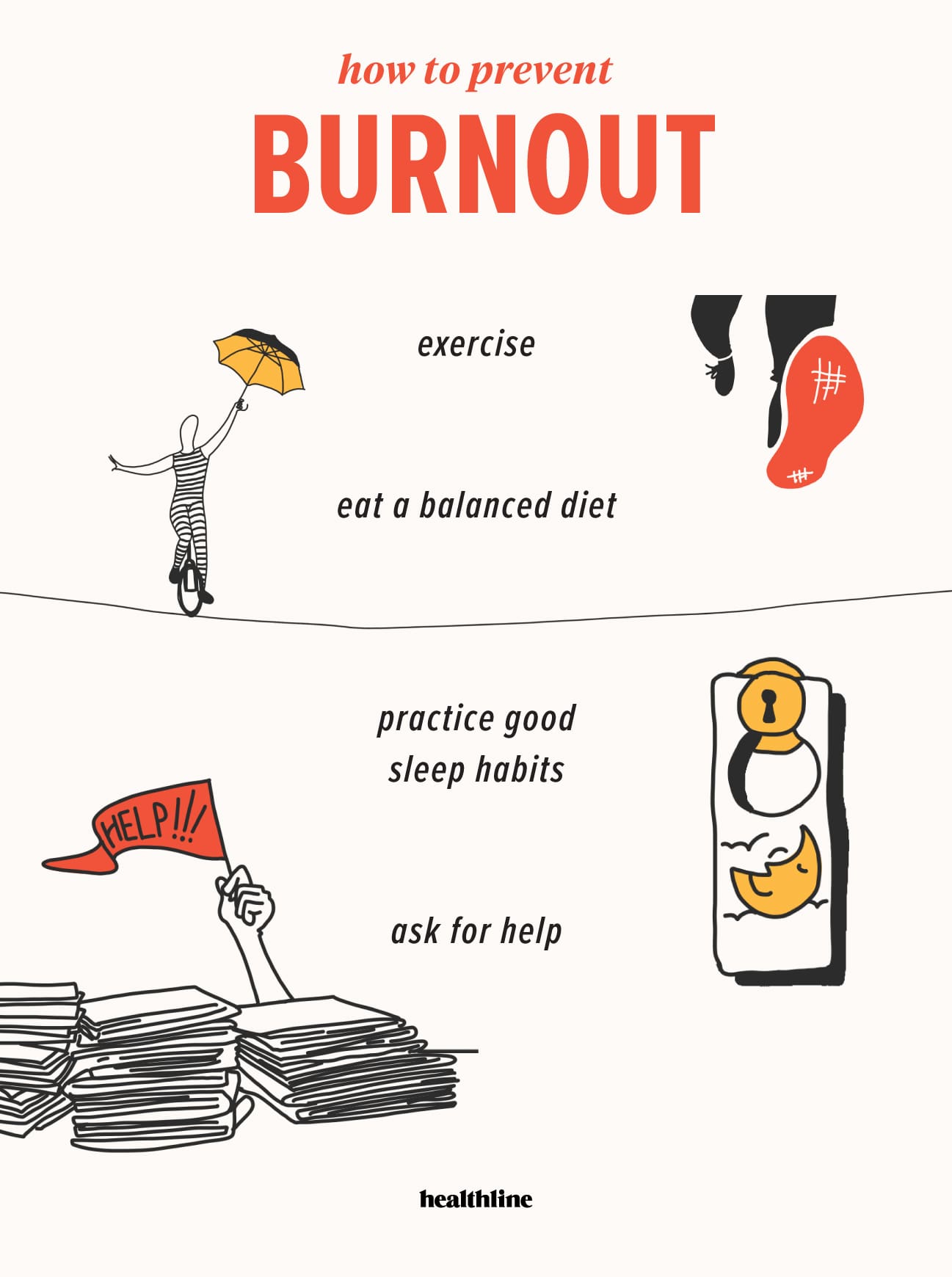
Are you feeling exhausted, overwhelmed, and stressed out? Burnout can take a toll on your physical and mental well-being, making it essential to find effective strategies to prevent it. In this article, we will explore some practical tips and techniques to help you combat burnout and maintain a healthy work-life balance. From prioritizing self-care to setting boundaries, you will discover how to stay energized and motivated while avoiding the pitfalls of burnout. So, if you’re ready to reclaim your peace of mind and thrive in both your personal and professional life, read on for some invaluable insights.
Set Realistic Goals
Assess your capabilities
Setting realistic goals is essential for preventing burnout. Start by assessing your capabilities and understanding your limitations. Be honest with yourself about what you can realistically achieve within a given timeframe. By having a clear understanding of your abilities, you can set goals that are challenging yet achievable. This will help prevent feelings of overwhelm and reduce the risk of burnout.
Break tasks into manageable chunks
When faced with a large project or workload, it can be easy to feel overwhelmed. To avoid burnout, break tasks into smaller, more manageable chunks. This will make the work feel less daunting and more attainable. Focus on completing one task at a time, celebrating each small accomplishment along the way. Breaking tasks into smaller pieces also allows for better time management, enabling you to allocate your resources effectively.
Set priorities
One of the key aspects of preventing burnout is setting priorities. Not all tasks or goals are equally important. Take the time to identify the most critical tasks that need your attention and focus on them first. This will help you stay organized, maintain clarity, and prevent unnecessary stress. Prioritizing your tasks ensures that you are working on what truly matters, reducing the risk of burnout while maximizing productivity.
Delegate tasks
Recognize that you cannot do everything on your own. Delegating tasks is a vital strategy for preventing burnout. Assess your workload and identify tasks that can be entrusted to others. Delegate tasks to colleagues or team members who have the necessary skills and capacity to handle them. Not only does this help lighten your workload, but it also fosters a collaborative environment. Delegating tasks allows you to focus on your core responsibilities, reduces stress, and prevents burnout.
Maintain Work-Life Balance
Establish boundaries between work and personal life
Maintaining a healthy work-life balance is crucial for preventing burnout. It’s essential to establish clear boundaries between your work and personal life. Set specific work hours and stick to them as much as possible. Avoid checking work emails or engaging in work-related tasks outside of these hours. By creating separation between work and personal life, you give yourself time to recharge and rejuvenate, reducing the risk of burnout.
Allocate time for leisure activities
Make sure to allocate time for leisure activities in your schedule. Engaging in hobbies, spending time with loved ones, or pursuing activities that bring you joy helps to restore your energy and prevent burnout. Schedule regular breaks and vacations to give yourself time to unwind and recharge. Remember that work is just one aspect of your life, and making time for leisure activities is essential for your overall well-being.
Prioritize self-care
Self-care is not a luxury; it is a necessity. Prioritizing self-care is crucial for preventing burnout. Take care of your physical, mental, and emotional well-being. Engage in activities that promote self-care, such as exercise, getting enough sleep, eating nutritious meals, and engaging in relaxation techniques. Prioritizing self-care allows you to replenish your energy and maintain a healthy work-life balance.
Practice mindfulness or meditation
Incorporating mindfulness or meditation practices into your daily routine can significantly impact your well-being and prevent burnout. Take a few moments each day to practice mindfulness or meditation. This can involve deep breathing exercises, guided meditation, or simply spending time in quiet reflection. Mindfulness and meditation help reduce stress, increase self-awareness, and improve focus. By incorporating these practices into your routine, you can cultivate a sense of calm and resilience, preventing burnout.
Manage Time Efficiently
Create a schedule or to-do list
To manage your time efficiently, create a schedule or to-do list that outlines your tasks and priorities. Having a clear plan for your day helps you stay organized and focused. Break down your tasks into specific time slots, ensuring that you allocate enough time for each task while also considering breaks and leisure activities. Having a schedule or to-do list helps prevent procrastination, keeps you on track, and reduces the risk of burnout.
Avoid multitasking
While multitasking may seem like a time-saving technique, it can actually lead to increased stress and decreased productivity. To manage your time efficiently and prevent burnout, avoid multitasking. Instead, focus on one task at a time, giving it your full attention and effort. Multitasking divides your attention and can lead to poor quality work. By focusing on one task at a time, you can work more effectively and avoid the exhaustion that comes with multitasking.
Use time management techniques (e.g. Pomodoro Technique)
Time management techniques can be highly effective in preventing burnout. One popular technique is the Pomodoro Technique. This technique involves working for a set period, typically 25 minutes, followed by a short break of 5 minutes. After completing four work periods, take a more extended break of 15-30 minutes. This technique helps maintain focus, increase productivity, and prevent burnout. Explore different time management techniques to find the one that works best for you.
Eliminate or reduce time-wasting activities
Identify and eliminate time-wasting activities that do not contribute to your productivity or well-being. Be mindful of how you spend your time throughout the day and assess whether certain activities or habits are truly necessary. Minimize distractions, such as excessive social media use or procrastination, by setting boundaries and establishing self-discipline. By eliminating or reducing time-wasting activities, you can free up valuable time and prevent burnout.
Develop Effective Stress Management Techniques
Identify and address sources of stress
To prevent burnout, it is crucial to identify and address the sources of stress in your life. Recognize the factors that contribute to your stress levels, whether they are work-related or personal. Once identified, explore ways to mitigate or cope with these stressors. This may involve setting boundaries, seeking support, or making lifestyle changes. Identifying and addressing the sources of stress allows you to take proactive measures to prevent burnout.
Engage in regular exercise
Regular exercise is not only beneficial for physical health but also for mental well-being. Engaging in physical activity releases endorphins and promotes a sense of well-being, reducing stress and preventing burnout. Find activities that you enjoy and make them a part of your routine. Whether it’s going for a walk, practicing yoga, or participating in a team sport, make time for regular exercise to support your overall well-being and prevent burnout.
Practice relaxation techniques (e.g. deep breathing)
Incorporate relaxation techniques into your daily routine to manage stress and prevent burnout. Deep breathing exercises, for example, can help activate the body’s relaxation response, reducing stress levels. Practice deep breathing by inhaling deeply through your nose, holding your breath for a few seconds, and exhaling slowly through your mouth. This simple technique can be done anywhere and at any time, helping you manage stress and prevent burnout.
Seek support from friends, family, or professionals
Don’t hesitate to seek support when you need it. Reach out to friends, family, or trusted colleagues to share your feelings and experiences. Sometimes simply talking about what you’re going through can provide relief. If you find that stress or burnout is affecting your daily life significantly, consider seeking professional help from a therapist or counselor. They can provide guidance, support, and tools to help you manage stress effectively and prevent burnout.
Promote a Positive Work Environment
Encourage open communication and collaboration
Building a positive work environment is essential for preventing burnout. Encourage open communication and collaboration among team members. Foster an environment where individuals feel comfortable expressing their thoughts, concerns, and ideas. By promoting open communication and collaboration, you create a supportive and inclusive workplace culture that can help prevent burnout.
Recognize and reward employees’ achievements
Recognizing and rewarding employees’ achievements is a simple yet powerful way to promote a positive work environment and prevent burnout. Acknowledge and appreciate individuals for their hard work, accomplishments, and contributions to the team. Celebrate milestones and successes, no matter how big or small. This recognition boosts morale, increases motivation, and helps create a positive work environment that supports overall well-being.
Foster a supportive and inclusive workplace culture
A supportive and inclusive workplace culture plays a vital role in preventing burnout. Foster an environment where individuals feel valued, supported, and included. Encourage teamwork, empathy, and respect among colleagues. Create opportunities for collaboration and idea-sharing. By fostering a supportive and inclusive workplace culture, you empower individuals, enhance job satisfaction, and prevent burnout.
Provide opportunities for growth and professional development
Feeling stagnant or trapped in a position can contribute to burnout. Provide opportunities for growth and professional development to prevent burnout among employees. Offer training programs, mentorship opportunities, or educational resources to help individuals enhance their skills and knowledge. By investing in employees’ growth, you not only prevent burnout but also promote a culture of continuous learning and career development.
Take Regular Breaks
Incorporate short breaks during work hours
Taking regular breaks during work hours is essential for preventing burnout. Studies have shown that taking short breaks can increase productivity, enhance creativity, and improve overall well-being. Incorporate brief moments of rest and relaxation throughout the day. Use these breaks to stretch, take a short walk, or engage in a quick mindfulness exercise. By giving yourself brief moments of respite, you can recharge and prevent burnout.
Allow time for lunch or snacks
It can be tempting to work through your lunch break or skip meals when you’re overwhelmed with tasks. However, this can contribute to burnout. Allow yourself dedicated time for lunch or snacks during your workday. Use this time to nourish your body and take a mental break from work. By prioritizing meals and snacks, you fuel your body and mind, ensuring you have the energy to tackle your tasks effectively while preventing burnout.
Engage in enjoyable activities during breaks
Make the most of your breaks by engaging in enjoyable activities. Use this time to do something you love, whether it’s reading a book, listening to music, or engaging in a hobby. Doing activities that bring you joy and relaxation during breaks can help shift your focus away from work-related stress and prevent burnout. Find activities that you genuinely enjoy and incorporate them into your daily breaks.
Avoid burnout-inducing behaviors like consistently working through breaks
Consistently working through your breaks can be counterproductive and contribute to burnout. Avoid burnout-inducing behaviors by consciously taking breaks and using that time for rest and relaxation. Use your breaks as an opportunity to rejuvenate rather than continuing to work. By giving yourself dedicated breaks, you replenish your energy and prevent burnout in the long run.
Seek Workload Support
Communicate with supervisors or colleagues about workload concerns
If you find yourself overwhelmed with a heavy workload, it’s crucial to communicate your concerns to your supervisors or colleagues. They may not be aware of your workload or the impact it has on your well-being. Openly discuss your workload concerns, providing examples of specific tasks or deadlines that are causing stress. By communicating your concerns, you open the door for potential solutions and support.
Request assistance or temporary relief for heavy workloads
Don’t hesitate to ask for assistance or temporary relief when faced with a heavy workload. Reach out to your supervisors or colleagues to explore options for delegating or reassigning tasks. Sometimes, all it takes is a conversation and a willingness to ask for help. By requesting assistance or temporary relief, you prevent burnout and ensure that the workload is manageable.
Explore resources or tools that can streamline or automate tasks
Utilize resources or tools that can streamline or automate tasks, saving you time and reducing stress. Research and explore technologies or software that can help simplify repetitive or time-consuming tasks. By leveraging these resources, you can work more efficiently, prevent burnout, and free up time for more meaningful tasks. Embrace new technologies and tools that can enhance your productivity and reduce your workload.
Identify opportunities for job-sharing or collaboration
Consider job-sharing or collaborating with colleagues to distribute the workload effectively. Explore options for dividing tasks or responsibilities among team members to reduce individual stress levels. By sharing the workload, you promote teamwork, build stronger relationships, and prevent burnout. Identify opportunities for collaboration and find innovative ways to work together more efficiently.
Practice Effective Self-Management
Set boundaries for work-related communication (e.g. email after work hours)
Establish clear boundaries for work-related communication, especially outside of work hours. Set specific times when you will check and respond to work emails or messages. By setting boundaries, you create time for yourself, allowing you to disconnect from work and prevent burnout. Communicate your boundaries to colleagues, ensuring that they understand and respect your need for personal time.
Learn to say ‘no’ to excessive commitments or tasks
Learning to say ‘no’ is a valuable skill when it comes to preventing burnout. Be selective about the commitments and tasks you take on, especially if they exceed your capacity or compromise your well-being. Prioritize your own well-being and set realistic boundaries around what you can reasonably handle. By saying ‘no’ to excessive commitments, you safeguard your mental and physical health while preventing burnout.
Regularly assess and adjust priorities
Regularly assess and adjust your priorities to maintain a healthy work-life balance and prevent burnout. As circumstances change, certain tasks may become more or less important. Take the time to reevaluate your priorities and make adjustments accordingly. Be flexible and adaptable, recognizing that your priorities may shift over time. By regularly assessing and adjusting your priorities, you ensure that you are focusing on what truly matters while preventing burnout.
Avoid perfectionism and prioritize progress over perfection
Perfectionism can be a significant driver of burnout. Avoid the trap of striving for perfection and instead prioritize progress over perfection. Recognize that perfection is not attainable, and striving for it can lead to unnecessary stress and overwhelm. Focus on doing your best and making progress, rather than fixating on achieving perfection. Shift your mindset towards growth and learning, allowing yourself to make mistakes and learn from them. By prioritizing progress over perfection, you can prevent burnout and foster a healthier perspective on work and personal achievement.
Aim for Work Satisfaction
Align work with personal values and interests
Find ways to align your work with your personal values and interests. When your work aligns with what you value and enjoy, it becomes more fulfilling and satisfying. Reflect on what matters most to you and seek opportunities that resonate with your values and interests. By aligning your work with your personal passions, you create a sense of purpose and fulfillment, preventing burnout in the long run.
Seek meaning and purpose in tasks
Even seemingly mundane tasks can carry meaning if you approach them with the right mindset. Seek meaning and purpose in your daily work by understanding how it contributes to a larger goal or purpose. Look for ways to connect your tasks to a broader impact, whether it’s helping others or contributing to a positive outcome. By finding meaning and purpose in your tasks, you cultivate a sense of fulfillment that can prevent burnout.
Celebrate small wins and milestones
Celebrate your successes, no matter how small. Recognize and celebrate your accomplishments along the way. Taking the time to acknowledge and appreciate your achievements boosts morale, increases motivation, and prevents burnout. Celebrate milestones, both personal and professional, to stay motivated and maintain a positive outlook.
Seek opportunities for growth and advancement
Continuously seek opportunities for growth and advancement in your career. Engage in professional development activities, such as attending workshops or pursuing additional education. Embrace new challenges and seek out projects that allow you to develop new skills. By investing in your own growth and advancement, you prevent burnout and create a sense of purpose and fulfillment in your work.
Recognize Early Warning Signs
Monitor physical and mental well-being
Pay attention to your physical and mental well-being. Take note of any changes in your energy levels, sleep patterns, or mood. Recognize signs of physical or mental exhaustion and address them promptly. Prioritizing your well-being and being attuned to early warning signs allows you to take action before burnout occurs.
Watch for signs of chronic fatigue or increased irritability
Chronic fatigue and increased irritability are common signs of burnout. Be mindful of any prolonged feelings of exhaustion, both physical and mental. Additionally, observe how irritability and mood swings may be impacting your interactions with others. These signs can indicate that you are close to burnout and need to take action to prevent it.
Pay attention to changes in sleep patterns
Changes in sleep patterns can indicate high levels of stress and potential burnout. Notice if you are experiencing difficulty falling asleep, waking up frequently during the night, or feeling consistently tired despite adequate rest. Poor sleep can exacerbate burnout symptoms, so it’s crucial to prioritize quality sleep and identify any patterns that may be contributing to sleep disturbances.
Seek professional help if needed
If you are experiencing significant signs of burnout and are struggling to cope, seek professional help. A therapist or counselor can provide valuable guidance and support as you navigate through burnout. They can help you develop specific strategies to manage stress, improve well-being, and prevent burnout. Remember, seeking help is a sign of strength, and there is support available to assist you in regaining balance and wellness.