
Welcome to a guide on how to establish healthy eating habits for preventive health. By making smart choices about what you eat, you can significantly reduce your risk of chronic diseases and promote overall well-being. This article will provide you with practical tips and strategies to help you develop a nutritious and sustainable eating plan that supports your long-term health goals. Let’s embark on this journey towards a healthier you together!
Have you been struggling to maintain a healthy diet?
Hey there! If you’ve been finding it challenging to stick to a healthy eating regimen, you’re definitely not alone. Establishing healthy eating habits can be tough, but the benefits are truly worth it. In this article, we’ll guide you through the process of creating a sustainable and enjoyable diet that will help you prevent health issues in the long run.
Understanding the importance of preventive health through diet
Before diving into the nitty-gritty of how to establish healthy eating habits, let’s talk about why it’s crucial for preventive health. A well-balanced diet plays a significant role in maintaining your overall health and well-being. By fueling your body with the right nutrients, you can boost your immune system, lower your risk of chronic diseases, and improve your energy levels.
The basics of healthy eating
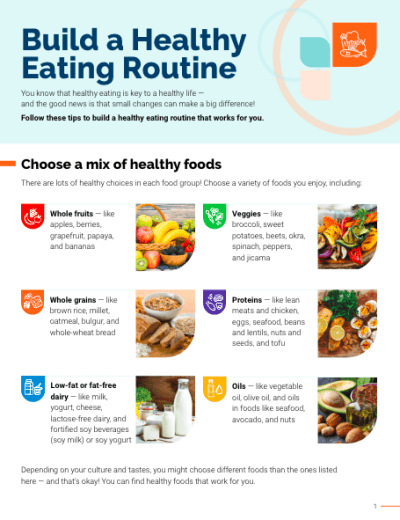
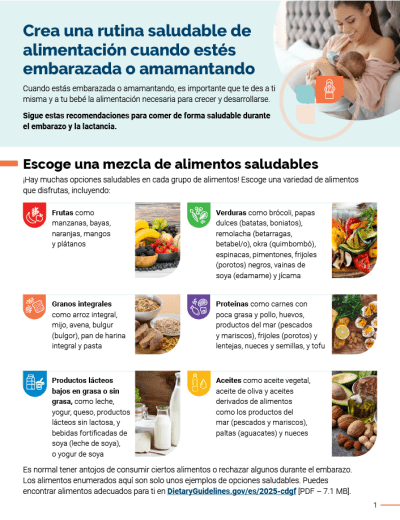
When it comes to healthy eating, it’s essential to focus on incorporating a variety of nutrients into your diet. This means eating a balanced mix of fruits, vegetables, whole grains, lean proteins, and healthy fats. By diversifying your food choices, you ensure that your body receives all the essential vitamins and minerals it needs to function optimally.
Building a strong foundation with fruits and vegetables
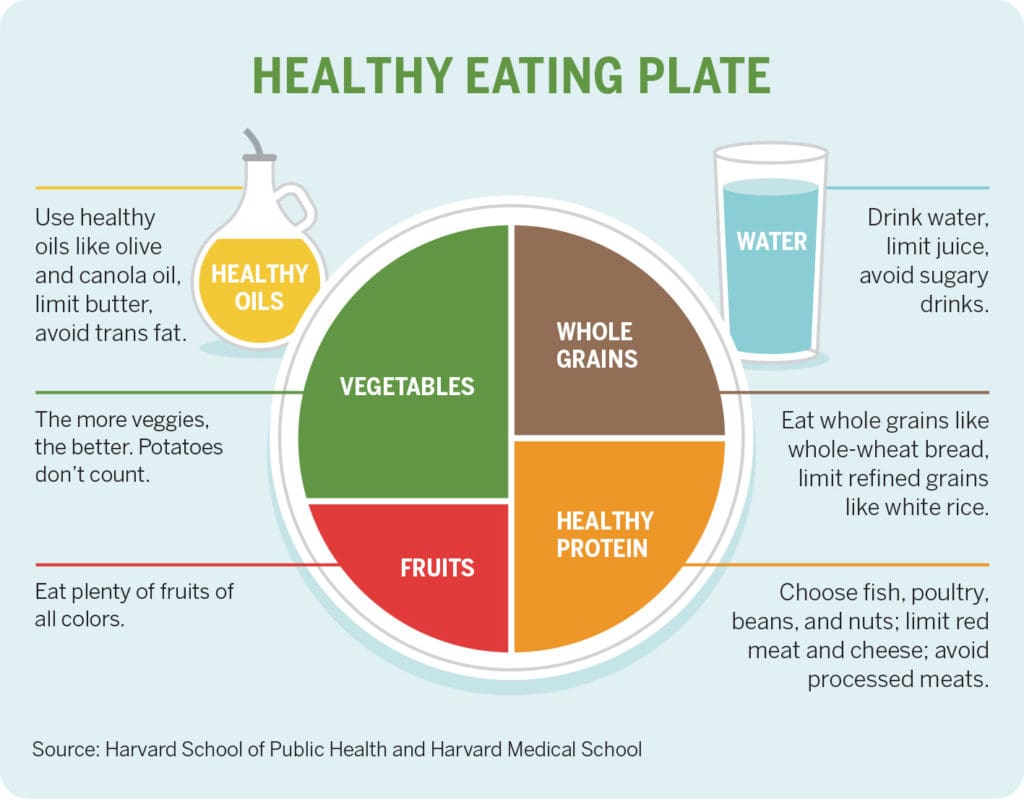
Fruits and vegetables are the cornerstone of a healthy diet. They are packed with essential vitamins, minerals, and antioxidants that support your immune system and promote overall health. Aim to fill half your plate with colorful fruits and vegetables at every meal to ensure you’re getting a wide range of nutrients.
Choosing the right carbohydrates
Carbohydrates often get a bad rap, but they are an essential part of a balanced diet. The key is to choose complex carbohydrates like whole grains, legumes, and starchy vegetables over refined sugars and processed foods. Complex carbs provide a steady source of energy and keep you feeling full and satisfied.
Nourishing your body with protein
Protein is crucial for building and repairing tissues in your body, so it’s important to include adequate amounts in your diet. Opt for lean sources of protein like poultry, fish, beans, and nuts to maintain muscle mass and support overall health. Aim to include protein in every meal to keep you feeling satiated throughout the day.
Embracing healthy fats
Contrary to popular belief, fats are an essential part of a healthy diet. Healthy fats like those found in avocados, nuts, seeds, and olive oil are beneficial for heart health and can help reduce inflammation in the body. Be mindful of portion sizes, but don’t be afraid to include these nutritious fats in your meals.
Understanding portion control
Portion control plays a significant role in maintaining a healthy weight and preventing overeating. It’s essential to be mindful of serving sizes and listen to your body’s hunger and fullness cues. Eating slowly, chewing your food thoroughly, and using smaller plates can help you practice portion control and prevent overindulging.
The importance of hydration
Staying hydrated is key to supporting your body’s functions and maintaining overall health. Water helps to regulate body temperature, transport nutrients, and flush out toxins from your system. Aim to drink at least eight glasses of water a day, and more if you’re engaging in physical activity or live in a hot climate.
Incorporating healthy snacks into your routine
Healthy snacks can be a great way to satisfy cravings between meals and keep your energy levels up throughout the day. Opt for nutrient-dense snacks like nuts, fruits, yogurt, or whole-grain crackers to curb hunger and prevent mindless snacking on unhealthy options. Keep healthy snacks on hand to avoid reaching for less nutritious choices when hunger strikes.
Meal planning and preparation
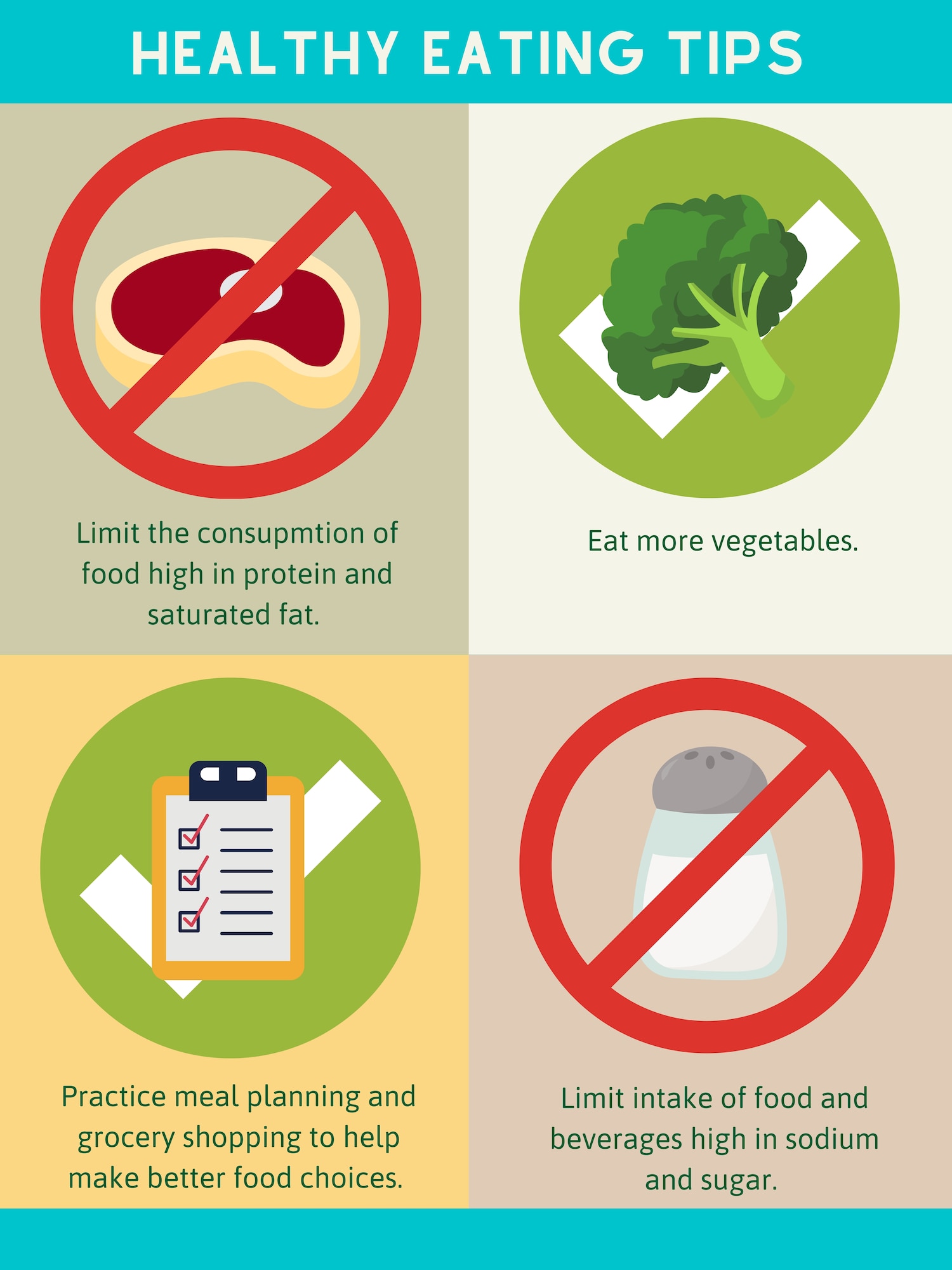
Meal planning and preparation are essential for maintaining healthy eating habits in the long run. By taking the time to plan your meals ahead of time, you can ensure that you have nutritious options available and avoid the temptation of ordering takeout or grabbing fast food on a busy day. Set aside time each week to plan your meals, create a grocery list, and batch cook healthy dishes for the week ahead.
Overcoming challenges and setbacks
Establishing healthy eating habits is a journey, and it’s normal to face challenges and setbacks along the way. Whether it’s a busy schedule, social gatherings, or emotional eating, there will be obstacles that test your commitment to a healthy lifestyle. The key is to be kind to yourself, stay flexible, and focus on progress rather than perfection. Remember that every healthy choice you make is a step in the right direction.
Seeking support and accountability
If you’re struggling to maintain healthy eating habits on your own, don’t be afraid to seek support and accountability from friends, family, or a professional. Joining a cooking class, finding a workout buddy, or working with a dietitian can provide you with the encouragement and guidance you need to stay on track. Remember, you don’t have to navigate this journey alone.
Celebrating small victories
As you work towards establishing healthy eating habits for preventive health, don’t forget to celebrate your small victories along the way. Whether it’s trying a new vegetable, cooking a nutritious meal from scratch, or resisting the temptation of a sugary treat, every accomplishment is a step towards a healthier you. Be proud of the progress you’ve made and use it as motivation to continue on your path to better health.
In conclusion
Establishing healthy eating habits for preventive health is a journey that requires dedication, consistency, and a positive mindset. By focusing on nourishing your body with a variety of nutrient-dense foods, practicing portion control, staying hydrated, and planning your meals ahead of time, you can create a sustainable diet that supports your overall well-being. Remember, small changes can lead to significant improvements in your health over time. Start today and commit to building a healthier you!