In today’s fast-paced world, maintaining good health while also taking care of the environment has become increasingly important. With the growing concern for sustainability, many are seeking ways to promote both their own well-being and that of the planet. This article explores the top ways to achieve preventive health practices that align with environmental sustainability. By adopting these simple yet impactful measures, you can make a positive impact on your health and contribute towards a greener and cleaner future.
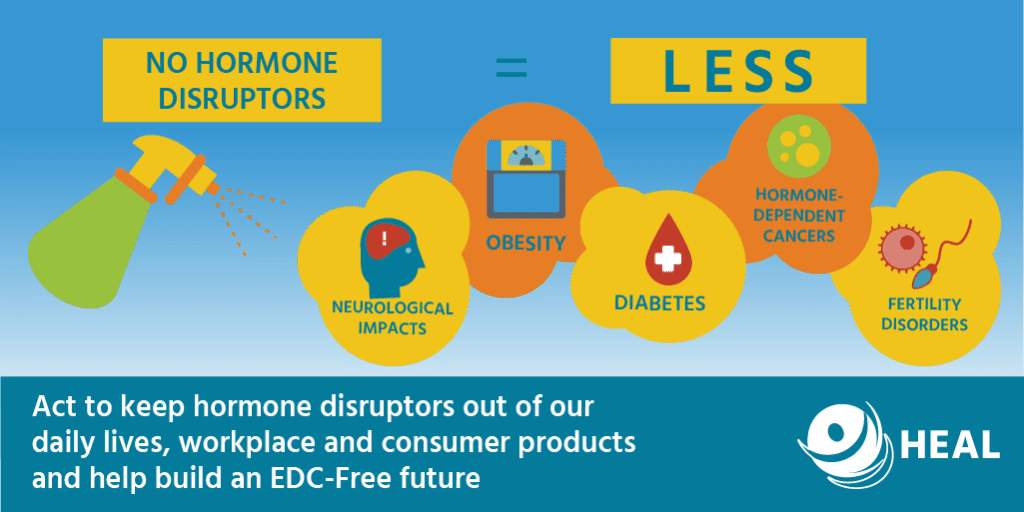
Reduce Air Pollution
Use public transportation
Using public transportation instead of driving your own car can significantly reduce air pollution. Public transportation, such as buses and trains, allows multiple people to travel together, reducing the number of vehicles on the road and, consequently, the amount of pollution emitted. By opting for public transportation whenever possible, you are making a positive impact on the environment by reducing greenhouse gas emissions and improving air quality.
Carpool or bike to work
If public transportation is not an option for you, consider carpooling with colleagues or friends who live in the same area. By sharing a ride, you can reduce the number of cars on the road and decrease the overall pollution caused by individual vehicle emissions. Additionally, biking to work is a great way to not only reduce air pollution but also improve your own health. Cycling is a sustainable and eco-friendly mode of transportation that promotes physical activity and reduces your carbon footprint.
Conserve energy at home
Energy consumption contributes to air pollution through the burning of fossil fuels, such as coal and oil. By adopting energy-saving habits at home, you can reduce your carbon emissions and help prevent air pollution. Simple actions like turning off lights when not in use, unplugging devices when fully charged or not in use, and using energy-efficient appliances can make a significant difference. Additionally, insulating your home properly and using natural ventilation instead of relying on air conditioning can also help reduce energy consumption and air pollution.
Plant trees and support afforestation
Trees play a crucial role in absorbing carbon dioxide and other pollutants from the air, making them effective natural filters. Planting trees in your neighborhood or supporting afforestation initiatives can help combat air pollution. Participating in tree planting events or donating to organizations that focus on reforestation efforts are great ways to contribute to cleaner air. By increasing the number of trees and forests, we can create healthier environments and reduce the impact of air pollution on our planet.
Manage Waste Effectively
Reduce, reuse, and recycle
The three R’s – reduce, reuse, and recycle – are fundamental principles for managing waste effectively and reducing the environmental impact of our everyday lives. By reducing the amount of waste we produce, opting for reusable items instead of single-use products, and recycling materials whenever possible, we can significantly decrease the amount of waste that ends up in landfills. Each individual action may seem small but collectively, they have a significant impact on reducing the need for new resources and minimizing pollution caused by waste disposal.
Compost organic waste
Organic waste, such as fruit and vegetable scraps, coffee grounds, and yard trimmings, can be easily converted into nutrient-rich compost. Instead of sending these materials to landfills, where they contribute to the production of harmful greenhouse gases, you can start composting at home. Composting not only reduces the amount of waste that goes to landfills but also creates a valuable soil amendment that can be used in your garden. By diverting organic waste from landfills and utilizing it for composting, you are actively contributing to waste reduction and environmental sustainability.
Support initiatives for proper waste disposal
Supporting initiatives and organizations that promote proper waste disposal is crucial for preventing pollution and protecting the environment. These initiatives may include recycling programs, waste management projects, and education campaigns. By staying informed about the proper disposal methods for different types of waste and actively participating in local recycling programs, you can contribute to the effective management of waste and reduce its negative impact on the environment.
Avoid single-use plastics
Single-use plastics, such as plastic bags, straws, and water bottles, are major contributors to pollution, particularly in our oceans. These plastics take hundreds of years to decompose and often end up in waterways, harming marine life and ecosystems. To reduce plastic waste, opt for reusable alternatives like cloth bags, stainless steel water bottles, and bamboo or metal straws. By limiting your consumption of single-use plastics, you can help preserve the environment and protect our oceans from pollution.
Promote Sustainable Agriculture
Choose organic and locally sourced food
Supporting sustainable agriculture starts with the choices you make when it comes to your food. Opting for organic and locally sourced food helps reduce the environmental impact of agriculture. Organic farming practices prioritize the use of natural fertilizers and pesticides, avoiding the harmful chemicals that can pollute soil and water. Locally sourced food reduces the carbon footprint associated with long-distance transportation. By choosing organic and locally sourced food, you are supporting sustainable farming methods and contributing to a healthier environment.
Grow your own fruits and vegetables
One of the most sustainable ways to ensure access to fresh, organic produce is by growing your own fruits and vegetables. Home gardening allows you to have control over the production process, reducing the need for transportation and packaging. Additionally, you can avoid the use of synthetic pesticides and fertilizers, focusing on natural and sustainable gardening practices. Even if you have limited space, container gardening or joining a community garden can provide opportunities to grow your own food and promote sustainable agriculture.
Support farmers practicing sustainable methods
Supporting farmers who employ sustainable agricultural practices is another way to promote environmental sustainability. Seek out local farmers who prioritize soil health, water conservation, and biodiversity. By purchasing their products, you are not only getting fresh, nutritious food but also supporting the continued use of sustainable farming methods. Look for certifications like USDA Organic or Fairtrade labels to ensure that your food is produced in an environmentally and socially responsible manner.
Advocate for sustainable farming policies
To create long-lasting change in the agricultural sector, advocating for sustainable farming policies is essential. Support organizations and movements that aim to influence policy changes at the local, national, and international levels. Encourage policymakers to prioritize sustainable farming practices, including the reduction of chemical inputs, protection of biodiversity, and the promotion of regenerative farming methods. By raising awareness about the importance of sustainable agriculture and advocating for policy changes, you can contribute to a more sustainable and resilient food system.
Conserve Water Resources
Fix leaks and drips
Water waste is a significant issue in many households, leading to unnecessary consumption and strained water resources. Conserving water at home can be as simple as fixing leaks and drips in faucets, toilets, and pipes. These small leaks may seem insignificant, but they can add up to hundreds of gallons of wasted water over time. By promptly addressing leaks and keeping your plumbing in good condition, you can reduce water waste and preserve this valuable resource.
Use water-efficient appliances
Appliances that are designed to be water-efficient can greatly reduce water consumption in your home. When purchasing new appliances, such as dishwashers, washing machines, and toilets, look for models with a WaterSense label or a high energy efficiency rating. These appliances are designed to use less water without compromising performance. By upgrading to water-efficient appliances, you can make a significant impact on conserving water and reducing your environmental footprint.
Collect and reuse rainwater
Harnessing the power of rainwater can help alleviate pressure on water resources. Installing a rainwater collection system, such as a rain barrel, allows you to harvest rainwater for various uses, such as watering plants, washing outdoor areas, or even flushing toilets. By collecting and reusing rainwater, you can reduce the demand for treated water and conserve this precious resource. Make sure to check local regulations and guidelines for rainwater collection in your area before implementing a system.
Avoid excessive water usage
Conscious water usage habits can go a long way in conserving water resources. Simple actions like turning off the faucet while brushing your teeth, taking shorter showers, and only running the dishwasher or washing machine when they are full can significantly reduce water waste. Additionally, consider implementing water-saving techniques in your garden, such as using drip irrigation or mulching to retain soil moisture. By being mindful of your water usage and avoiding excessive consumption, you can contribute to the conservation of water resources.

Protect Biodiversity
Preserve natural habitats
Natural habitats, such as forests, wetlands, and coral reefs, play a vital role in maintaining biodiversity. Protecting these habitats is crucial for the survival of numerous plant and animal species. One way to actively contribute to the preservation of natural habitats is by supporting organizations that work towards their conservation. By donating to or volunteering with organizations focused on habitat preservation, you are helping to sustain biodiversity and protect fragile ecosystems.
Avoid the use of harmful pesticides
Pesticides, especially those containing chemicals like neonicotinoids, can have devastating effects on wildlife and pollinators like bees and butterflies. Avoiding the use of harmful pesticides in your garden or when dealing with pests in your home can help protect biodiversity. Instead, opt for natural and organic pest control methods, such as companion planting or introducing beneficial insects. By reducing your reliance on harmful pesticides, you can ensure a safer environment for both wildlife and humans.
Plant native species in gardens
Native plants are well adapted to the local environment and provide important habitats and food sources for native wildlife. By incorporating native species into your garden, you create a welcoming environment for local birds, insects, and other wildlife. Avoid planting invasive species, as they can outcompete native plants and disrupt ecosystems. Supporting biodiversity in your own backyard not only enhances the beauty of your garden but also contributes to the overall conservation of local flora and fauna.
Support conservation organizations
Many organizations are dedicated to protecting biodiversity and conserving endangered species. Supporting these organizations through donations or volunteer work can make a difference in preserving fragile ecosystems and preventing further species extinction. Look for reputable organizations that focus on wildlife conservation, habitat restoration, or species-specific protection. By providing financial support or contributing your time and skills, you are actively participating in the preservation of biodiversity.
Promote Renewable Energy Sources
Invest in solar panels or wind turbines
Transitioning to renewable energy sources is a crucial step in reducing our reliance on fossil fuels and combating climate change. Investing in solar panels or wind turbines for your home can help generate clean, renewable energy. While the initial investment may be significant, the long-term benefits in terms of reduced carbon emissions and energy savings make it a worthwhile choice. Research government incentives and financing options to make the transition to renewable energy more affordable.
Advocate for renewable energy policies
Advocating for renewable energy policies at the local, national, and international levels is essential for promoting the widespread adoption of clean energy sources. Support organizations and initiatives that focus on advocating for renewable energy policies and reducing barriers to entry for renewable energy technologies. Contact your elected officials to express your support for renewable energy and encourage them to prioritize its development. By actively participating in the conversation about renewable energy, you can help drive the transition to a more sustainable energy future.
Switch to energy-saving light bulbs
One of the easiest ways to reduce your energy consumption and promote sustainability is by switching to energy-saving light bulbs. Replace traditional incandescent bulbs with energy-efficient options such as LED (Light Emitting Diode) or CFL (Compact Fluorescent Lamp) bulbs. Energy-saving bulbs consume up to 80% less energy and last significantly longer than traditional bulbs, resulting in reduced carbon emissions and lower electricity bills. Making this simple switch not only saves you money but also contributes to the overall goal of reducing energy demand.
Reduce reliance on fossil fuels
Reducing your personal reliance on fossil fuels is a significant step towards promoting renewable energy. Consider alternatives to fossil fuel-powered vehicles, such as hybrid or electric cars, to decrease your carbon footprint while traveling. Additionally, support companies and organizations that prioritize sustainable transportation options, such as electric buses or rideshare services. By actively choosing lower-emission transportation methods and reducing your overall consumption of fossil fuels, you are contributing to the transition towards a more sustainable energy future.
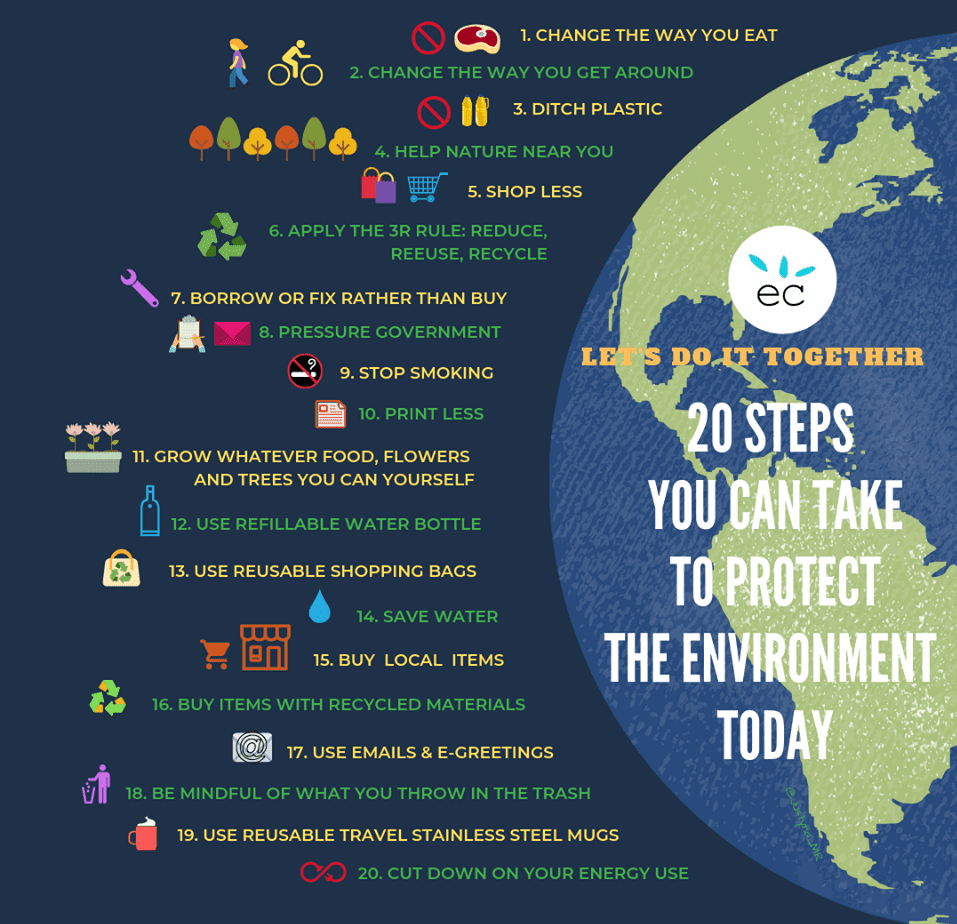
Reduce Chemical Exposure
Choose natural cleaning products
Many conventional cleaning products contain harmful chemicals that can negatively impact both human health and the environment. Opting for natural and eco-friendly cleaning products reduces the exposure to these chemicals and minimizes their release into the environment. Look for products labeled as non-toxic, biodegradable, or made from plant-based ingredients. Alternatively, you can make your own cleaning solutions using simple ingredients like vinegar, baking soda, and lemon juice. By choosing natural cleaning products, you can create a healthier living environment and reduce chemical pollution.
Avoid harsh chemicals in personal care products
Similar to cleaning products, personal care products often contain harsh chemicals that can harm both your health and the environment. When purchasing items such as shampoo, soap, or cosmetics, read product labels and avoid ingredients like parabens, phthalates, and synthetic fragrances. Choose products that are labeled as natural or organic, as they are less likely to contain harmful chemicals. By prioritizing the use of natural and non-toxic personal care products, you are taking steps towards reducing both personal and environmental chemical exposure.
Use eco-friendly pest control methods
Traditional pest control methods often rely on toxic chemicals that can have adverse effects on human health and the environment. Instead of resorting to these methods, explore alternative eco-friendly pest control options. For example, you can use natural and non-toxic repellents, traps, or barriers to manage pests in your home or garden. Integrated Pest Management (IPM) techniques, which focus on prevention and non-chemical solutions, are also a sustainable approach to pest control. By choosing eco-friendly methods, you can protect your health and the environment while effectively managing pests.
Limit use of synthetic fertilizers
Synthetic fertilizers contain high levels of nitrogen and phosphorus, which can leach into waterways and cause pollution. By reducing your reliance on synthetic fertilizers and opting for natural alternatives, you can minimize nutrient runoff and protect water quality. Composting organic matter and using it as a natural fertilizer is an excellent way to nourish your plants while avoiding the negative effects of synthetic fertilizers. Additionally, consider incorporating organic soil amendments and practicing crop rotation to maintain soil health without the need for chemical inputs.
Support Sustainable Industries
Buy products with eco-friendly certifications
Supporting sustainable industries involves choosing products that have been certified as environmentally friendly. Look for certifications such as Fair Trade, Forest Stewardship Council (FSC), or Certified Organic when making purchasing decisions. These certifications ensure that the products were produced using sustainable practices and meet specific environmental standards. By supporting companies that prioritize eco-friendly practices, you contribute to a more sustainable economy and encourage other businesses to follow suit.
Choose sustainable and fair-trade clothing
The fashion industry has a significant environmental and social impact. To support sustainable industries in this sector, choose clothing made from organic and sustainable materials. Look for options that are produced using eco-friendly processes, such as low-impact dyes and water-efficient manufacturing. Additionally, opt for fair-trade clothing, which ensures that the workers involved in the production process are treated fairly. By making conscious choices when it comes to clothing, you can promote sustainability and ethical practices within the industry.
Support companies with ethical business practices
Supporting companies that prioritize ethical business practices is essential for creating a sustainable and socially responsible economy. Research and choose to patronize businesses that demonstrate transparency, fair labor practices, and social responsibility. Look for companies that prioritize waste reduction, energy efficiency, and the use of renewable resources. By supporting ethical businesses, you can help create a marketplace that values sustainability, fairness, and environmental stewardship.
Encourage local and sustainable tourism
Tourism can have both positive and negative impacts on the environment and local communities. When planning your travels, consider destinations that prioritize sustainability and have measures in place to protect the environment and support local communities. Choose accommodations that implement energy and water-saving practices, support local businesses, and engage in conservation efforts. Additionally, be mindful of your own actions as a tourist by minimizing waste, respecting local customs and traditions, and leaving a positive impact on the places you visit. By promoting sustainable tourism, you can contribute to the conservation of natural resources and support the well-being of local communities.
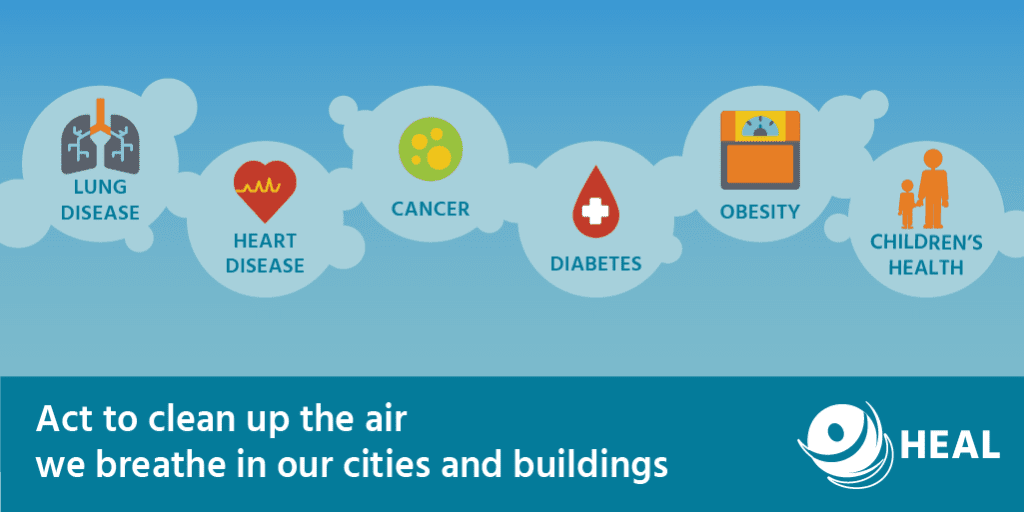
Educate and Raise Awareness
Promote environmental education in schools
Environmental education is crucial for fostering a sense of responsibility and understanding of environmental issues among future generations. Support programs and initiatives that promote environmental education in schools. Encourage schools to include sustainability topics in their curriculum and provide resources such as books, documentaries, and field trips that focus on environmental awareness and conservation. By promoting environmental education, we can empower young individuals to become environmental stewards and make informed decisions that positively impact the planet.
Participate in community events and workshops
Engaging with your local community through events and workshops is a great way to raise awareness about environmental issues and encourage sustainable practices. Participate in community clean-up events, tree planting initiatives, or workshops on composting and gardening. By actively participating in these activities, you are not only learning valuable skills but also inspiring others to join the movement towards sustainability.
Share information on social media
Social media platforms provide a powerful tool for raising awareness and sharing information about environmental sustainability. Use your social media accounts to share educational content, news articles, and practical tips for sustainable living. Encourage your friends and followers to take small steps towards a greener lifestyle and share their own experiences. By using social media as a platform for environmental advocacy, you can reach a broader audience and inspire positive change.
Engage in conversations about sustainability
Engaging in conversations about sustainability with friends, family, and colleagues is an effective way to raise awareness and spread the message of environmental stewardship. Share your knowledge, experiences, and concerns about environmental issues and encourage others to do the same. By fostering open and constructive dialogue, you can inspire others to take action and make sustainable choices in their own lives.
Advocate for Environmental Policies
Vote for politicians with strong environmental agendas
Elections provide an opportunity to voice your support for environmental sustainability. Research the positions of politicians and candidates regarding environmental issues and choose to vote for those who prioritize sustainable policies. By exercising your right to vote and electing leaders who value the environment, you can contribute to the enactment of effective environmental legislation.
Join or support environmental organizations
Joining or supporting environmental organizations is a powerful way to advocate for change at a larger scale. Choose organizations that align with your values and contribute your time, skills, or financial support. By joining forces with like-minded individuals, you can amplify your voice and work towards common goals of environmental sustainability.
Contact local representatives about environmental issues
Engaging with your local representatives is an effective way to convey your concerns and support for environmental issues. Write letters, make phone calls, or attend town hall meetings to express your opinions and ensure that your voice is heard. By actively communicating with your elected officials, you can influence decision-making processes and promote sustainable policies.
Participate in peaceful protests and awareness campaigns
Peaceful protests and awareness campaigns are powerful tools for drawing attention to environmental issues and demanding action. Join marches, rallies, and demonstrations that focus on environmental causes and encourage others to participate. By coming together in peaceful protests and spreading awareness through campaigns, you can create a sense of urgency and push for positive change.
In conclusion, actively participating in efforts to minimize air pollution, manage waste effectively, promote sustainable agriculture, conserve water resources, protect biodiversity, promote renewable energy sources, reduce chemical exposure, support sustainable industries, educate and raise awareness, and advocate for environmental policies are all essential steps towards achieving environmental sustainability. By incorporating these practices into your lifestyle and encouraging others to do the same, we can create a more sustainable future for generations to come. Remember, even small actions can make a big difference when it comes to preserving our planet’s health and well-being.