Are you looking to age gracefully and maintain your well-being as you grow older? In the quest for healthy aging, many individuals are turning to functional medicine for answers. This approach to healthcare focuses on addressing the root causes of diseases and imbalances in the body, rather than simply treating symptoms. By taking a holistic and personalized approach, functional medicine aims to optimize health and help individuals achieve a higher quality of life as they age. In this article, we will explore the role of functional medicine in promoting healthy aging and discover how it can benefit you in your journey towards optimal wellness.
Understanding Healthy Aging
Healthy aging is about maintaining a high quality of life as you grow older. It involves taking care of your physical and mental health so that you can continue to enjoy life and remain active and independent. Healthy aging is not just about living longer; it is about living well.
Definition of healthy aging
Healthy aging can be defined as the process of optimizing physical, mental, and social well-being as individuals age. It is about managing and reducing the risk of chronic diseases, maintaining a healthy lifestyle, and embracing a positive attitude towards aging.
Factors that affect healthy aging
Several factors can influence the process of healthy aging. These include genetics, lifestyle choices, access to healthcare, socio-economic status, and environmental factors. While genetics play a role in determining how we age, lifestyle choices such as diet, exercise, and stress management have a significant impact on overall health and well-being as we age.
Effects of aging on the body
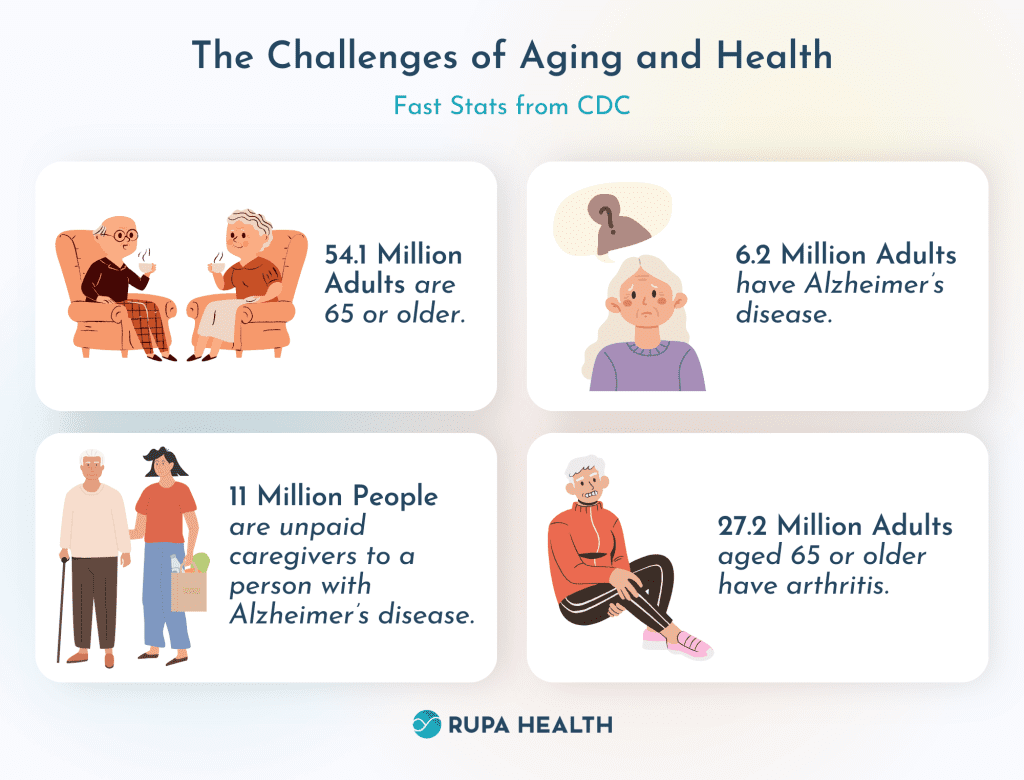
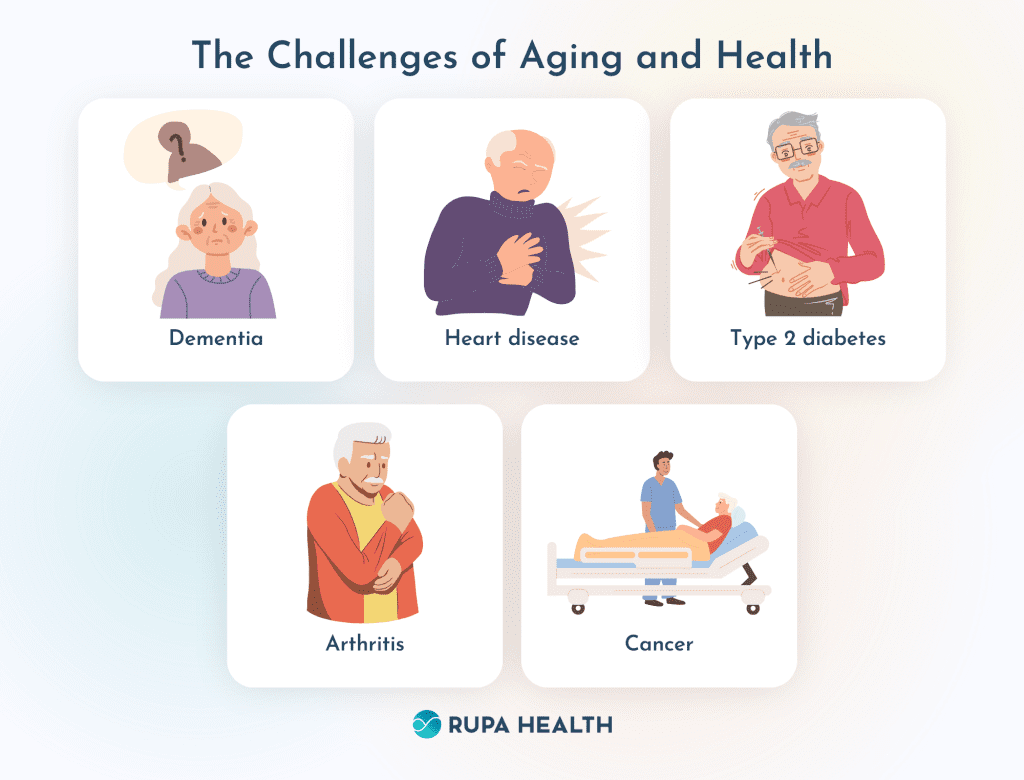
As we age, our bodies undergo various changes. These changes include a decrease in muscle mass and bone density, a decline in cognitive function, changes in hormone levels, and an increased risk of chronic diseases such as heart disease, diabetes, and arthritis. However, it is important to note that aging does not have to be synonymous with decline and disease. With proper care and attention, we can promote healthy aging and mitigate the effects of aging on the body.
Introduction to Functional Medicine
Functional medicine is a patient-centered approach to healthcare that looks at the underlying causes of disease and aims to restore and maintain optimal health. It focuses on treating the whole person, rather than just the symptoms, and takes into account factors such as genetics, lifestyle, and environmental influences.
What is functional medicine?
Functional medicine is a field of medicine that emphasizes the importance of identifying and addressing the root causes of disease, rather than simply treating symptoms. It views the body as an interconnected system and recognizes that imbalances in one area can have cascading effects on other areas of the body. Functional medicine seeks to restore balance and promote overall health and well-being.
Principles of functional medicine
The principles of functional medicine include treating the individual, not the disease; focusing on prevention; addressing the underlying causes; promoting optimal function of the body’s systems; and utilizing a personalized, integrative approach to healthcare. Functional medicine practitioners spend time with their patients, listening to their stories and working together to develop personalized treatment plans.
How functional medicine differs from traditional medicine
Traditional medicine typically focuses on diagnosing and treating diseases based on symptoms. It often relies on medications or surgical interventions to manage or control symptoms. Functional medicine, on the other hand, seeks to understand the underlying imbalances that lead to disease and aims to address these imbalances through targeted interventions. It takes a holistic approach to health and emphasizes the importance of lifestyle factors in overall well-being.
The Role of Functional Medicine in Healthy Aging
Functional medicine plays a crucial role in promoting healthy aging by addressing the root causes of aging, preventing and intervening in age-related conditions, optimizing bodily functions, and reducing chronic inflammation.
Addressing the root causes of aging
Functional medicine takes a proactive approach to aging by identifying and addressing the root causes of age-related changes in the body. By understanding the factors that contribute to aging, such as hormonal imbalances, oxidative stress, and inflammation, functional medicine practitioners can develop targeted treatment plans to slow down the aging process and promote optimal health.
Prevention and early intervention
One of the key principles of functional medicine is prevention. By identifying and addressing risk factors before they manifest as disease, functional medicine practitioners can help individuals maintain their health and prevent or delay the onset of age-related conditions. Early intervention can lead to better outcomes and improved quality of life in older adults.
Optimizing bodily functions
Functional medicine takes a holistic approach to health and aims to optimize the function of the body’s systems. This includes supporting hormonal balance, optimizing digestion and nutrient absorption, promoting detoxification, and enhancing immune function. By supporting the body’s natural processes, functional medicine can help individuals age gracefully and maintain their vitality.
Reducing chronic inflammation
Chronic inflammation is a common underlying factor in many age-related conditions, such as cardiovascular disease, arthritis, and cognitive decline. Functional medicine approaches to healthy aging focus on reducing inflammation through targeted interventions, such as dietary changes, supplementation, stress management, and lifestyle modifications. By addressing inflammation, functional medicine can help individuals maintain their health and well-being as they age.
Functional Medicine Approaches to Healthy Aging
Functional medicine offers a range of approaches to promote healthy aging and optimize overall well-being. These approaches include hormone balancing, nutritional optimization, detoxification, stress management, exercise and movement, and sleep optimization.
Hormone balancing
As we age, hormone levels naturally decline, leading to a range of symptoms and imbalances. Functional medicine practitioners can assess hormone levels and develop personalized treatment plans to restore hormonal balance and alleviate symptoms such as fatigue, weight gain, mood swings, and low libido. Hormone replacement therapy, nutritional support, and lifestyle modifications are commonly used to optimize hormonal health in aging individuals.
Nutritional optimization
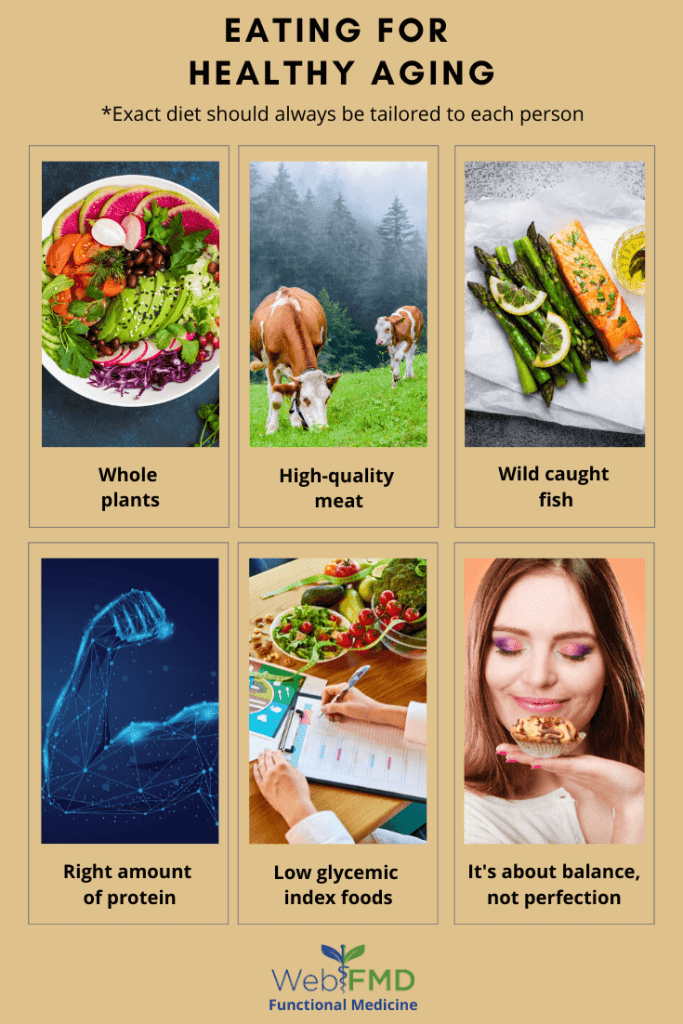
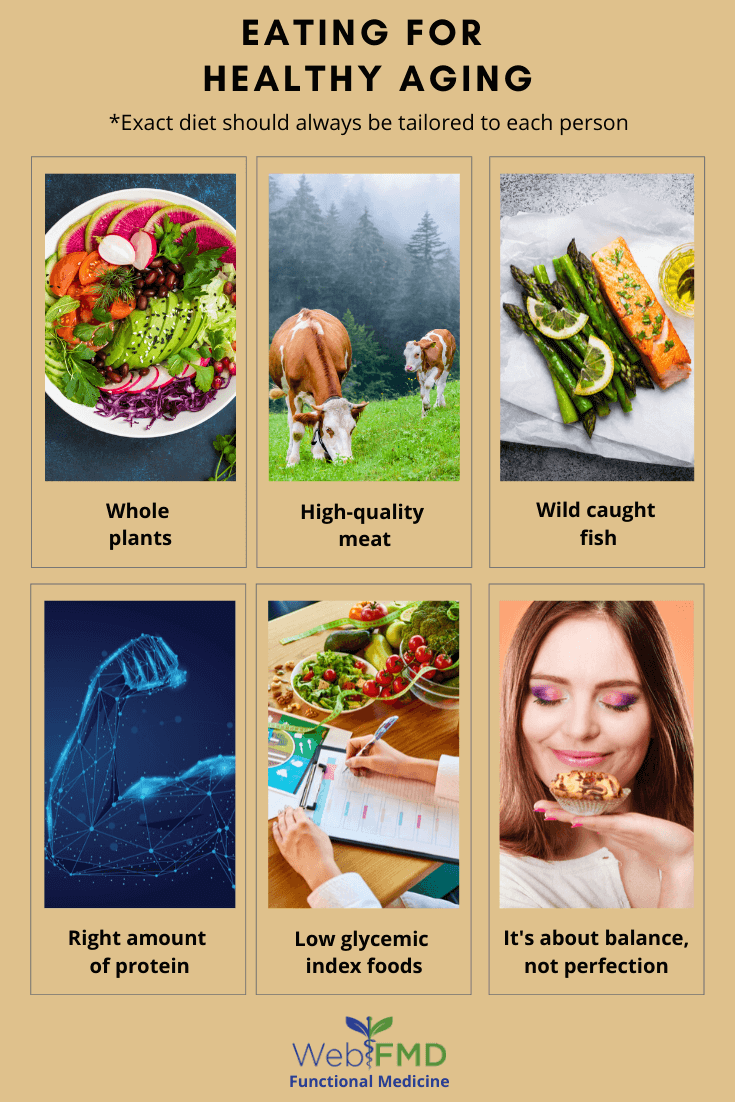
Proper nutrition plays a crucial role in healthy aging. Functional medicine practitioners can assess an individual’s nutritional status and develop personalized dietary plans to support overall health and well-being. This may include recommendations for nutrient-dense foods, supplementation, and guidance on portion control and meal timing. By optimizing nutrition, functional medicine can help individuals maintain their vitality and support optimal aging.
Detoxification
Toxins from the environment, food, and lifestyle choices can accumulate in the body and contribute to the aging process. Functional medicine approaches to healthy aging include supporting the body’s natural detoxification pathways through targeted interventions such as dietary changes, supplementation, and lifestyle modifications. By supporting detoxification, functional medicine can help individuals reduce the toxic burden on their bodies and promote optimal health.
Stress management
Chronic stress can accelerate the aging process and contribute to a range of health problems. Functional medicine approaches to healthy aging include stress management techniques such as mindfulness, meditation, relaxation exercises, and lifestyle modifications. By managing stress effectively, functional medicine can help individuals maintain their mental and physical well-being as they age.
Exercise and movement
Regular exercise and movement are essential for healthy aging. Functional medicine practitioners can develop personalized exercise programs based on an individual’s needs, abilities, and preferences. Exercise helps maintain muscle mass, bone density, cardiovascular health, and cognitive function. It also promotes overall well-being and can help individuals maintain their independence and quality of life as they age.
Sleep optimization
Quality sleep is crucial for overall health and well-being, especially as we age. Functional medicine practitioners can assess an individual’s sleep patterns and develop personalized strategies to optimize sleep quality and duration. This may involve addressing underlying sleep disorders, implementing relaxation techniques, and creating a sleep-friendly environment. By optimizing sleep, functional medicine can help individuals maintain their cognitive function, physical health, and emotional well-being.
Assessing Health in Functional Medicine
Functional medicine takes a comprehensive approach to assessing health and well-being. This includes gathering a comprehensive health history, conducting advanced laboratory testing, analyzing lifestyle factors, and assessing gut health.
Comprehensive health history
Functional medicine practitioners take the time to understand each individual’s unique health journey. This involves gathering information about medical history, family history, lifestyle factors, and previous treatments or interventions. By understanding the individual’s health history, functional medicine practitioners can identify patterns, triggers, and underlying imbalances that may contribute to the aging process or affect overall health.
Advanced laboratory testing
Functional medicine utilizes advanced laboratory testing to assess various aspects of health and well-being. This may include testing for nutrient deficiencies, hormonal imbalances, inflammation markers, gut health, and genetic factors. By using these specialized tests, functional medicine practitioners can gather detailed information about an individual’s health and develop targeted treatment plans based on their unique needs.
Analysis of lifestyle factors
Lifestyle factors, such as diet, exercise, stress levels, sleep habits, and social support, play a significant role in overall health and well-being. Functional medicine practitioners analyze these factors and their impact on the aging process. By identifying areas that may need improvement, functional medicine can help individuals make positive lifestyle changes and optimize their health.
Assessing gut health
The gut plays a crucial role in overall health and well-being. Functional medicine recognizes the importance of gut health and its impact on the aging process. Dysbiosis, or an imbalance of gut bacteria, can contribute to inflammation, nutrient deficiencies, and various age-related conditions. Functional medicine practitioners can assess gut health through specialized testing and develop personalized treatment plans to restore balance and promote optimal health.
Personalized Treatment Plans
Functional medicine is highly personalized and takes into account each individual’s unique needs, goals, and circumstances. This includes tailoring treatment to individual needs, addressing nutritional deficiencies, using supplements and botanicals, promoting lifestyle changes, and collaborating with other healthcare professionals.
Tailoring treatment to individual needs
Functional medicine practitioners understand that each individual is unique and requires personalized care. Treatment plans are tailored to address the specific needs and goals of the individual. This may involve a combination of interventions, including dietary modifications, supplementation, lifestyle changes, stress management techniques, and targeted therapies. By tailoring treatment to individual needs, functional medicine can optimize health outcomes and promote healthy aging.
Addressing nutritional deficiencies
Nutritional deficiencies can contribute to the aging process and increase the risk of age-related conditions. Functional medicine practitioners assess an individual’s nutritional status and address any deficiencies through targeted interventions, such as dietary modifications and supplementation. By addressing nutritional deficiencies, functional medicine can support optimal health and well-being as individuals age.
Using supplements and botanicals
Functional medicine utilizes supplements and botanicals to support overall health and well-being. These may include vitamins, minerals, herbs, and other natural compounds. Functional medicine practitioners carefully select supplements and botanicals based on an individual’s needs and goals. By using targeted supplementation, functional medicine can enhance the body’s natural processes and promote healthy aging.
Promoting lifestyle changes
Lifestyle factors play a significant role in healthy aging. Functional medicine emphasizes the importance of making positive lifestyle changes to support overall well-being. This may include recommendations for a nutrient-dense diet, regular exercise, stress management techniques, adequate sleep, and social engagement. By promoting lifestyle changes, functional medicine can empower individuals to take charge of their health and well-being as they age.
Collaboration with other healthcare professionals
Functional medicine takes a collaborative approach to healthcare. Functional medicine practitioners work closely with other healthcare professionals, such as primary care physicians, specialists, and therapists, to ensure comprehensive and coordinated care. By collaborating with other professionals, functional medicine can provide individuals with a holistic approach to healthy aging and optimize health outcomes.
Preventive Measures for Healthy Aging
Prevention is a key principle of functional medicine, and there are several preventive measures that individuals can take to promote healthy aging. These include following dietary recommendations, adhering to exercise guidelines, implementing stress reduction techniques, maintaining social connections, scheduling regular medical check-ups, and participating in screening for age-related conditions.
Dietary recommendations
A healthy diet is essential for healthy aging. Functional medicine practitioners may recommend a nutrient-dense diet rich in fruits, vegetables, whole grains, lean proteins, and healthy fats. They may also suggest limiting processed foods, sugar, and unhealthy fats. By following dietary recommendations, individuals can support overall health and well-being as they age.
Exercise guidelines
Regular exercise is crucial for healthy aging. Functional medicine practitioners may provide exercise guidelines based on an individual’s needs and abilities. This may include recommendations for cardiovascular exercise, strength training, flexibility exercises, and balance training. By engaging in regular physical activity, individuals can maintain muscle mass, bone density, cardiovascular health, and cognitive function.
Stress reduction techniques
Chronic stress can accelerate the aging process and contribute to various health problems. Functional medicine approaches to healthy aging include stress reduction techniques such as mindfulness, meditation, deep breathing exercises, and engaging in activities that promote relaxation. By implementing stress reduction techniques, individuals can better manage stress and support overall well-being.
Maintaining social connections
Social connections play a vital role in healthy aging. Functional medicine recognizes the importance of maintaining strong social connections and engaging in meaningful relationships. This may involve participating in social activities, joining clubs or groups, volunteering, or staying connected with family and friends. By maintaining social connections, individuals can support their mental and emotional well-being as they age.
Regular medical check-ups
Regular medical check-ups are essential for preventive care and early detection of age-related conditions. Functional medicine practitioners may recommend scheduling regular check-ups with primary care physicians and specialists. These check-ups may include physical exams, screenings, and assessments of age-related conditions. By staying proactive with regular check-ups, individuals can catch potential health issues early and take appropriate measures to address them.
Screening for age-related conditions
Screening for age-related conditions is another preventive measure for healthy aging. Functional medicine practitioners may recommend screenings such as mammograms, colonoscopies, bone density tests, and cognitive assessments. These screenings can help identify any potential issues early on and allow for timely intervention or management. By participating in screenings, individuals can take proactive steps towards maintaining their health as they age.
Supporting Mental and Emotional Well-being
In addition to physical health, functional medicine recognizes the importance of supporting mental and emotional well-being for healthy aging. Several strategies can be implemented to promote mental health, cognitive function, and emotional well-being.
Mind-body techniques
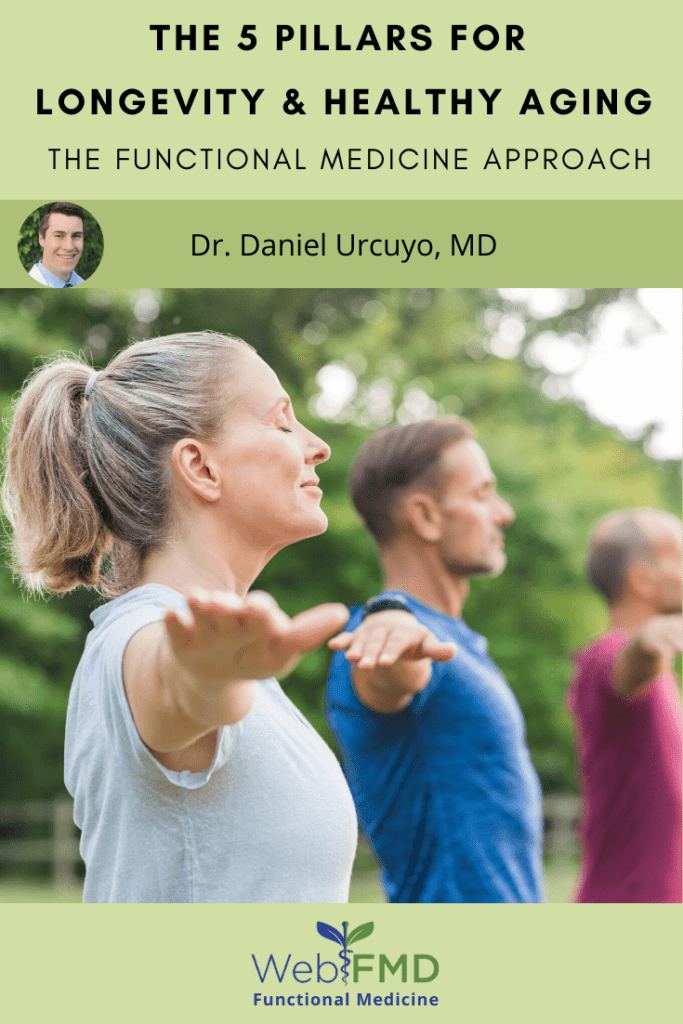
Mind-body techniques, such as mindfulness meditation, yoga, tai chi, and deep breathing exercises, can help reduce stress, improve mental clarity, and promote emotional well-being. These techniques focus on the connection between the mind and body, allowing individuals to cultivate a sense of calm and improve overall mental and emotional well-being.
Cognitive health strategies
Functional medicine approaches to healthy aging include strategies to support cognitive health and prevent age-related cognitive decline. These strategies may include engaging in mentally stimulating activities, such as puzzles, reading, and learning new skills, as well as consuming a nutrient-dense diet rich in brain-healthy nutrients. Functional medicine practitioners may also recommend supplements or interventions targeted towards supporting cognitive function.
Addressing age-related mental health conditions
Age-related mental health conditions, such as depression and anxiety, can significantly impact overall well-being. Functional medicine takes a comprehensive approach to address mental health conditions by considering the underlying causes and developing personalized treatment plans. This may involve a combination of lifestyle modifications, stress management techniques, counseling, and, in some cases, medication.
Social engagement and support
Maintaining social connections and engaging in meaningful relationships is vital for mental and emotional well-being. Functional medicine emphasizes the importance of social engagement and support in healthy aging. This may involve participating in social activities, joining support groups, or seeking out counseling or therapy to address emotional needs and promote overall well-being.
Success Stories in Healthy Aging with Functional Medicine
Functional medicine has shown promising results in promoting healthy aging and improving overall health outcomes in individuals. Success stories in healthy aging with functional medicine include real-life examples of improved health outcomes, patient testimonials, and before and after case studies.
Real-life examples of improved health outcomes
Functional medicine approaches to healthy aging have led to improved health outcomes in individuals of all ages. These outcomes may include increased energy levels, improved cognitive function, better sleep quality, reduced medication use, and improved overall quality of life. Real-life examples of individuals who have successfully implemented functional medicine strategies to age gracefully can inspire and motivate others to embrace a holistic approach to wellness.
Patient testimonials
Patient testimonials provide firsthand accounts of individuals who have experienced the benefits of functional medicine in healthy aging. These testimonials can serve as powerful anecdotes, highlighting the positive impact that functional medicine has had on individuals’ lives. By sharing their stories, individuals can inspire others to explore functional medicine as an option for healthy aging.
Before and after case studies
Before and after case studies showcase the transformative effects of functional medicine in healthy aging. These studies typically document an individual’s health journey, including their initial health status, the interventions implemented, and the subsequent improvements in their health and well-being. By presenting tangible evidence of the effectiveness of functional medicine, these case studies can help individuals make informed decisions about their own health and well-being.
Conclusion
Functional medicine plays a crucial role in supporting healthy aging by addressing the root causes of aging, promoting prevention and intervention, optimizing bodily functions, and reducing chronic inflammation. By taking a personalized and integrative approach to healthcare, functional medicine empowers individuals to take charge of their health and well-being as they age. By embracing a holistic approach to wellness and promoting vitality and quality of life in older adults, functional medicine offers a promising path towards healthy aging.