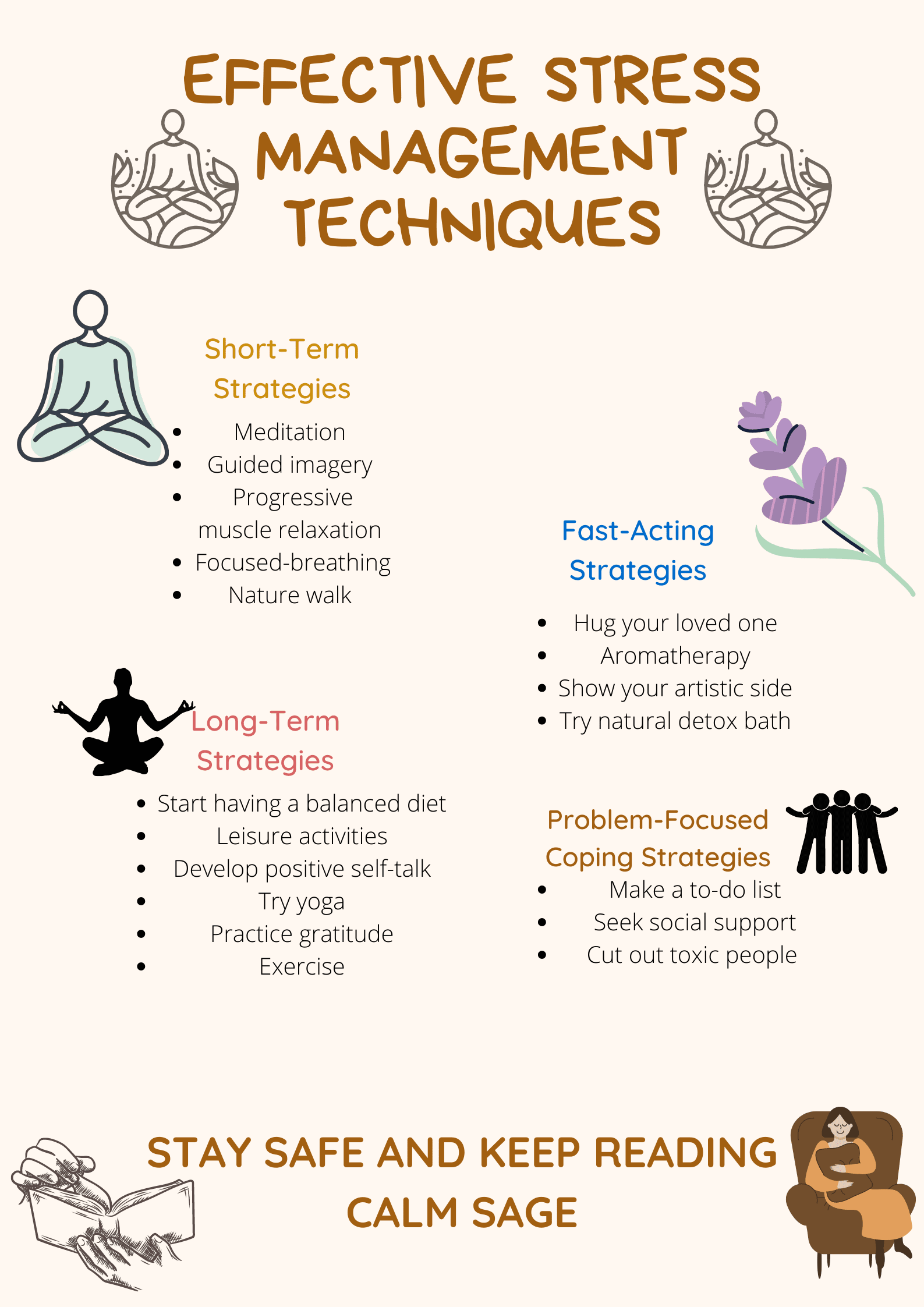
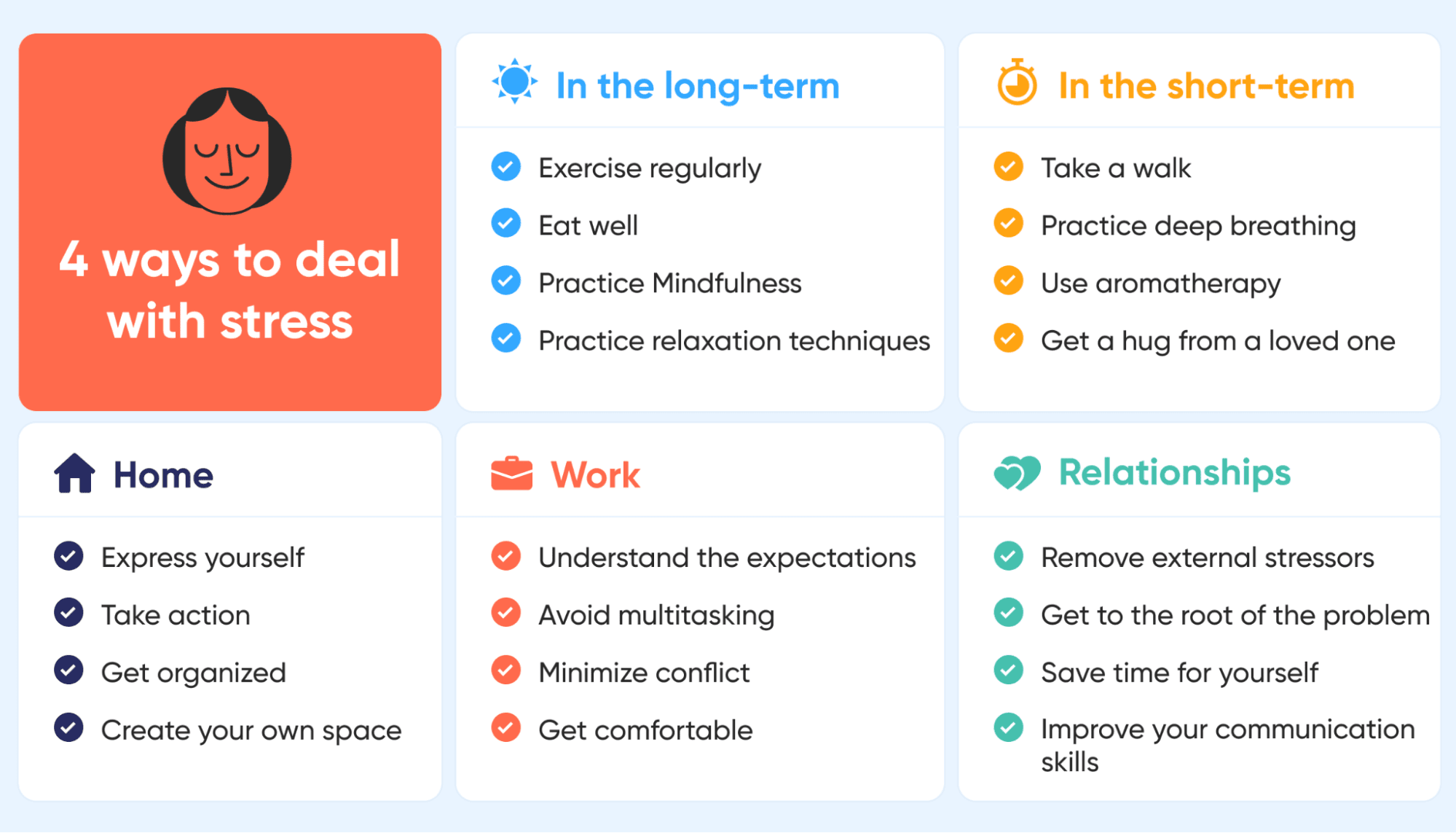
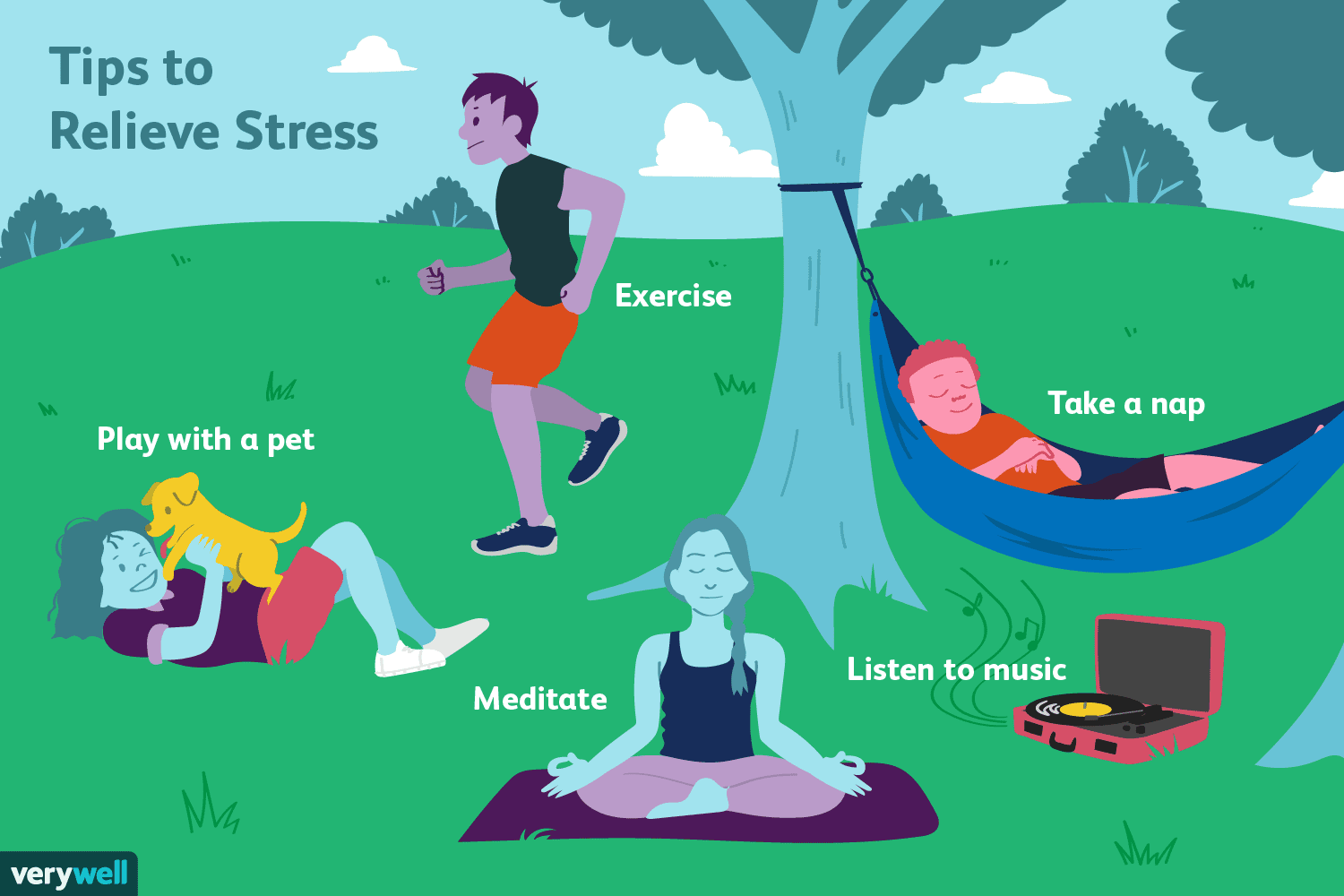
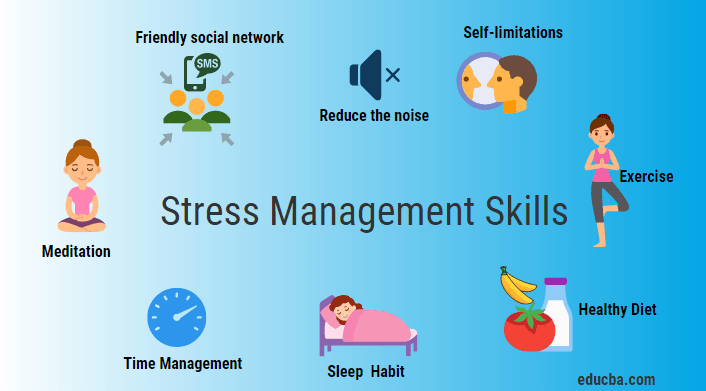
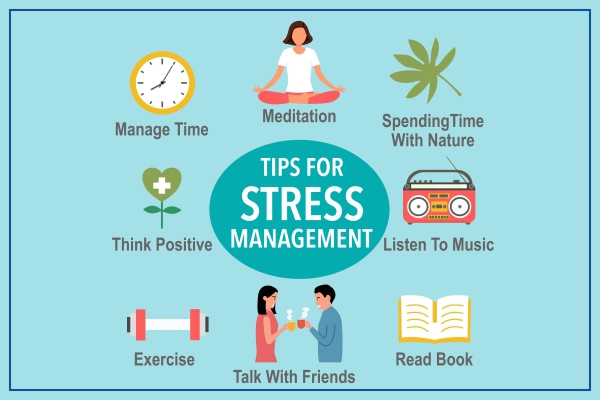
Feeling overwhelmed by the demands of life? Look no further! In this article, you will discover a variety of effective stress-relief practices that will bring a sense of calm and well-being to your everyday life. From deep breathing exercises to mindfulness techniques, these simple practices can easily be incorporated into your routine, helping you to cultivate a more peaceful and balanced state of mind. So, strap on your relaxation shoes and get ready to embark on a journey towards a stress-free life!
Mindfulness and Meditation
Deep Breathing Exercises
Taking the time to focus on your breath can greatly help in reducing stress and promoting a sense of calmness. Deep breathing exercises are a simple yet powerful way to activate your body’s relaxation response. To practice deep breathing, find a comfortable position and close your eyes. Inhale slowly through your nose, allowing your belly to rise, and then exhale slowly through your mouth, letting go of any tension or worries. Repeat this process several times, paying attention to the sensation of your breath entering and leaving your body. Deep breathing exercises can be done anywhere, at any time, making them a convenient tool for stress relief.
Guided Meditation
If you find it challenging to quiet your mind on your own, guided meditation can be a beneficial practice. Guided meditation involves listening to a recorded voice that directs your attention and helps you relax. It provides a structured approach to meditation, making it easier for beginners to get started. You can find various guided meditation resources online or through meditation apps. Regardless of the length of the guided meditation, carving out a few minutes each day to sit in stillness and focus on the present moment can have a profound impact on your overall well-being.
Mindful Eating
In our fast-paced lives, we often find ourselves rushing through meals or eating on the go. However, practicing mindful eating can transform your relationship with food and enhance your overall sense of well-being. Instead of mindlessly consuming your meals, take the time to truly savor and appreciate each bite. Pay attention to the flavors, textures, and smells of the food. Chew slowly and notice the sensations in your body as you eat. Mindful eating not only allows you to fully enjoy your meals, but it also promotes healthy digestion and nurtures a deeper mind-body connection.
Physical Exercise
Yoga
Yoga is a holistic practice that combines physical postures, breathwork, and meditation. It offers a multitude of benefits for both your body and mind. Engaging in regular yoga practice can help you release tension, increase flexibility and strength, improve balance, and promote relaxation. The emphasis on mindfulness throughout the practice encourages you to be fully present in the moment, allowing you to cultivate a greater sense of self-awareness and peace. Whether you practice in a studio or in the comfort of your own home, incorporating yoga into your routine can be a powerful tool for managing stress and promoting overall well-being.
Aerobic Exercises
Engaging in aerobic exercises, such as running, cycling, or brisk walking, is an effective way to reduce stress and improve your overall mood. When you engage in aerobic activities, your body releases endorphins, which are natural mood-boosting hormones. These exercises also help increase circulation and oxygen flow in your body, leading to a sense of rejuvenation. Additionally, the rhythmic movements and repetitive nature of aerobic exercises can have a meditative effect, allowing your mind to find a state of calmness. Aim for at least 30 minutes of moderate aerobic exercise most days of the week to experience the stress-relief benefits.
Strength Training
While cardio exercises are often praised for their stress-relieving benefits, strength training should not be overlooked. Incorporating strength training into your exercise routine can have numerous positive effects on your overall well-being. Not only does it help improve muscle tone and strength, but it also increases bone density and boosts metabolism. The physical challenges of strength training require your full attention, which can help you temporarily shift your focus away from stressors. Additionally, the sense of accomplishment and empowerment that comes with seeing your progress in strength training can further contribute to stress reduction and improved self-confidence.
Art Therapy
Painting or Drawing
Engaging in artistic activities, such as painting or drawing, provides a creative outlet for self-expression and stress relief. You don’t have to be a professional artist to benefit from these activities; the act of creating something with your own hands can be incredibly therapeutic. Painting or drawing allows you to focus your mind on the present moment and let go of any racing thoughts or worries. It encourages mindfulness as you pay attention to colors, brushstrokes, and the overall composition. The process of creating art can be meditative and cathartic, allowing you to tap into your emotions and find a sense of inner calm.
Coloring Books
Coloring books for adults have gained popularity in recent years due to their relaxation benefits. Coloring intricate designs with a variety of colors engages your creativity and helps you focus on the task at hand. As you color, you may find your mind entering a state of flow, where time seems to slow down and worries fade away. The repetitive nature of coloring can be soothing and meditative. It offers a break from daily stressors and allows you to tap into your inner childlike joy. So the next time you’re feeling overwhelmed, grab a coloring book and a set of colored pencils, and let your creativity flow.
Pottery or Sculpting
Working with clay through pottery or sculpting activities can be a therapeutic and grounding way to relieve stress. The tactile experience of molding and shaping clay with your hands provides a sensory escape from the pressures of everyday life. The act of creating three-dimensional forms promotes focus and concentration, allowing you to temporarily disconnect from stressors. Working with clay can also be a metaphor for personal growth and transformation. As you shape the clay, you may find yourself metaphorically shaping and healing aspects of your own life. Pottery or sculpting can be a powerful form of art therapy that promotes relaxation, self-expression, and a sense of accomplishment.
Journaling
Gratitude Journaling
Practicing gratitude journaling is a simple yet powerful way to shift your focus from stress and negativity to appreciation and positivity. Each day, take a few moments to write down three things you are grateful for. These can be big or small, from a sunny day to a meaningful conversation with a loved one. By consciously acknowledging and expressing gratitude, you train your mind to notice and appreciate the positive aspects of your life. Gratitude journaling helps reframe your perspective on challenging situations, reducing stress and promoting a sense of well-being. Grab a notebook and pen, and start cultivating gratitude in your daily life.
Reflection Journaling
Reflection journaling is an introspective practice that allows you to explore your thoughts, feelings, and experiences on a deeper level. Set aside some dedicated time each day to write about your day, your emotions, or any insights that arise. This process of self-reflection helps you gain clarity and perspective, enabling you to better understand yourself and the underlying causes of stress. It provides an outlet for processing emotions and can serve as a form of emotional release. Reflection journaling is not about judgment or perfection; it’s about embracing your authentic self and nurturing self-awareness.
Stream of Consciousness Writing
Stream of consciousness writing is a free-flowing practice that involves writing whatever comes to mind without censoring or judging the words. Set a timer for a specific duration, such as 10 or 15 minutes, and allow your thoughts to flow onto the paper without interruption. This uninhibited form of writing can be incredibly liberating and cathartic. It helps release pent-up thoughts and emotions, allowing you to gain clarity and insight into your innermost self. Stream of consciousness writing can be a valuable tool for relieving stress and accessing the depths of your subconscious mind. Give yourself permission to write without restraint and see where your thoughts take you.
Social Support
Talking to a Trusted Friend
When stress becomes overwhelming, it’s essential to reach out to someone you trust and share your thoughts and feelings. Talking to a trusted friend provides a safe space for you to vent, receive support, and gain perspective on your situation. A supportive friend can offer advice, empathy, and a listening ear, which can help alleviate stress and provide comfort. Connecting with others is an important aspect of well-being and can provide a sense of belonging and validation. So don’t hesitate to reach out to a trusted friend whenever you feel the need for support.
Joining a Support Group
If you’re dealing with long-term stress or a specific challenge, joining a support group can be an excellent resource. Support groups bring together individuals who are facing similar circumstances, allowing you to share experiences, learn coping strategies, and receive emotional support from others who truly understand what you’re going through. Whether it’s a group focused on stress management, grief, or a particular health condition, being part of a supportive community can help you feel less alone and more empowered to navigate your stress. Consider seeking out local support groups or exploring online communities to find the right fit for you.
Seeking Professional Help
In some cases, stress may become overwhelming, and self-help strategies may not be sufficient. Seeking professional help from a therapist or counselor can make a significant difference in your ability to manage and overcome stress. A trained professional can provide guidance, support, and tools tailored to your specific needs. Therapy offers a safe and confidential space to address underlying issues, learn healthy coping mechanisms, and develop a personalized stress-management plan. Remember, reaching out for professional help is a courageous step towards prioritizing your well-being and gaining the tools to lead a more fulfilling life.
Spending Time in Nature
Gardening
Connecting with nature has been proven to reduce stress and promote overall well-being. Gardening allows you to immerse yourself in the natural world and engage in a hands-on activity that nurtures both your mind and body. Whether you have a backyard garden or a few potted plants on your balcony, spending time tending to plants can be incredibly therapeutic. The act of soil, planting, watering, and caring for plants gives you a sense of purpose and connection to the cycle of life. The beauty of watching plants grow and thrive can bring a sense of joy and fulfillment, making gardening an excellent stress-relief practice.
Forest Bathing
Forest bathing, also known as shinrin-yoku, is a practice that involves immersing yourself in a forest or natural environment and mindfully engaging with your surroundings. This practice originated in Japan and has gained recognition worldwide for its numerous health benefits. Simply walking in a forest, breathing in the fresh air, and observing the natural sights and sounds can have a profound impact on your well-being. Forest bathing has been shown to reduce stress, lower blood pressure, boost mood, and improve overall immune function. So, next time you have the opportunity, take a leisurely stroll in nature and let the healing power of the forest wash over you.
Outdoor Activities
Engaging in outdoor activities is a fantastic way to reduce stress while enjoying the benefits of physical exercise. Whether it’s going for a hike, swimming in a lake, or simply taking a walk in a park, being in nature can help restore a sense of balance and tranquility. Outdoor activities allow you to disconnect from the demands of technology and reconnect with the natural world. The sights, sounds, and smells of nature can positively impact your mood and provide a refreshing change of scenery. So put on your hiking boots, grab your bicycle, or pack a picnic – the great outdoors awaits!
Relaxation Techniques
Progressive Muscle Relaxation
Progressive muscle relaxation is a technique that involves systematically tensing and relaxing different muscle groups in your body. The process helps you identify and release tension, promoting physical and mental relaxation. To practice progressive muscle relaxation, start by finding a comfortable position and focusing on your breath. Gradually tense a specific muscle group, such as your fists or your shoulders, for a few seconds, and then release the tension, allowing the muscles to relax completely. Move through your body, progressively releasing tension in each muscle group. This practice can be particularly helpful before sleep, as it prepares your body for a restful night.
Aromatherapy
Aromatherapy utilizes the power of scent to promote relaxation and reduce stress. Certain essential oils, such as lavender, chamomile, and bergamot, have calming properties that can help soothe your mind and body. You can enjoy the benefits of aromatherapy through diffusers, scented candles, or even by applying diluted essential oils to your skin. Experiment with different scents and find the ones that resonate with you the most. Aromatherapy can create a peaceful atmosphere, improve sleep quality, and enhance your overall well-being.
Hot Baths or Showers
Taking a hot bath or shower can be a simple yet effective way to relax and alleviate stress. The warm water helps to soothe tense muscles, promote circulation, and induce a sense of calmness. Allow yourself to fully immerse in the experience – focus on the sensation of the water on your skin, the comforting steam, and the relaxing atmosphere. You can enhance this self-care practice by using scented bath oils, adding Epsom salts for muscle relaxation, or using natural bath products that incorporate calming ingredients like chamomile or lavender. Take this time to unwind, let go of stress, and embrace a moment of tranquility.
Time Management
Prioritization and Planning
Effective time management is essential for reducing stress and increasing productivity. Taking the time to prioritize your tasks and plan your day can help you stay organized and avoid feeling overwhelmed. Start by creating a to-do list and identifying the most important tasks that need to be completed. Break down larger tasks into smaller, manageable steps, and allocate time to work on each one. By having a clear plan, you can approach your day in a more structured and focused manner, reducing the likelihood of feeling stressed or rushed. Remember to be flexible with your plans and allow room for unforeseen circumstances.
Setting Boundaries
Setting boundaries is crucial for maintaining a healthy work-life balance and preventing burnout. Clearly define what is acceptable and not acceptable in terms of your availability, workload, and personal time. Communicate your boundaries to colleagues, friends, and family members, so they understand your limits and can respect your needs. Establishing boundaries allows you to protect your time and energy, ensuring you have the necessary resources to focus on self-care and stress management. It may feel uncomfortable at first, but setting boundaries is an act of self-respect and is essential for maintaining your overall well-being.
Time Blocking
Time blocking is a technique that involves scheduling specific blocks of time for different tasks or activities. It helps you allocate time strategically and ensures you have dedicated periods for work, self-care, and relaxation. Start by creating a schedule with time slots for different activities throughout your day. Assign blocks of time for work, exercise, hobbies, and rest. By having a visual representation of how you will spend your time, you can better manage your priorities and reduce the tendency to multitask or waste time aimlessly. Time blocking promotes focus and helps create a sense of balance in your daily routine.
Engaging in Hobbies
Playing an Instrument
Engaging in a hobby that brings you joy and allows you to tap into your creative side is a great way to relieve stress. Playing a musical instrument is a fulfilling activity that can transport your mind to a state of flow and relaxation. Whether you’re a beginner or an experienced musician, the act of playing an instrument requires focus and concentration, temporarily diverting your attention from stressors. The rhythmic patterns, melodies, and harmonies can have a soothing effect on your mind and provide an outlet for emotional expression. So dust off that guitar, sit at the piano, or pick up a new instrument – let the music guide you to a state of serenity.
Cooking or Baking
Cooking or baking can be a creative and therapeutic outlet for stress relief. Preparing a delicious meal or indulging in the process of baking can help shift your focus away from stress and into the present moment. Engaging your senses in the kitchen – smelling the aromas, tasting the flavors, and feeling the textures – can be incredibly grounding and enjoyable. Experiment with new recipes, try different cooking techniques, or create your own unique dishes. Sharing your culinary creations with loved ones can also enhance the sense of connection and bring joy to your stress-relief practice.
Photography
Capturing moments through the lens of a camera allows you to escape from daily stressors and immerse yourself in the present moment. Whether you’re using a professional camera or a smartphone, photography enables you to explore your surroundings and find beauty in the simplest of things. The act of framing a shot, adjusting settings, and focusing on composition requires your full attention, allowing your mind to enter a state of flow. Photography encourages mindfulness and helps you cultivate a new perspective, as you start noticing details and patterns that may have gone unnoticed before. So grab your camera, head outside, and let your creative eye guide you to stress-free moments.
Healthy Lifestyle Habits
Getting Enough Sleep
Quality sleep is essential for overall well-being and stress management. When you don’t get enough sleep, your body becomes more susceptible to stress and your ability to cope with challenges diminishes. Establishing a regular sleep routine can help optimize your sleep patterns and improve the quality of your rest. Aim for 7-9 hours of sleep each night, create a relaxing bedtime routine, and ensure your sleep environment is conducive to restful sleep. Prioritizing sleep sets the foundation for a healthier and more balanced life, allowing you to wake up refreshed and better equipped to handle daily stressors.
Eating a Balanced Diet
Nutrition plays a significant role in maintaining your overall well-being and managing stress. Consuming a balanced diet rich in fruits, vegetables, whole grains, lean proteins, and healthy fats provides your body with the necessary nutrients to function optimally. Avoid relying on processed or sugary foods, as they can lead to energy crashes and exacerbate stress symptoms. Pay attention to how certain foods make you feel and aim to incorporate more wholesome, nourishing choices into your meals. Fueling your body with the right nutrients helps sustain energy levels, regulate mood, and support a healthy stress response.
Limiting Caffeine and Alcohol
While it may be tempting to rely on caffeine or alcohol to cope with stress, they can actually exacerbate stress symptoms and disrupt your overall well-being. Caffeine, found in coffee, tea, and soda, stimulates the central nervous system, increasing feelings of anxiety and interfering with quality sleep. Alcohol, on the other hand, is a depressant that can initially provide a temporary sense of relaxation but ultimately disrupts sleep patterns and negatively impacts mood. Consider limiting your consumption of caffeine and alcohol, particularly in the evening, to ensure they don’t interfere with your ability to effectively manage stress.
Incorporating effective stress-relief practices into your daily routine is vital for maintaining optimal well-being. Mindfulness and meditation, physical exercise, art therapy, journaling, social support, spending time in nature, relaxation techniques, time management, engaging in hobbies, and adopting healthy lifestyle habits are all powerful tools you can utilize to reduce stress and enhance your overall quality of life. By prioritizing self-care and implementing these stress-relief practices, you can take control of your stress levels and cultivate a greater sense of happiness and well-being. Remember, you deserve to live a life that is balanced, peaceful, and free from excessive stress.