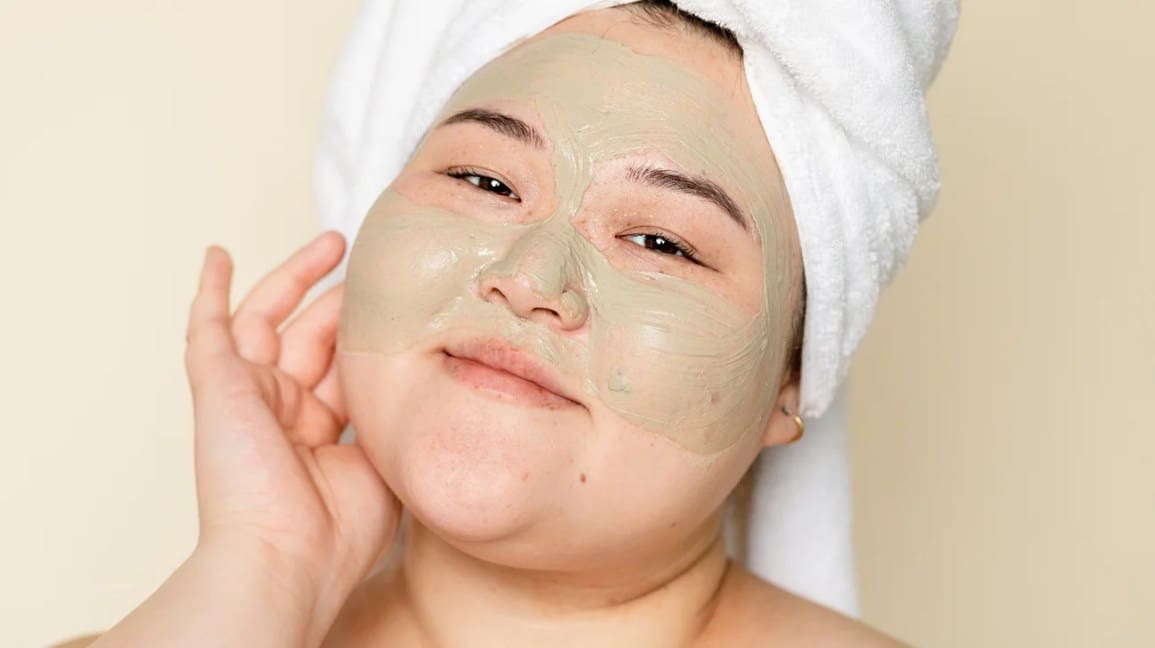
Taking care of your skin is essential for maintaining overall wellness. Skin conditions can not only be uncomfortable, but they can also have a significant impact on your self-esteem and confidence. In this article, we will explore the best ways to prevent skin conditions and promote wellness, providing you with practical tips and advice to keep your skin healthy and glowing. From developing a consistent skincare routine to adopting a healthy lifestyle, discover how you can achieve radiant skin and enhance your overall well-being.
Sun Protection
Use sunscreen
One of the most important ways to protect your skin from the harmful effects of the sun is to use sunscreen. Sunscreen helps to block the sun’s damaging ultraviolet (UV) rays, which can cause sunburn, premature aging, and even skin cancer. When choosing a sunscreen, make sure to pick one with a broad-spectrum SPF of 30 or higher. Apply it generously to all exposed skin, including your face, neck, and any other areas that might be exposed to the sun. Don’t forget to reapply every two hours, or more often if you’re sweating or swimming.
Wear protective clothing
In addition to sunscreen, wearing protective clothing can provide an extra layer of defense against the sun’s harmful rays. Opt for tightly woven fabrics that cover as much skin as possible, such as long-sleeved shirts, pants, and wide-brimmed hats. Don’t forget about your eyes, as they can also be damaged by the sun. Wear sunglasses that offer 100% UV protection to shield your eyes from harmful rays.
Seek shade during peak sun hours
When the sun is at its strongest, typically between 10 am and 4 pm, it’s a good idea to seek shade whenever possible. This can help reduce your exposure to intense UV rays and give your skin a break from the direct sunlight. If you’re planning to spend time outdoors during these hours, find a shady spot under a tree or bring along an umbrella to create your own shade. Remember, even on cloudy days, the sun’s rays can still penetrate through the clouds and cause damage to your skin, so it’s essential to be diligent about seeking shade.
Maintain a Healthy Diet
Eat fruits and vegetables
Eating a diet rich in fruits and vegetables is not only good for your overall health but also for your skin. Fruits and vegetables are packed with essential vitamins, minerals, and antioxidants that help protect your skin from damage, promote collagen production, and keep it looking radiant and healthy. Aim to include a variety of colorful fruits and vegetables in your diet, such as berries, leafy greens, citrus fruits, and bell peppers.
Stay hydrated
Drinking enough water is crucial for maintaining healthy skin. When your body is properly hydrated, it helps to keep your skin moisturized and supple, reducing the appearance of wrinkles and fine lines. It also helps to flush out toxins from your body, promoting clear and radiant skin. Make sure to drink plenty of water throughout the day, and if you find it challenging to stay hydrated, try infusing your water with fruits or herbs for a flavorful twist.
Limit processed and sugary foods
While enjoying the occasional treat is okay, it’s important to limit your intake of processed and sugary foods for the sake of your skin. These types of foods can contribute to inflammation in the body, which can show up on your skin as acne, redness, or dullness. Instead, opt for whole, nutrient-dense foods like lean proteins, whole grains, and healthy fats, which provide the vitamins and minerals your skin needs to stay healthy and vibrant.

Keep Stress Levels in Check
Practice relaxation techniques
Chronic stress can wreak havoc on your skin, causing breakouts, dryness, and other skin issues. That’s why it’s crucial to find ways to manage and reduce stress in your life. Engaging in relaxation techniques, such as deep breathing exercises, meditation, or yoga, can help activate your body’s relaxation response, reducing stress levels and promoting a sense of calm.
Get enough sleep
Getting enough quality sleep is essential for your overall well-being, including the health of your skin. During sleep, your body goes into repair mode, rejuvenating your skin cells and promoting a healthy complexion. Aim for 7-9 hours of sleep each night and establish a relaxing bedtime routine to ensure you’re getting the rest you need for optimal skin health.
Engage in stress-reducing activities
Finding activities that help you unwind and reduce stress is essential for maintaining healthy and glowing skin. Whether it’s going for a walk in nature, practicing a hobby you enjoy, or spending quality time with loved ones, make time for activities that bring you joy and help you relax. By reducing stress, you’ll be doing your skin a favor and promoting overall wellness.
Practice Good Hygiene
Cleanse your skin daily
Keeping your skin clean is an important step in maintaining its health and preventing skin conditions. Cleanse your skin twice a day, once in the morning and once at night, using a gentle cleanser that is suitable for your skin type. Cleansing removes dirt, oil, and impurities that can accumulate on your skin throughout the day, helping to prevent clogged pores, acne, and other skin problems.
Moisturize regularly
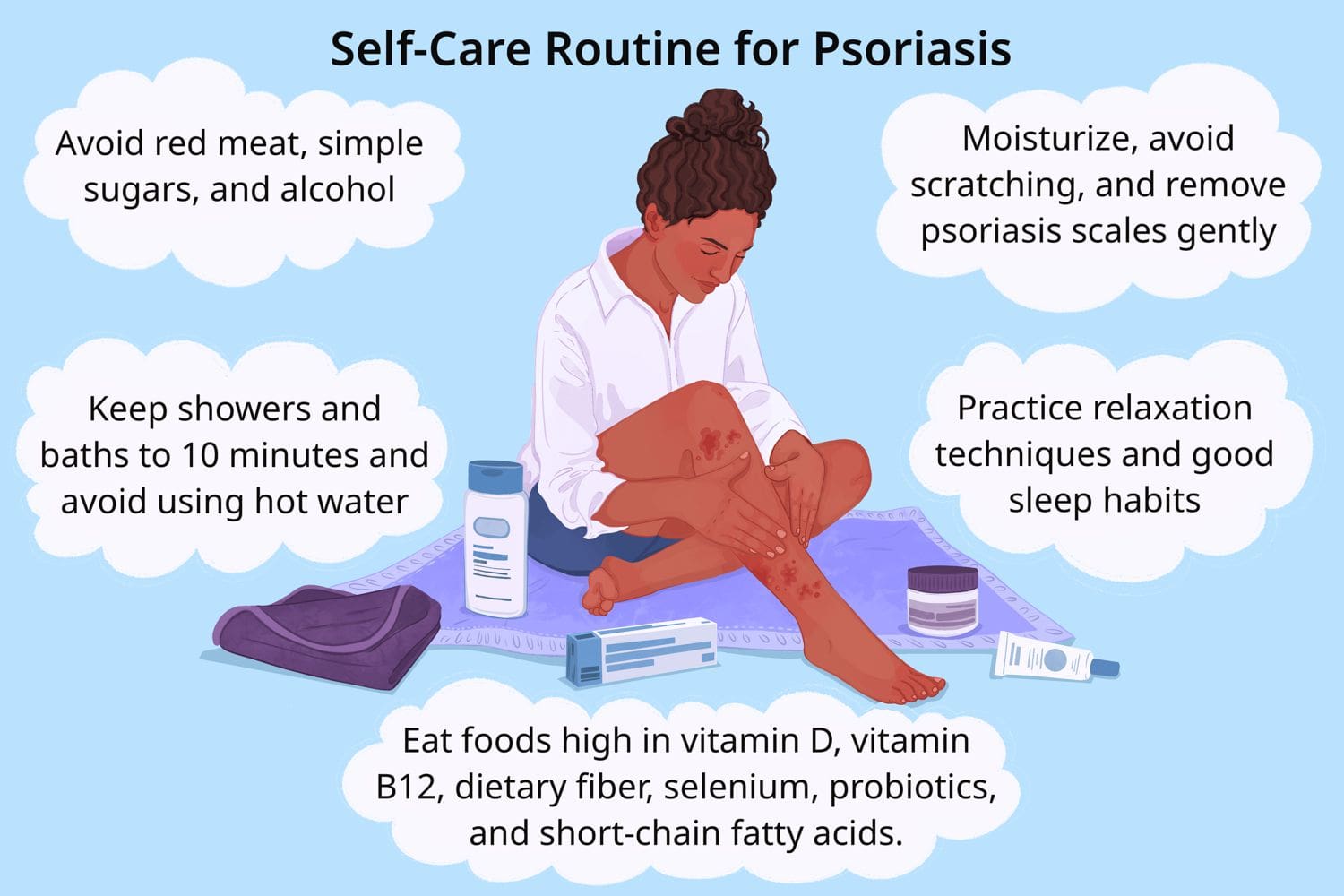
Moisturizing your skin is vital to keep it hydrated, soft, and supple. Choose a moisturizer that suits your skin type and apply it daily after cleansing and any time your skin feels dry. Moisturizers work by locking in moisture, preventing water loss, and providing essential nutrients to the skin. Don’t forget to pay attention to all areas of your body that may need extra moisture, such as your hands, elbows, and feet.
Avoid over-washing and harsh products
While it’s important to keep your skin clean, over-washing and using harsh products can do more harm than good. Over-washing can strip your skin of its natural oils, leading to dryness, irritation, and even breakouts. Additionally, using harsh products with ingredients like alcohol or fragrances can irritate your skin and disrupt its natural balance. Stick to gentle cleansers and products that are formulated for your skin type to ensure optimal skin health.
Exercise Regularly
Engage in aerobic activities
Regular exercise not only benefits your overall health but also plays a vital role in the health of your skin. Aerobic activities like jogging, cycling, or swimming increase blood circulation, delivering nutrients and oxygen to your skin cells and promoting a healthy complexion. Aim for at least 150 minutes of moderate-intensity aerobic exercise per week, or 75 minutes of vigorous exercise if you prefer more intense workouts.
Incorporate strength training
In addition to aerobic exercise, incorporating strength training into your fitness routine can further benefit your skin. Strength training exercises, such as lifting weights or using resistance bands, help to tone and firm your muscles, which can enhance the appearance of your skin. It also promotes collagen production, which is essential for maintaining skin elasticity and reducing the signs of aging.
Maintain a consistent workout routine
Consistency is key when it comes to reaping the benefits of exercise for your skin. Aim to establish a workout routine that you enjoy and can stick to in the long term. Whether it’s scheduling regular gym sessions, joining a fitness class, or finding a workout buddy, find a routine that works for you and make exercise a regular part of your lifestyle for healthy and radiant skin.
Avoid Smoking and Excessive Alcohol Consumption
Quit smoking
Smoking not only poses serious health risks but can also have detrimental effects on your skin. Smoking narrows the blood vessels in the outermost layers of your skin, reducing blood flow and depleting your skin of vital nutrients and oxygen. This can lead to premature aging, wrinkles, dullness, and an increased risk of skin cancer. If you’re a smoker, quitting smoking is one of the best things you can do for your skin and overall well-being.
Limit alcohol intake
Excessive alcohol consumption can also take a toll on your skin. Alcohol dehydrates your body, leading to dry and dull skin. It can also exacerbate skin conditions like rosacea and acne. While moderate alcohol consumption is generally considered acceptable, it’s important to be mindful and limit your intake to protect your skin’s health. Stick to recommended guidelines, which typically suggest no more than one drink per day for women and two drinks per day for men.
Seek support if needed
If you find it challenging to quit smoking or reduce your alcohol intake on your own, don’t hesitate to seek support. There are various resources available, such as counseling, support groups, or medications, that can help you overcome these habits. Remember, taking care of your skin goes hand in hand with taking care of your overall health, and seeking support can make a significant difference in your journey toward wellness.

Get Regular Skin Checkups
Visit a dermatologist
Regular visits to a dermatologist are crucial for maintaining healthy skin and catching any potential issues early on. A dermatologist can perform thorough skin examinations, identifying any suspicious moles or skin changes that could indicate skin cancer or other conditions. They can also provide personalized advice and recommend appropriate skincare products and treatments based on your specific needs.
Perform self-examinations
Alongside regular dermatologist visits, it’s important to perform self-examinations to keep an eye on your skin’s health. Take note of any new moles, changes in existing moles, or any unusual skin spots. Use a mirror to check hard-to-see areas or ask a partner or friend to assist. If you notice anything concerning, don’t hesitate to bring it to the attention of your dermatologist.
Keep an eye on moles and skin changes
Moles are a common and often harmless part of the skin. However, changes in their size, shape, color, or texture can indicate a potential issue. Keep an eye on any moles you have and monitor for any changes. Additionally, be aware of any other skin changes, such as the development of new growths, sores that won’t heal, or persistent redness or swelling. Early detection can make a significant difference in the successful treatment of skin conditions, so vigilance is key.
Cleanse and Exfoliate
Use a gentle cleanser
When cleansing your skin, opt for a gentle cleanser that suits your skin type. Harsh soaps or cleansers with strong fragrances or irritating ingredients can strip your skin of its natural oils and disrupt its balance. Look for cleansers that are mild, hypoallergenic, and free of harsh chemicals. Gently massage the cleanser onto your skin using circular motions, and then rinse thoroughly with lukewarm water.
Exfoliate regularly
Exfoliation is an essential step in any skincare routine as it helps to remove dead skin cells, unclog pores, and promote cell turnover. However, it’s important to exfoliate gently to avoid irritating or damaging your skin. Choose a mild exfoliant that suits your skin type, such as a gentle scrub or a chemical exfoliator containing alpha or beta hydroxy acids. Limit exfoliation to 1-3 times per week, depending on your skin’s sensitivity.
Avoid scrubbing too vigorously
While exfoliating, be careful not to scrub your skin too vigorously, as this can cause irritation, redness, or even micro-tears in the skin’s surface. Instead, apply gentle pressure in circular motions and let the exfoliant do the work. If you have sensitive or acne-prone skin, consider using a soft washcloth or a gentle exfoliating tool to assist in the process.

Moisturize Daily
Choose a suitable moisturizer
Moisturizing daily is essential for maintaining healthy and hydrated skin. When choosing a moisturizer, opt for one that is suitable for your skin type and addresses any specific concerns you may have, such as dryness, sensitivity, or signs of aging. Look for moisturizers that contain hydrating ingredients like hyaluronic acid, ceramides, or glycerin, and avoid those with irritating fragrances or harsh chemicals.
Apply moisturizer after bathing
The best time to apply moisturizer is immediately after bathing or showering, as your skin is still slightly damp, allowing the moisturizer to penetrate better. Pat your skin dry gently with a towel, leaving some moisture on the skin’s surface, and then apply your moisturizer in upward strokes. This helps to lock in moisture, prevent water loss, and keep your skin hydrated throughout the day.
Focus on dry and sensitive areas
Pay special attention to dry and sensitive areas of your skin when moisturizing. These areas, such as your elbows, hands, and feet, tend to be more prone to dryness and require extra care. Apply a thicker moisturizer or a targeted treatment to these areas to provide the moisture and nourishment they need to stay soft and supple.
Protect Your Skin from Harsh Environments
Use a humidifier in dry climates
Dry environments can take a toll on your skin, leaving it dry, itchy, and prone to irritation. Using a humidifier can help restore moisture to the air, preventing your skin from drying out. Place a humidifier in your bedroom or other frequently used areas and adjust the humidity level to a comfortable range. This can make a significant difference in maintaining optimal moisture levels on your skin.
Protect against extreme temperatures
Extreme temperatures, whether hot or cold, can be harsh on your skin. In hot weather, protect your skin by seeking shade, wearing lightweight and breathable clothing, and using sunscreen. In cold weather, bundle up in warm layers and cover as much skin as possible to prevent exposure to cold air and wind. Additionally, applying a rich moisturizer or a protective barrier cream can help shield your skin from the elements.
Avoid prolonged exposure to pollutants
Pollutants in the air, such as smoke, smog, and other environmental toxins, can be harmful to your skin. When possible, try to avoid spending extended periods in highly polluted areas. If you live in a heavily polluted area, consider using an air purifier in your home to help improve indoor air quality. Additionally, cleansing your skin thoroughly at the end of the day can help remove any pollutants or impurities that may have accumulated on your skin’s surface.
By following these best ways to prevent skin conditions and promote wellness, you can take proactive steps to maintain healthy and radiant skin. Remember, your skin is your body’s largest organ, and caring for it goes beyond just a skincare routine. Incorporate these practices into your daily life, and your skin will thank you for it.