
In today’s fast-paced world, stress has become an inevitable part of our daily lives. From work pressures to personal obligations, the constant juggling of responsibilities can leave us feeling overwhelmed. That is why it is crucial to find effective techniques for stress management and relaxation. By incorporating simple yet powerful strategies into your routine, you can regain control over your mental and emotional well-being. This article will explore some practical methods that can help you manage stress and find moments of tranquility amidst the chaos of life. So, take a deep breath, sit back, and discover the keys to a calmer, more peaceful existence.
Meditation and Mindfulness
Deep Breathing Exercises
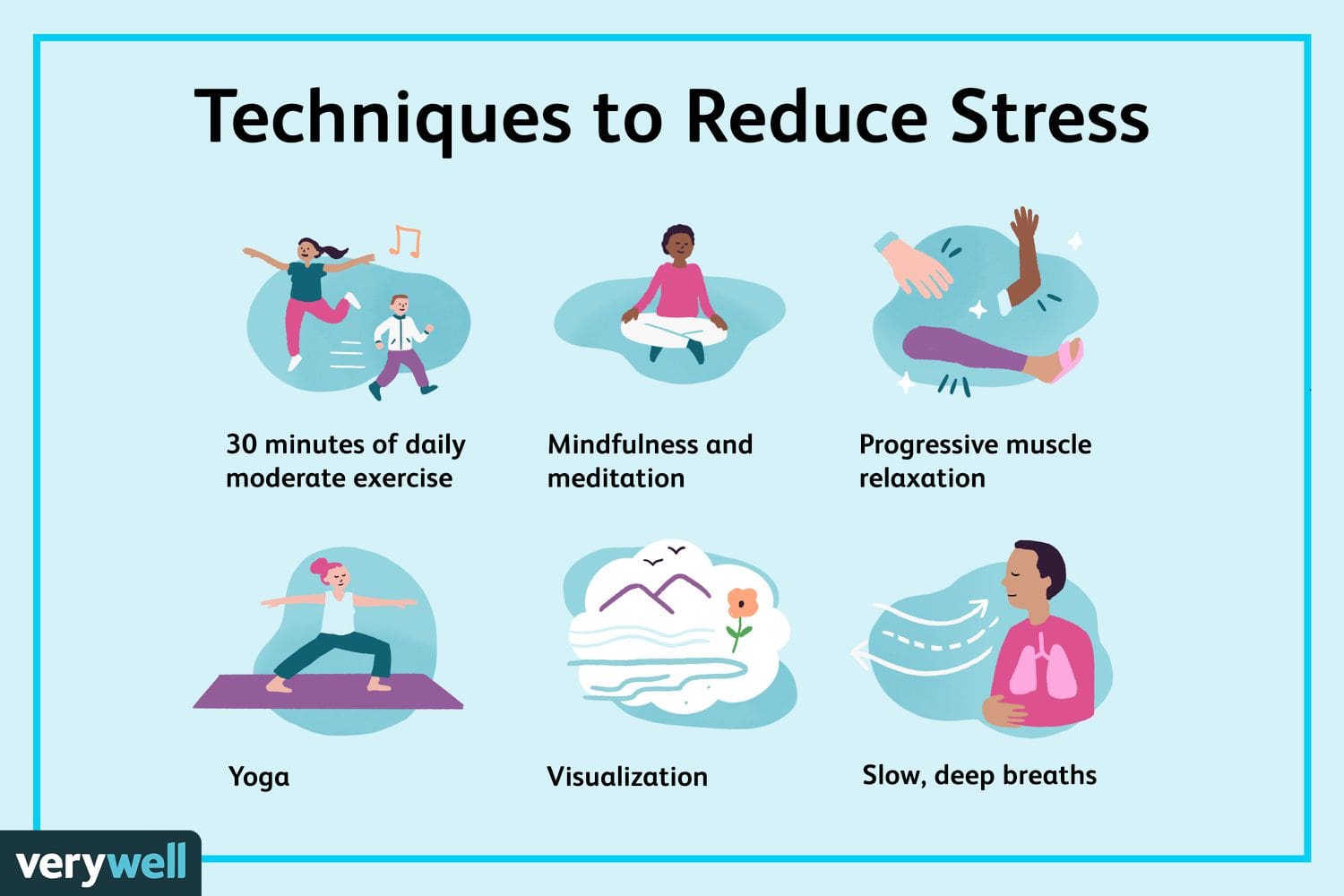
Deep breathing exercises are a simple yet effective way to calm your mind and relax your body. By focusing on your breath and taking slow, deep inhales and exhales, you can activate your body’s natural relaxation response. Deep breathing exercises can be done anywhere, at any time, and they have been shown to reduce stress, decrease blood pressure, and improve overall well-being. To practice deep breathing, find a comfortable position, close your eyes, and take a deep breath in through your nose, filling your lungs completely. Then, slowly exhale through your mouth, allowing any tension or worries to leave your body with each breath.
Body Scan Meditation
Body scan meditation is a mindfulness practice that involves bringing your attention to different parts of your body, noticing any sensations or areas of tension, and then intentionally relaxing those areas. This technique can help you become more aware of your body and any areas of stress or discomfort that you may not have been aware of before. To practice body scan meditation, find a quiet space and lie down or sit in a comfortable position. Close your eyes and slowly bring your attention to each part of your body, starting from your toes and working your way up to the top of your head. As you focus on each area, notice any sensations or tension, and then consciously relax that area before moving on to the next.
Guided Visualization
Guided visualization is a technique that uses the power of your imagination to create a calm and peaceful state of mind. It involves mentally “visualizing” a soothing and relaxing scene, such as a peaceful beach or a tranquil forest. Guided visualization can be done with the help of a guided meditation recording or by simply closing your eyes and imagining the scene yourself. As you engage in guided visualization, try to use all of your senses to create a vivid and realistic mental image. Allow yourself to fully immerse in the tranquility of your chosen scene, and notice how it can help to reduce stress and promote relaxation.
Mindful Eating
Mindful eating is a practice that involves paying full attention to the experience of eating, without judgment or distraction. It is about slowing down, savoring each bite, and fully engaging with the process of nourishing your body. By practicing mindful eating, you can develop a healthier relationship with food, reduce overeating or emotional eating, and increase your overall enjoyment of meals. To eat mindfully, try to eliminate distractions such as TV or electronics, and focus entirely on your food. Take small bites, chew slowly, and savor the flavors and textures of each bite. Pay attention to your body’s hunger and fullness cues, and eat in a way that feels nourishing and satisfying.
Physical Exercise
Cardiovascular Exercise
Cardiovascular exercise, also known as aerobic exercise, is any form of exercise that increases your heart rate and gets your blood pumping. This type of exercise is essential for maintaining good cardiovascular health, improving lung function, and reducing the risk of chronic diseases such as heart disease, diabetes, and obesity. Some examples of cardiovascular exercises include brisk walking, running, swimming, cycling, and dancing. Aim to engage in at least 150 minutes of moderate-intensity cardiovascular exercise per week, or 75 minutes of vigorous-intensity exercise. Remember to start slowly and gradually increase the intensity and duration of your workouts to avoid injury.
Strength Training
Strength training, also known as resistance training, is a type of exercise that uses resistance to build and strengthen your muscles. This form of exercise is important for maintaining muscle mass, increasing bone density, improving balance, and preventing age-related muscle loss. Strength training can be done using free weights, machines, resistance bands, or even just your own body weight. Aim to engage in strength training exercises at least two days per week, targeting all major muscle groups. Start with lighter weights or resistance and gradually increase as your strength and fitness level improves.
Yoga
Yoga is a mind-body practice that combines physical postures, breathing exercises, and meditation. It has been practiced for thousands of years and is known for its numerous health benefits, including stress reduction, increased flexibility, improved balance, and enhanced overall well-being. Yoga is suitable for people of all fitness levels and can be modified to accommodate individual needs or physical limitations. Whether you prefer a gentle, restorative practice or a more vigorous flow, practicing yoga regularly can help you find peace and relaxation in both your body and mind.
Tai Chi
Tai Chi is an ancient Chinese martial art that combines slow, flowing movements with deep breathing and mindfulness. It is often referred to as “moving meditation” and is known for its ability to improve balance, flexibility, and mental focus. Tai Chi is a low-impact exercise that can be practiced by people of all ages and fitness levels. Its gentle, controlled movements promote relaxation and help to reduce stress and anxiety. Regular practice of Tai Chi can also improve cardiovascular health, increase muscle strength and coordination, and enhance overall well-being.

Sleep and Relaxation
Maintaining a Regular Sleep Routine
Maintaining a regular sleep routine is essential for getting quality sleep and promoting optimal relaxation. Try to go to bed and wake up at the same time every day, even on weekends, to regulate your body’s internal clock. Create a relaxing bedtime routine that includes activities such as reading, taking a warm bath, or practicing relaxation techniques. Avoid stimulants such as caffeine and electronics close to bedtime, and ensure your sleep environment is comfortable, cool, and quiet. By establishing a consistent sleep routine, you can train your body to associate bedtime with relaxation, making it easier to fall asleep and stay asleep throughout the night.
Creating a Relaxing Bedtime Ritual
Creating a relaxing bedtime ritual can help signal to your body and mind that it is time to unwind and prepare for restful sleep. This ritual can involve activities that you find calming and enjoyable, such as reading a book, listening to soothing music, practicing gentle stretching or yoga, or writing in a gratitude journal. Find what works best for you and make it a non-negotiable part of your nightly routine. By consistently engaging in relaxing activities before bed, you can create a peaceful and tranquil atmosphere conducive to sleep and relaxation.
Progressive Muscle Relaxation
Progressive muscle relaxation is a technique that involves systematically tensing and then relaxing each muscle group in your body to achieve a state of deep relaxation. This practice can help reduce muscle tension, promote relaxation, and alleviate symptoms of stress or anxiety. To practice progressive muscle relaxation, find a comfortable position and begin by taking a few deep breaths to center yourself. Starting from your feet, tighten the muscles in that area, and then release the tension as you exhale. Move slowly up through your body, tensing and releasing each major muscle group, including your legs, abdomen, arms, shoulders, and face. Take your time with each muscle group, noticing the difference between tension and relaxation.
Visualization and Guided Imagery
Visualization and guided imagery are relaxation techniques that involve using your imagination to create positive and calming mental images. By visualizing peaceful scenes or engaging in guided imagery recordings, you can transport your mind to a serene and tranquil place, promoting relaxation and stress relief. Find a quiet space, close your eyes, and visualize a place that brings you a sense of calm and peace. Imagine the details of this place – the sights, sounds, smells, and sensations. Alternatively, you can listen to guided imagery recordings that lead you through a relaxation experience. Allow yourself to fully immerse in the visualization or guided imagery, and notice how it helps you relax and let go of any stress or tension.
