
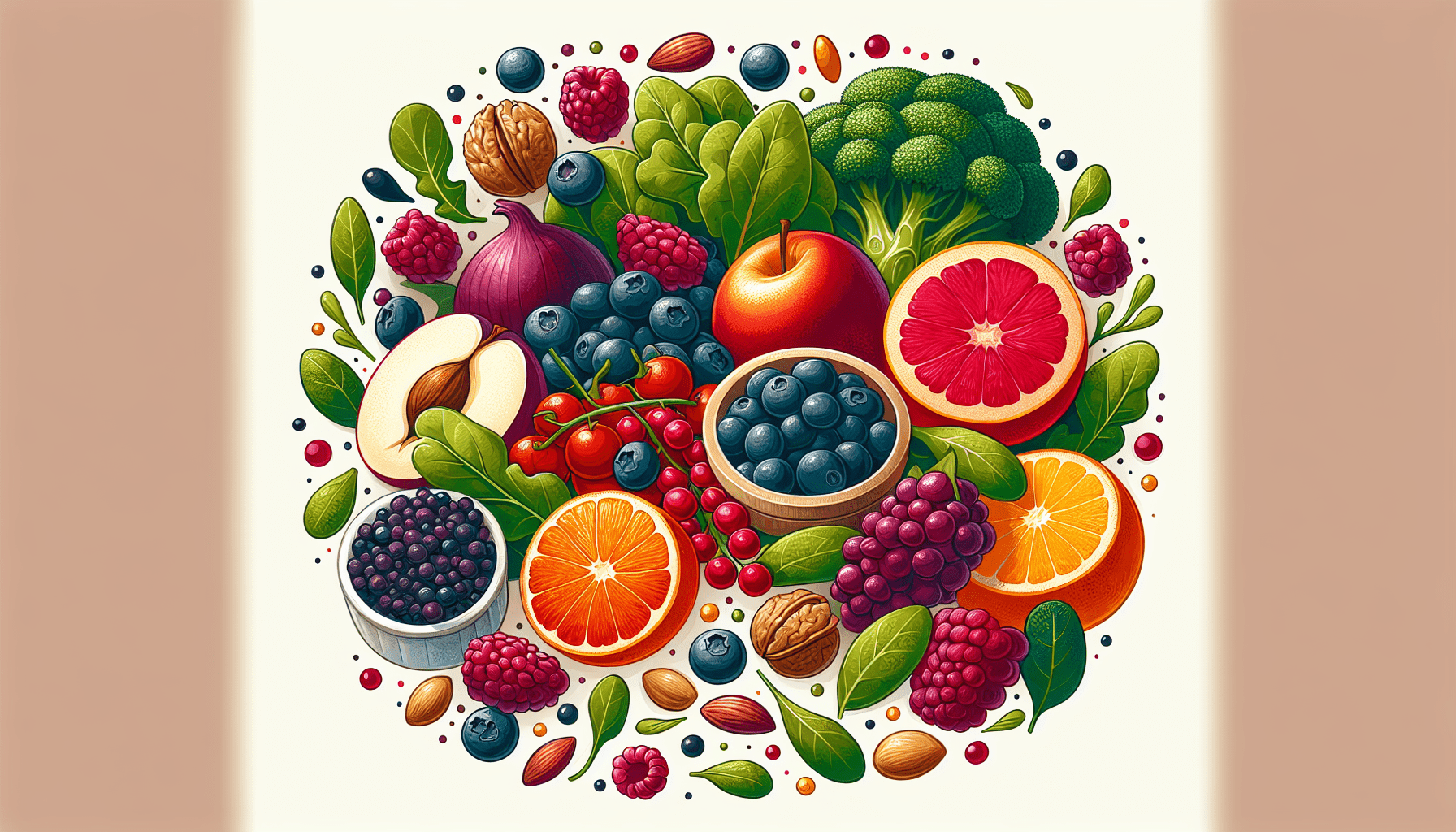
Welcome to a helpful article that will guide you through the top ways to reduce inflammation in your body through simple changes in your diet and lifestyle. By incorporating anti-inflammatory foods, staying hydrated, exercising regularly, managing stress, and getting enough rest, you can effectively decrease inflammation levels in your body. These practical tips will not only improve your overall health and well-being but also help prevent chronic diseases associated with inflammation. So, let’s dive in and start making positive changes today!
Top Ways To Reduce Inflammation In The Body Through Diet And Lifestyle
Are you tired of feeling bloated, achy, and low on energy? You may be experiencing inflammation in your body. Inflammation can be caused by various factors, including stress, poor diet, lack of exercise, and environmental toxins. But the good news is, there are steps you can take to reduce inflammation and improve your overall health. In this article, we will explore some of the top ways to reduce inflammation in the body through diet and lifestyle changes. So let’s dive in and start feeling your best!
Understanding Inflammation
Before we dive into the ways to reduce inflammation in your body, let’s take a moment to understand what inflammation is. Inflammation is your body’s natural response to injury or infection. It is a protective mechanism that helps your body heal and repair damaged tissues. However, chronic inflammation can be harmful and is linked to various health conditions, including heart disease, diabetes, and autoimmune disorders.
When inflammation becomes chronic, it can lead to persistent pain, swelling, and discomfort. It can also disrupt your body’s normal functions and weaken your immune system. By making changes to your diet and lifestyle, you can help reduce inflammation in your body and improve your overall health and well-being.
The Role of Diet in Inflammation
What you eat can have a significant impact on inflammation levels in your body. A diet high in processed foods, sugar, and unhealthy fats can increase inflammation, while a diet rich in whole foods, antioxidants, and anti-inflammatory nutrients can help reduce inflammation. Making smart food choices is key to keeping inflammation in check.
Anti-Inflammatory Foods
Certain foods have anti-inflammatory properties and can help reduce inflammation in your body. Including these foods in your diet can have a positive impact on your overall health. Some of the top anti-inflammatory foods include:
- Fatty fish such as salmon, mackerel, and sardines, which are rich in omega-3 fatty acids that have been shown to reduce inflammation.
- Berries like blueberries, strawberries, and raspberries that are packed with antioxidants and other compounds that help fight inflammation.
- Leafy greens such as spinach, kale, and Swiss chard, which are loaded with vitamins, minerals, and phytonutrients that have anti-inflammatory properties.
- Nuts and seeds like almonds, walnuts, and flaxseeds that are high in healthy fats and antioxidants that help reduce inflammation.
- Turmeric, a spice known for its anti-inflammatory properties, thanks to its active compound, curcumin.
By incorporating these anti-inflammatory foods into your diet, you can help combat inflammation and support your body’s overall health.
Foods To Avoid
Just as there are foods that can help reduce inflammation, there are also foods that can trigger or worsen inflammation in your body. These include:
- Processed foods high in sugar, refined grains, and unhealthy fats that can promote inflammation.
- Sugary beverages like soda and sweetened drinks that are linked to increased inflammation.
- Red meat and processed meats that contain saturated fats and other compounds that can lead to inflammation.
- Trans fats found in fried foods, baked goods, and margarine, which are known to promote inflammation.
- Alcohol and excessive caffeine, which can disrupt your body’s natural balance and increase inflammation levels.
By limiting or avoiding these inflammatory foods, you can help reduce inflammation in your body and support your overall health.
The Importance of Hydration
Staying well-hydrated is essential for reducing inflammation in your body. Dehydration can contribute to inflammation and make symptoms worse. Drinking plenty of water throughout the day helps flush out toxins, support your body’s natural detoxification processes, and keep your cells healthy and functioning optimally.
In addition to water, you can also hydrate with herbal teas, coconut water, and fresh fruits and vegetables, which have high water content. Aim to drink at least eight glasses of water a day and more if you are active or live in a hot climate. Your body will thank you for staying hydrated and reducing inflammation.
Incorporating Anti-Inflammatory Herbs and Spices
Herbs and spices are not only flavorful additions to your meals but also powerful allies in reducing inflammation. Many herbs and spices have anti-inflammatory properties and can help combat inflammation in your body. Some of the top anti-inflammatory herbs and spices include:
- Ginger, which contains gingerol, a compound with potent anti-inflammatory effects.
- Garlic, known for its sulfur compounds that have anti-inflammatory properties.
- Cinnamon, rich in antioxidants and anti-inflammatory compounds that can help reduce inflammation.
- Rosemary, a fragrant herb with anti-inflammatory and antioxidant properties that can benefit your health.
- Basil, packed with vitamins, minerals, and phytonutrients that can help fight inflammation.
Adding these herbs and spices to your meals not only enhances the flavor but also supports your body in reducing inflammation and promoting overall health.
The Benefits of Regular Exercise
In addition to diet, regular exercise plays a crucial role in reducing inflammation in your body. Physical activity can help improve circulation, boost immune function, and reduce stress, all of which can help reduce inflammation. Engaging in regular exercise also promotes the release of endorphins, your body’s natural feel-good hormones that can help combat inflammation and improve your mood.
Whether it’s going for a brisk walk, practicing yoga, or lifting weights, finding an exercise routine that you enjoy and can stick to is key. Aim for at least 30 minutes of moderate exercise most days of the week to reap the anti-inflammatory benefits of physical activity. Your body will thank you for staying active and moving towards better health.
The Importance of Stress Management
Stress is a common trigger for inflammation in the body. Chronic stress can disrupt your body’s natural balance, weaken your immune system, and increase inflammation levels. Finding healthy ways to manage stress is essential for reducing inflammation and improving your overall well-being.
Practicing relaxation techniques such as deep breathing, meditation, yoga, or tai chi can help reduce stress levels and lower inflammation. Making time for self-care activities like reading, soaking in a bath, or spending time in nature can also help promote relaxation and reduce inflammation. Prioritizing stress management in your daily routine is crucial for reducing inflammation and supporting your health.
Quality Sleep for Inflammation
Sleep is when your body repairs and regenerates itself, including reducing inflammation. Chronic sleep deprivation can disrupt your body’s natural processes, weaken your immune system, and increase inflammation levels. Getting quality sleep is essential for reducing inflammation and supporting your overall health.
Creating a bedtime routine, optimizing your sleep environment, and practicing good sleep hygiene can help improve the quality of your sleep. Aim for seven to nine hours of quality sleep a night to help reduce inflammation, boost your immune system, and enhance your overall well-being. Your body will thank you for prioritizing sleep as a key pillar of reducing inflammation.
Supplements To Consider
In addition to making changes to your diet and lifestyle, certain supplements can help reduce inflammation in your body. Before starting any new supplements, it’s essential to consult with a healthcare professional to ensure they are safe and appropriate for your individual needs. Some of the top supplements to consider for inflammation include:
- Omega-3 fatty acids, which have anti-inflammatory properties and can help reduce inflammation in your body.
- Vitamin D, a vital nutrient that supports immune function and helps regulate inflammation levels.
- Curcumin, the active compound in turmeric, known for its anti-inflammatory effects and health benefits.
- Probiotics, beneficial bacteria that support gut health and immune function, helping reduce inflammation.
- Magnesium, a mineral that plays a crucial role in muscle and nerve function, can help reduce inflammation and support overall health.
By incorporating these supplements into your routine under the guidance of a healthcare professional, you can help reduce inflammation in your body and support your overall well-being.
Tracking Your Progress
Reducing inflammation in your body is a journey that requires patience, consistency, and self-awareness. Keeping track of your progress and noticing how you feel can help you make informed decisions about your diet and lifestyle choices. Consider using a journal to track your symptoms, energy levels, and any changes you notice as you make changes to reduce inflammation.
Setting specific goals, celebrating your wins, and staying motivated along the way can help you stay on track and continue making progress. Remember that small steps add up to significant changes over time. By taking action to reduce inflammation in your body through diet and lifestyle, you are investing in your health and well-being for the long term.
Closing Thoughts
Reducing inflammation in your body through diet and lifestyle changes is a powerful way to improve your overall health and well-being. By making smart food choices, staying hydrated, incorporating anti-inflammatory herbs and spices, engaging in regular exercise, managing stress, prioritizing sleep, and considering supplements, you can help combat inflammation and support your body’s natural healing processes.
Remember that everyone’s body is unique, and what works for one person may not work for another. It’s essential to listen to your body, tune into how you feel, and make choices that support your health and well-being. By taking steps to reduce inflammation and care for your body, you are investing in your health and setting yourself up for a vibrant, energetic, and thriving life. So start today, make one small change at a time, and watch your body thank you for taking care of it. Here’s to reducing inflammation and feeling your best!