
Do you struggle to stay focused and manage your ADHD effectively? If so, you’re not alone. Many individuals with ADHD find it challenging to concentrate and stay on task. However, there are effective strategies that can help you better manage your ADHD and improve your ability to focus. In this article, we will explore some practical techniques and tools that you can implement into your daily routine to enhance your focus and overall well-being. Whether you’re a student, professional, or simply someone seeking ways to improve your concentration, these proven methods can make a significant difference in your life. So, let’s dive into these effective ways to manage ADHD and improve your focus.
1. Establish a Routine
Having a consistent daily schedule is essential for managing ADHD and improving focus. Start by creating a routine that includes regular times for meals, sleep, and activities. This consistency provides structure and helps you stay on track. Consider using visual cues or alarms to remind you of important tasks or transitions throughout the day. This can be especially helpful for individuals with ADHD who may struggle with time management.
2. Break Tasks into Smaller Steps
Dividing tasks into smaller, more manageable chunks can make them feel less overwhelming and increase your productivity. Create a to-do list or use a planner to break down larger tasks into realistic and achievable steps. Setting specific goals for each step allows you to focus on one thing at a time and stay motivated as you complete each mini-goal. By breaking tasks into smaller steps, you can also track your progress and celebrate your achievements along the way.
3. Minimize Distractions
Creating an environment that minimizes distractions is crucial for individuals with ADHD. Organize and declutter your physical space to reduce visual and mental distractions. Having a quiet and dedicated work area can help you maintain focus and concentration. If you find it challenging to block out external noise, consider using noise-cancelling headphones to create a more serene environment that promotes concentration and productivity.
4. Use Visual Aids
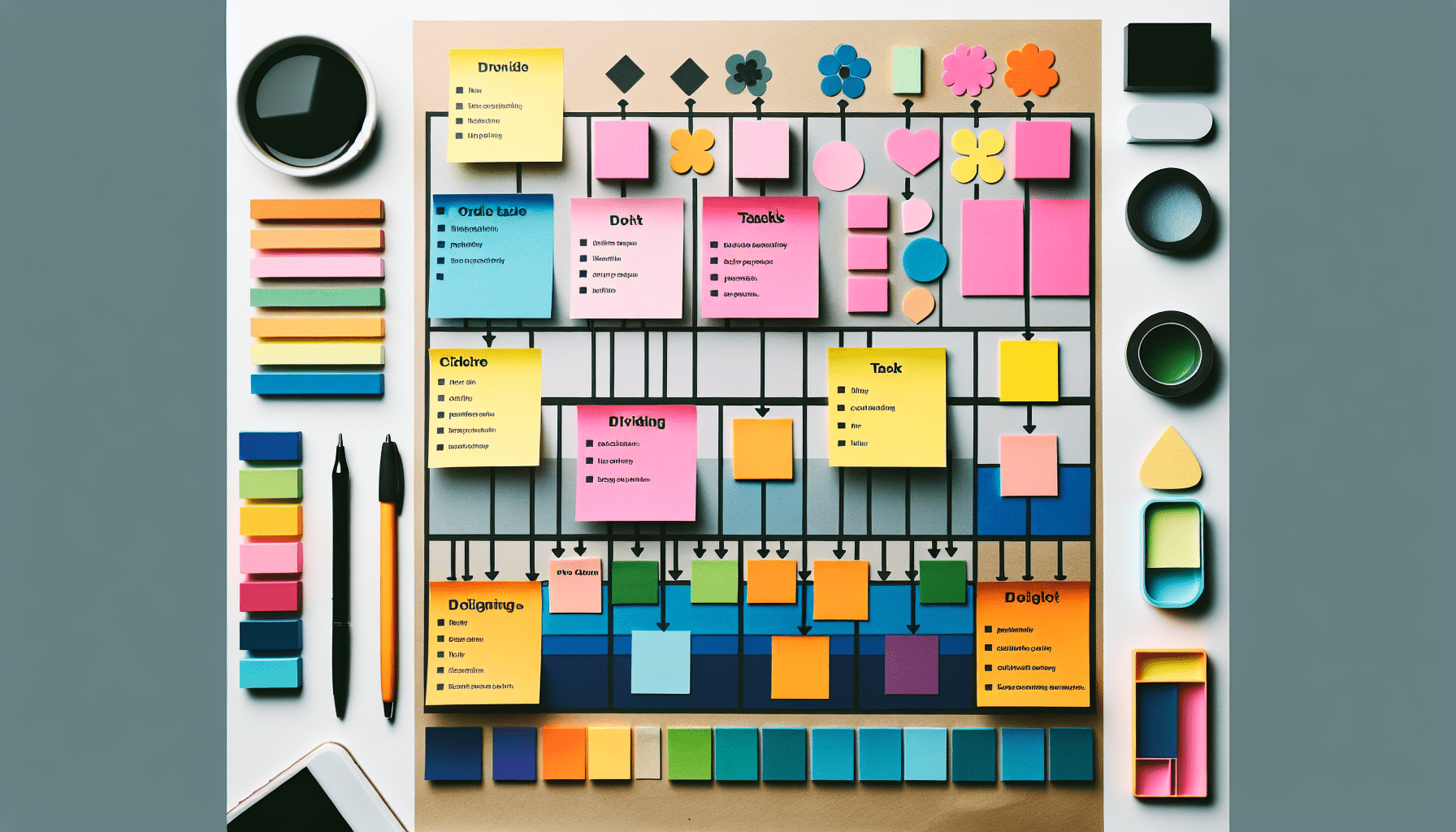
Visual aids are helpful tools for individuals with ADHD, as they provide structure and assist with organization. Utilize color-coding or labeling systems to categorize and prioritize tasks or items. This visual representation can make it easier to navigate through your daily responsibilities. Additionally, incorporating visual tools like charts or calendars can help you visualize your schedule and deadlines. Create visual reminders for important tasks to ensure they remain on your radar.
5. Practice Mindfulness and Meditation
Mindfulness and meditation techniques can greatly benefit individuals with ADHD by promoting relaxation, reducing stress, and improving focus. Engaging in deep breathing exercises can help calm the mind and increase your ability to concentrate. Guided meditation or mindfulness apps provide step-by-step instructions and can serve as valuable resources for incorporating mindfulness into your daily routine. Remember to schedule regular breaks for relaxation and allow yourself moments of peace amid a busy day.
6. Stay Active and Exercise Regularly
Physical activity plays a significant role in managing ADHD symptoms and enhancing focus. Engage in exercises or activities that you enjoy, as this will increase your motivation to stay active. Consider incorporating aerobic exercises into your routine, as they have been shown to improve attention and concentration. Additionally, make it a point to include movement breaks throughout your day. These short bursts of physical activity can help release pent-up energy and re-energize your mind.
7. Seek Support and Build a Supportive Network
Managing ADHD can be challenging, but you don’t have to do it alone. Seeking support is crucial in navigating through daily struggles and maintaining motivation. Consider talking to a therapist or counselor who specializes in ADHD to gain valuable insights and learn effective coping strategies. Joining a support group for individuals with ADHD provides an opportunity to connect with others facing similar challenges and share experiences. Communicating your needs to friends, family, and coworkers can also elicit understanding and support.
8. Use Medication as Prescribed
If medication is part of your ADHD management plan, it is essential to consult a healthcare professional for appropriate options. They can guide you in finding the right medication and ensure you are taking the correct dosage at the recommended times. It is crucial to monitor any potential side effects and communicate them to your healthcare provider. By using medication as prescribed, you can optimize its effectiveness in managing ADHD symptoms and improving focus.
9. Practice Healthy Lifestyle Habits
Maintaining a healthy lifestyle is paramount for managing ADHD and promoting overall well-being. Ensure you are getting enough sleep and establish a regular sleep schedule. Sleep is vital for cognitive function, and a consistent sleep routine can help regulate your body’s internal clock. Follow a balanced diet rich in nutrients, as a healthy diet can positively impact brain function. Additionally, limit your intake of caffeine and sugar, as they can exacerbate ADHD symptoms and affect your ability to focus.
10. Stay Positive and Celebrate Achievements
Maintaining a positive mindset is crucial when managing ADHD and improving focus. Focusing on your strengths and progress can boost your self-confidence and motivation. Instead of dwelling on perceived failures or setbacks, celebrate your achievements, no matter how small. Reward yourself for completing tasks or reaching goals, as this positive reinforcement can further enhance your sense of accomplishment and encourage continued efforts. By nurturing a positive inner dialogue, you can cultivate a mindset that supports your ADHD management journey.