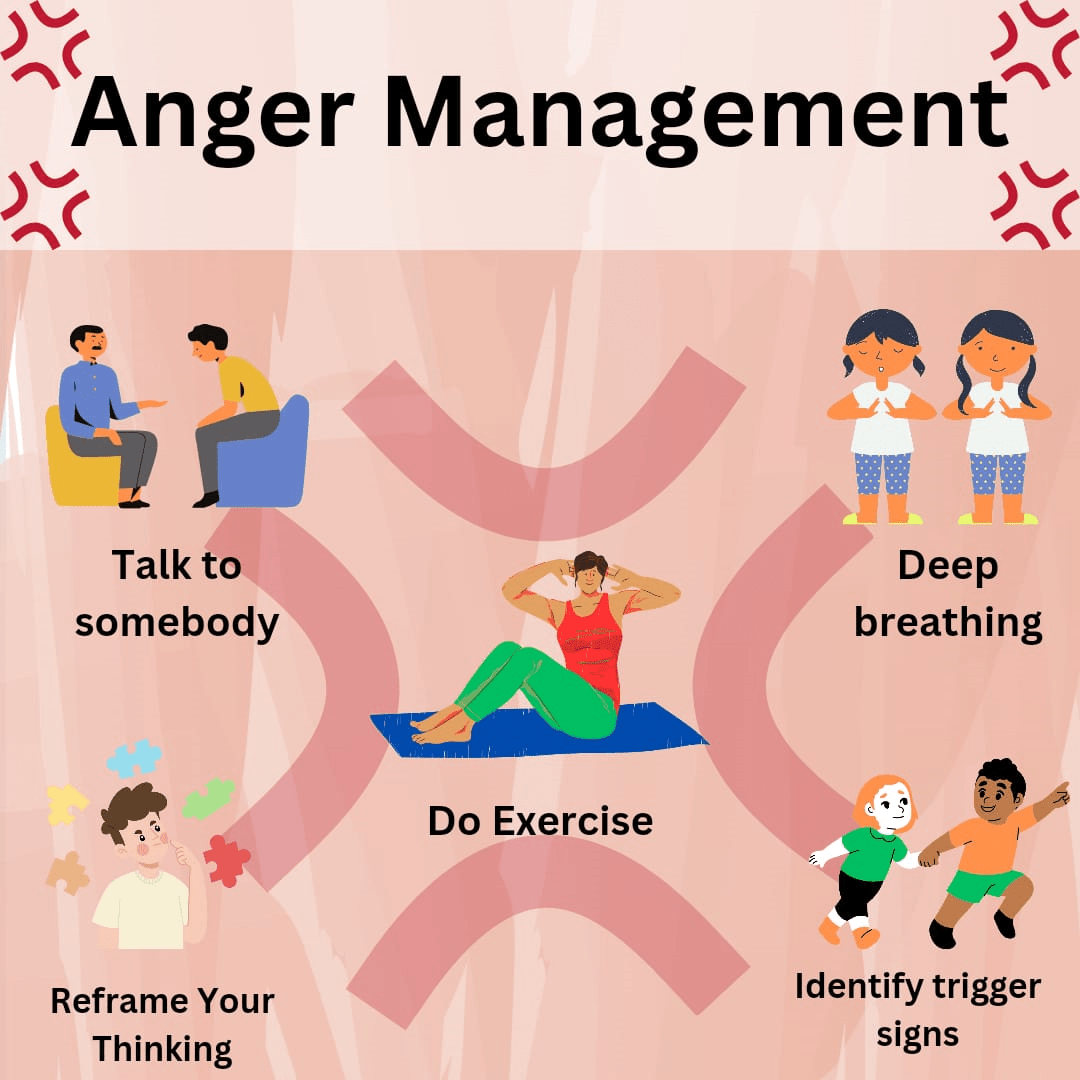
In this article, you will discover practical strategies to effectively manage anger and redirect your emotions in a productive manner. It’s no secret that anger can be a challenging emotion to handle, often leading to regrettable actions and strained relationships. However, by exploring these effective methods, you will gain valuable insights and techniques to navigate your anger in a healthier and more productive way. Whether it’s deep breathing exercises, practicing mindfulness, or seeking support from loved ones, these strategies will empower you to transform anger into a positive channel for emotional expression.
Understand the Root Causes
Understanding the root causes of anger is an essential step in managing and channeling emotions productively. By identifying triggers, recognizing patterns, and exploring past experiences, you can gain valuable insights into what causes your anger and how it manifests in your life.
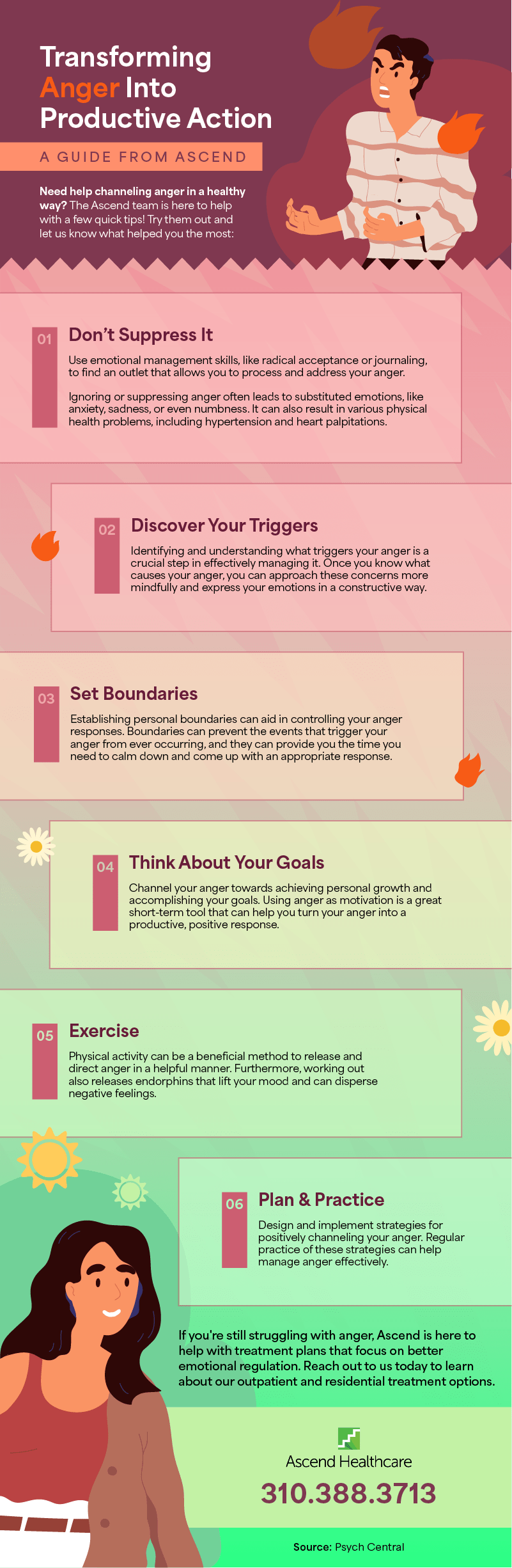
Identify triggers
Triggers are the external or internal cues that provoke your anger. They can vary from person to person, but common triggers include criticism, feeling misunderstood, being treated unfairly, or facing certain situations that remind you of past negative experiences. Take some time to reflect on what specifically triggers your anger and make a note of them.
Recognize patterns
Patterns are recurring behaviors or situations that consistently lead to anger. These patterns may involve interactions with particular individuals, specific circumstances at work or home, or internal thought patterns that tend to escalate anger. Pay attention to any consistent patterns in your anger and consider how they may be influencing your emotional reactions.
Explore past experiences
Past experiences, especially traumatic ones, can greatly impact how you respond to anger. Childhood trauma, abusive relationships, or unresolved conflicts may contribute to your anger issues. Take the time to explore and process any past experiences that may have shaped your emotional responses. This can be done through self-reflection, journaling, or seeking professional help.
Develop Self-Awareness
Self-awareness is a key element in managing anger and channeling emotions productively. By being attuned to your early signs of anger, monitoring your thoughts and emotions, and practicing mindfulness, you can gain better control over your emotional responses.
Recognize early signs of anger
Anger often presents itself in physical, emotional, and behavioral signs. Increased heart rate, tense muscles, clenched fists, or irritability may be early indications that anger is starting to build up. It is crucial to pay attention to these signs and recognize them as cues to intervene and take steps to manage your anger before it escalates.
Monitor thoughts and emotions
Our thoughts and emotions greatly influence how we experience and express anger. Negative thought patterns, such as jumping to conclusions or catastrophizing, can intensify anger. By regularly monitoring your thoughts and emotions, you can identify any patterns of negativity or irrational thinking that contribute to anger. Once identified, you can work on reframing these thoughts to promote healthier emotional responses.
Practice mindfulness
Mindfulness involves being fully present in the current moment, without judgment or reactivity. By practicing mindfulness, you can cultivate a greater sense of self-awareness and learn to respond to anger in a more conscious and controlled manner. Engaging in activities like meditation, deep breathing exercises, or mindful walking can help you develop a calm and focused mindset, making it easier to manage anger.
Practice Healthy Coping Strategies
When anger strikes, having healthy coping strategies can make a significant difference in managing and channeling your emotions productively. Here are some effective techniques to consider:
Take deep breaths
Deep breathing is a simple yet powerful technique to calm your mind and body during moments of anger. When you feel your anger rising, take slow, deep breaths, focusing on inhaling deeply through your nose and exhaling slowly through your mouth. This technique helps regulate your heart rate, reduces tension, and gives you a moment to regain control of your emotions.
Engage in physical activity
Physical activity is a fantastic outlet for releasing built-up anger and stress. Engaging in exercise or any form of physical activity, such as running, dancing, or even punching a pillow, allows you to channel your anger in a productive and healthy way. It releases endorphins, improves your mood, and helps reduce overall tension, leaving you feeling more relaxed and in control.
Listen to calming music
Music has a remarkable effect on our emotions. When you find yourself feeling angry or frustrated, try listening to calming music that resonates with you. Slow, soothing melodies or instrumental tracks can help shift your focus away from anger and bring about a sense of tranquility. Experiment with different genres and songs to find what works best in helping you manage and channel your emotions effectively.
Implement Assertive Communication
Assertive communication is essential for expressing anger in a productive and respectful manner. By using “I” statements, practicing active listening techniques, and avoiding blame or criticism, you can communicate your emotions effectively while maintaining healthy relationships.
Use ‘I’ statements
When expressing your anger, using “I” statements can be incredibly powerful. Instead of blaming others or making accusatory statements, focus on expressing how you feel and the impact the situation has on you. For example, saying “I feel upset when you interrupt me during conversations” allows for better understanding and opens up space for effective communication.
Active listening techniques
Listening attentively to others during a discussion or argument is crucial for effective communication. Practice active listening by maintaining eye contact, nodding, and summarizing what the other person is saying to ensure you understand their perspective. This demonstrates respect, empathy, and a willingness to resolve conflicts constructively.
Avoid blaming or criticizing
Blaming or criticizing others during conflicts rarely leads to a positive resolution. Instead, it often escalates the situation and strains relationships. When expressing your anger, focus on the specific behavior or action that upset you rather than attacking the person. This allows for a more productive conversation where both parties can address the issue without feeling defensive or attacked.

Learn Problem-Solving Techniques
Learning problem-solving techniques can help you navigate difficult situations and find constructive solutions to anger-inducing problems. By taking a step back to assess the situation, generating multiple possible solutions, and considering the pros and cons of each option, you can better manage and channel your emotions.
Take a step back and assess the situation
When faced with a potentially anger-provoking situation, it’s essential to take a step back and gain perspective before reacting. Assess the situation objectively, considering the facts and circumstances, and identify any potential triggers or underlying causes for your anger. This helps you approach the situation with a clearer mindset and make more rational decisions.
Generate multiple possible solutions
Once you’ve assessed the situation, brainstorm multiple possible solutions to address the issue at hand. Don’t limit yourself to one option; instead, explore various approaches to find the most effective and constructive solution. This flexibility allows for adaptability in different situations and increases the chances of finding a resolution that satisfies everyone involved.
Consider the pros and cons
After generating potential solutions, weigh the pros and cons of each option. Consider the potential outcomes, both positive and negative, and how they align with your values and goals. Evaluating the consequences helps you make informed decisions and choose the solution that will have the most positive impact and minimize negative repercussions.
Seek Support from Others
Seeking support from others can be immensely beneficial in managing anger and channeling emotions productively. Don’t hesitate to reach out for guidance, understanding, and empathy when dealing with anger-related challenges. Here are some avenues for seeking support:
Talk to a trusted friend or family member
Share your feelings and experiences with a trusted friend or family member who can provide a listening ear and offer support. Sometimes, simply talking about your anger can help you gain clarity and feel better understood. They can also provide valuable insight or advice based on their own experiences, offering different perspectives and potential solutions.
Join a support group
Consider joining a support group specifically focused on anger management or emotional regulation. These groups provide a safe space to share experiences, learn from others, and gain valuable strategies for managing anger. In a supportive group setting, you can connect with individuals who can relate to your struggles and offer encouragement and guidance.
Consider therapy or counseling
Therapy or counseling with a mental health professional trained in anger management can be highly beneficial for addressing the root causes of your anger. They can help you explore deeper underlying issues, develop personalized coping strategies, and guide you through the process of managing your anger in healthy and constructive ways. A professional’s expertise and guidance can make a significant difference in your journey towards emotional well-being.
Engage in Stress-Reduction Activities
Stress is often a contributing factor to anger, and engaging in stress-reduction activities can help manage and channel emotions more effectively. By practicing relaxation techniques, engaging in hobbies or enjoyable activities, and finding healthy outlets for stress, you can reduce the likelihood of anger escalating.
Practice relaxation techniques
Incorporating relaxation techniques into your daily routine can alleviate stress and promote emotional well-being. Techniques such as deep breathing exercises, meditation, progressive muscle relaxation, or guided imagery can help calm your mind and body. Regular practice enhances your ability to manage stress and reduces the likelihood of anger taking over.
Engage in hobbies or enjoyable activities
Participating in hobbies or activities you enjoy provides a healthy outlet for stress and helps redirect your focus away from anger. Engaging in activities like painting, gardening, playing a musical instrument, or practicing a sport allows you to channel your energy into something positive and fulfilling. This positive diversion not only reduces stress but also provides a sense of accomplishment and joy.
Find healthy outlets for stress
Identify healthy outlets for stress that work well for you. Whether it’s going for a walk in nature, journaling your thoughts and feelings, practicing yoga, or engaging in creative pursuits, finding activities that allow you to release tension and promote relaxation is crucial. Experiment with different techniques and discover what resonates with you personally.
Set Boundaries
Setting and maintaining boundaries is vital in managing anger and protecting your emotional well-being. By identifying your personal limits, communicating boundaries assertively, and avoiding people or situations that consistently violate your boundaries, you empower yourself to manage anger more effectively.
Identify personal limits
Take the time to identify your personal limits and what is acceptable to you in various aspects of your life. This includes recognizing your emotional tolerance, physical boundaries, and limits regarding your time and energy. Knowing your limits enables you to establish appropriate boundaries that protect your well-being and prevent anger from escalating.
Communicate boundaries assertively
Once you have identified your boundaries, it’s essential to communicate them assertively to the people in your life. Use clear and direct language to express your limits, expectations, and the consequences of crossing those boundaries. Effective communication allows others to understand and respect your needs, fostering healthy relationships and minimizing conflicts that may trigger your anger.
Avoid people or situations that consistently violate boundaries
Sometimes, despite clear communication, certain people or situations may consistently violate your boundaries. In such cases, it is crucial to evaluate whether those relationships or environments are conducive to your emotional well-being. If possible, minimize your exposure to individuals or circumstances that consistently cross your boundaries, as this can greatly reduce anger-triggering incidents.

Practice Emotional Regulation
Mastering emotional regulation techniques can significantly help manage anger and channel emotions productively. By identifying and labeling emotions, challenging negative thoughts, and using positive affirmations, you can develop a better understanding of your emotional landscape and respond to anger in a more constructive manner.
Identify and label emotions
Emotions can often be complex and overwhelming, making it challenging to pinpoint the exact emotions we are experiencing. Take the time to identify and label your emotions when anger arises. Are you feeling frustrated, hurt, betrayed, or overwhelmed? Recognizing and labeling these emotions provides a foundation for understanding and managing them effectively.
Challenge negative thoughts
Negative thoughts can intensify anger and make it more difficult to channel emotions productively. Practice challenging and reframing negative thoughts that contribute to your anger. Replace them with more rational and positive thoughts that promote a calmer mindset. For example, instead of thinking, “Everyone is out to get me,” reframe it as “I am capable of handling challenges, and not everyone is against me.”
Use positive affirmations
Positive affirmations are powerful statements that help shift your mindset from negative to positive. Repeat affirmations that resonate with you and promote emotional well-being, such as “I am in control of my anger” or “I respond to challenging situations with grace and composure.” Incorporating positive affirmations into your daily routine can help rewire your thought patterns and promote healthier emotional responses.
Seek Professional Help
In some cases, managing anger may require professional intervention. Consulting with a mental health professional, exploring therapy options, or considering medication can provide the necessary support and guidance to address underlying issues and develop effective anger management strategies.
Consult with a mental health professional
If anger issues persist or significantly impact your daily life and relationships, it may be beneficial to consult with a mental health professional. They can conduct a comprehensive assessment, provide an accurate diagnosis, and create a personalized treatment plan tailored to your specific needs. This professional guidance can support you in managing your anger effectively and enhancing your overall well-being.
Explore therapy options
Therapy provides a safe and supportive environment for exploring deeper emotions, addressing underlying issues, and developing coping strategies. Cognitive-behavioral therapy (CBT), anger management therapy, or dialectical behavior therapy (DBT) are all effective therapeutic approaches for managing anger. Working with a therapist can help you gain valuable insights, learn new skills, and navigate the complexities of anger in a healthy and productive way.
Consider medication if necessary
In some cases, medication may be recommended to manage anger, especially if it is related to an underlying mental health condition such as depression or anxiety. Consult with a psychiatrist or mental health professional to discuss the potential benefits and risks of medication and determine if it is an appropriate option for your specific situation.
In conclusion, managing anger and channeling emotions productively requires a combination of self-awareness, healthy coping strategies, effective communication, problem-solving techniques, support from others, stress reduction activities, boundary-setting, emotional regulation, and professional help if needed. By implementing these strategies, you can develop healthier ways of managing anger, enhancing your emotional well-being and fostering positive relationships with others. Remember, managing anger is a journey, and with patience, practice, and perseverance, you can cultivate a more balanced and harmonious emotional life.