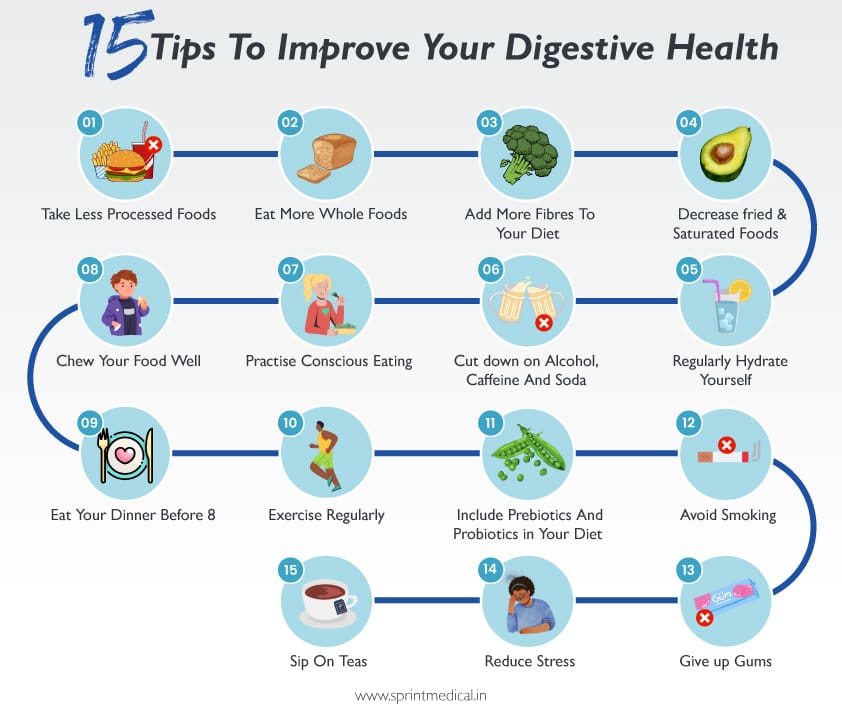
Welcome, dear reader, to an article on effective ways to prevent and manage digestive disorders. In today’s fast-paced world, it’s easy for our digestive systems to become overwhelmed and out of balance. By implementing simple lifestyle changes such as eating a healthy diet, staying hydrated, and managing stress levels, you can take proactive steps to keep your digestive system running smoothly. In this article, we will explore various strategies and tips to help you maintain optimal digestive health and prevent common disorders such as acid reflux, irritable bowel syndrome, and constipation. Stay tuned for expert advice and practical solutions to help you keep your digestive system happy and healthy. Have you ever experienced digestive issues such as bloating, stomach pain, or indigestion? You’re not alone – many people struggle with digestive disorders. The good news is that there are effective ways to prevent and manage these issues. In this article, we’ll explore various strategies and techniques to help you take control of your digestive health. Let’s delve in together!
Understanding Digestive Disorders
Digestive disorders can range from mild discomfort to serious conditions that require medical intervention. It’s essential to understand the common types of digestive disorders and their symptoms to identify and address them effectively. By recognizing the signs early on, you can take proactive steps to prevent the issues from escalating.
Common Types of Digestive Disorders
There are several common types of digestive disorders that individuals may experience. These include:
- Acid Reflux: A condition in which stomach acid flows back into the esophagus, causing heartburn and discomfort.
- Irritable Bowel Syndrome (IBS): A common intestinal disorder characterized by abdominal pain, bloating, diarrhea, and constipation.
- Gastritis: Inflammation of the stomach lining, which can cause nausea, indigestion, and stomach pain.
- Inflammatory Bowel Disease (IBD): A group of disorders that cause chronic inflammation in the digestive tract, including Crohn’s disease and ulcerative colitis.
Understanding the specific type of digestive disorder you may be experiencing can help you and your healthcare provider develop an effective treatment plan. Pay attention to the symptoms you’re experiencing and consult a medical professional for a proper diagnosis.
Preventing Digestive Disorders
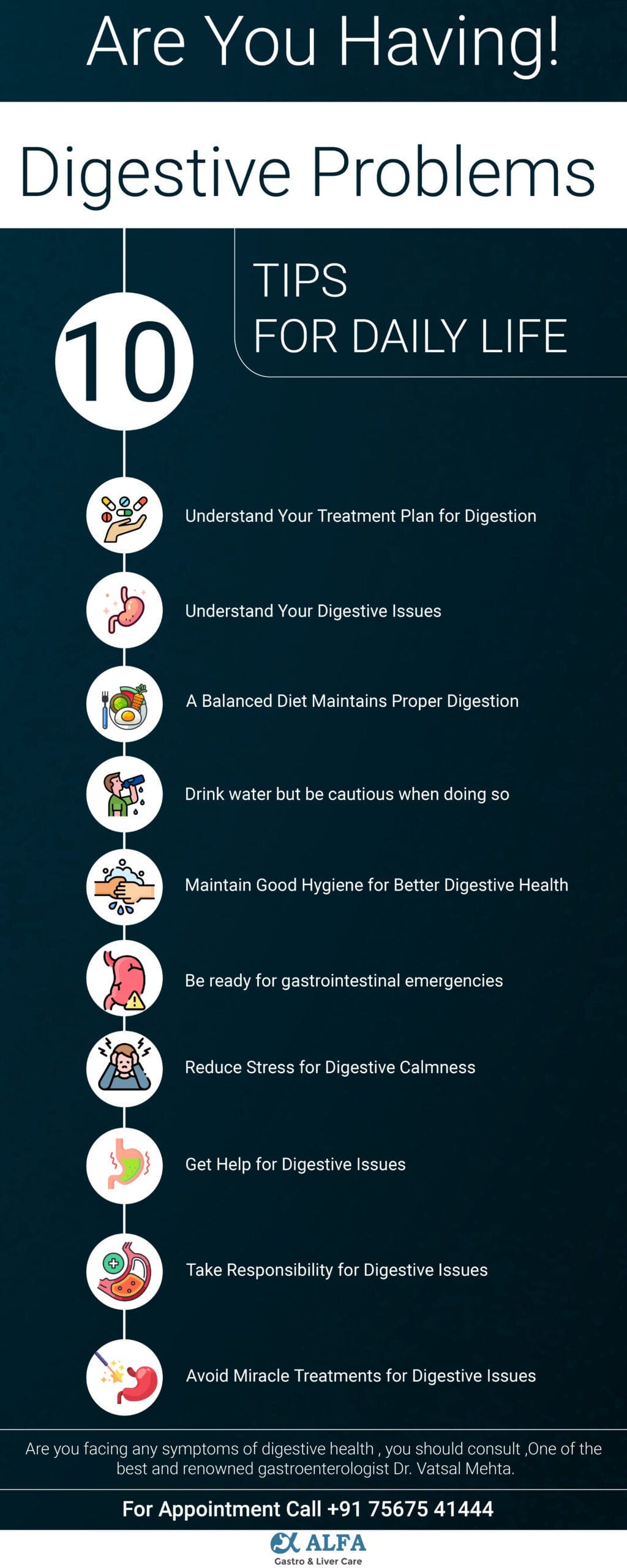
Prevention is always better than cure when it comes to digestive health. By adopting healthy habits and making mindful lifestyle choices, you can reduce your risk of developing digestive disorders. Here are some effective ways to prevent digestive issues:
Maintain a Balanced Diet
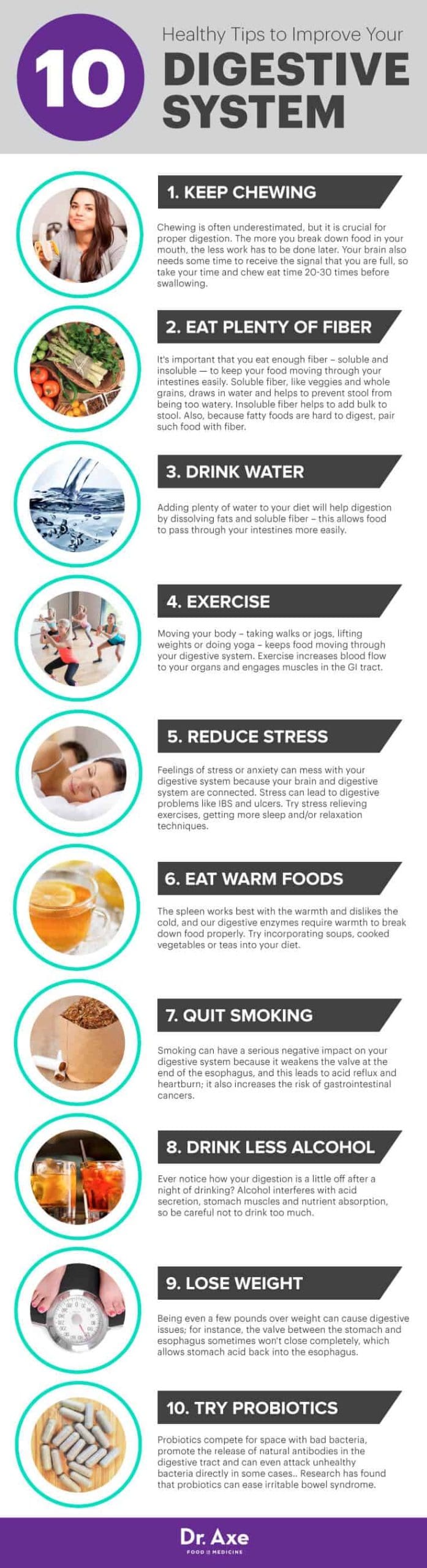
Eating a balanced diet rich in fiber, fruits, vegetables, lean proteins, and whole grains is essential for digestive health. Avoiding processed foods, high-fat meals, and excessive alcohol consumption can help prevent digestive issues. Additionally, staying hydrated by drinking an adequate amount of water is crucial for optimal digestion.
Practice Stress Management
Stress can have a significant impact on digestive health, as it can disrupt gut function and exacerbate symptoms of digestive disorders. Incorporating stress-reducing techniques such as mindfulness, yoga, meditation, and deep breathing exercises into your daily routine can help keep your digestive system functioning smoothly.
Stay Active
Regular exercise is not only beneficial for overall health but also plays a crucial role in maintaining a healthy digestive system. Physical activity helps stimulate the muscles in your intestines, promoting regular bowel movements and reducing the risk of constipation. Aim to incorporate at least 30 minutes of moderate exercise into your routine most days of the week.
Avoid Trigger Foods
Certain foods can trigger digestive issues and exacerbate symptoms of existing disorders. Common trigger foods include spicy foods, caffeine, dairy products, and high-fat or fried foods. Pay attention to how your body reacts to different foods and avoid those that cause discomfort or worsen your symptoms.
Practice Mindful Eating
Mindful eating involves paying attention to your body’s hunger and fullness cues, eating slowly, and savoring each bite. By practicing mindful eating, you can improve digestion, prevent overeating, and reduce the risk of indigestion and bloating. Avoid distractions while eating, such as watching TV or scrolling through your phone, to focus on your food and the eating process.
Managing Digestive Disorders
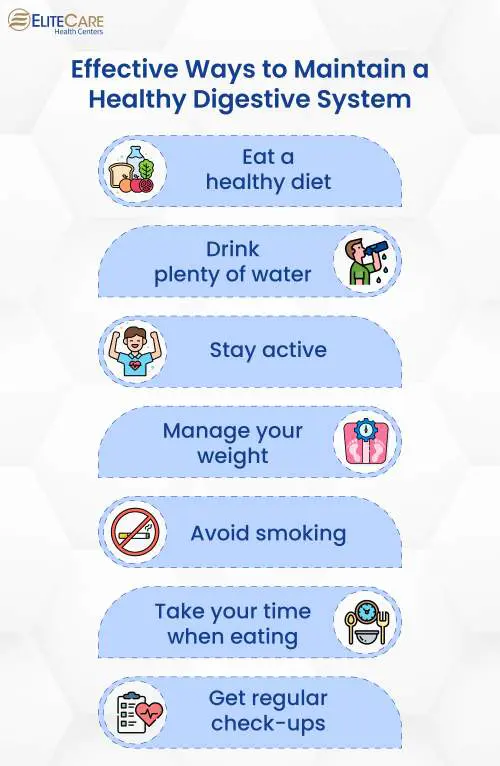
If you’re currently experiencing symptoms of a digestive disorder, it’s essential to manage them effectively to alleviate discomfort and improve your quality of life. Whether you have occasional digestive issues or a chronic condition, there are ways to address and manage your symptoms. Here are some effective strategies for managing digestive disorders:
Consult a Healthcare Provider
If you’re experiencing persistent or severe digestive symptoms, it’s crucial to seek medical advice from a healthcare provider. A gastroenterologist or primary care physician can help diagnose the underlying cause of your symptoms and recommend an appropriate treatment plan. Don’t hesitate to discuss your concerns with a healthcare professional to receive personalized care.
Keep a Food Diary
Tracking your diet and symptoms in a food diary can help you identify potential trigger foods and patterns that exacerbate your symptoms. Note the foods you eat, portion sizes, and any symptoms you experience after consuming them. By keeping a detailed record, you can work with your healthcare provider to make informed decisions about your diet and lifestyle.
Follow a Treatment Plan
Once you receive a diagnosis for your digestive disorder, your healthcare provider will recommend a treatment plan tailored to your specific condition. This may include medications to alleviate symptoms, dietary modifications, lifestyle changes, or other interventions. It’s essential to follow your treatment plan diligently and communicate any changes or concerns with your healthcare provider.
Explore Alternative Therapies
In addition to traditional medical treatments, alternative therapies such as acupuncture, herbal supplements, probiotics, or relaxation techniques may help manage symptoms of digestive disorders. Consult your healthcare provider before trying any alternative therapies to ensure they are safe and effective for your condition.
Practice Good Hygiene
Proper hygiene practices can help prevent infections and reduce the risk of digestive issues caused by harmful bacteria or viruses. Wash your hands regularly with soap and water, especially before eating or preparing food, to prevent the spread of germs. Practice food safety by cooking meat thoroughly, storing leftovers properly, and avoiding cross-contamination in the kitchen.
Manage Stress Effectively
Stress can exacerbate digestive symptoms and trigger flare-ups of certain conditions. Finding healthy ways to manage stress, such as exercise, relaxation techniques, hobbies, or counseling, can help improve your overall well-being and reduce the impact of stress on your digestive health. Prioritize self-care and make time for activities that help you relax and unwind.
Conclusion
Taking care of your digestive health is essential for overall well-being and quality of life. By understanding common types of digestive disorders, adopting preventive measures, and effectively managing symptoms, you can improve your digestive health and enjoy a better quality of life. Remember to consult a healthcare provider if you’re experiencing persistent or severe digestive symptoms and work collaboratively to create a personalized treatment plan. With proactive steps and healthy habits, you can prevent and manage digestive disorders effectively. Your digestive health matters – take charge of it today!