
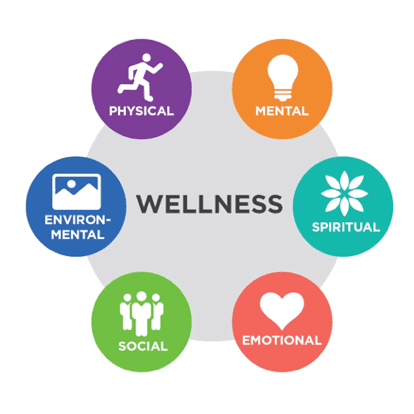
In today’s fast-paced world, maintaining good health and wellness has become more important than ever. With hectic schedules and constant stress, it’s crucial to prioritize preventive measures that can help you stay healthy and avoid illnesses. In this article, you will discover some of the best practices for preventive health and wellness, ranging from adopting a healthy lifestyle to scheduling regular check-ups. By incorporating these practices into your daily routine, you can take proactive steps towards a healthier and happier life.
Regular Exercise
Choose an exercise routine that suits your preferences and abilities
Regular exercise is essential for maintaining good health and overall well-being. It is important to choose an exercise routine that suits your preferences and abilities. Whether you enjoy high-intensity workouts at the gym, outdoor activities like running or cycling, or prefer low-impact exercises like yoga or swimming, finding an exercise routine that you genuinely enjoy will make it easier to stick to a consistent schedule. Experiment with different activities until you find something that you look forward to doing.
Set realistic goals for your fitness journey
When it comes to regular exercise, it is important to set realistic goals for your fitness journey. This will help keep you motivated and give you a sense of accomplishment as you progress. Start by setting small, achievable goals and gradually increase the intensity or duration of your workouts as you become more comfortable. It’s important to remember that everyone’s fitness journey is unique, so don’t compare yourself to others. Focus on your own progress and celebrate each milestone along the way.
Make exercise a part of your daily routine
To reap the full benefits of regular exercise, it’s important to make it a part of your daily routine. Find a time of day that works best for you, whether it’s early morning, during your lunch break, or in the evening. By scheduling your workouts like any other appointment, you are more likely to prioritize them and make them a habit. Consistency is key when it comes to exercise, so aim for at least 150 minutes of moderate-intensity aerobic activity or 75 minutes of vigorous-intensity activity per week, along with strength training exercises two or more days a week.
Listen to your body and take rest days when needed
While consistency is important, it’s equally important to listen to your body and take rest days when needed. Rest days allow your muscles and joints to recover and can help prevent injuries. If you’re feeling overly fatigued, experiencing muscle soreness that doesn’t improve with rest, or have any signs of injury, it’s important to give your body the time it needs to heal. Remember, rest days are just as important as the days you spend exercising, so be sure to incorporate them into your routine.
Stay consistent and make exercise a habit
Consistency is key when it comes to reaping the long-term benefits of regular exercise. Making exercise a habit requires commitment and dedication, but the rewards are well worth it. Find ways to stay motivated, such as working out with a friend, joining a fitness class, or tracking your progress. Remember to be patient with yourself and celebrate your victories, no matter how small. With time and consistency, exercise will become a natural part of your daily routine, leading to improved physical and mental well-being.
Healthy Diet
Include a variety of fruits, vegetables, whole grains, and lean proteins in your meals
A healthy diet plays a crucial role in maintaining optimal health and preventing chronic diseases. To ensure your body gets the necessary nutrients, it’s important to include a variety of fruits, vegetables, whole grains, and lean proteins in your meals. These foods are rich in vitamins, minerals, antioxidants, and fiber, which are essential for supporting your immune system, promoting good digestion, and providing the energy your body needs.
For fruits and vegetables, aim to include a rainbow of colors to ensure you’re getting a wide range of nutrients. Incorporate whole grains like brown rice, quinoa, and whole wheat bread into your meals to boost your fiber intake. Choose lean proteins like skinless chicken, fish, tofu, or legumes to provide your body with essential amino acids. Don’t forget to savor the flavors and textures of these nutritious foods, making your meals both enjoyable and nourishing.
Limit the consumption of processed foods and sugary drinks
While it’s important to include nutrient-dense foods in your diet, it’s equally important to limit the consumption of processed foods and sugary drinks. These foods are often high in added sugars, unhealthy fats, and sodium, which can contribute to weight gain, inflammation, and an increased risk of chronic diseases. Moreover, they often lack essential vitamins, minerals, and fiber that your body needs.
Try to minimize your intake of sugary drinks like soda, sports drinks, and fruit juices, as they contain empty calories and can lead to weight gain and dental issues. Instead, opt for water, herbal tea, or infused water with fresh fruit for hydration. When it comes to processed foods, read food labels carefully and choose options that are lower in sodium, added sugars, and unhealthy fats. Instead, focus on whole, unprocessed foods to nourish your body from the inside out.
Stay hydrated by drinking enough water throughout the day
Staying hydrated is crucial for overall health and well-being. Water is involved in numerous bodily functions, including regulating body temperature, aiding digestion, and transporting nutrients. It’s important to drink enough water throughout the day to maintain proper hydration.
The amount of water you need can vary depending on various factors, such as your activity level, climate, and overall health. As a general guideline, aim to drink at least 8 cups (64 ounces) of water per day. However, individual needs may vary, so listening to your body is key. Pay attention to signs of dehydration, such as dark urine, dry mouth, and fatigue, and drink water accordingly. Consider carrying a refillable water bottle with you throughout the day as a reminder to stay hydrated. You can also infuse your water with fresh fruit or herbs for added flavor.
Practice portion control and mindful eating
In addition to choosing nutrient-dense foods, practicing portion control and mindful eating can help you maintain a healthy diet. Portion control involves being aware of the amount of food you consume and choosing appropriate serving sizes. This can be achieved by measuring your food or using tools like portion control plates or containers.
Mindful eating involves paying attention to your hunger and fullness cues, eating slowly, and savoring the flavors and textures of your food. It’s important to avoid distractions, such as eating in front of the TV or while scrolling through your phone, as this can lead to mindless eating and overconsumption. By eating slowly and mindfully, you can better recognize when you are full and avoid overeating.
Consult a nutritionist or dietitian for personalized dietary recommendations
Everyone’s dietary needs and preferences are unique, and consulting a nutritionist or dietitian can provide you with personalized recommendations and guidance. These professionals can assess your current diet, help you set realistic goals, and provide tailored advice based on your specific needs.
A nutritionist or dietitian can help you identify any nutrient deficiencies, provide meal plans, and offer strategies for overcoming challenges you may face on your journey to a healthier diet. They can also help you navigate any dietary restrictions or food allergies you may have. By working with a professional, you can feel confident that you are making informed choices and taking the necessary steps towards optimal nutrition and well-being.
Regular Health Check-ups
Schedule regular appointments with your primary care physician
Regular health check-ups are essential for preventive care and early detection of any potential health concerns. It’s important to schedule regular appointments with your primary care physician, even if you feel healthy. Your doctor can assess your overall health, address any questions or concerns you may have, and order any necessary tests or screenings.
During these check-ups, your doctor will review your medical history, perform a physical examination, and evaluate important health indicators such as blood pressure, heart rate, and respiratory rate. They can also provide important vaccinations to protect against diseases like influenza, HPV, or pneumococcal infection. By establishing a strong relationship with your primary care physician, you can ensure that your health is regularly monitored and any potential issues are addressed promptly.
Get preventive screenings and vaccinations as recommended
Preventive screenings and vaccinations are essential for maintaining good health and preventing diseases. Depending on your age, gender, and medical history, your doctor may recommend various screenings to check for conditions like cancer, high blood pressure, diabetes, or osteoporosis. These screenings can detect potential health problems early on, when they are often more treatable.
Additionally, staying up to date with vaccinations is crucial for protecting yourself and those around you from vaccine-preventable diseases. Vaccines like the flu shot, tetanus, hepatitis B, and HPV can provide important protection against infectious diseases and are recommended for different age groups and populations. It’s important to discuss your vaccination history and any necessary updates with your doctor to ensure you are properly protected.
Monitor your blood pressure, cholesterol levels, and body mass index
Monitoring key health indicators, such as blood pressure, cholesterol levels, and body mass index (BMI), can provide important insights into your overall health. Regular blood pressure checks can help identify any signs of hypertension, a leading risk factor for heart disease and stroke. Your doctor will measure your blood pressure using a cuff around your arm and provide you with the results.
Monitoring cholesterol levels through a blood test can help assess your risk for heart disease and guide any necessary interventions. High levels of LDL cholesterol, often referred to as “bad” cholesterol, can increase the risk of heart disease, while higher levels of HDL cholesterol, referred to as “good” cholesterol, can help protect against heart disease.
Body mass index (BMI) is a simple calculation that uses your height and weight to estimate body fat and assess if you are within a healthy weight range. Your doctor can calculate your BMI and discuss any necessary steps you may need to take to maintain a healthy weight. Monitoring these health indicators regularly can help you make informed choices and take steps towards improving your overall health.
Discuss any health concerns or symptoms with your doctor
Open communication with your doctor is crucial for maintaining good health. If you have any health concerns or experience symptoms that are worrying you, it’s important to discuss them with your doctor. Whether it’s a persistent cough, unexplained weight loss, changes in your menstrual cycle, or ongoing fatigue, your doctor is there to listen, provide guidance, and order any necessary tests or consultations with specialists.
Remember that your doctor is your partner in maintaining your health, and honest communication is key. Be prepared to share any changes in your health, family history, or lifestyle habits that may be relevant. Your doctor will work with you to determine the best course of action, whether it’s further investigation, lifestyle modifications, or referrals to specialists. Regular check-ups provide an opportunity to address any concerns proactively and ensure that you are receiving the care you need.
Follow up on any prescribed treatments or medications
If your doctor prescribes any treatments or medications during your check-up, it’s important to follow through and adhere to the recommended regimen. This may include taking medications as prescribed, following any lifestyle modifications, or attending scheduled follow-up appointments.
Adhering to prescribed treatments and medications is crucial for managing chronic conditions, preventing disease progression, and optimizing your health outcomes. If you have any questions or concerns about your treatment plan, don’t hesitate to reach out to your doctor for clarification. They are there to support you throughout your health journey, and your active participation in following their recommendations is key to achieving the best possible results.
Stress Management
Identify and manage sources of stress in your life
Stress is a normal part of life, but excessive or chronic stress can have negative effects on both your physical and mental health. It’s important to identify and manage sources of stress in your life in order to maintain overall well-being. Take some time to assess the factors that contribute to your stress levels and consider which ones you have control over.
Once you have identified the sources of stress, seek ways to manage or reduce your exposure to them. This may involve setting boundaries, delegating tasks, or seeking support from others. Remember that not all stressors can be eliminated, but by managing your response to them, you can minimize their impact on your well-being.
Practice relaxation techniques such as deep breathing, meditation, or yoga
Relaxation techniques can help reduce stress and promote a sense of calm and serenity. Deep breathing exercises, meditation, and yoga are effective ways to relax the mind and body. Deep breathing involves taking slow, deep breaths, focusing on inhaling and exhaling fully, which can help activate the body’s relaxation response.
Meditation involves focusing your attention and eliminating the stream of thoughts that may be causing stress. This can be done by sitting quietly, focusing on your breath, or using guided meditation apps or recordings. Yoga combines physical movements, breath control, and mindfulness to promote wellness and relaxation.
Find a relaxation technique that resonates with you and practice it regularly, aiming for a few minutes each day. By incorporating these techniques into your routine, you can build resilience to stress and improve your ability to cope with challenging situations.
Engage in activities that bring you joy and help you relax
Engaging in activities that bring you joy and help you relax is an important part of stress management. Take time for hobbies and activities that you enjoy, such as reading, painting, gardening, or playing a musical instrument. These activities can provide a welcome break from the demands of daily life and promote a sense of relaxation and fulfillment.
Finding time for leisure activities may require some planning and prioritization, but it’s essential for maintaining a healthy work-life balance. Whether it’s scheduling dedicated time each week or integrating these activities into your daily routine, make it a priority to engage in activities that bring you joy and help you unwind.
Maintain a healthy work-life balance
Maintaining a healthy work-life balance is crucial for managing stress and promoting overall well-being. Prioritize your time and energy by setting boundaries between work and personal life. This may involve clearly defining your working hours, delegating tasks when possible, and establishing regular breaks throughout the day.
Additionally, it’s important to disconnect from work outside of your designated working hours. Avoid checking work emails or taking business calls during your personal time, as this can blur the line between work and life. Establishing a healthy work-life balance allows for proper rest and rejuvenation, reducing the risk of burnout and promoting better overall mental and emotional health.
Seek support from friends, family, or a therapist if needed
If stress becomes overwhelming or starts to impact your daily life, don’t hesitate to seek support from friends, family, or a therapist. Talking to someone you trust about your feelings and concerns can provide an outlet for emotional support and perspective. Sometimes, simply sharing your thoughts and feelings can help alleviate stress and provide clarity.
If you find that your stress levels are interfering with your ability to function or impacting your mental health, consider seeking the help of a therapist or counselor. They can provide you with coping strategies, stress management techniques, and a safe space to explore and process your emotions. Remember, reaching out for help is a sign of strength, not weakness, and there is no shame in seeking support when needed.
Adequate Sleep
Establish a regular sleep schedule and stick to it
Adequate sleep is essential for overall health and well-being. To ensure you get quality sleep, establish a regular sleep schedule and stick to it as closely as possible, even on weekends. Aim for a consistent sleep routine by going to bed and waking up at the same time each day.
The recommended amount of sleep for adults is typically between 7-9 hours per night, but individual needs may vary. Listen to your body and adjust your sleep duration accordingly. By maintaining a regular sleep schedule, your body can regulate its internal clock, making it easier to fall asleep and wake up feeling refreshed.
Create a sleep-friendly environment in your bedroom
Creating a sleep-friendly environment in your bedroom can greatly contribute to better sleep quality. Keep your bedroom cool, quiet, and dark to promote relaxation and minimize distractions. Consider using blackout curtains, earplugs, or a white noise machine to block out external stimuli that may disturb your sleep.
Invest in a comfortable mattress and pillows that support your body and align your spine properly. Choose breathable bedding materials and keep your bedroom well-ventilated to ensure a cool and comfortable sleep environment. By optimizing your sleep environment, you can create a tranquil space conducive to restful sleep.
Avoid electronic devices and stimulating activities before bedtime
Electronic devices emit blue light, which can interfere with your body’s natural ability to regulate sleep. To promote better sleep, it’s important to avoid electronic devices like smartphones, tablets, and laptops at least one hour before bedtime. Instead, engage in relaxing activities such as reading a book, taking a warm bath, or practicing a relaxing bedtime routine.
In addition to avoiding electronic devices, it’s also important to limit stimulating activities before bedtime. Engaging in vigorous exercise, consuming caffeine or alcohol, or having intense discussions close to bedtime can make it challenging to wind down and fall asleep. Instead, prioritize activities that promote relaxation and prepare your mind and body for sleep.
Practice relaxation techniques to promote better sleep
Relaxation techniques can help calm the mind and promote better sleep. Before bedtime, consider incorporating practices such as deep breathing exercises, gentle stretches, or progressive muscle relaxation. These techniques can help reduce muscle tension, alleviate anxiety or racing thoughts, and prepare your body for sleep.
Creating a calming routine before bed can signal to your body that it’s time to wind down. Consider adding activities like reading, listening to soothing music, or practicing meditation or guided imagery. By incorporating relaxation techniques into your bedtime routine, you can create a peaceful and tranquil atmosphere that promotes restful sleep.
Seek medical attention if you have persistent sleep problems
If you consistently have trouble falling asleep, staying asleep, or if you experience excessive daytime sleepiness, it’s important to seek medical attention. Chronic sleep problems may be a sign of an underlying sleep disorder, such as insomnia, sleep apnea, or restless legs syndrome.
Your doctor can evaluate your sleep patterns, discuss your symptoms, and recommend appropriate interventions or therapies. They may refer you to a sleep specialist who can conduct further tests or recommend specific treatments to address your sleep concerns. Addressing sleep problems can have a significant impact on your overall health and well-being, so don’t hesitate to reach out for help if needed.
Maintain a Healthy Weight
Understand your body mass index (BMI) and aim for a healthy range
Maintaining a healthy weight is crucial for overall health and preventing chronic diseases. One way to assess whether your weight is within a healthy range is by understanding your body mass index (BMI). BMI is a calculation that takes into account your height and weight and provides an estimation of your body fat.
To determine your BMI, divide your weight in kilograms by your height in meters squared or use an online BMI calculator. A healthy BMI range for most adults is generally between 18.5 and 24.9. However, it’s important to note that BMI is not a perfect indicator of health and should be interpreted alongside other factors, such as muscle mass and overall fitness.
Engage in regular physical activity to support weight management
Regular physical activity is essential for maintaining a healthy weight and supporting overall health. Engaging in moderate-intensity aerobic activities like brisk walking, cycling, swimming, or dancing can help burn calories and maintain a healthy weight. Aim for at least 150 minutes of moderate-intensity aerobic activity per week, or 75 minutes of vigorous-intensity aerobic activity for more substantial health benefits.
In addition to aerobic exercise, including strength training exercises two or more days a week can help build lean muscle mass, which can increase your metabolism and aid in weight management. Finding activities that you enjoy and can sustain long-term is key to staying active and maintaining a healthy weight. Mix up your workouts to keep them enjoyable and challenging, and consider seeking guidance from a fitness professional if needed.
Eat a balanced diet that promotes weight maintenance
A balanced diet plays a crucial role in maintaining a healthy weight. Focus on consuming a variety of nutrient-dense foods that provide essential vitamins, minerals, and other important nutrients. Include a balance of fruits, vegetables, whole grains, lean proteins, and healthy fats in your meals.
Fruits and vegetables provide fiber, antioxidants, and important vitamins and minerals, while whole grains offer fiber and sustained energy throughout the day. Lean proteins, such as poultry, fish, tofu, and legumes, help build and repair tissues and support overall muscle health. Healthy fats, found in foods like avocados, nuts, and olive oil, provide essential fatty acids and help keep you full.
Be mindful of portion sizes and practice moderation when enjoying foods higher in calories or added sugars. Incorporate mindful eating practices, such as chewing slowly and paying attention to hunger and fullness cues, to avoid overeating. By adopting a balanced and varied diet, you can support weight maintenance and overall good health.
Avoid crash diets or extreme weight loss methods
Crash diets or extreme weight loss methods may promise rapid results, but they can be detrimental to your health and not sustainable long-term. These approaches often involve severely restricting calorie intake or eliminating entire food groups, which can lead to nutrient deficiencies, muscle loss, and a slowed metabolism.
Instead of focusing on short-term fixes, aim for gradual and sustainable changes that promote long-term weight management and overall well-being. Adopt a balanced eating plan that you enjoy and that provides adequate nutrition without severe restrictions. Incorporating regular physical activity, practicing portion control, and prioritizing whole foods can help you achieve and maintain a healthy weight in a safe and sustainable way.
Seek professional guidance if you need help with weight management
If you are struggling with weight management or have specific health concerns related to your weight, it may be beneficial to seek professional guidance. Registered dietitians or nutritionists can provide personalized recommendations and support to help you achieve your weight-related goals.
These professionals can assess your current eating habits, help you set realistic goals, provide meal plans, and offer guidance on behavior change strategies. They can also address any underlying factors that may be contributing to weight issues, such as emotional eating or stress-related behaviors. By working with a professional, you can receive individualized guidance and support that will facilitate long-term success and improved overall health.
Hygiene and Sanitation
Wash your hands regularly with soap and water
Practicing good hand hygiene is one of the most effective ways to prevent the spread of germs and infections. Wash your hands regularly with soap and water for at least 20 seconds, especially before preparing or eating food, after using the restroom, or after coughing or sneezing. Proper handwashing helps eliminate harmful bacteria and viruses from your hands, reducing the risk of getting sick or spreading infections to others.
Cover your mouth and nose when sneezing or coughing
Covering your mouth and nose when sneezing or coughing is essential for preventing the spread of respiratory droplets and airborne infections. Use a tissue or your elbow to cover your mouth and nose and dispose of the tissue properly. If using your hands, wash them immediately afterward to avoid spreading any potentially harmful droplets.
By following respiratory hygiene practices, you can help protect yourself and those around you from illnesses such as the common cold, flu, or COVID-19. Remember to wash your hands thoroughly after coughing or sneezing to maintain good hygiene.
Maintain cleanliness in your living space and work environment
Maintaining cleanliness in your living space and work environment is important for preventing the spread of germs and ensuring a healthy living and working environment. Regularly clean and disinfect frequently touched surfaces, such as doorknobs, light switches, countertops, and shared equipment.
In addition to regular surface cleaning, pay attention to personal hygiene and cleanliness. Bathe or shower regularly, wash your clothes and bedding regularly, and ensure proper sanitation and hygiene practices in shared spaces, such as gyms or communal areas. By keeping your living and working areas clean, you can help reduce the risk of infections and maintain a healthy environment.
Follow proper food handling and cooking practices
Proper food handling and cooking practices are essential for preventing foodborne illnesses. Wash your hands thoroughly before and after handling food, and keep raw and cooked foods separate to prevent cross-contamination. Use separate cutting boards and utensils for raw meats, poultry, and seafood, and cook foods to their recommended safe internal temperatures.
Refrigerate perishable foods promptly, and discard any expired or spoiled food. Properly storing and handling food helps prevent the growth of harmful bacteria that can cause foodborne illnesses. By following these practices, you can ensure the safety and quality of the food you consume and minimize the risk of foodborne infections.
Stay updated on hygiene recommendations from health authorities
Hygiene recommendations from health authorities can change over time as new information becomes available. It’s important to stay updated on the latest guidelines and recommendations from trusted sources such as the World Health Organization (WHO) or the Centers for Disease Control and Prevention (CDC).
Consider following reliable news sources and subscribing to newsletters or alerts from health authorities to receive timely information and updates on hygiene practices. Adjust your hygiene routines accordingly based on the latest guidance to ensure you are taking the necessary precautions to protect yourself and others.
Tobacco and Alcohol Control
Avoid smoking or using tobacco products in any form
Smoking and tobacco use are harmful to your health and can increase the risk of various diseases, including heart disease, lung cancer, and respiratory infections. If you are a smoker, it’s important to prioritize quitting and seek support if needed. There are various resources available, such as nicotine replacement therapy, counseling, or support groups, to help you quit smoking.
Additionally, avoiding the use of other tobacco products, such as smokeless tobacco or e-cigarettes, is important for protecting your health. These products contain harmful chemicals and substances that can still contribute to health issues, even without inhaling smoke.
Limit alcohol consumption and be mindful of your intake
While moderate alcohol consumption can be enjoyed as part of a healthy lifestyle for some individuals, it’s important to be mindful of your intake. Excessive alcohol consumption can have detrimental effects on your health and increase the risk of liver disease, cardiovascular problems, and other health issues.
If you choose to drink alcohol, do so in moderation. The recommended limits for moderate drinking are up to one drink per day for women and up to two drinks per day for men. It’s important to note that these guidelines may vary depending on individual health conditions or medications. If you struggle to limit your alcohol intake or have concerns about your drinking habits, seek support or treatment from healthcare professionals or support groups.
Seek support or treatment if you struggle with addiction
If you struggle with addiction to tobacco or alcohol, seeking support or treatment is crucial for your health and well-being. Addiction is a complex issue that often requires professional assistance and a support network to overcome.
Reach out to healthcare professionals, addiction specialists, or community support groups for guidance and help with quitting smoking or alcohol dependence. They can provide individualized treatment plans, counseling, and resources to support your journey towards recovery. Remember, you are not alone, and there are many resources available to help you overcome addiction and improve your overall health and well-being.
Promote smoke-free environments in your home and workplace
Promoting smoke-free environments in your home and workplace is important for protecting your health and the health of those around you. If you live with smokers, encourage them to quit or limit smoking to designated outdoor areas away from non-smokers.
Advocate for smoke-free policies in workplaces and public spaces to protect the health of employees and the community. Smoke-free environments can significantly reduce exposure to harmful secondhand smoke, which can have detrimental effects on non-smokers, including respiratory issues and an increased risk of lung cancer.
Educate yourself about the risks and consequences of tobacco and alcohol use
Understanding the risks and consequences of tobacco and alcohol use is essential for making informed decisions about your health. Educate yourself about the short-term and long-term effects of smoking, smokeless tobacco, and excessive alcohol consumption.
Research shows that tobacco use is a major cause of preventable diseases and is responsible for millions of deaths worldwide each year. Similarly, excessive alcohol consumption can lead to various health problems, including liver disease, cardiovascular issues, addiction, and accidents.
By staying informed, you can make empowered choices about your health and take steps to minimize or eliminate tobacco and alcohol use from your life. Education is key to raising awareness and reducing the prevalence of these harmful habits.
Mental Health Care
Pay attention to your mental health and seek help if needed
Taking care of your mental health is just as important as taking care of your physical health. Pay attention to your mental well-being and seek help if needed. Mental health issues can affect anyone, regardless of age, gender, or background.
If you are experiencing persistent feelings of sadness, anxiety, hopelessness, or changes in your behavior or mood, reach out to a mental health professional. They can provide assessment, diagnosis, and appropriate treatment options, such as therapy, counseling, or medication if necessary. Remember that seeking help is a sign of strength, and there is no shame in taking care of your mental health.
Practice self-care activities that promote emotional well-being
Self-care activities are essential for promoting emotional well-being and managing stress. Engage in activities that bring you joy, help you relax, and rejuvenate your mind and body. This may include activities such as reading, taking a bath, spending time in nature, practicing mindfulness or meditation, or engaging in hobbies or creative outlets.
Self-care means taking intentional time for yourself and prioritizing activities that recharge and nourish you. Listen to your body and make self-care a regular part of your routine. By prioritizing self-care, you can improve your mental well-being and overall quality of life.
Connect with others and maintain a support network
Maintaining social connections and nurturing relationships is important for mental health and well-being. Connect with family and friends regularly, whether it’s through phone calls, video chats, or in-person meetings. Engaging in social activities and maintaining a support network can help reduce feelings of loneliness, improve mood, and provide a sense of belonging.
Additionally, consider joining social or community groups that align with your interests or passions. This can provide opportunities to meet new people, build connections, and foster a sense of community. By nurturing and prioritizing your relationships, you can cultivate a strong support network that promotes good mental health.
Learn and implement stress-management techniques
Stress is a normal part of life, but chronic stress can have negative effects on your mental and physical well-being. Learning and implementing stress-management techniques can help you cope with and reduce stress levels.
Consider incorporating relaxation techniques such as deep breathing, meditation, progressive muscle relaxation, or engaging in activities that you find enjoyable and calming. Regular exercise, practicing good sleep habits, and maintaining a healthy lifestyle can also contribute to stress reduction. Discover what works best for you and make stress management a priority in your daily life.
Stay informed about mental health resources and services
Staying informed about mental health resources and services can be beneficial for yourself and others. Familiarize yourself with mental health helplines, crisis hotlines, and local mental health organizations. Make a list of available resources that you can reach out to if you or someone you know is in need of immediate assistance.
Stay up to date with mental health news and research through reputable sources, online platforms, or mental health organizations. The more you know, the better equipped you will be to recognize signs of mental health concerns, support others, and access appropriate resources if needed. Knowledge and awareness are powerful tools in the journey towards mental well-being.
Sun Protection
Apply sunscreen with at least SPF 30 when going outdoors
Protecting your skin from the harmful effects of the sun is crucial for preventing skin damage and reducing the risk of skin cancer. Apply sunscreen with at least SPF 30 every time you go outdoors, even on cloudy days. Choose broad-spectrum sunscreen that protects against both UVA and UVB rays.
Apply sunscreen generously to all exposed areas of your body, and don’t forget commonly overlooked areas such as your ears, neck, back of the hands, and tops of the feet. Remember to reapply sunscreen every two hours, or more frequently if you swim, sweat heavily, or towel dry.
Wear protective clothing, including hats and sunglasses
In addition to sunscreen, wearing protective clothing can provide an extra layer of defense against the sun’s harmful rays. Opt for lightweight, long-sleeved shirts and pants made with UPF (ultraviolet protection factor) fabric that blocks UVA and UVB rays. These clothing items are specially designed to protect your skin while keeping you cool and comfortable.
Don’t forget to wear a wide-brimmed hat that shades your face, neck, and ears. Choose sunglasses that offer 100% UV protection to shield your eyes from harmful rays. By wearing protective clothing and accessories, you can reduce your overall sun exposure and protect your skin.
Seek shade during peak sun hours
The sun’s rays are strongest between 10 a.m. and 4 p.m., so it’s important to seek shade during these peak hours. If possible, plan outdoor activities in the early morning or late afternoon when the sun’s rays are less intense.
When seeking shade, aim for a well-covered area under trees, umbrellas, or awnings. Keep in mind that UV rays can still reach shaded areas indirectly, so it’s important to use other sun protection measures, such as sunscreen and protective clothing, even when in the shade.
Avoid tanning beds and excessive exposure to sunlight
Tanning beds and excessive sun exposure can have detrimental effects on your skin health. Tanning beds emit harmful UV radiation, which can increase the risk of skin cancer. It’s important to avoid using tanning beds altogether.
When spending time outdoors, take steps to minimize your exposure to sunlight. Seek shade, wear protective clothing, and apply sunscreen regularly. Prolonged or unprotected exposure to the sun can lead to sunburn, premature aging, and an increased risk of skin cancer. Protecting your skin is key to maintaining its health and vitality.
Monitor your skin for any changes and seek medical attention if necessary
Regularly monitoring your skin for any changes is important for early detection of potential skin issues or conditions. Perform regular self-examinations, noting any new moles, changes in existing moles, or other skin abnormalities.
If you notice any concerning changes, such as asymmetry, irregular borders, changes in color, or a mole that is growing or changing in size, it’s important to seek medical attention. Your doctor can assess the spot and determine whether further investigation or treatment is necessary. Early detection and prompt treatment are crucial for ensuring the best possible outcomes in cases of skin cancer or other skin conditions.
In conclusion, practicing preventive health and wellness is essential for maintaining a healthy and fulfilling life. By incorporating regular exercise, adopting a healthy diet, scheduling regular health check-ups, managing stress, prioritizing sleep, and following hygienic practices, you can proactively take care of your physical and mental well-being. Remember, small steps taken consistently can lead to significant improvements in your overall health and quality of life.