
Welcome to our article on the best ways to manage stress for wellness! In today’s fast-paced world, it’s important to take care of yourself and prioritize your mental health. By incorporating various techniques such as exercise, mindfulness, and self-care activities, you can effectively reduce stress levels and improve your overall well-being. Read on to discover practical tips and strategies to help you combat stress and achieve a healthier, happier life. Hey there! Have you been feeling overwhelmed with stress lately? It’s completely normal to experience stress in today’s fast-paced world, but it’s important to find healthy ways to manage it for your overall well-being. In this article, we’ll discuss the best ways to manage stress for wellness. From relaxation techniques to lifestyle changes, we’ve got you covered. Let’s dive in!
Understanding Stress
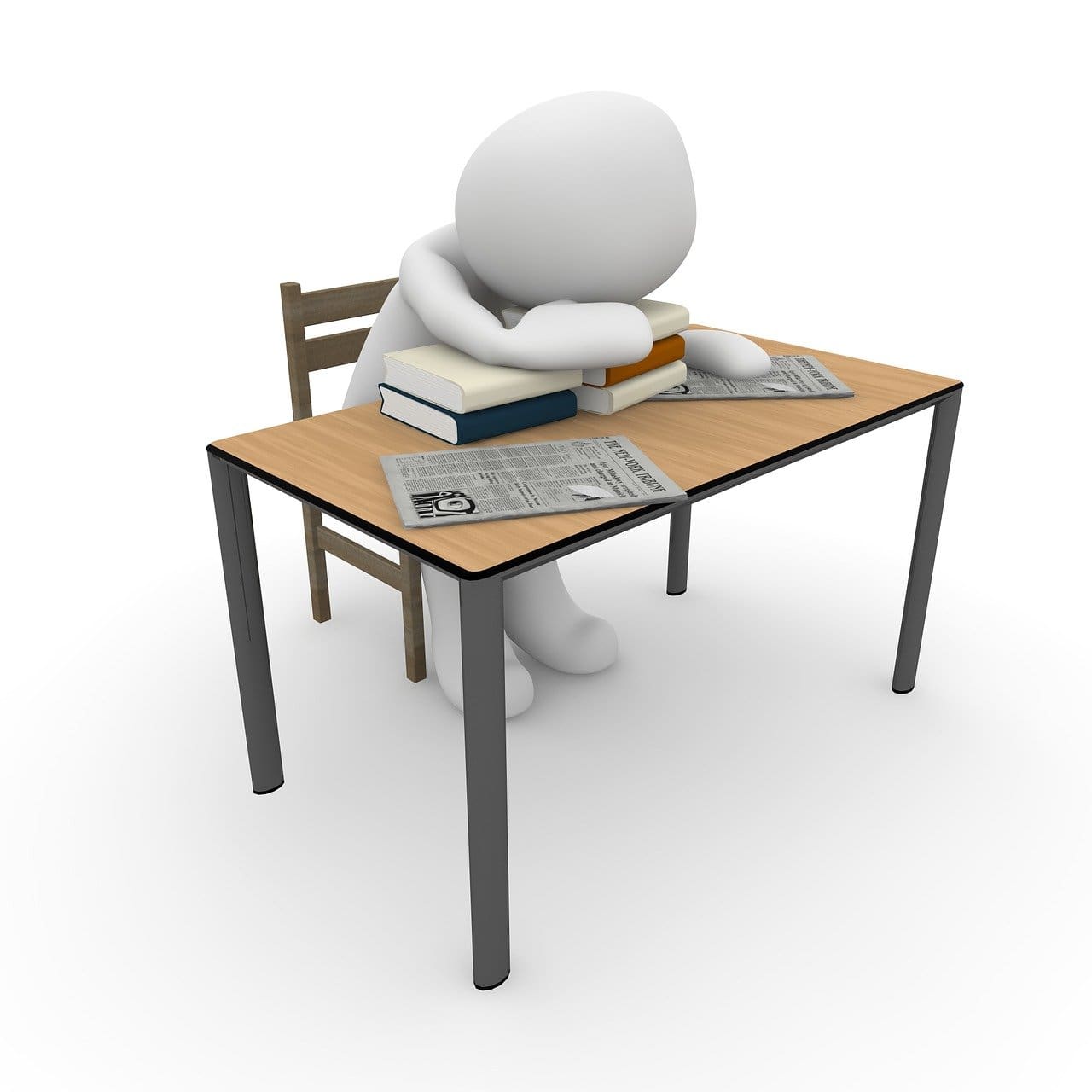
Stress is a natural response to challenges or demands in our lives. It can be triggered by various factors such as work, relationships, or finances. While some stress is normal and can even be beneficial in small doses, chronic stress can have a negative impact on both your physical and mental health. By understanding the causes and effects of stress, you can better manage it.
What Causes Stress?
Stress can be caused by a wide range of factors, including:
- Work-related pressures
- Relationship issues
- Financial problems
- Health concerns
- Major life changes
Identifying the root cause of your stress is the first step in managing it effectively. Once you know what’s triggering your stress, you can take steps to address the underlying issues.
The Effects of Stress on Your Body
Chronic stress can take a toll on your body, leading to various physical and mental health problems. Some common effects of stress include:
- Headaches and migraines
- Digestive issues
- Insomnia
- Anxiety and depression
- Weakened immune system
By managing your stress levels, you can reduce the risk of developing these health issues and improve your overall well-being.
Mind-Body Techniques
Mind-body techniques are powerful tools for managing stress and promoting relaxation. By incorporating practices such as meditation, deep breathing, and mindfulness into your daily routine, you can calm your mind and body, reducing stress levels.
Meditation
Meditation involves focusing your mind and eliminating distractions to achieve a state of deep relaxation and awareness. By practicing meditation regularly, you can reduce stress, improve concentration, and enhance your overall sense of well-being. Find a quiet space, sit or lie down comfortably, close your eyes, and focus on your breath. Start with short sessions and gradually increase the duration as you become more comfortable with the practice.
Deep Breathing
Deep breathing exercises are an effective way to activate your body’s relaxation response and reduce stress. By taking slow, deep breaths, you can calm your nervous system, lower your heart rate, and decrease muscle tension. To practice deep breathing, inhale deeply through your nose, hold your breath for a few seconds, and exhale slowly through your mouth. Repeat this process several times to experience the benefits of deep breathing.
Mindfulness
Mindfulness involves being fully present in the moment and accepting your thoughts and feelings without judgment. By practicing mindfulness, you can cultivate a sense of calm and clarity, reducing stress and anxiety. Take time each day to focus on the present moment, whether you’re eating, walking, or simply sitting quietly. Pay attention to your thoughts and sensations without trying to change them, and let go of any judgments or expectations.
Physical Activity
Exercise is not only good for your physical health but also for your mental well-being. Regular physical activity can help reduce stress, boost your mood, and improve your overall quality of life. Whether you prefer yoga, running, or dancing, finding an exercise that you enjoy can make it easier to incorporate into your daily routine.
The Benefits of Exercise for Stress Management
- Releases endorphins, “feel-good” chemicals in the brain
- Improves sleep quality
- Reduces levels of stress hormones like cortisol
- Increases self-confidence and sense of well-being
- Provides a healthy outlet for pent-up emotions
Try to engage in at least 30 minutes of moderate-intensity exercise most days of the week to experience the full benefits of physical activity for stress management.
Healthy Lifestyle Choices
In addition to relaxation techniques and exercise, adopting healthy lifestyle choices can help you better manage stress and improve your overall wellness. From eating a balanced diet to getting enough sleep, small changes in your daily habits can make a big difference in how you feel.
Balanced Diet
Eating a nutritious, well-rounded diet is essential for managing stress and supporting your overall health. Certain foods can help regulate your mood and energy levels, while others can contribute to stress and inflammation in the body. Focus on incorporating whole foods such as fruits, vegetables, whole grains, and lean proteins into your meals. Avoid or limit your intake of processed foods, caffeine, and sugar, which can exacerbate stress.
Quality Sleep
Getting enough quality sleep is crucial for your mental and physical well-being. Sleep helps restore your body and mind, allowing you to cope with stress more effectively. Aim for 7-9 hours of sleep per night and establish a bedtime routine to promote good sleep hygiene. Create a peaceful sleep environment, avoid screens before bed, and try relaxation techniques such as meditation or deep breathing to prepare your body for restful sleep.
Limiting Stimulants
Stimulants such as caffeine, nicotine, and alcohol can increase stress levels and disrupt your body’s natural equilibrium. While it’s okay to enjoy these substances in moderation, excessive consumption can have a negative impact on your stress levels and overall health. Consider cutting back on stimulants or finding healthier alternatives to reduce your reliance on these substances.
Support Systems
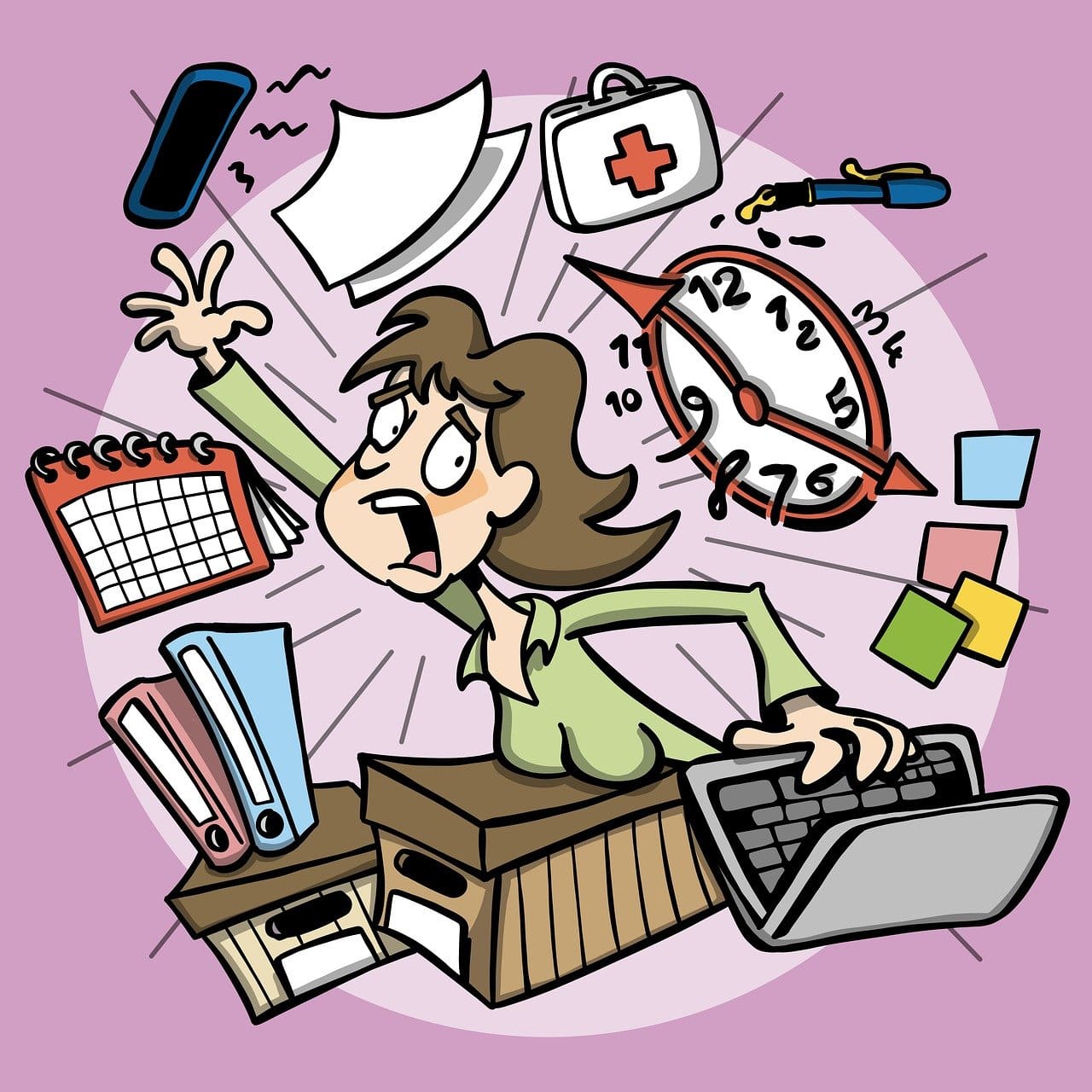
Building strong support systems is crucial for managing stress and maintaining your well-being. Whether it’s family, friends, or a professional counselor, having a network of people you can turn to for help and understanding can make a significant difference in how you cope with stress.
Connecting with Others
Social connections play a vital role in reducing stress and promoting emotional resilience. By sharing your thoughts and feelings with others, you can gain new perspectives, receive support, and feel less isolated in times of stress. Make an effort to reach out to friends and family, join social groups or clubs, or consider therapy or support groups to build connections and strengthen your support system.
Setting Boundaries
Setting boundaries is essential for maintaining healthy relationships and managing stress effectively. Learn to say no to things that overwhelm you or compromise your well-being, and prioritize your own needs and well-being. Establishing clear boundaries can help you protect your mental and emotional health, reduce stress, and foster healthier relationships with others.
Time Management
Effective time management is key to reducing stress and increasing productivity. By setting priorities, planning your schedule, and avoiding procrastination, you can make the most of your time and minimize stress-inducing situations.
Tips for Better Time Management
- Prioritize your tasks and focus on what’s most important
- Break big projects into smaller, manageable tasks
- Set realistic deadlines and stick to them
- Avoid multitasking and focus on one task at a time
- Learn to delegate tasks and ask for help when needed
By improving your time management skills, you can reduce your workload, increase your efficiency, and create more time for relaxation and self-care.

Seeking Professional Help
If you’re struggling to manage stress on your own or if stress is significantly impacting your daily life, don’t hesitate to seek help from a mental health professional. Therapists, counselors, and psychologists can provide you with the support, tools, and resources you need to cope with stress and improve your well-being.
Signs You Should Seek Professional Help
- Persistent feelings of anxiety or depression
- Difficulty functioning in daily life
- Chronic physical symptoms related to stress
- Impaired relationships or work performance
- Thoughts of self-harm or suicide
Don’t be afraid to reach out for help if you’re experiencing severe or chronic stress. Seeking professional guidance can empower you to overcome obstacles, learn healthy coping mechanisms, and build resilience for the future.
Conclusion
Managing stress is an essential part of maintaining your overall health and well-being. By incorporating relaxation techniques, physical activity, healthy lifestyle choices, and support systems into your daily routine, you can reduce stress levels, improve your mood, and enhance your quality of life. Remember that stress is a normal part of life, but it’s how you respond to it that makes all the difference. Take care of yourself, prioritize your well-being, and don’t hesitate to seek help if you need it. You deserve to live a happy, healthy, and stress-free life. Stay well!