
Are you concerned about your bone health and want to take proactive steps to prevent osteoporosis? In this article, we will explore some effective strategies that specifically target women, who are at a higher risk of developing this condition. By focusing on proper nutrition, weight-bearing exercises, and smart lifestyle choices, you can significantly reduce your chances of developing osteoporosis and maintain strong and healthy bones throughout your life. So let’s dive in and discover the key ways to prevent osteoporosis in women.

Regular Exercise
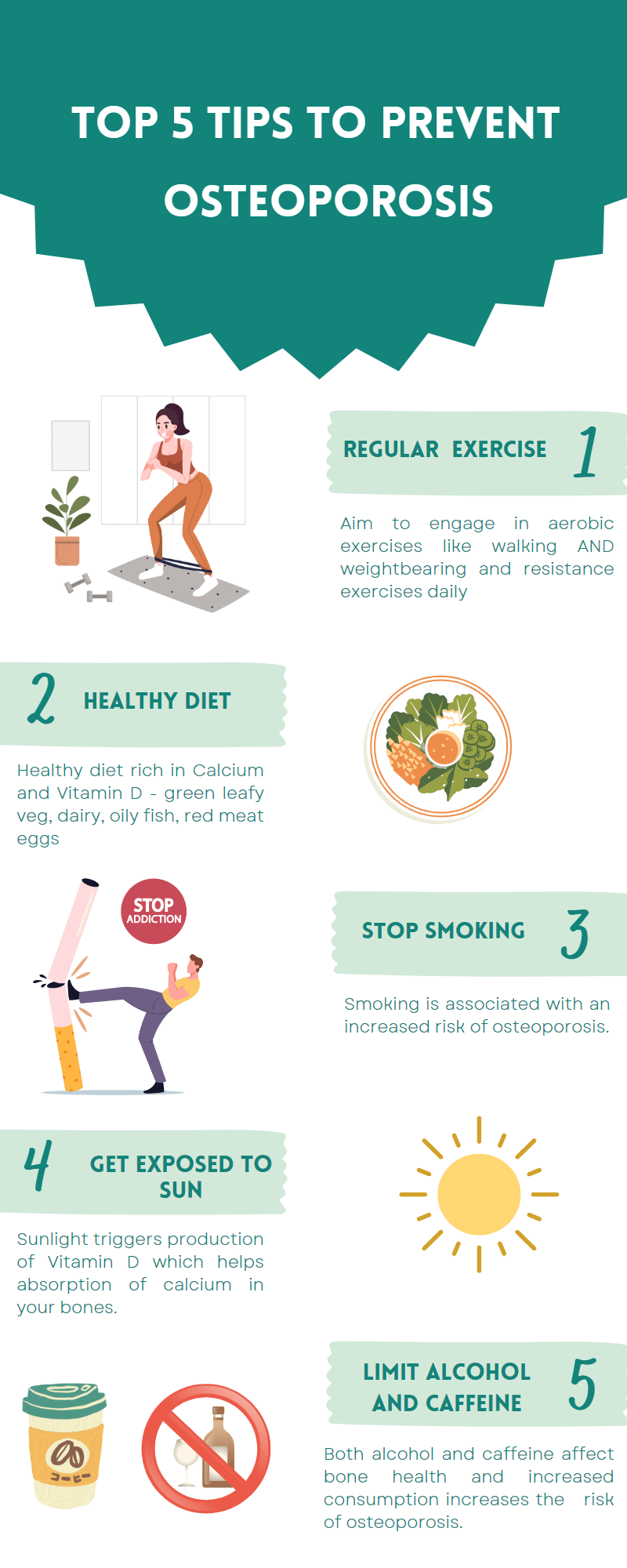
Regular exercise is essential for maintaining strong and healthy bones, especially for women. Weight-bearing exercises, such as walking, jogging, dancing, and climbing stairs, are particularly beneficial for preventing osteoporosis. These activities put stress on your bones, stimulating them to become stronger and denser. Aim for at least 30 minutes of weight-bearing exercise most days of the week.
Resistance exercises, such as lifting weights or using resistance bands, can also help prevent osteoporosis. These exercises work by putting stress on your muscles, which in turn puts stress on your bones, promoting their growth and strength. Consider incorporating resistance exercises into your routine two to three times per week.
Balance and coordination exercises are important for preventing falls, which can lead to fractures, especially in individuals with osteoporosis. Activities like tai chi, yoga, and Pilates can improve your balance and coordination, reducing the risk of falls. Aim to practice balance and coordination exercises at least two to three times per week.
By incorporating a combination of weight-bearing, resistance, and balance exercises into your routine, you can significantly reduce the risk of osteoporosis and maintain strong and healthy bones.
A Balanced Diet
A balanced diet plays a crucial role in preventing osteoporosis. It is important to consume foods that are rich in calcium, as calcium is essential for maintaining strong bones. Dairy products like milk, cheese, and yogurt are excellent sources of calcium. However, if you are lactose intolerant or prefer non-dairy options, there are various calcium-rich foods available such as tofu, almonds, broccoli, and kale. Aim for a daily intake of 1,000 to 1,200 milligrams of calcium.
Vitamin D is also essential for bone health as it helps your body absorb calcium. You can obtain vitamin D through exposure to sunlight, but many people do not get enough sunlight to meet their vitamin D needs. Therefore, it is recommended to incorporate vitamin D-rich foods into your diet, such as fatty fish (salmon, mackerel), fortified dairy products, and egg yolks. Additionally, vitamin D supplements may be necessary, especially for those who have limited sun exposure.
Protein is another important component of a balanced diet for preventing osteoporosis. It is necessary for the growth and maintenance of bone tissue. Good sources of protein include lean meats, poultry, fish, beans, lentils, and low-fat dairy products. Aim to consume approximately 46 to 56 grams of protein per day, depending on your age and activity level.
Fruits and vegetables are rich in antioxidants and other nutrients that support overall health, including bone health. They provide essential vitamins, minerals, and fiber. Aim to include a variety of fruits and vegetables in your daily diet to ensure you are getting a wide range of nutrients that are beneficial for your bones.
By following a balanced diet that includes calcium-rich foods, vitamin D, adequate protein, and plenty of fruits and vegetables, you can provide your body with the necessary nutrients to build and maintain strong bones.
Avoid Smoking and Limit Alcohol Consumption
Smoking has been shown to have detrimental effects on bone health. It decreases bone density and impairs the body’s ability to absorb calcium. Additionally, smoking increases the risk of fractures in individuals with osteoporosis. Therefore, it is highly recommended to avoid smoking or, if you are a smoker, to quit smoking as soon as possible.
Excessive alcohol consumption can also negatively impact bone health. It interferes with the body’s ability to absorb calcium, leading to decreased bone density. Additionally, alcohol can increase the risk of falls, further increasing the risk of fractures. It is important to limit alcohol intake to moderate levels to protect your bones. Moderate alcohol consumption is defined as up to one drink per day for women.
By avoiding smoking and limiting alcohol consumption, you can significantly reduce the risk of osteoporosis and protect your bone health.
Maintain a Healthy Weight
Maintaining a healthy weight is important for preventing osteoporosis. Being underweight can increase the risk of developing osteoporosis and fractures. This is because low body weight is often associated with lower bone density. On the other hand, being overweight or obese can also affect bone health. Excess body weight can put excess stress on your bones, potentially leading to fractures.
To maintain a healthy weight, focus on adopting a balanced diet and engaging in regular physical activity. By maintaining a healthy weight, you can reduce the risk of osteoporosis and promote overall bone health.

Get Plenty of Sunlight
Getting sufficient sunlight is essential for preventing osteoporosis. Sunlight is a natural source of vitamin D, which is necessary for calcium absorption and bone health. When your skin is exposed to sunlight, it produces vitamin D.
However, it is important to balance sun exposure to protect your skin from harmful UV rays. Aim for approximately 10 to 15 minutes of sun exposure on your face, arms, and legs a few times a week. Remember to use sunscreen on areas that are not exposed to the sun and to avoid prolonged sun exposure during peak hours.
If you live in an area with limited sunlight or have difficulties getting enough sun exposure, talk to your healthcare provider about vitamin D supplements to ensure you are meeting your body’s vitamin D requirements.
Limit Caffeine Intake
While some studies suggest that consuming moderate amounts of caffeine may have some benefits for bone health, excessive caffeine intake may have negative effects. High caffeine intake has been associated with increased calcium excretion, which can lead to decreased bone density over time.
To promote bone health, it is recommended to limit caffeine intake to no more than 400 milligrams per day. This is approximately equivalent to four cups of brewed coffee or 10 cans of soda. If you are a heavy caffeine consumer or have concerns about your caffeine intake, consider gradually reducing your consumption or switching to decaffeinated versions of your favorite beverages.

Reduce Stress Levels
Chronic stress can have negative effects on various aspects of health, including bone health. High levels of stress can lead to increased cortisol production, which has been linked to decreased bone density and increased risk of fractures.
Engaging in stress-reducing activities, such as yoga, meditation, deep breathing exercises, or engaging in hobbies you enjoy, can help lower stress levels and promote overall well-being, including bone health.
Hormone Replacement Therapy (HRT)
Hormone replacement therapy (HRT) may be an option for some women to prevent osteoporosis. HRT involves taking medications that contain estrogen or estrogen combined with progesterone. Estrogen helps maintain bone density, and HRT can help reduce the risk of fractures.
However, HRT is not suitable for everyone, and potential risks and benefits should be carefully assessed. It is important to discuss HRT with your healthcare provider to determine if it is appropriate for you and if the benefits outweigh the potential risks.
Check Medication Side Effects
Certain medications can have side effects that may negatively affect bone health. Some examples include certain corticosteroids, thyroid medications, and anticonvulsant medications. These medications can decrease bone density and increase the risk of fractures.
If you are taking any medication long-term, it is important to discuss potential side effects with your healthcare provider. They may be able to recommend alternative medications or additional measures to protect your bone health.
Regular Bone Density Testing
Regular bone density testing is crucial for identifying early signs of osteoporosis and monitoring bone health. Bone density testing, also known as a dual-energy x-ray absorptiometry (DXA) scan, measures the density of your bones and compares it to the average bone density for your age and sex.
The frequency of bone density testing depends on various factors, such as your age, personal medical history, and risk factors for osteoporosis. Generally, it is recommended to have a baseline bone density test around age 65 for women. However, if you have additional risk factors or a family history of osteoporosis, your healthcare provider may recommend earlier or more frequent testing.
By regularly monitoring your bone density, you can take appropriate measures to prevent osteoporosis or manage the condition if it is already present.
In conclusion, there are several effective ways to prevent osteoporosis in women. By incorporating regular exercise, maintaining a balanced diet, avoiding smoking and limiting alcohol consumption, maintaining a healthy weight, getting sufficient sunlight, limiting caffeine intake, reducing stress levels, considering hormone replacement therapy if appropriate, checking medication side effects, and undergoing regular bone density testing, you can significantly reduce the risk of osteoporosis and maintain strong and healthy bones throughout your life. Remember to consult with your healthcare provider for personalized advice and recommendations based on your individual needs and circumstances.
