
Welcome to an informative article on effective ways to prevent respiratory infections. With the onset of flu season and concerns about the spread of contagious illnesses, it’s important to take proactive steps to safeguard your health. By following a few simple practices, you can reduce your risk of contracting respiratory infections and stay healthy all year round. From practicing good hygiene to boosting your immune system, this article will provide you with practical tips to help you stay well. Let’s get started on protecting your respiratory health! Have you ever wondered how you can protect yourself from respiratory infections? Whether it’s the common cold, the flu, or even more serious illnesses like pneumonia, taking steps to prevent respiratory infections is crucial for maintaining good health. In this article, we will discuss several effective ways you can safeguard yourself and your loved ones from respiratory infections. Let’s dive in!
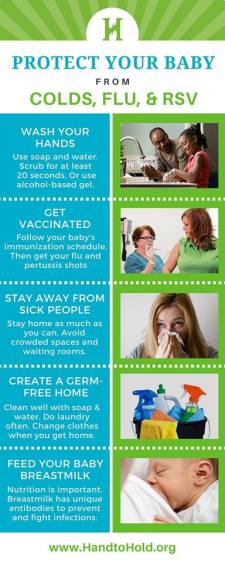
Importance of Preventing Respiratory Infections
Respiratory infections can be caused by viruses, bacteria, or other microbes that are easily spread from person to person. These infections can range from mild to severe, and in some cases, they can even be life-threatening. By taking proactive steps to prevent respiratory infections, you can not only protect yourself but also help reduce the spread of illnesses within your community.
Why is it important to prevent respiratory infections?
Preventing respiratory infections is essential for maintaining good overall health and well-being. By avoiding these infections, you can reduce the likelihood of experiencing symptoms such as coughing, sneezing, fever, and fatigue. Additionally, preventing respiratory infections can help lower the risk of developing complications such as pneumonia, which can be particularly dangerous for certain populations, such as young children, older adults, and individuals with weakened immune systems.
Tips for Preventing Respiratory Infections
Now that we understand the importance of preventing respiratory infections, let’s explore some practical tips that you can incorporate into your daily routine to protect yourself and your loved ones.
Wash Your Hands Frequently
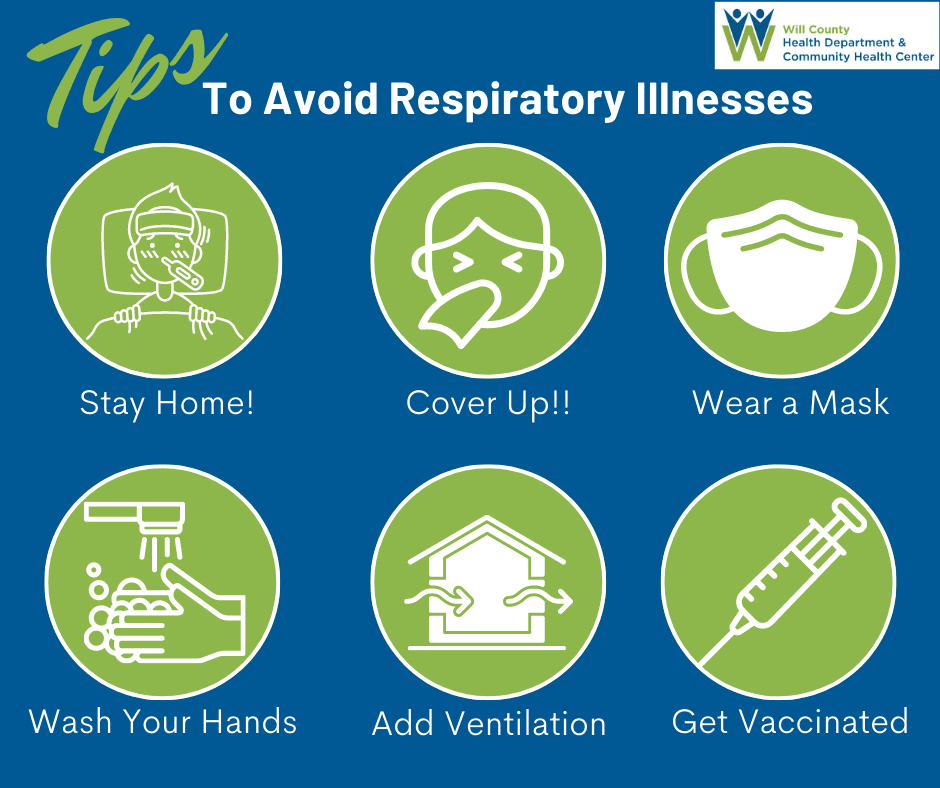
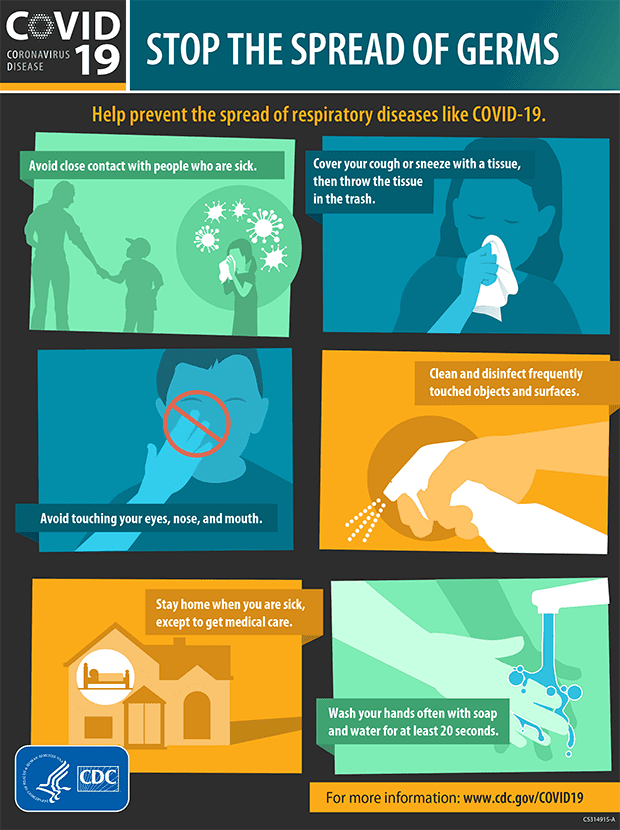
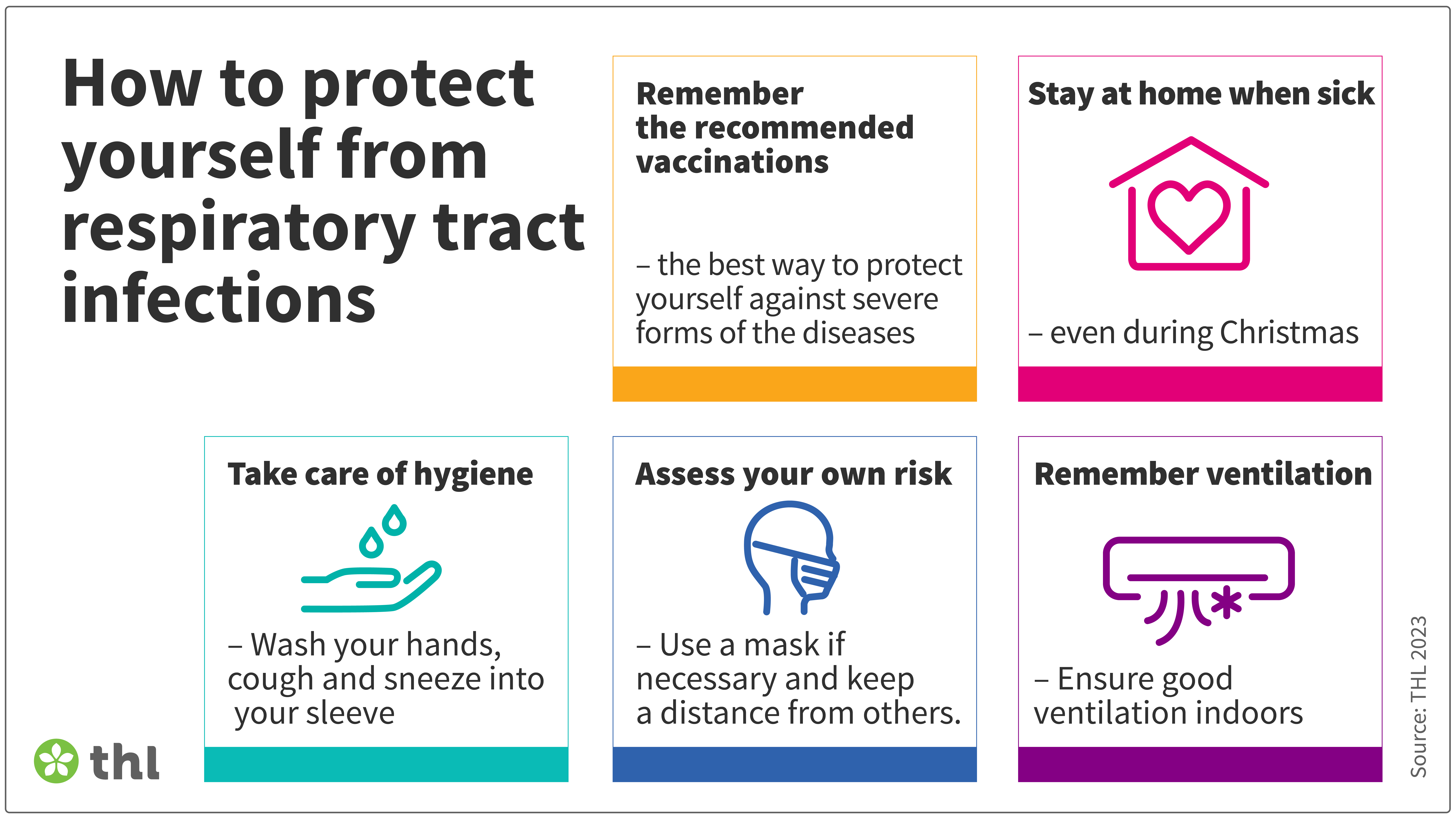
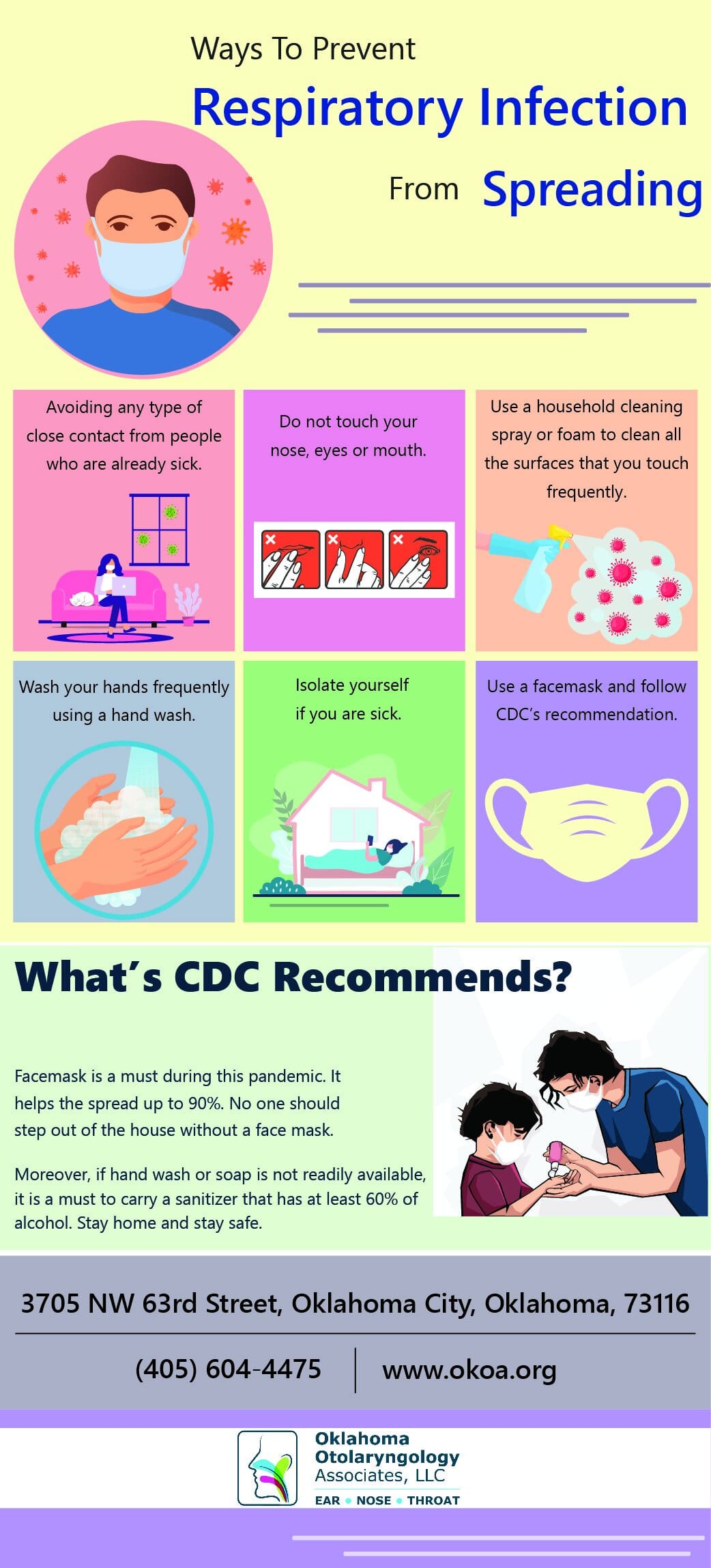
One of the most effective ways to prevent respiratory infections is by washing your hands regularly. Proper handwashing can help remove germs and bacteria that you may have come into contact with throughout the day. Be sure to use soap and water, and scrub your hands for at least 20 seconds, making sure to clean between your fingers and under your nails.
Avoid Touching Your Face
Another important tip for preventing respiratory infections is to avoid touching your face, especially your eyes, nose, and mouth. These are common entry points for viruses and bacteria, so by keeping your hands away from your face, you can reduce the risk of introducing harmful pathogens into your body.
Practice Respiratory Hygiene
Practicing good respiratory hygiene is essential for preventing the spread of respiratory infections. Be sure to cover your mouth and nose with a tissue or your elbow when coughing or sneezing, and dispose of tissues properly. By following these simple steps, you can prevent the spread of airborne germs and protect those around you.
Stay Home When Sick
If you are feeling unwell with symptoms of a respiratory infection, such as a cough, fever, or body aches, it’s important to stay home and rest. By avoiding close contact with others, you can help prevent the spread of illness in your community. Remember to drink plenty of fluids, get plenty of rest, and seek medical attention if symptoms worsen or persist.
Dietary Strategies for Preventing Respiratory Infections
In addition to practicing good hygiene practices, maintaining a healthy diet can also help bolster your immune system and protect you from respiratory infections. Let’s explore some dietary strategies that you can implement to enhance your body’s natural defenses.
Eat a Balanced Diet
Consuming a balanced diet that is rich in fruits, vegetables, whole grains, lean proteins, and healthy fats can provide your body with the nutrients it needs to function optimally. Nutrients such as vitamin C, vitamin D, zinc, and omega-3 fatty acids have been shown to support immune function and help prevent respiratory infections.
Stay Hydrated
Drinking an adequate amount of water each day is essential for supporting your body’s immune system and overall health. Dehydration can weaken your body’s defenses against infections, so be sure to stay hydrated by drinking plenty of water, herbal teas, and other hydrating beverages.
Include Immune-Boosting Foods
Certain foods have been shown to have immune-boosting properties that can help protect against respiratory infections. Incorporating foods such as garlic, ginger, turmeric, berries, and green leafy vegetables into your diet can provide your body with antioxidants and nutrients that support a healthy immune response.
Lifestyle Practices for Preventing Respiratory Infections
In addition to proper hygiene and a healthy diet, certain lifestyle practices can also play a role in preventing respiratory infections. Let’s discuss some lifestyle strategies that you can incorporate into your daily routine to stay healthy and reduce your risk of illness.
Get Regular Exercise
Engaging in regular physical activity can help strengthen your immune system and improve your overall health. Exercise has been shown to boost circulation, reduce inflammation, and enhance immune function, all of which can help protect you from respiratory infections. Aim for at least 30 minutes of moderate-intensity exercise most days of the week.
Manage Stress
Chronic stress can weaken your immune system and make you more susceptible to infections. By practicing stress-reducing techniques such as meditation, deep breathing, yoga, or spending time in nature, you can help lower your stress levels and support your body’s ability to fight off respiratory infections.
Get Adequate Sleep
Getting enough quality sleep is crucial for maintaining a strong immune system and protecting yourself from respiratory infections. Aim for 7-9 hours of sleep per night, and establish a bedtime routine that promotes relaxation and restful sleep. If you have trouble sleeping, consider implementing strategies such as avoiding screens before bed, creating a comfortable sleep environment, and practicing relaxation techniques.
Environmental Factors in Preventing Respiratory Infections
Beyond personal hygiene, diet, and lifestyle practices, environmental factors can also play a significant role in preventing respiratory infections. Let’s explore some ways you can create a healthy environment that supports respiratory health.
Maintain Clean Air Quality
Indoor air pollution can contribute to respiratory illnesses by introducing harmful particles and irritants into your living space. To improve indoor air quality, consider using a high-efficiency particulate air (HEPA) filter, keeping your home clean and dust-free, and ensuring adequate ventilation. Opening windows regularly can help improve air circulation and reduce the buildup of indoor pollutants.
Avoid Exposure to Tobacco Smoke
Secondhand smoke can significantly increase the risk of respiratory infections and other health problems. If you smoke, consider quitting, and if you don’t smoke, be mindful of avoiding exposure to tobacco smoke in public places, at home, or in the presence of others who smoke. By eliminating exposure to tobacco smoke, you can protect your respiratory health and reduce your risk of infection.
Keep Your Living Space Clean
Regularly cleaning and disinfecting your living space can help prevent the spread of germs and bacteria that can cause respiratory infections. Focus on high-touch surfaces such as doorknobs, light switches, countertops, and electronics, and use cleaning products that are effective against viruses and bacteria. By maintaining a clean living environment, you can reduce the likelihood of coming into contact with illness-causing pathogens.
Key Takeaways
Preventing respiratory infections is essential for maintaining good health and well-being. By incorporating simple practices into your daily routine, such as frequent handwashing, practicing respiratory hygiene, eating a healthy diet, and staying active, you can reduce your risk of infection and protect yourself and your loved ones from illness. Remember that prevention is key when it comes to respiratory infections, so be proactive in implementing these strategies to safeguard your health.
In conclusion, respiratory infections can be both common and serious, but with the right preventive measures, you can significantly reduce your risk of illness and protect yourself from infection. By practicing good hygiene, maintaining a healthy diet and lifestyle, and creating a clean and healthy living environment, you can bolster your body’s natural defenses and stay healthy year-round. Remember that prevention is always better than cure, so take the necessary steps to safeguard your respiratory health and well-being. Stay well!