Welcome to an insightful article on achieving hormonal balance through exercise and lifestyle changes. Understanding the importance of hormonal balance and how it can impact your overall well-being is crucial. By making small adjustments to your daily routine, such as incorporating regular exercise and practicing healthy lifestyle habits, you can help regulate your hormones and improve your overall health. Learn more about the connection between exercise, lifestyle, and hormonal balance in this helpful guide. Have you been feeling off lately, experiencing mood swings, fatigue, weight gain, or other hormonal imbalances? You may be wondering how you can achieve hormonal balance naturally through exercise and lifestyle changes. In this article, we will discuss effective strategies and tips to help you regulate your hormones and improve your overall well-being.
Understanding Hormonal Balance
Hormones play a crucial role in regulating various bodily functions, including metabolism, mood, energy levels, and reproduction. When your hormones are out of balance, it can lead to a wide range of symptoms and health issues. Achieving hormonal balance is essential for overall health and well-being.
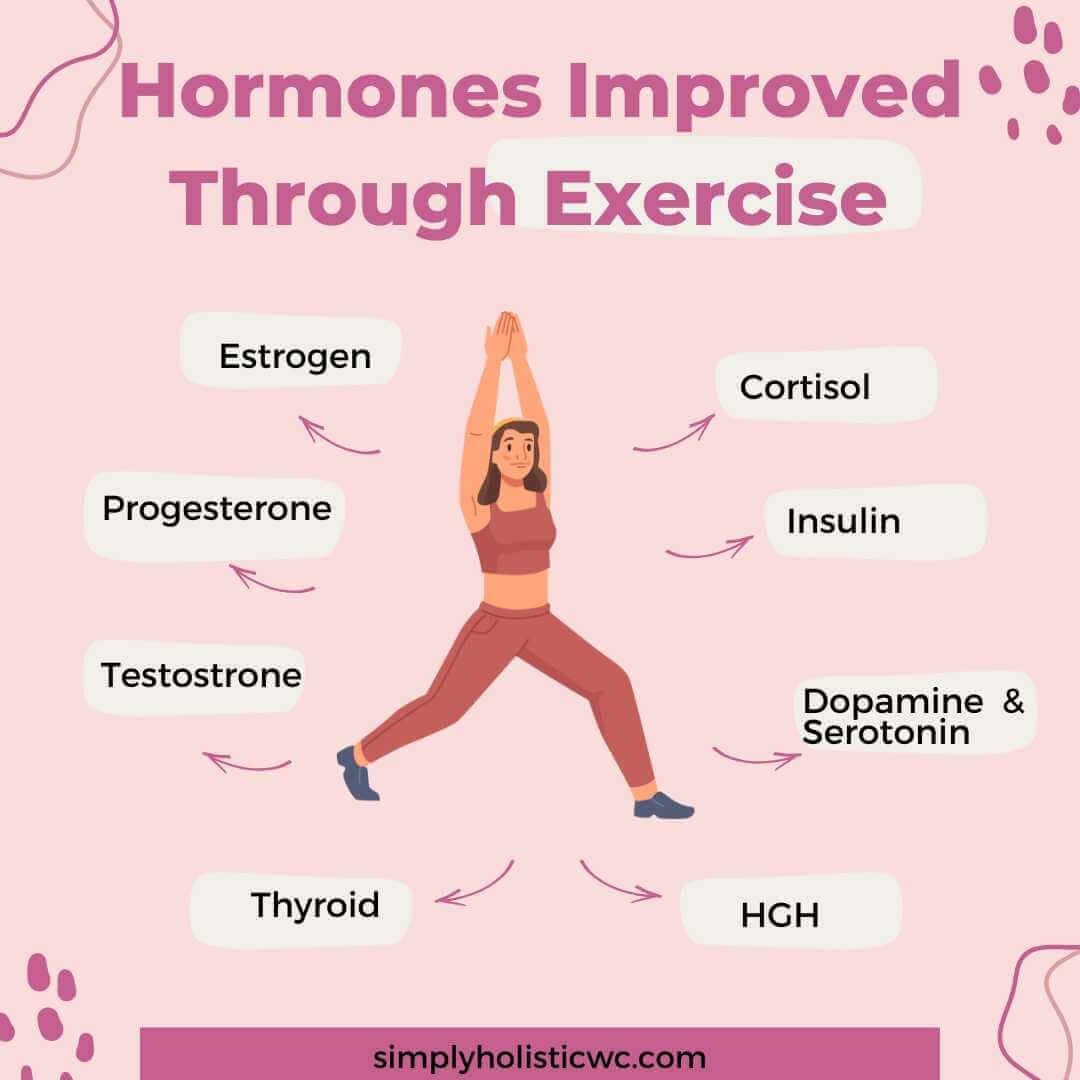
Let’s break down the main hormones that play a significant role in your body and how they can be affected by exercise and lifestyle choices. Understanding the basics of hormonal balance is the first step towards improving your health.
Cortisol
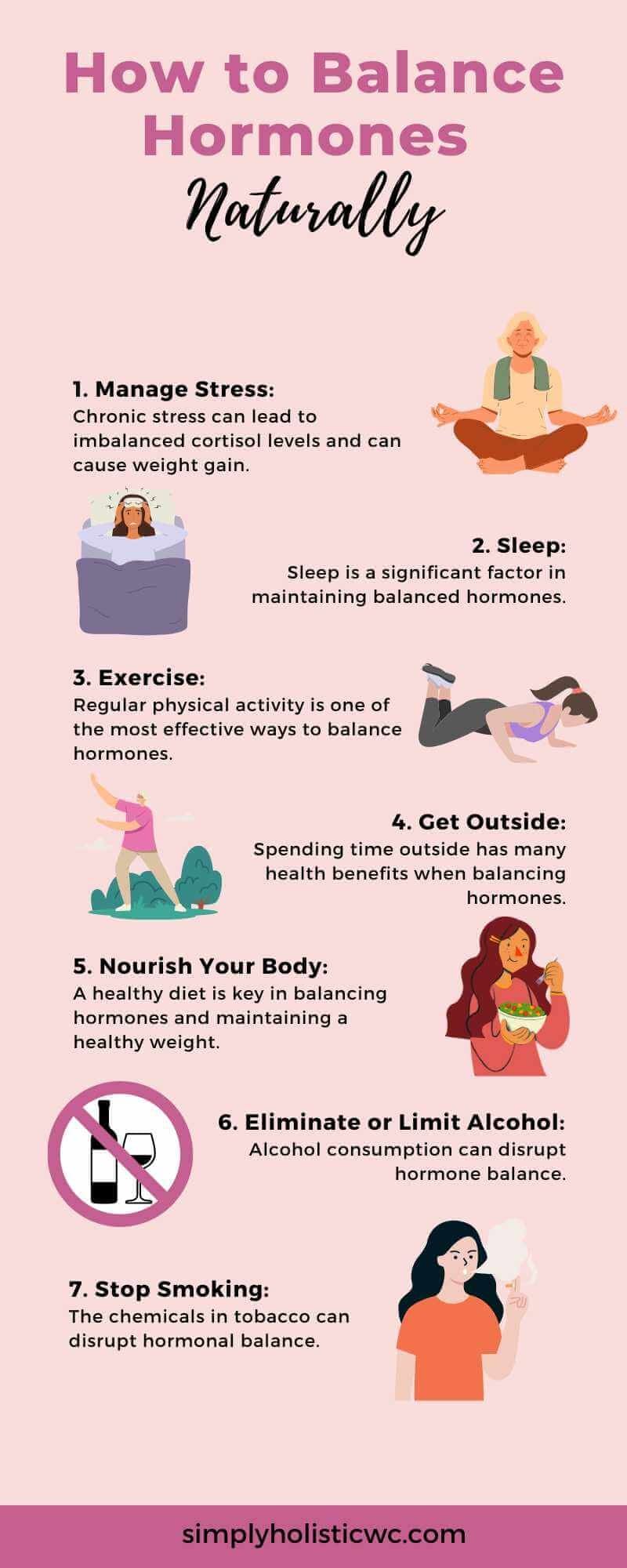
Cortisol is known as the stress hormone and plays a vital role in your body’s response to stress. When you experience chronic stress, cortisol levels can become imbalanced, leading to a variety of negative health effects. High levels of cortisol can contribute to weight gain, sleep disturbances, and mood swings.
Managing stress through relaxation techniques, mindfulness practices, and regular exercise can help regulate cortisol levels and promote hormonal balance. Incorporating stress-reducing activities into your daily routine can have a significant impact on your overall well-being.
Insulin
Insulin is a hormone that regulates blood sugar levels and plays a crucial role in metabolism. When insulin levels are imbalanced, it can lead to insulin resistance, which is a precursor to type 2 diabetes and other health issues. Maintaining stable blood sugar levels through diet and exercise is essential for hormonal balance.
Eating a balanced diet rich in whole foods, fiber, and healthy fats can help regulate insulin levels and prevent spikes in blood sugar. Combining a nutrient-dense diet with regular exercise can improve insulin sensitivity and promote hormonal balance in the body.
Estrogen and Testosterone
Estrogen and testosterone are sex hormones that play a significant role in reproductive health and other bodily functions. Imbalances in estrogen and testosterone levels can lead to a variety of symptoms, including fatigue, mood swings, and fertility issues.
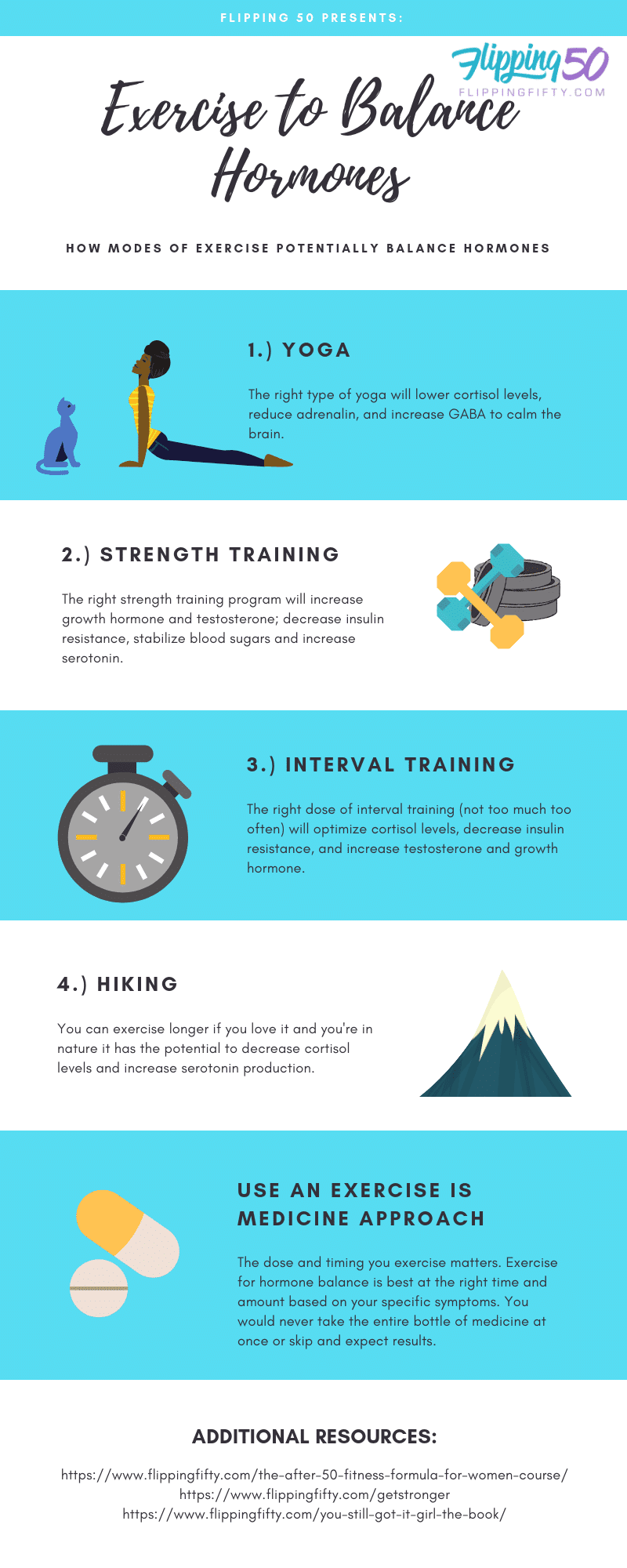
Engaging in regular exercise, such as strength training and cardiovascular workouts, can help balance estrogen and testosterone levels in the body. Exercise promotes the release of endorphins, which can improve mood and hormone regulation. Maintaining a healthy weight and incorporating strength-building exercises can also support hormonal balance.
Exercise for Hormonal Balance
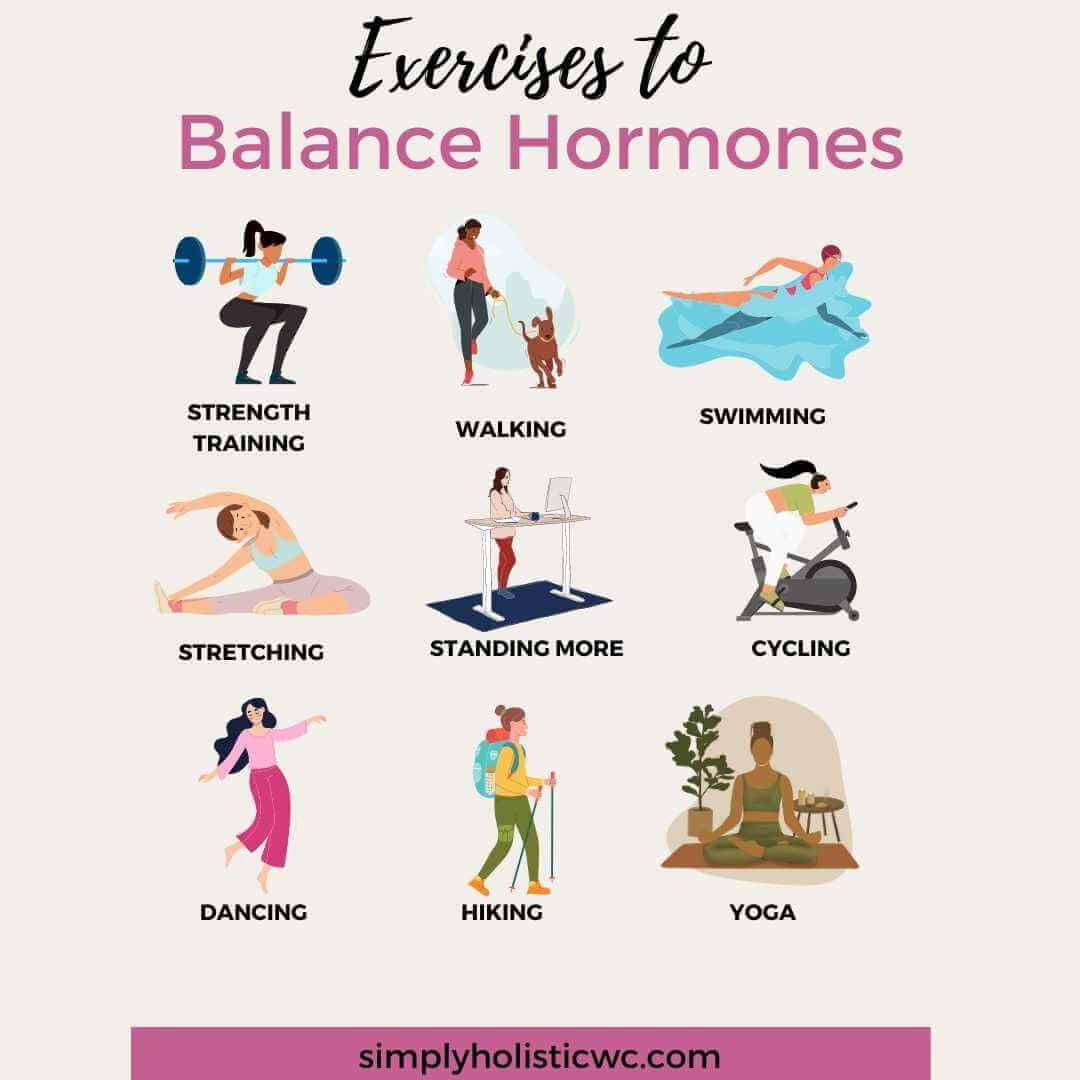
Regular physical activity is essential for maintaining hormonal balance and overall health. Exercise can help reduce stress, improve metabolism, and regulate hormone levels in the body. Incorporating different types of exercises into your routine can have a positive impact on your hormonal health.
Cardiovascular Exercise
Cardiovascular exercise, such as running, cycling, or swimming, is an effective way to improve heart health, boost metabolism, and regulate hormone levels. Aerobic workouts can help reduce cortisol levels, improve insulin sensitivity, and support weight management.
Engaging in cardiovascular exercise for at least 30 minutes a day can have significant benefits for hormonal balance. Whether you prefer outdoor activities or indoor workouts, finding a form of cardio that you enjoy can make it easier to incorporate into your daily routine.
Strength Training
Strength training is another important component of a well-rounded exercise routine for hormonal balance. Lifting weights or using resistance bands can help build muscle mass, improve bone density, and boost metabolism. Strength training can also increase testosterone levels in both men and women.
Incorporating strength training exercises into your workout regimen a few times a week can help support hormonal balance and overall fitness. Starting with light weights and gradually increasing the intensity of your workouts can help prevent injuries and build strength over time.
Yoga and Mindfulness Practices
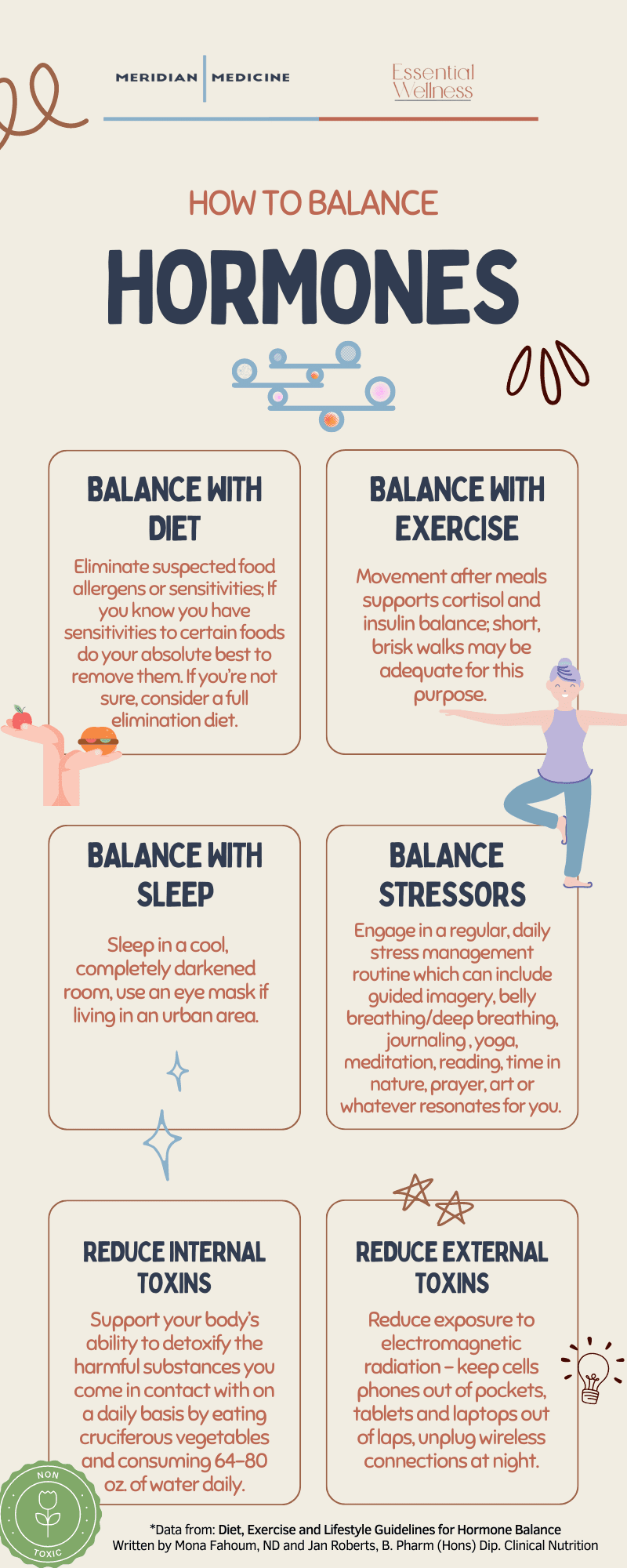
Yoga and mindfulness practices are beneficial for reducing stress, improving mood, and promoting hormonal balance. Practicing yoga postures, breathing exercises, and meditation can help calm the mind and body, leading to decreased cortisol levels and increased relaxation.
Adding yoga and mindfulness practices to your daily routine can have a positive impact on your hormonal health and overall well-being. Whether you attend a yoga class or follow along with online videos, incorporating these practices into your lifestyle can help you achieve hormonal balance naturally.
Lifestyle Changes for Hormonal Balance
In addition to exercise, making positive lifestyle changes can also contribute to hormonal balance and overall health. From improving your sleep quality to managing your stress levels, incorporating healthy habits into your daily routine can have a significant impact on your hormones.
Sleep Quality
Getting an adequate amount of high-quality sleep is essential for hormonal balance and overall well-being. Lack of sleep can disrupt hormone production, leading to imbalances that affect mood, appetite, and energy levels. Prioritizing sleep hygiene and creating a bedtime routine can help improve your sleep quality.
Establishing a consistent sleep schedule, creating a relaxing bedtime routine, and avoiding stimulating activities before bed can support healthy sleep patterns and hormone regulation. Making sleep a priority can have a positive impact on your hormonal health and overall quality of life.
Nutrition
Eating a balanced diet consisting of whole foods, fruits, vegetables, lean proteins, and healthy fats is crucial for hormone balance and optimal health. Poor dietary choices can lead to fluctuations in blood sugar levels, insulin resistance, and hormonal imbalances.
Opting for nutrient-dense foods and avoiding processed foods, refined sugars, and artificial additives can help regulate hormone levels and support overall well-being. Incorporating a variety of colorful fruits and vegetables, whole grains, and lean proteins into your meals can provide essential nutrients for hormonal health.
Stress Management
Chronic stress can have a significant impact on hormone production and overall health. Managing stress through relaxation techniques, mindfulness practices, and self-care activities can help reduce cortisol levels and promote hormonal balance.
Incorporating stress-reducing activities such as yoga, meditation, deep breathing exercises, or hobbies into your daily routine can help alleviate stress and support hormone regulation. Taking time for yourself, practicing self-care, and prioritizing activities that bring you joy can have a positive impact on your hormonal health.
Supplements for Hormonal Balance
In addition to exercise and lifestyle changes, certain supplements can help support hormonal balance and overall well-being. From nutrient deficiencies to specific health conditions, supplements can provide additional support for hormone regulation.
Vitamin D
Vitamin D plays a crucial role in hormone production, immune function, and bone health. Many people are deficient in vitamin D due to limited sun exposure, poor dietary choices, or certain health conditions. Supplementing with vitamin D can help support hormonal balance and overall health.
Consulting with a healthcare provider to determine your vitamin D levels and appropriate supplementation can help ensure you are getting the right amount of this essential nutrient. Incorporating vitamin D-rich foods such as fatty fish, egg yolks, and fortified dairy products into your diet can also support healthy hormone levels.
Omega-3 Fatty Acids
Omega-3 fatty acids are essential fats that play a key role in hormone production, brain function, and inflammation regulation. Consuming omega-3s through fatty fish, flaxseeds, chia seeds, or supplements can help support hormonal balance and overall health.
Adding omega-3 fatty acid-rich foods to your diet or taking a high-quality fish oil supplement can provide essential nutrients for hormone regulation and reduce inflammation in the body. Incorporating healthy fats into your meals can support hormonal balance and optimize overall well-being.
Magnesium
Magnesium is an essential mineral that plays a crucial role in hormone production, muscle function, and nerve transmission. Many people are deficient in magnesium due to poor dietary choices, stress, or certain health conditions. Supplementing with magnesium can help support hormonal balance and overall health.
Including magnesium-rich foods such as leafy greens, nuts, seeds, and whole grains in your diet can provide essential nutrients for hormone regulation. Consulting with a healthcare provider to determine your magnesium levels and appropriate supplementation can help support your hormonal health.
Conclusion
Achieving hormonal balance through exercise and lifestyle changes can have a profound impact on your overall health and well-being. By understanding the role of hormones in your body, incorporating regular physical activity, making positive lifestyle choices, and considering supplements, you can support hormone regulation and optimize your health.
Remember that achieving hormonal balance is a journey that requires consistency, patience, and dedication. Listening to your body, prioritizing self-care, and seeking support from healthcare providers can help you navigate the process of balancing your hormones and improving your quality of life. With the right strategies and tools in place, you can achieve hormonal balance naturally and feel your best every day.