
Have you ever experienced muscle tension and soreness after a long workout or a stressful day? It’s a common issue that many of us face, but the good news is that there are effective ways to alleviate these discomforts. In this article, we will explore some simple yet powerful techniques that can help you relieve muscle tension and soreness, allowing you to feel more relaxed and rejuvenated. From stretching exercises to self-massage techniques, you’ll discover a variety of methods that can provide relief and promote overall well-being. So, if you’re ready to say goodbye to muscle tension and soreness, read on and learn how to find your ultimate relaxation.
Heat Therapy
Hot showers or baths
One effective way to relieve muscle tension and soreness is through heat therapy. Taking a hot shower or bath can help relax your muscles and provide immediate relief. The warmth helps increase blood flow to the muscles, promoting relaxation and reducing stiffness. Soaking in a hot bath can also be incredibly soothing, allowing you to unwind and loosen up tight muscles. It’s important to ensure that the water is not too hot, as you don’t want to risk burning yourself. Aim for a comfortable and warm temperature that you can tolerate.
Heating pads or hot water bottles
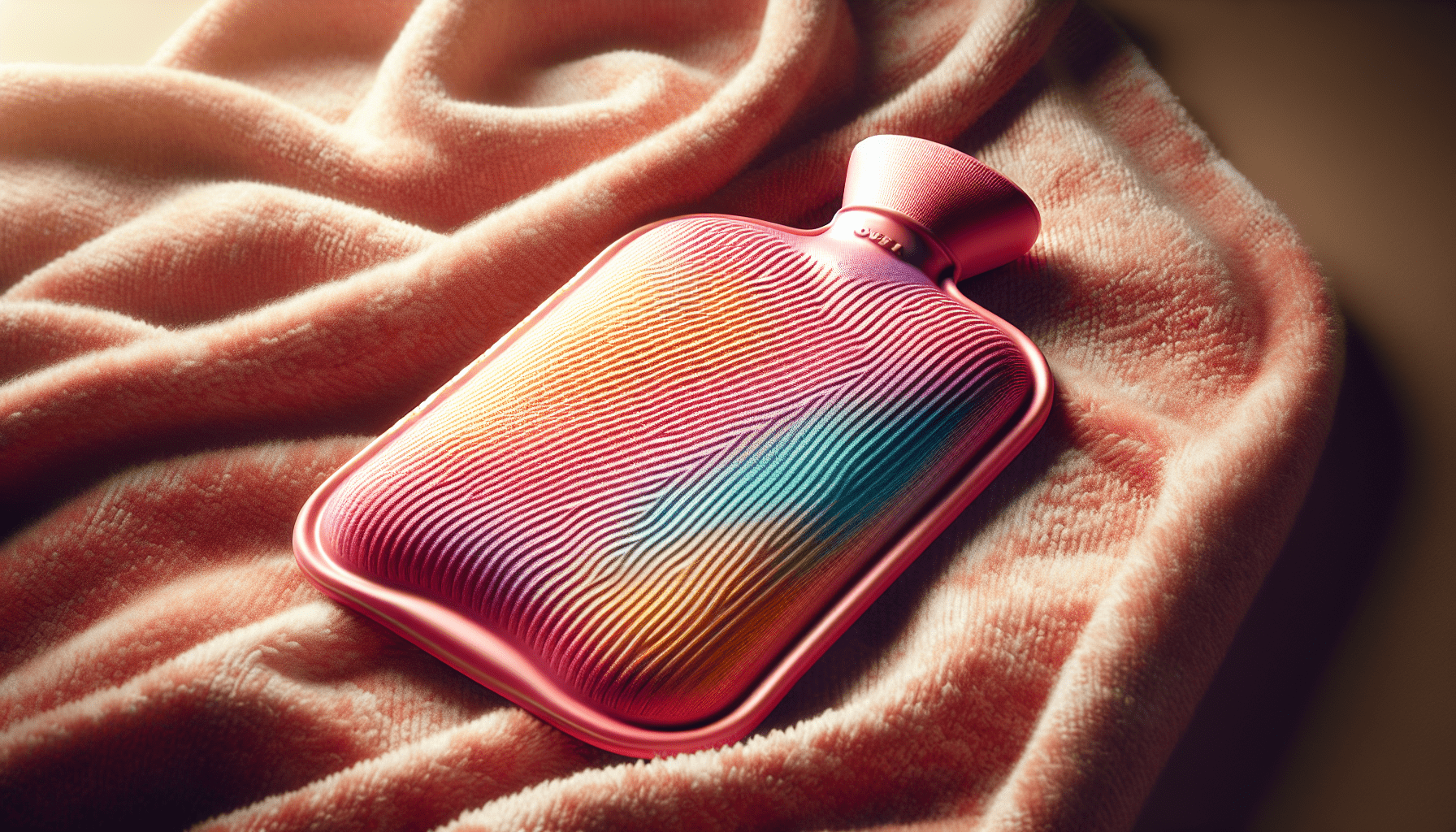
Another option for heat therapy is using heating pads or hot water bottles. These can be applied directly to the affected area, providing targeted heat and relief. Heating pads are available in various sizes and designs, such as electric or microwavable pads. Hot water bottles are a more traditional option and can be filled with hot water and placed on the area of discomfort. Both methods can help relax muscles, increase blood circulation, and alleviate muscle tension and soreness.
Warm towels or heat packs
If you don’t have access to a hot shower, bath, or heating pad, you can also use warm towels or heat packs as a form of heat therapy. Simply soak a towel in hot water, wring out the excess moisture, and place it on the affected area. This can provide immediate relief and help relax tight muscles. Alternatively, heat packs can be heated in the microwave or used as reusable patches that can be stuck onto the skin. These options are convenient and portable, allowing you to apply heat therapy wherever you may be.
Cold Therapy
Ice packs or cold compresses
When it comes to muscle tension and soreness, cold therapy can also be highly effective. Ice packs or cold compresses can help reduce inflammation and numb the area, providing temporary pain relief. The cold temperature constricts blood vessels, reducing swelling and slowing down nerve impulses, which helps alleviate muscle soreness. When using ice packs, ensure that you wrap them in a thin cloth or towel to protect your skin from direct contact with the cold. Apply the ice pack to the affected area for around 15-20 minutes at a time, repeating the process every few hours for optimal results.
Cold showers or baths
Similar to heat therapy, cold therapy can also be utilized through cold showers or baths. If you prefer colder temperatures, taking a cold shower or bath can help soothe muscle tension and reduce soreness. The cold water can help constrict blood vessels, similar to using ice packs, providing relief to inflamed muscles. It’s important to note that some individuals may find cold showers or baths less tolerable, so listen to your body and adjust the temperature as needed.
Gel packs or frozen vegetables
If you don’t have access to ice packs or cold compresses, you can use gel packs or frozen vegetables as alternatives. Gel packs, which can be stored in the freezer, provide a convenient and reusable option for cold therapy. Frozen vegetables, such as peas or corn, can also be placed in a bag and used as makeshift cold packs. The cold temperature from these items can effectively help reduce inflammation and alleviate muscle tension and soreness.
Stretching
Static stretching
Stretching is a crucial component of muscle recovery and can greatly help relieve tension and soreness. Static stretching involves holding a stretch for a prolonged period, usually around 15-30 seconds. This type of stretching helps improve flexibility and stretches out the muscles, reducing stiffness and promoting relaxation. Examples of static stretches include touching your toes while seated or reaching your arms overhead and leaning to the side. It’s best to stretch both before and after physical activity to warm up and cool down your muscles effectively.
Dynamic stretching
In addition to static stretching, dynamic stretching can also provide relief from muscle tension and soreness. Dynamic stretching involves moving parts of your body through a full range of motion, typically incorporating movements similar to those used during physical activity. This type of stretching helps improve blood flow to the muscles, increases joint mobility, and prepares your body for exercise. Examples of dynamic stretches include walking lunges, arm swings, and leg swings. Incorporating dynamic stretching into your pre-workout routine can help prevent muscle stiffness and enhance overall flexibility.
Yoga or Pilates
Yoga and Pilates are excellent forms of exercise that combine stretching, strength-building, and relaxation techniques. Both practices promote mindfulness and focus on controlled movements and deep breathing, helping to relieve muscle tension and soreness. Yoga focuses on holding poses that stretch and strengthen the body, while Pilates focuses on core stability and controlled movements. Engaging in regular yoga or Pilates sessions can help improve flexibility, reduce muscle tightness, and alleviate soreness caused by physical exertion.
Foam rolling
Foam rolling, also known as self-myofascial release, is a self-massage technique that involves using a foam roller to apply pressure to tight or sore muscles. By rolling the foam roller across specific muscle groups, you can release tension and break up knots or adhesions within the muscle tissue. Foam rolling is particularly beneficial for larger muscle groups such as the quadriceps, hamstrings, and calves. It’s important to start with gentle pressure and gradually increase intensity as tolerated. Foam rolling can be done before or after workouts, as well as during rest days to maintain muscle health and relieve tightness.
Massage
Deep tissue massage
A professional deep tissue massage is an excellent option when it comes to relieving muscle tension and soreness. This type of massage targets the deeper layers of muscles and connective tissues, applying firm pressure to release tension and knots. Deep tissue massage can help improve blood flow, reduce inflammation, and break up scar tissue caused by muscle damage or strain. The therapist will use various techniques to penetrate deep into the muscle fibers, working on specific areas of tightness or discomfort. Getting a deep tissue massage can leave you feeling relaxed, rejuvenated, and with reduced muscle soreness.
Swedish massage
Swedish massage is a popular and widely practiced form of massage therapy that focuses on relaxation and overall well-being. This type of massage utilizes long, gliding strokes, kneading, and circular motions to promote circulation, relieve muscle tension, and enhance flexibility. Swedish massage is typically gentler compared to deep tissue massage, making it suitable for individuals with sensitive muscles. It provides a calming and soothing experience, helping to alleviate soreness and promote relaxation throughout the body.
Trigger point therapy
Trigger point therapy is a specialized massage technique that targets specific points of tension within the muscles, known as trigger points. These trigger points are areas of muscle fibers that have become tight or knotted, often causing referred pain in other areas of the body. During trigger point therapy, the massage therapist applies direct pressure to these points, aiming to release the tension and provide relief. This type of massage can be slightly intense, but it can effectively alleviate muscle tension, reduce pain, and improve overall muscle function.
Self-massage techniques
If professional massage sessions are not readily available, you can also try self-massage techniques to relieve muscle tension and soreness. Using your hands, fingers, or tools such as massage balls or foam rollers, you can target specific muscle groups and apply pressure to release tension. Techniques such as rubbing, kneading, or applying downward pressure along the muscle fibers can effectively reduce soreness and increase blood circulation. Self-massage can be incorporated into your daily routine or used as a quick remedy for immediate relief.
Rest and Recovery
Taking breaks from physical activity
Rest and recovery play a crucial role in relieving muscle tension and soreness. It’s important to listen to your body and take breaks from intense physical activity or workouts when needed. Overworking your muscles without proper rest can lead to increased muscle tension and soreness. Allow your body time to heal and recover by scheduling rest days or engaging in low-impact activities that don’t place excessive strain on your muscles. Resting properly can help prevent further muscle damage and ensure your muscles have the opportunity to repair and rebuild.
Getting enough sleep
Sleep is an essential component of rest and recovery. When you’re sleep-deprived, your body may not have enough time to repair and recharge, leading to increased muscle tension and soreness. Aim for a consistent sleep schedule and ensure you’re getting enough quality sleep each night. Most adults require around 7-9 hours of sleep to support proper muscle recovery. Creating a sleep-friendly environment, practicing relaxation techniques before bed, and avoiding stimulants such as caffeine close to bedtime can help enhance the quality of your sleep and promote muscle relaxation.
Proper nutrition for muscle repair
Proper nutrition is vital for relieving muscle tension and facilitating repair and recovery. Consuming a balanced diet that includes an adequate amount of protein, carbohydrates, and healthy fats provides the necessary nutrients for muscle repair. Protein is particularly important for muscle recovery as it supports the growth and repair of muscle fibers. Include lean sources of protein such as chicken, fish, tofu, or legumes in your meals. Additionally, fruits, vegetables, and whole grains provide essential vitamins, minerals, and antioxidants that aid in reducing inflammation and promoting overall muscle health.
Active recovery exercises
Engaging in active recovery exercises can help relieve muscle tension and soreness by increasing blood flow and promoting muscle relaxation. Active recovery involves low-intensity activities that allow your body to recover while still gently working your muscles. Light walking, swimming, or cycling are excellent options for active recovery. These exercises help flush out metabolic waste products from your muscles and stimulate the release of endorphins, which can reduce pain and improve mood. Incorporating active recovery exercises into your routine can aid in quicker muscle recovery and reduce the likelihood of post-workout muscle soreness.
Hydration
Drinking enough water
Staying properly hydrated is essential for relieving muscle tension and soreness. Dehydration can lead to increased muscle cramps, stiffness, and reduced muscle performance. It’s important to drink enough water throughout the day, especially during physical activity or hot weather when your body loses water through sweat. Optimal hydration helps maintain blood volume and flow to the muscles, preventing muscle cramps and promoting overall muscle function. Aim to drink at least 8 cups (64 ounces) of water per day, and increase your intake during intense workouts or prolonged periods of exertion.
Consuming electrolytes
In addition to water, consuming electrolytes can further support muscle relaxation and prevent cramping. Electrolytes are minerals such as sodium, potassium, calcium, and magnesium that play essential roles in muscle contraction and relaxation. These minerals can be lost during sweating, so replenishing them is crucial for optimal muscle function. You can find electrolytes in sports drinks, coconut water, or by consuming foods rich in these minerals, such as bananas, leafy greens, or yogurt. Adding electrolyte-rich foods or beverages to your diet can aid in relieving muscle tension and promoting hydration.
Herbal teas or infused water
Incorporating herbal teas or infused water can be an enjoyable way to support hydration while also providing additional benefits for muscle relaxation. Herbal teas, such as chamomile or peppermint tea, have calming properties that can help soothe muscle tension and promote relaxation. Infused water, made by adding fruits, herbs, or vegetables to plain water, can provide a refreshing and hydrating alternative to plain water. For example, infusing water with slices of cucumber, lemon, and mint can provide a cooling effect and aid in reducing muscle inflammation. Enjoying herbal teas or infused water throughout the day can contribute to relieving muscle tension and soreness.
Topical Analgesics
Pain-relieving creams or gels
Topical analgesics, such as pain-relieving creams or gels, can be directly applied to the skin over the affected area to alleviate muscle tension and soreness. These products often contain ingredients like menthol or camphor, which provide a cooling or warming sensation that helps distract from the pain and reduce inflammation. Apply the cream or gel to the area of discomfort and massage it into the skin until fully absorbed. Topical analgesics are easily accessible over-the-counter and can provide localized relief for muscle soreness.
Arnica or menthol-based rubs
Arnica or menthol-based rubs are popular choices for relieving muscle tension and soreness. Arnica is a herb known for its anti-inflammatory properties and is commonly used in topical preparations. Menthol, on the other hand, produces a cooling sensation that helps soothe the muscles. These rubs can be applied directly to the skin and massaged into the affected area for immediate relief. The combination of arnica or menthol with other natural ingredients can provide a soothing and refreshing effect, reducing muscle tension and promoting relaxation.
Capsaicin creams
Capsaicin creams contain an active component derived from chili peppers, which helps relieve pain and reduce inflammation. When applied topically, capsaicin works by depleting a neurotransmitter called substance P, which transmits pain signals to the brain. By reducing substance P, capsaicin creams can effectively alleviate muscle tension and soreness. These creams should be applied sparingly to avoid skin irritation, and it’s essential to wash your hands thoroughly after use to prevent accidentally touching sensitive areas such as your eyes or mucous membranes.
Epsom Salt Baths
Adding Epsom salt to a warm bath
Epsom salt, also known as magnesium sulfate, is a popular remedy for muscle tension and soreness. Adding Epsom salt to a warm bath can provide a relaxing and therapeutic experience. The magnesium in Epsom salt is absorbed through the skin and helps improve blood circulation, reduce inflammation, and relax tight muscles. Fill your bathtub with warm water and add 1-2 cups of Epsom salt. Soak in the bath for at least 20 minutes to fully benefit from the muscle-relaxing properties of Epsom salt.
Soothing aching muscles
Epsom salt baths can effectively soothe aching muscles. As you soak in the warm water infused with Epsom salt, the magnesium is absorbed into your muscles, promoting relaxation and providing pain relief. The warm temperature of the bath further enhances muscle relaxation and increases blood flow, helping to alleviate muscle tension and soreness. Whether you’ve had a long day at work or an intense workout, an Epsom salt bath can be a comforting and therapeutic way to ease muscle discomfort.
Relieving tension and soreness
The combination of warm water and the absorbed magnesium in Epsom salt baths can effectively relieve tension and soreness in your muscles. The warm water acts as a natural muscle relaxant, encouraging the release of tension and reducing muscle soreness. The magnesium in Epsom salt helps regulate muscle function and reduce inflammation, further contributing to muscle relaxation and pain relief. By incorporating regular Epsom salt baths into your routine, you can experience longer-lasting relief from muscle tension and soreness.
Hydrotherapy
Hot tubs or Jacuzzis
Hot tubs or Jacuzzis provide an excellent form of hydrotherapy to relieve muscle tension and soreness. The combination of warm water, buoyancy, and jet massages can offer immense benefits for muscle relaxation and pain relief. Soaking in a hot tub or Jacuzzi helps increase blood flow to the muscles, reduces inflammation, and promotes the release of endorphins, which are natural painkillers. The gentle pressure from the jets can also provide a soothing massage-like experience, targeting specific areas of muscle tension and soreness. Spending time in a hot tub or Jacuzzi can be an enjoyable way to unwind and alleviate muscle discomfort.
Pools or swimming
Swimming or engaging in water-based exercises in pools can provide hydrotherapy benefits for relieving muscle tension and soreness. Water provides a resistance that can help work your muscles while still being gentle on your joints. The buoyancy of the water supports your body, reducing the impact and strain on your muscles. Swimming, water aerobics, or even floating in the water can help increase blood flow, promote muscle relaxation, and reduce muscle soreness. Incorporating pool workouts or swimming sessions into your routine can provide a refreshing and therapeutic approach to muscle recovery.
Aquatic exercises
Aquatic exercises, such as water aerobics or water-based yoga, offer a low-impact and effective form of hydrotherapy to relieve muscle tension and soreness. These exercises are performed in water, taking advantage of the buoyancy and resistance provided by the water. The buoyant nature of water reduces the strain and impact on your muscles and joints, allowing for gentle yet effective movement. The resistance provided by the water helps improve muscle strength and flexibility, while the soothing and cooling properties of water aid in muscle relaxation. Participating in aquatic exercises can be an enjoyable and beneficial way to relieve muscle tension and soreness.
Over-the-Counter Pain Medication
Nonsteroidal anti-inflammatory drugs (NSAIDs)
Nonsteroidal anti-inflammatory drugs (NSAIDs) are commonly used over-the-counter medications for relieving muscle tension and soreness. NSAIDs, such as ibuprofen or naproxen sodium, work by reducing inflammation and blocking the production of certain chemicals that cause pain. These medications can provide temporary relief from muscle soreness, inflammation, and swelling. It is important to follow the recommended dosage instructions and consult with a healthcare professional if you have any underlying health conditions or are taking other medications.
Acetaminophen
Acetaminophen, commonly known as Tylenol, is another over-the-counter pain medication that can help relieve muscle tension and soreness. Unlike NSAIDs, acetaminophen does not have anti-inflammatory properties but acts as a pain reliever and fever reducer. It can provide temporary relief from muscle soreness and discomfort caused by overuse or physical exertion. As with any medication, it is important to follow the recommended dosage instructions and consult with a healthcare professional if you have specific health concerns or are taking other medications.
Topical pain relief patches or creams
Topical pain relief patches or creams can be effective for localized relief from muscle tension and soreness. These products typically contain ingredients such as menthol or lidocaine, which provide a cooling or numbing sensation to the area of application. The patches or creams can be directly applied to the skin over the affected area and can offer targeted pain relief. They are easily accessible over-the-counter and can be a convenient option for temporary relief from muscle soreness and discomfort.
In conclusion, there are several effective ways to relieve muscle tension and soreness. Heat therapy, such as hot showers, heating pads, or warm towels, can provide immediate relief by promoting muscle relaxation and increased blood flow. Cold therapy, such as ice packs, cold showers, or gel packs, can help reduce inflammation and numb the area. Stretching, massage, rest and recovery, hydration, topical analgesics, Epsom salt baths, hydrotherapy, and over-the-counter pain medication are all valuable methods for relieving muscle tension and soreness. By incorporating these techniques into your routine, you can effectively alleviate muscle discomfort and promote overall muscle health. Remember to listen to your body and seek medical advice if necessary. Now go ahead and prioritize your muscle well-being for a healthier, more comfortable you!