
Welcome to an informative article on the importance of essential nutrients for preventive eye health. Your eyes are precious organs that require proper care and nourishment to ensure optimal function and longevity. By including key nutrients such as vitamin A, C, E, zinc, and omega-3 fatty acids in your diet, you can proactively protect your eyes from potential damage and age-related diseases. Let’s explore the vital role these nutrients play in maintaining healthy vision and learn how simple dietary changes can greatly benefit your eye health. Have you ever wondered what you can do to ensure your eyes stay healthy and prevent vision problems in the future? One key aspect of maintaining good eye health is to make sure you are getting the essential nutrients your eyes need to function optimally. In this article, we will explore the importance of various nutrients for preventive eye health and how you can incorporate them into your diet.
Understanding the Role of Essential Nutrients in Eye Health
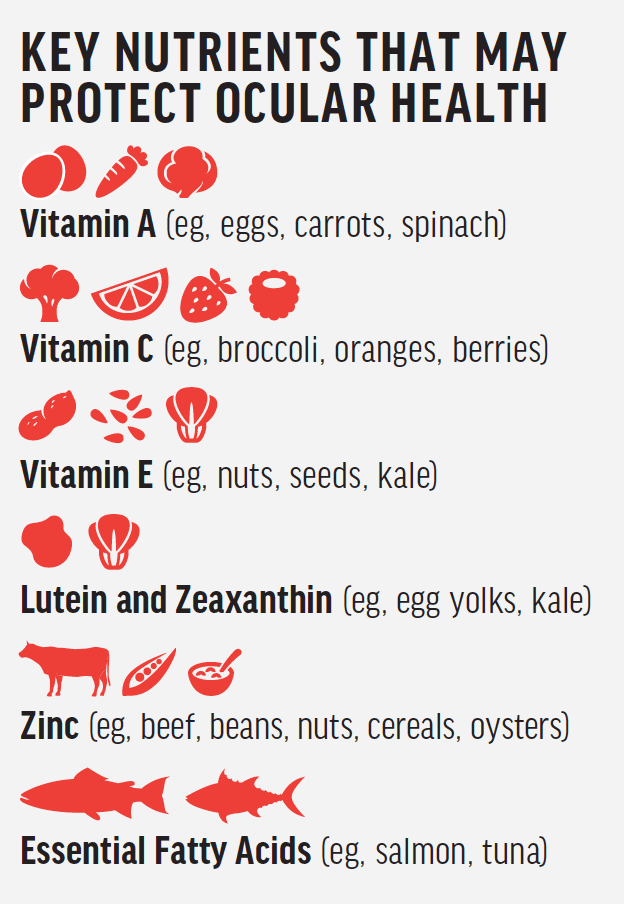
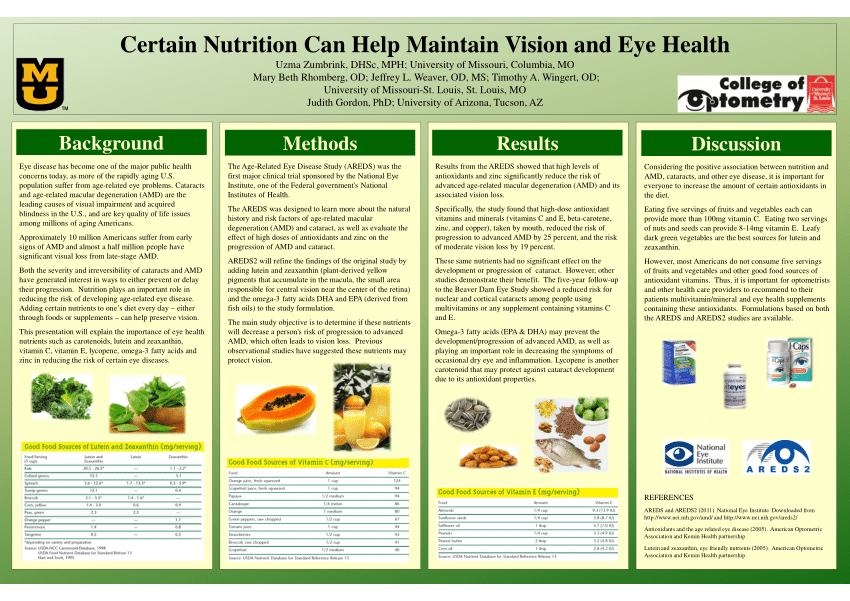
When it comes to protecting your vision and preventing eye diseases, it is essential to prioritize your nutrient intake. Certain vitamins and minerals play a crucial role in maintaining the health of your eyes, reducing the risk of conditions such as macular degeneration, cataracts, and dry eyes. By incorporating these essential nutrients into your diet, you can support your eye health and potentially prevent future vision problems.
Vitamin A
Vitamin A is a crucial nutrient for eye health, as it plays a vital role in maintaining good vision. It helps to protect the cornea, the transparent outer covering of the eye, and is essential for proper functioning of the retina. Vitamin A deficiency can lead to night blindness and other vision problems, so it is important to ensure you are getting an adequate amount of this nutrient in your diet.
Vitamin C
Vitamin C is a powerful antioxidant that can help protect your eyes from damage caused by free radicals, which are harmful molecules that can contribute to the development of eye diseases. It also plays a role in maintaining the health of blood vessels in the eyes and may help reduce the risk of cataracts and age-related macular degeneration.
Vitamin E
Like vitamin C, vitamin E is an antioxidant that can help protect the eyes from oxidative stress and damage. It is particularly beneficial for maintaining the health of the cells in the eyes and may help reduce the risk of developing cataracts and other age-related eye conditions.
Zinc
Zinc is an essential mineral that plays a crucial role in supporting the health of the eyes. It is involved in the production of melanin, a pigment that protects the eyes from harmful ultraviolet (UV) light. Zinc also helps to maintain the health of the retina and may be beneficial for reducing the risk of macular degeneration.
Omega-3 Fatty Acids
Omega-3 fatty acids, particularly docosahexaenoic acid (DHA) and eicosapentaenoic acid (EPA), are important for maintaining the health of the eyes. These fatty acids are found in high concentrations in the retina and play a vital role in supporting proper retinal function. Including sources of omega-3 fatty acids in your diet, such as fatty fish or flaxseeds, may help reduce the risk of dry eyes and age-related macular degeneration.
Best Food Sources of Essential Nutrients for Eye Health
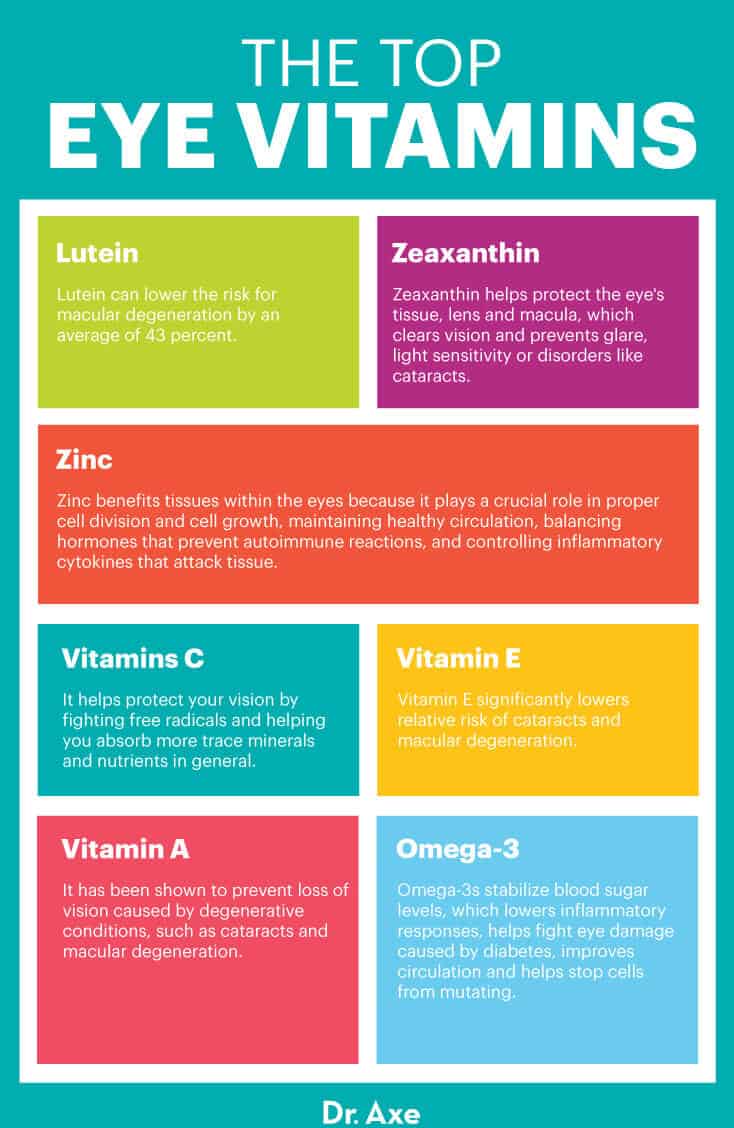
Now that you understand the importance of essential nutrients for preventive eye health, let’s take a look at some of the best food sources of these nutrients that you can incorporate into your diet.
Vitamin A
- Sweet potatoes
- Carrots
- Spinach
- Kale
- Butternut squash
Vitamin C
- Oranges
- Bell peppers
- Kiwi
- Strawberries
- Broccoli
Vitamin E
- Almonds
- Sunflower seeds
- Spinach
- Avocado
- Olive oil
Zinc
- Oysters
- Beef
- Lentils
- Chickpeas
- Pumpkin seeds
Omega-3 Fatty Acids
- Salmon
- Mackerel
- Walnuts
- Chia seeds
- Flaxseeds
By incorporating a variety of these nutrient-rich foods into your diet, you can ensure you are getting the essential vitamins and minerals your eyes need to stay healthy and prevent vision problems in the future.
Considerations for Supplementation
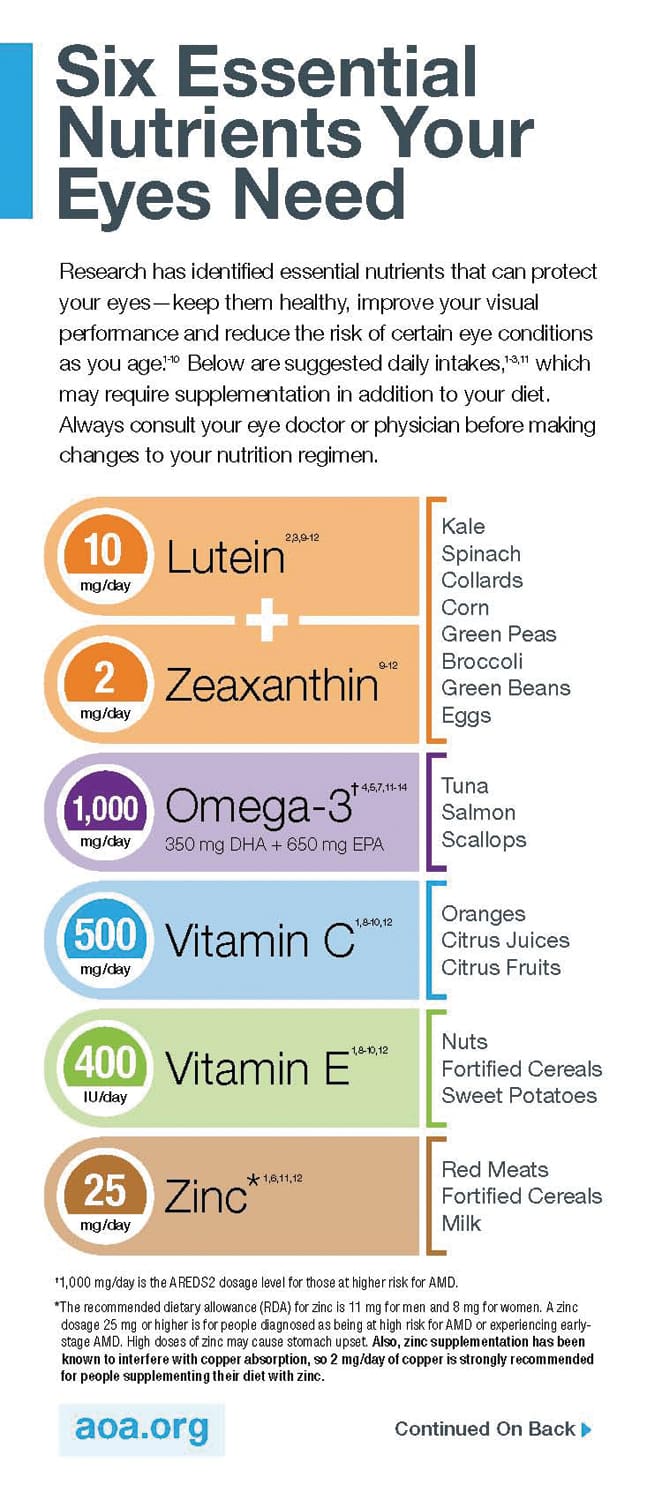
While it is ideal to obtain essential nutrients from whole foods, supplementation may be necessary for some individuals to meet their daily requirements. If you have specific dietary restrictions, medical conditions, or are at risk for certain eye diseases, you may benefit from taking dietary supplements to ensure you are getting an adequate amount of key nutrients for eye health.
Before starting any new supplement regimen, it is important to consult with a healthcare provider or a registered dietitian to determine the appropriate dosage and type of supplements that are right for you. They can help assess your individual needs and provide personalized recommendations to support your eye health.
Multivitamin Supplements
Multivitamin supplements are a convenient way to ensure you are getting a balanced intake of essential nutrients, including those that are important for eye health. Look for a multivitamin that contains vitamin A, vitamin C, vitamin E, zinc, and omega-3 fatty acids to support your overall eye health.
Individual Nutrient Supplements
In some cases, individual nutrient supplements may be recommended to target specific deficiencies or health conditions. For example, if you are at risk for age-related macular degeneration, your healthcare provider may recommend a supplement containing lutein and zeaxanthin, two antioxidants that support macular health.
Omega-3 Supplements
If you struggle to incorporate enough omega-3 fatty acids into your diet through food sources alone, omega-3 supplements may be a beneficial addition to your routine. Look for supplements that contain DHA and EPA, the two types of omega-3 fatty acids that are particularly important for maintaining eye health.
Remember to always follow the recommended dosage guidelines provided on the supplement packaging and consult with a healthcare professional before starting any new supplements to ensure they are safe and appropriate for your individual needs.
Lifestyle Factors That Support Eye Health
In addition to ensuring you are getting the essential nutrients your eyes need to stay healthy, there are several lifestyle factors that can further support your eye health and reduce the risk of developing eye diseases.
Regular Eye Exams
Regular eye exams are essential for maintaining good eye health and detecting any potential issues early on. Schedule comprehensive eye exams with an optometrist or ophthalmologist at least once a year to monitor your vision and eye health. Early detection and treatment of eye conditions can help prevent vision loss and preserve your eyesight.
Protecting Your Eyes from UV Exposure
Excessive exposure to ultraviolet (UV) light can damage the eyes and increase the risk of developing cataracts and other eye conditions. Wear sunglasses that provide 100% UV protection whenever you are outdoors, even on cloudy days. Additionally, consider wearing a wide-brimmed hat for added eye protection from the sun’s rays.
Maintaining a Healthy Weight
Obesity and excess body weight can increase the risk of developing eye conditions such as diabetic retinopathy and age-related macular degeneration. By maintaining a healthy weight through a balanced diet and regular exercise, you can support your overall eye health and reduce the risk of obesity-related eye diseases.
Avoiding Smoking
Smoking is a significant risk factor for a wide range of health conditions, including eye diseases such as macular degeneration and cataracts. If you smoke, quitting can greatly improve your eye health and reduce the risk of vision problems in the future. Seek support from healthcare professionals or smoking cessation programs to help you quit smoking for good.
Practicing Good Digital Eye Health Habits
In today’s digital age, many people spend extended periods looking at screens, which can strain the eyes and contribute to symptoms such as dry eyes and eye fatigue. Practice good digital eye health habits, such as taking regular breaks from screens, adjusting screen brightness and contrast, and maintaining proper lighting to reduce eye strain and protect your vision.
By incorporating these lifestyle factors into your daily routine and prioritizing your eye health, you can support the health and function of your eyes and reduce the risk of developing vision problems as you age.

Conclusion
Taking care of your eyes is an essential part of maintaining overall health and well-being. By prioritizing essential nutrients for preventive eye health, incorporating nutrient-rich foods into your diet, considering supplementation when necessary, and adopting healthy lifestyle habits, you can support your eye health and potentially prevent vision problems in the future.
Remember to consult with healthcare professionals, such as optometrists, ophthalmologists, and dietitians, to receive personalized recommendations that align with your individual needs and goals for eye health. With a proactive approach to eye care and a focus on nourishing your eyes with essential nutrients, you can take steps to protect your vision and enjoy optimal eye health for years to come.