
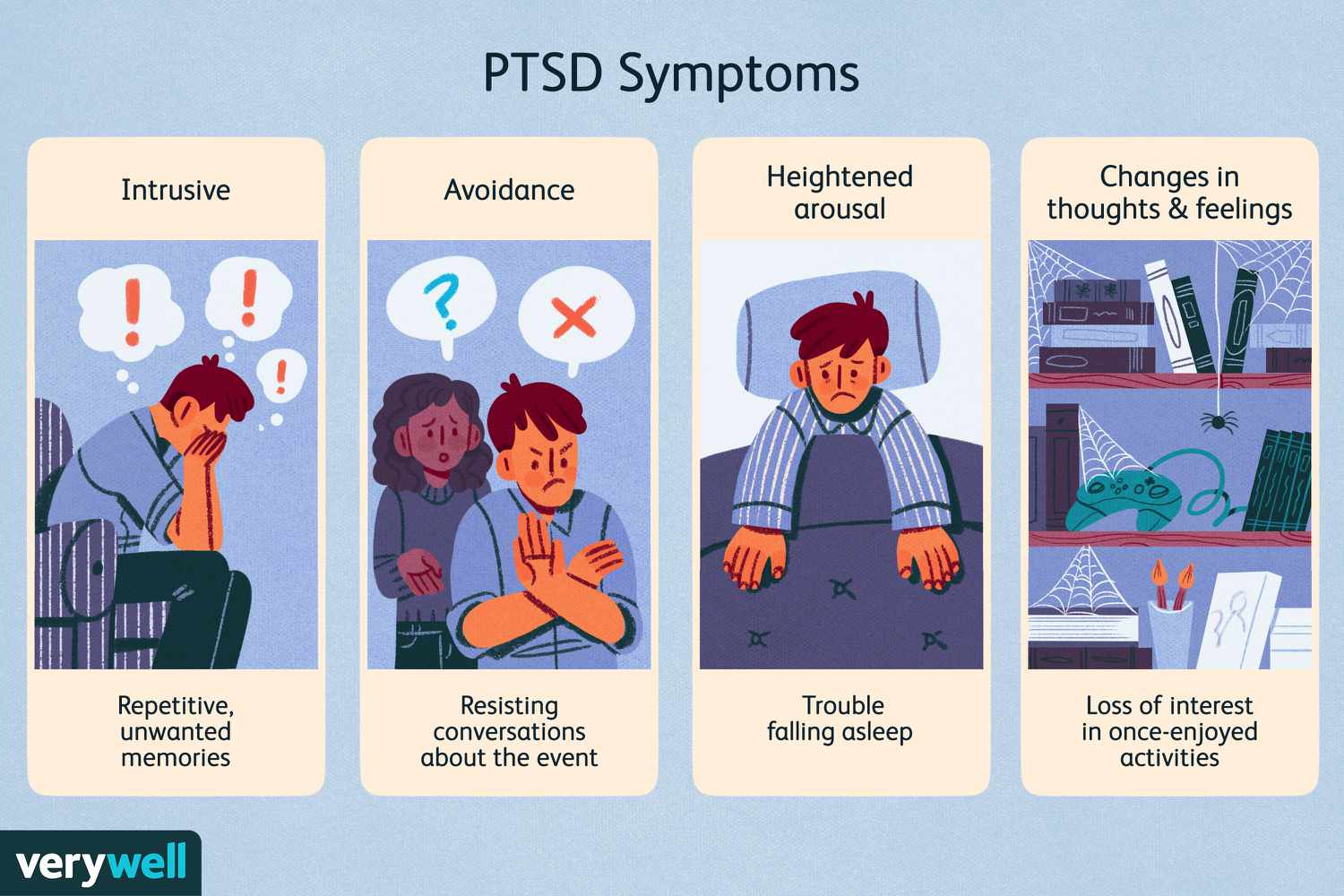
Are you or someone you know struggling with post-traumatic stress disorder (PTSD) or trauma? If so, this article is here to help. In it, you will find valuable information about essential skills that can assist in coping with these challenges. From understanding the impact of PTSD and trauma on daily life to learning effective self-care techniques, this article will provide you with the necessary tools to navigate through difficult times and regain control over your well-being. So, sit back, relax, and let’s explore the essential skills that can bring a sense of peace and healing to your life.
Seeking Professional Help
Seeking professional help is an important step towards healing and recovery for individuals dealing with PTSD and trauma. Finding a qualified therapist who specializes in trauma is crucial in addressing the specific needs and challenges that come with these experiences. When searching for a therapist, it is essential to consider their expertise, qualifications, and approach to treatment. Look for professionals who have experience working with trauma survivors and who use evidence-based therapies.
Attending regular therapy sessions is vital for making progress in managing and overcoming PTSD and trauma. Therapy provides a safe and supportive space where you can explore and process your emotions, thoughts, and memories related to the traumatic event. Regular sessions allow you to develop a trusting relationship with your therapist, helping to establish a foundation for effective treatment. Consistency and commitment to attending therapy can greatly enhance your healing journey.
Exploring different therapy modalities can be beneficial in finding the approach that best fits your needs and preferences. Trauma-focused therapies, such as cognitive-behavioral therapy (CBT) and eye movement desensitization and reprocessing (EMDR), are commonly used in treating PTSD. These modalities focus on identifying and changing negative patterns of thinking, processing traumatic memories, and building coping skills. Other approaches, such as somatic experiencing and art therapy, can also be effective in addressing trauma-related issues. It’s important to discuss your options with your therapist to determine which modality is the best fit for you.
Building a Supportive Network
Building a supportive network is crucial in your healing journey. Identifying trustworthy individuals among your friends, family, or community can provide you with a support system that understands and validates your experiences. Surrounding yourself with people who are empathetic, compassionate, and non-judgmental can create a safe space for you to share your thoughts and feelings without fear of stigma or misunderstanding.
Sharing your experiences with close friends and family can be a powerful way to gain support and connection. Opening up about your trauma can help loved ones better understand your struggles and provide the comfort and encouragement you need. It can also foster a sense of belonging and reduce feelings of isolation. While it may be challenging to discuss your trauma initially, the overall support and understanding you receive can be invaluable in your healing process.
Joining support groups or online communities can provide additional support and understanding from individuals who have gone through similar experiences. Support groups offer a safe environment to connect with others, share experiences, exchange coping strategies, and seek advice. Online communities can be particularly helpful for those who may not have local support groups available or prefer the anonymity of online platforms. Remember that support groups and online communities are not meant to replace professional therapy but can serve as a valuable addition to your overall support system.
Developing Emotional Regulation Techniques
Emotional regulation techniques are crucial in managing the intense emotions often experienced with PTSD and trauma. Practicing deep breathing exercises can help calm the body’s stress response and promote relaxation. By taking slow, deep breaths and focusing on your breath, you can activate the body’s relaxation response and reduce the intensity of emotional distress.
Engaging in mindfulness meditation can also aid in emotional regulation. Mindfulness involves paying attention to the present moment without judgment. It can help you become more aware of your thoughts, emotions, and bodily sensations, allowing you to observe them without becoming overwhelmed. Regular practice of mindfulness can increase your capacity to manage difficult emotions and improve overall well-being.
Learning to identify and manage triggers is an essential skill in trauma recovery. Triggers are stimuli that remind you of the traumatic event and can evoke intense emotional and physical reactions. By identifying your triggers, you can develop strategies to cope with them effectively. This may involve creating a safety plan, implementing grounding techniques, or practicing relaxation exercises tailored to your specific triggers. Working with a therapist can help you navigate triggers and develop personalized strategies for managing them.
Establishing Healthy Coping Mechanisms
Establishing healthy coping mechanisms is crucial for managing stress and promoting overall well-being. Engaging in regular physical exercise has been shown to reduce symptoms of PTSD and trauma by reducing anxiety and depression, improving sleep quality, and increasing overall resilience. Find a form of exercise that you enjoy, whether it’s walking, swimming, yoga, or dancing, and make it a regular part of your routine.
Finding healthy outlets for expressing emotions is vital in managing the impact of trauma. This could include journaling, painting, playing a musical instrument, or engaging in other creative activities. Expressing your emotions through these outlets allows you to release built-up tension and process your experiences in a safe and constructive way.
Pursuing hobbies and activities that bring joy can also be a powerful coping mechanism. Engaging in activities that you find enjoyable and fulfilling can provide a sense of purpose and pleasure, helping to counterbalance the negative effects of trauma. Whether it’s gardening, cooking, playing sports, or spending time in nature, carving out time for joyful activities is an important part of self-care and healing.
Educating Yourself about PTSD and Trauma
Education is a powerful tool in understanding and managing PTSD and trauma. Reading books, articles, and research on the subject can provide valuable insights into the nature of trauma and its effects on the mind and body. Look for resources written by experts in the field of trauma psychology and seek out personal stories of resilience and recovery.
Attending workshops or webinars on trauma-informed care can deepen your understanding of trauma and equip you with practical tools for managing its effects. These educational opportunities often provide insights into trauma’s impact on the brain and offer strategies for supporting individuals living with trauma. Through workshops and webinars, you can learn from experts in the field and connect with others who share similar experiences.
Understanding the neurobiology of trauma can contribute to your healing journey. Learning about how trauma affects the brain and nervous system can help you make sense of your symptoms and develop strategies to manage them. Understanding the science behind trauma can foster self-compassion and reduce self-blame, as you come to recognize that trauma’s effects are not your fault and can be managed with proper support and care.
Practicing Self-Care
Practicing self-care is essential for maintaining physical, emotional, and mental well-being when dealing with PTSD and trauma. Prioritizing sleep and maintaining a consistent sleep schedule is crucial in reducing fatigue, improving cognitive function, and promoting overall resilience. Create a sleep routine that includes a relaxing bedtime ritual and aims for a sufficient number of hours of restful sleep each night.
Eating a balanced diet and staying hydrated contribute to your overall health and can positively impact your mood and energy levels. Focus on incorporating a variety of nutritious foods, such as fruits, vegetables, lean proteins, whole grains, and healthy fats, into your daily meals. Stay hydrated by drinking plenty of water throughout the day.
Engaging in activities that promote relaxation and self-soothing can help reduce stress and improve emotional well-being. This may include taking warm baths, practicing yoga or tai chi, listening to calming music, or spending time in nature. Find activities that you find soothing and make them a regular part of your self-care routine.
Building Resilience and Self-Compassion
Building resilience is an important aspect of healing from trauma. Cultivating a growth mindset, which involves understanding that personal growth and adaptability are possible, can help you navigate the challenges that come with trauma recovery. Embracing the belief that you have the capacity to heal and grow can foster a sense of empowerment and resilience.
Practicing self-compassion and self-acceptance is crucial in the healing process. Treat yourself with kindness, understanding, and patience, recognizing that your reactions and feelings are valid and understandable given your experiences. Nurturing self-compassion allows you to create a safe and compassionate inner dialogue, reducing self-criticism and promoting self-growth.
Setting realistic expectations and celebrating small victories can help build resilience and bolster your self-confidence. Acknowledge and celebrate your progress, no matter how small it may seem. By focusing on the steps you are taking and the progress you are making, you can cultivate a positive mindset and boost your motivation to continue on your healing path.
Developing Healthy Communication Skills
Developing healthy communication skills is important in navigating relationships and expressing your needs effectively. Learning assertiveness techniques can help you advocate for yourself and set boundaries. Assertiveness involves expressing your thoughts, feelings, and needs in a clear, respectful, and confident manner. Practice assertive communication with trusted individuals, both in therapy and in everyday interactions, to improve your self-advocacy skills.
Practicing active listening is another essential aspect of healthy communication. Listening attentively and non-judgmentally to others allows for deeper connection and understanding. When engaging in conversations with others, make a conscious effort to truly hear and understand their perspective, fostering open and meaningful communication.
Setting boundaries is crucial in ensuring your physical and emotional well-being. Clearly communicate your boundaries to others and assertively enforce them. Setting healthy boundaries allows you to prioritize your needs, protect your energy, and maintain a sense of control over your personal space and boundaries.
Creating a Safety Plan
Creating a safety plan is a proactive measure to ensure your well-being in times of distress. Identifying triggers and warning signs can help you recognize when you may be entering a heightened emotional state. By understanding your triggers, you can develop strategies to manage them effectively and minimize their impact on your well-being.
Establishing a list of coping strategies and resources is an important part of a safety plan. These strategies may include deep breathing exercises, grounding techniques, engaging in activities you enjoy, or reaching out to trusted individuals for support. Compile a list of resources such as helpline numbers, crisis intervention services, and therapy contacts that you can access when needed.
Designating safe spaces or people to reach out to in times of distress is crucial for immediate support and comfort. This could be a physical space where you feel secure and calm, such as a quiet room or an outdoor area. It could also be specific individuals, such as close friends, family members, or a trusted therapist, who can provide the support you need when you are feeling overwhelmed or triggered.
Engaging in Trauma-Informed Bodywork
Engaging in trauma-informed bodywork can complement traditional therapy approaches and support your healing journey. Therapies such as yoga or acupuncture have been shown to have positive effects on reducing symptoms of PTSD and trauma. These practices focus on the connection between the mind and body, promoting relaxation, mindfulness, and physical well-being.
Practicing grounding techniques can help you reconnect with body sensations and promote a sense of safety and stability. Grounding techniques involve using your senses to bring your attention to the present moment and shift your focus away from distressing thoughts or memories. These techniques can include deep breathing, focusing on tactile sensations, or engaging with the environment around you.
Seeking out body-centered therapies such as somatic experiencing can be beneficial for individuals dealing with trauma. Somatic experiencing is a therapeutic approach that aims to release and heal trauma-related stress and tension held in the body. By focusing on bodily sensations and movements, this modality allows for the safe discharge of energy associated with trauma, promoting a sense of relief and healing.
In conclusion, coping with PTSD and trauma requires a comprehensive approach that addresses the emotional, physical, and psychological aspects of healing. Seeking professional help, building a supportive network, developing emotional regulation techniques, establishing healthy coping mechanisms, educating yourself about PTSD and trauma, practicing self-care, building resilience and self-compassion, developing healthy communication skills, creating a safety plan, and engaging in trauma-informed bodywork are all essential skills that can aid in the healing journey. Remember that healing takes time, and it’s important to be patient and kind to yourself as you navigate the recovery process. With the right support and strategies in place, you can find healing and reclaim control over your life.