
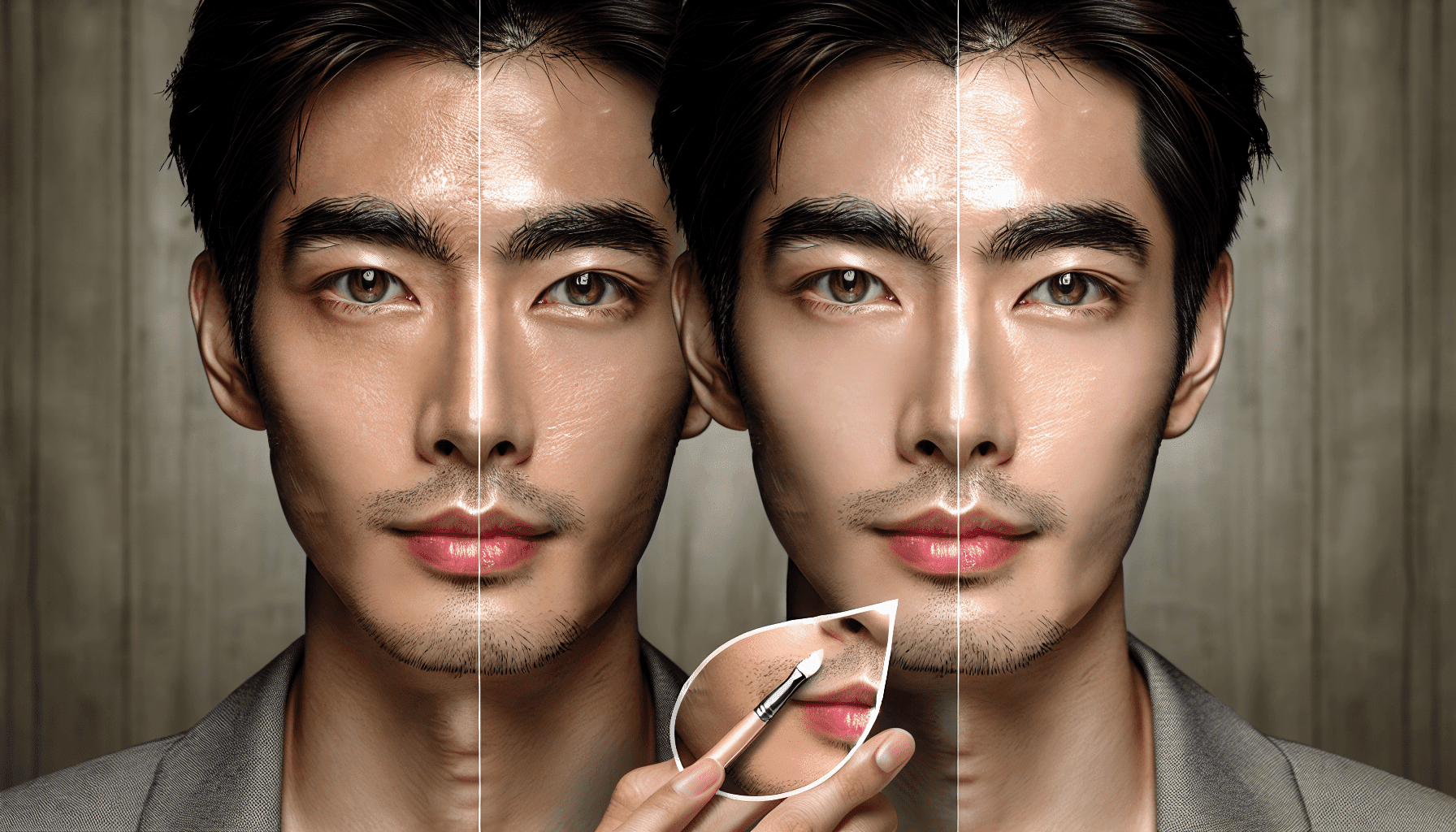
Taking care of your skin is no longer just a women’s concern. Men, it’s time to step up your skincare game! In this article, we will walk you through an essential skincare routine specifically tailored for men. From cleansing to moisturizing, we’ve got you covered. Say goodbye to dull and tired-looking skin, and say hello to a fresh and revitalized complexion. So grab your favorite skincare products and get ready to elevate your grooming routine to the next level.
Cleansing
Choosing a suitable face cleanser
When it comes to cleansing your face, choosing the right cleanser is essential. Look for a cleanser that is specifically formulated for your skin type. If you have oily or acne-prone skin, opt for a cleanser that contains salicylic acid or benzoyl peroxide to help control excess oil and prevent breakouts. For dry or sensitive skin, choose a gentle cleanser that is free from harsh ingredients and fragrances. It’s also important to consider any specific skin concerns you may have, such as aging or hyperpigmentation, and choose a cleanser that addresses those issues.
Washing your face twice a day
To maintain healthy and clean skin, it’s important to wash your face twice a day – once in the morning and once before bed. This helps to remove dirt, oil, and impurities that can accumulate on the skin throughout the day. Use lukewarm water to wet your face, then apply a small amount of cleanser and gently massage it into your skin using circular motions. Rinse thoroughly with water and pat dry with a clean towel. Avoid scrubbing your face too harshly, as this can cause irritation and damage to the skin.
Using lukewarm water
When cleansing your face, it’s best to use lukewarm water. Hot water can strip the skin of its natural oils, leading to dryness and irritation. On the other hand, cold water may not effectively remove dirt and impurities. Lukewarm water helps to open up the pores and allows the cleanser to penetrate the skin more effectively. After rinsing off the cleanser, finish with a splash of cold water to help tighten the pores and refresh the skin.
Exfoliating
Benefits of exfoliating
Exfoliating is an important step in any skincare routine, as it helps to remove dead skin cells and unclog pores, leaving your skin looking brighter and smoother. By getting rid of these dead skin cells, exfoliating also allows other skincare products to penetrate the skin more effectively. Regular exfoliation can improve the tone and texture of your skin, reduce the appearance of fine lines and wrinkles, and prevent breakouts.
Selecting exfoliating products
When selecting exfoliating products, it’s important to choose one that suits your skin type. If you have sensitive skin, opt for a gentler exfoliant, such as a scrub with small particles or a chemical exfoliator with mild ingredients. For oily or acne-prone skin, consider using a product that contains salicylic acid or glycolic acid, as these ingredients can help to control oil production and unclog pores. Remember to exfoliate only once or twice a week, as excessive exfoliation can damage the skin barrier and cause irritation.
Exfoliating once or twice a week
While exfoliating is beneficial for the skin, it’s important not to overdo it. Exfoliating too frequently or vigorously can cause redness, irritation, and damage to the skin. Aim to exfoliate your face once or twice a week, depending on your skin’s needs and tolerance. If you notice any signs of irritation or sensitivity, reduce the frequency or intensity of your exfoliation routine. Always follow up with a moisturizer to hydrate and soothe the skin after exfoliating.
Moisturizing
The importance of moisturizing
Moisturizing is a crucial step in any skincare routine, regardless of your skin type. It helps to hydrate the skin, restore its natural moisture barrier, and protect it from external aggressors. Moisturizers work by locking in moisture and preventing water loss from the skin, keeping it soft, smooth, and supple. Even if you have oily skin, it’s important to moisturize, as lack of hydration can actually lead to increased oil production and breakouts.
Choosing a moisturizer based on skin type
When it comes to choosing a moisturizer, it’s important to consider your skin type and any specific concerns you may have. For dry skin, opt for a rich and hydrating moisturizer that contains ingredients like hyaluronic acid or ceramides. If you have oily or acne-prone skin, look for a lightweight, oil-free moisturizer that won’t clog your pores. Those with sensitive skin should choose a fragrance-free and hypoallergenic moisturizer to minimize the risk of irritation.
Applying moisturizer after cleansing
To get the most out of your moisturizer, it’s best to apply it to clean, damp skin. After cleansing your face, gently pat dry with a towel, leaving a bit of moisture on the skin. This helps to trap the water and lock in hydration. Take a small amount of moisturizer and massage it into your face and neck using upward motions. Pay extra attention to areas that tend to get drier, such as the cheeks and forehead. Allow the moisturizer to fully absorb into the skin before applying any additional products.
Sun Protection
Understanding sun damage
Sun damage is a major cause of skin aging, hyperpigmentation, and even skin cancer. Exposure to harmful UV rays can lead to wrinkles, fine lines, dark spots, and a loss of skin elasticity. It’s important to protect your skin from the sun’s harmful rays to maintain a youthful and healthy complexion. Even on cloudy days or during winter, UV rays can still penetrate the skin, so sunscreen should be a part of your daily skincare routine year-round.
Using sunscreen with broad-spectrum protection
When it comes to choosing a sunscreen, opt for one with broad-spectrum protection, which means it protects against both UVA and UVB rays. UVA rays are responsible for skin aging, while UVB rays cause sunburns. Look for a sunscreen with an SPF (sun protection factor) of at least 30, and apply it generously to all exposed areas of your body, including your face, neck, and ears. Remember to reapply every two hours, especially if you’re outside or sweating heavily.
Reapplying sunscreen every two hours
Regardless of how high the SPF is or how water-resistant the sunscreen claims to be, it’s important to reapply it every two hours, as well as immediately after swimming or excessive sweating. This is because sunscreen can break down over time and may not provide adequate protection if not reapplied regularly. Carry a travel-sized sunscreen with you to ensure you can reapply throughout the day, and don’t forget to protect your lips with a lip balm that contains SPF.
Shaving
Prepping the skin before shaving
Properly prepping your skin before shaving can help to achieve a smooth and comfortable shave while reducing the risk of irritation and razor burn. Start by washing your face with a gentle cleanser to remove any dirt and oil. Then, apply a warm towel or use a pre-shave oil to soften the facial hair and open up the pores. This will make it easier for the razor to glide smoothly across the skin and minimize the chances of ingrown hairs.
Selecting a quality razor
Choosing the right razor is crucial for a good shaving experience. Consider using a razor with multiple blades, as they provide a closer shave and minimize the need for multiple passes over the same area. Replace your razor blades regularly to ensure sharpness and prevent irritation. If you have sensitive skin, consider using a razor specifically designed for sensitive skin or one that is equipped with a moisturizing strip to soothe and protect the skin.
Using shaving cream or gel
Using a shaving cream or gel can help to lubricate the skin and provide a protective barrier between the razor and your skin. This reduces friction and prevents irritation and razor burn. Apply a small amount of shaving cream or gel to your face and work it into a lather, either using your hands or a shaving brush. Make sure to cover all areas that you plan to shave, and allow the product to sit on your skin for a minute or two before starting to shave.
Post-Shave Care
Applying an aftershave lotion or balm
After shaving, it’s important to soothe and moisturize your skin to minimize irritation and redness. Use an aftershave lotion or balm that is alcohol-free, as alcohol can dry out and irritate the skin. Look for a product that contains soothing ingredients like aloe vera or chamomile to calm the skin and reduce inflammation. Gently massage the aftershave lotion or balm into your skin, focusing on areas that may be more prone to irritation, such as the neck and jawline.
Avoiding products with alcohol
As mentioned earlier, it’s best to avoid products that contain alcohol, as they can strip the skin of its natural oils and cause dryness and irritation. Alcohol-based aftershaves can sting and worsen any existing razor burn or inflammation. Opt for alcohol-free alternatives, such as aftershave balms or lotions, which are gentler on the skin and offer moisturizing benefits. If you prefer a refreshing sensation, look for aftershaves that contain menthol or natural cooling agents.
Using a moisturizer for sensitive skin
If you have sensitive skin, it’s important to use a moisturizer specifically formulated for your skin type after shaving. Look for a fragrance-free and hypoallergenic moisturizer that is gentle and won’t cause further irritation. Moisturizing is especially important after shaving, as it helps to hydrate and replenish the skin, promoting healing and preventing dryness. Applying a moisturizer with soothing ingredients like chamomile or oat extract can provide additional relief for sensitive skin.
Eye Care
Reducing puffiness and dark circles
The skin around the eyes is delicate and prone to puffiness and dark circles. To reduce these concerns, consider incorporating eye care products into your skincare routine. Look for eye creams or serums that contain ingredients like caffeine or green tea extract, as they can help to reduce puffiness and tighten the skin. Applying a cool compress or chilled eye mask for a few minutes can also provide instant relief by constricting blood vessels and reducing swelling.
Using an eye cream with anti-aging properties
As men age, fine lines, wrinkles, and crow’s feet may start to appear around the eyes. To combat these signs of aging, it’s beneficial to use an eye cream or serum with anti-aging properties. Look for ingredients like retinol or peptides, which can help to stimulate collagen production and smooth out fine lines. These products can also help to brighten the under-eye area and reduce the appearance of dark circles, giving you a more youthful and refreshed appearance.
Avoiding rubbing or tugging the delicate skin around the eyes
The skin around the eyes is extremely delicate and easily damaged. Avoid rubbing or tugging at this area, as it can lead to premature wrinkles and sagging. When applying eye cream or any other products, use your ring finger or the pad of your finger to gently tap or dab the product into your skin. This minimizes unnecessary friction and ensures that the product is absorbed without causing any harm to the delicate skin around the eyes.
Lip Care
Exfoliating lips to remove dead skin
Lip care is often overlooked, but it’s an essential part of a skincare routine for men. Exfoliating your lips helps to remove dead skin cells and reveal smoother, softer lips. You can use a gentle lip scrub or make your own by mixing sugar with a small amount of honey or olive oil. Gently massage the scrub onto your lips in circular motions for a minute or two, then rinse off with warm water. Follow up with a lip balm to keep your lips moisturized.
Using a lip balm with SPF
Just like the rest of your skin, your lips also need protection from the sun’s harmful UV rays. Look for a lip balm that contains SPF to shield your lips from sun damage. Apply the lip balm generously throughout the day, especially before going outdoors. Reapply after eating or drinking to maintain sun protection. Using a lip balm with SPF not only helps to prevent chapping and dryness but also reduces the risk of developing lip cancer.
Keeping lips moisturized throughout the day
Lips can become dry and chapped due to various factors, including weather conditions, dehydration, and licking your lips. To keep your lips moisturized and prevent dryness, make it a habit to apply lip balm throughout the day. Look for a lip balm that contains hydrating ingredients like shea butter or coconut oil. Applying a lip balm before bed can also help to nourish your lips overnight and ensure you wake up to softer and smoother lips.
Hydration
Drinking enough water for hydrated skin
One of the simplest yet most effective ways to achieve hydrated skin is by drinking enough water. Water helps to keep your skin plump, smooth, and supple from the inside out. Aim to drink at least eight glasses of water a day, or more if you are physically active or live in a hot climate. If you find it difficult to drink plain water, you can infuse it with fruits or herbs for added flavor. Staying hydrated not only benefits your skin but also promotes overall health and well-being.
Reducing alcohol and caffeine consumption
While enjoying a drink or a cup of coffee is perfectly fine, excessive alcohol and caffeine consumption can dehydrate your skin. Both alcohol and caffeine act as diuretics, causing your body to lose water and leading to dry skin. To maintain hydrated skin, it’s important to moderate your intake of alcohol and caffeine. Opt for herbal teas or infused water instead of caffeinated beverages, and limit your alcohol consumption to recommended guidelines.
Using hydrating skincare products
In addition to staying hydrated from within, using hydrating skincare products can further enhance your skin’s moisture levels. Look for products that contain hyaluronic acid, glycerin, or ceramides, as these ingredients are known for their hydrating properties. Using a hydrating serum or moisturizer can replenish the skin’s moisture barrier and provide long-lasting hydration. For an extra boost, consider incorporating a hydrating sheet mask into your skincare routine once or twice a week.
Healthy Lifestyle Habits
Getting enough sleep for skin regeneration
Getting enough sleep is crucial for skin regeneration and overall health. During sleep, your body repairs and rejuvenates itself, including the skin. Lack of sleep can lead to dull, tired-looking skin, as well as increased stress levels, which can contribute to skin issues like acne and eczema. Aim for seven to nine hours of quality sleep each night to give your skin a chance to regenerate and your body to recharge.
Eating a balanced diet for nourished skin
Eating a balanced diet rich in vitamins, minerals, and antioxidants is essential for nourished and healthy skin. Incorporate a variety of fruits, vegetables, whole grains, lean proteins, and healthy fats into your meals. These foods provide essential nutrients that promote skin health and repair, such as vitamins A, C, E, and omega-3 fatty acids. Avoid excessive consumption of processed foods, sugary snacks, and greasy foods, as they can contribute to skin inflammation and breakouts.
Exercising regularly to improve blood circulation
Regular exercise not only benefits your overall health but also improves blood circulation, which is important for healthy skin. When you exercise, blood flow increases, delivering oxygen and nutrients to the skin cells and carrying away waste products. This increased blood circulation promotes a healthy complexion and a natural glow. Aim for at least 30 minutes of moderate-intensity exercise most days of the week, whether it’s cardio, strength training, or activities like yoga or swimming.
By following this comprehensive skincare routine, you can achieve and maintain healthy, clear, and youthful-looking skin. Remember to choose products that suit your skin type, protect your skin from the sun, and prioritize hydration and overall health. With consistent effort and care, you can have skin that looks and feels its best.