
Welcome to the ultimate guide to men’s occupational health and safety! In this article, you will learn important tips and information to help keep you safe and healthy in the workplace. From proper lifting techniques to the importance of regular safety inspections, we’ve got you covered. So sit back, relax, and let’s dive into the world of men’s occupational health and safety together.
Guide To Men’s Occupational Health And Safety
Have you ever wondered how you can better protect yourself at work and stay healthy? In this guide, we’ll be discussing everything you need to know about men’s occupational health and safety. From understanding potential hazards to taking preventive measures, we’ve got you covered.
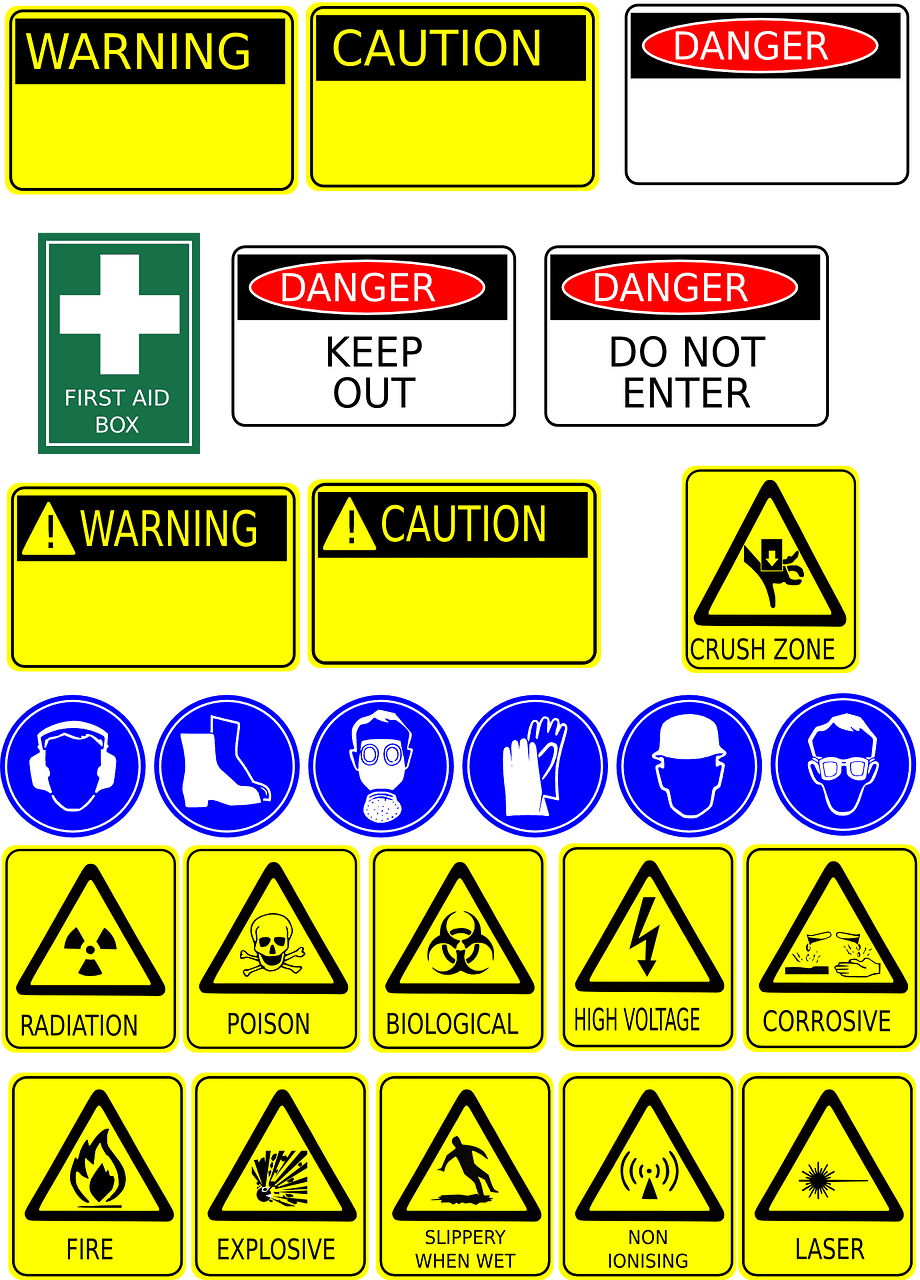
Understanding Men’s Occupational Health
Let’s start by understanding the importance of men’s occupational health. Men tend to dominate industries like construction, manufacturing, and transportation, which are known to have higher risks of workplace injuries and accidents. It’s crucial for men to prioritize their health and safety in these environments.
As a man working in these industries, it’s essential to be aware of the potential health hazards you may face on a daily basis. By understanding these risks, you can take proactive steps to protect yourself and prevent any workplace-related illnesses or injuries.
Common Workplace Hazards for Men
In many male-dominated industries, there are common workplace hazards that men should be aware of. These hazards can range from physical injuries due to heavy lifting or machinery operation to exposure to harmful chemicals or fumes. It’s important to be familiar with these risks to minimize any potential harm to your health.
Here are some of the common workplace hazards that men may encounter:
| Hazard | Description |
|---|---|
| Heavy Lifting | Risk of back injuries and strains |
| Machinery | Potential for injuries from equipment |
| Chemical Exposure | Health risks from exposure to harmful substances |
| Noise Pollution | Hearing damage from loud machinery or tools |
Understanding these common hazards can help you take the necessary precautions to protect yourself and stay safe at work.
Preventive Measures for Men’s Occupational Health
Now that you’re aware of the potential hazards you may face at work, let’s discuss some preventive measures you can take to safeguard your health and well-being. By implementing these strategies, you can reduce the risks of workplace injuries and illnesses.
Personal Protective Equipment (PPE)
One of the most effective ways to protect yourself at work is by using the appropriate personal protective equipment (PPE). This can include safety goggles, gloves, hard hats, earplugs, and masks, depending on the nature of your job. Always make sure to wear your PPE properly and consistently to minimize any potential risks.
Ergonomic Workstations
Creating an ergonomic workstation can help reduce the strain on your body and prevent musculoskeletal injuries. Make sure your workstation is set up correctly to promote good posture and minimize the risk of back, neck, and wrist injuries. Adjust your chair, desk, and computer monitor to suit your body’s needs.
Regular Breaks and Stretching
Taking regular breaks throughout your workday can help relieve stress on your body and prevent fatigue. Use these breaks to stretch and move around to maintain your flexibility and prevent muscle strains. Incorporating stretching exercises into your daily routine can also help improve your mobility and reduce the risk of injuries.
Proper Training and Education
Ensure that you receive proper training and education on workplace safety protocols and procedures. Familiarize yourself with the safety guidelines specific to your industry and follow them diligently. Stay informed about any new developments or changes in safety regulations to ensure that you’re up-to-date on the best practices for protecting your health.
Mental Health in the Workplace
In addition to physical health, it’s essential to prioritize your mental well-being in the workplace. Men working in high-stress environments may be at risk of experiencing mental health issues like anxiety, depression, or burnout. Taking care of your mental health is just as important as taking care of your physical health.
Stress Management Techniques
Practice stress management techniques like deep breathing, meditation, or mindfulness to help reduce feelings of stress and anxiety at work. Engage in activities that help you relax and unwind, such as exercise, hobbies, or spending time with loved ones. Taking breaks when needed and setting boundaries between work and personal life can also help manage stress levels.
Communication and Support
Don’t be afraid to reach out for support if you’re feeling overwhelmed or struggling with your mental health. Talk to your supervisor, colleagues, or a mental health professional about how you’re feeling. Building a support network within your workplace can provide you with the help and resources you need to maintain your mental well-being.
Work-Life Balance
Maintaining a healthy work-life balance is crucial for your overall well-being. Make time for activities outside of work that bring you joy and relaxation. Set boundaries around your work hours and ensure that you’re prioritizing self-care and personal time. Finding a balance between your professional responsibilities and personal life can help prevent burnout and promote mental wellness.

Conclusion
In conclusion, prioritizing your occupational health and safety as a man is essential for your overall well-being. By understanding the potential hazards you may face at work, taking preventive measures, and focusing on both your physical and mental health, you can create a safe and healthy work environment for yourself. Remember to stay informed, communicate with others, and prioritize self-care to protect your health and well-being in the workplace.