
Welcome to an exploration of the fascinating world of Traditional Chinese Medicine (TCM)! In this article, you will discover the science behind age-old practices such as acupuncture, herbal medicine, and qi gong. TCM has been around for thousands of years and continues to gain recognition and adoption in modern healthcare. Join us as we delve into the principles and benefits of this holistic approach to healing and wellness.
The Science Behind Traditional Chinese Medicine
Have you ever wondered about the secrets behind Traditional Chinese Medicine (TCM)? In this article, we will uncover the science behind this ancient and holistic approach to health and wellness. From acupuncture to herbal remedies, we will explore how TCM principles can be explained through modern scientific understanding.
Understanding the Foundations of Traditional Chinese Medicine
Traditional Chinese Medicine is rooted in the belief that the body’s vital energy, known as Qi (pronounced chee), flows through meridians or pathways. These meridians connect different organs and systems, and an imbalance in Qi can lead to health issues. TCM aims to restore balance through various modalities such as acupuncture, herbal medicine, and qigong.
Did you know that TCM has been practiced for thousands of years and is based on a deep understanding of nature and the human body? The principles of TCM emphasize the interconnectedness of body, mind, and spirit, viewing health as a harmonious balance of Yin and Yang energies.
The Role of Acupuncture in Traditional Chinese Medicine
One of the most well-known practices of TCM is acupuncture, which involves the insertion of thin needles into specific points on the body to stimulate Qi flow. Acupuncture points are located along meridians, and each point has a specific function in restoring balance to the body.
Acupuncture has been studied extensively in modern research, and studies have shown that it can help with a variety of conditions, including chronic pain, anxiety, and digestive issues. The science behind acupuncture suggests that it may stimulate the nervous system, release endorphins, and modulate inflammatory responses.
The Power of Herbal Medicine in Traditional Chinese Medicine
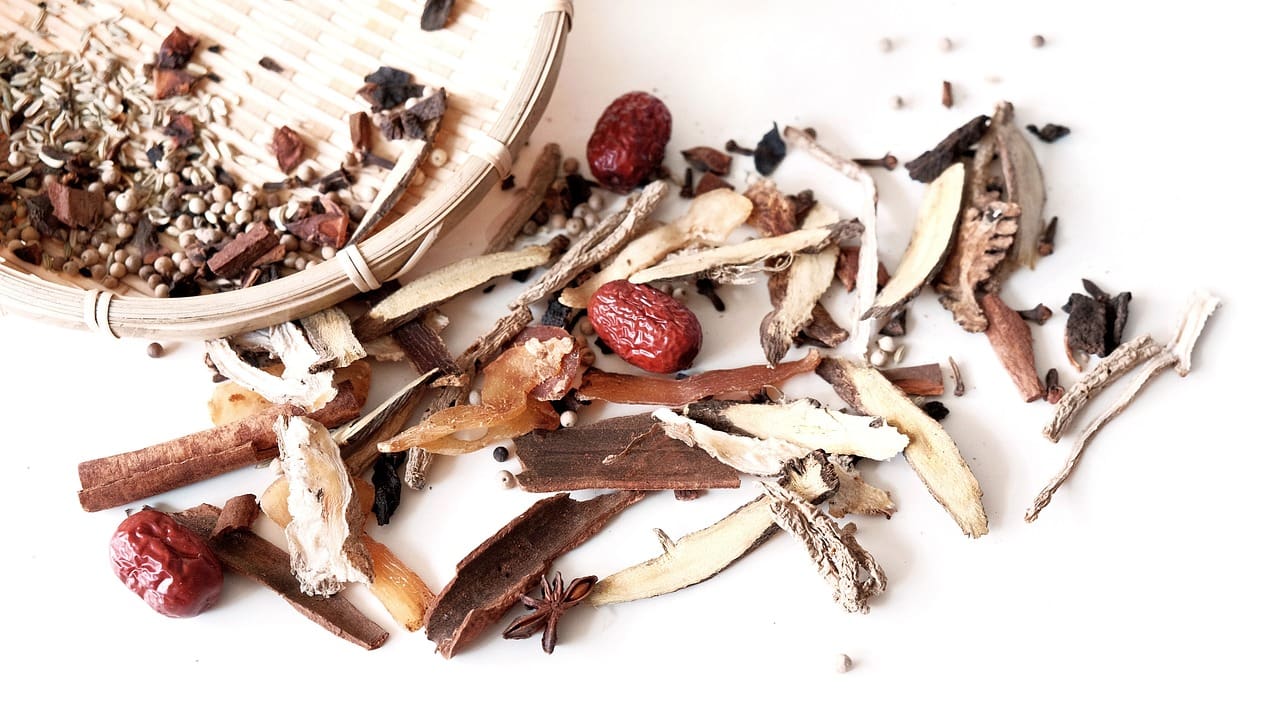
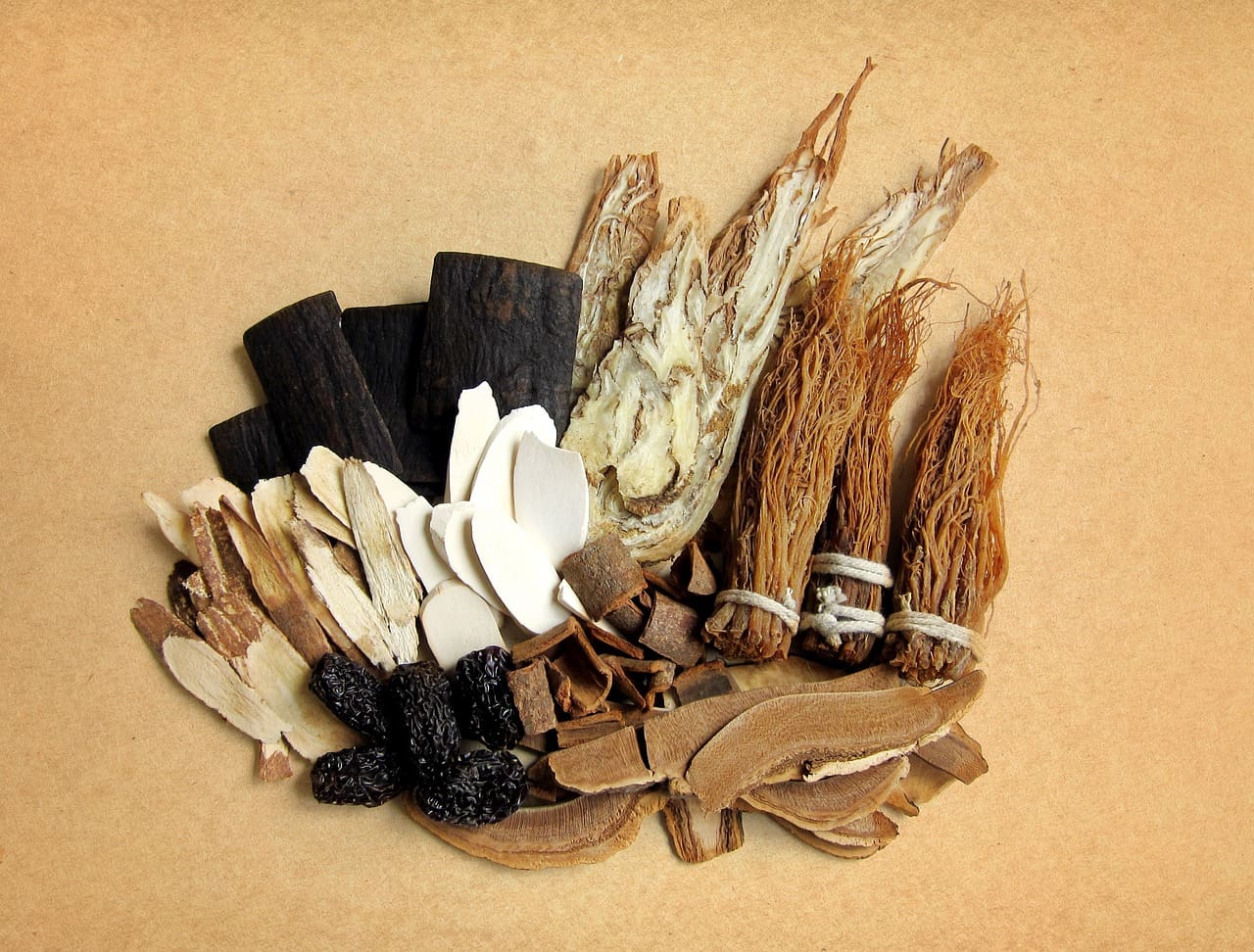
Another cornerstone of TCM is the use of herbal medicine, which involves prescribing plant-based remedies to address specific health concerns. Chinese herbal formulas are carefully crafted to restore balance in the body and support its natural healing processes.
Many herbs used in TCM have been scientifically studied and shown to have medicinal properties. For example, ginseng has been found to have antioxidant and anti-inflammatory effects, while ginger is known for its anti-nausea properties. The synergy of multiple herbs in a formula is believed to enhance their therapeutic effects.
The Practice of Qigong in Traditional Chinese Medicine
Qigong is a mind-body practice that combines movement, meditation, and breathwork to cultivate Qi energy and promote health and well-being. This ancient practice is said to help balance emotions, improve circulation, and enhance vitality.
Research on qigong has demonstrated its benefits for various health conditions, including hypertension, anxiety, and chronic pain. The practice is believed to boost the body’s immune system, reduce stress levels, and improve mental clarity.

Exploring the Modern Science Behind Traditional Chinese Medicine
As modern science advances, researchers have begun to uncover the mechanisms behind Traditional Chinese Medicine practices. From acupuncture to herbal medicine, new studies are shedding light on how TCM can influence the body at the cellular and molecular levels.
Acupuncture and the Nervous System
Acupuncture is thought to influence the nervous system in several ways. Research has shown that acupuncture can stimulate the release of neurotransmitters such as endorphins, which are the body’s natural painkillers. Acupuncture may also modulate the activity of the autonomic nervous system, which controls functions like heart rate and digestion.
Studies using functional MRI have provided insights into how acupuncture affects the brain. Acupuncture points are believed to correspond to specific brain regions, and needling these points can trigger neural responses that may help alleviate pain and promote relaxation.
Herbal Medicine and Pharmacology
The pharmacological properties of Chinese herbs have been a subject of interest for researchers around the world. Many herbs used in TCM have been found to contain bioactive compounds that can have therapeutic effects on the body.
For example, the herb Astragalus has been studied for its immune-boosting properties, while Reishi mushroom is known for its antioxidant and anti-inflammatory effects. By isolating and studying these active compounds, researchers hope to unlock the full potential of traditional herbal medicine.
Qigong and Stress Response
Qigong practices have been shown to have a profound impact on the body’s stress response. Studies have found that qigong can reduce levels of cortisol, the stress hormone, and promote relaxation through its focus on deep breathing and mindfulness.
Research on qigong has also suggested that it can improve heart rate variability, a marker of cardiovascular health, and enhance immune function by increasing the production of white blood cells. The combination of movement, meditation, and breathwork in qigong may offer a holistic approach to stress management and overall well-being.
Integrating Traditional Chinese Medicine with Modern Healthcare
The integration of Traditional Chinese Medicine with modern healthcare is gaining recognition as a holistic approach to wellness. Many healthcare providers now offer acupuncture, herbal medicine, and qigong as complementary therapies to conventional treatments.
Acupuncture in Pain Management
Acupuncture has become increasingly popular in the field of pain management, with many patients seeking it as an alternative to pain medication. Research has shown that acupuncture can be effective for conditions such as back pain, migraines, and arthritis.
By stimulating the nervous system and releasing endorphins, acupuncture can help reduce pain and inflammation, improve circulation, and promote relaxation. Many pain clinics now offer acupuncture as part of their treatment options, recognizing its potential as a safe and drug-free alternative.
Herbal Medicine in Chronic Diseases
The use of herbal medicine in managing chronic diseases is another area where TCM can complement modern healthcare. Chinese herbal formulas have been used for centuries to support the treatment of conditions such as diabetes, hypertension, and autoimmune disorders.
By targeting the root causes of disease and promoting overall balance in the body, herbal medicine can help improve symptoms and reduce the risk of complications. Integrative healthcare clinics often offer herbal consultations as part of a comprehensive treatment plan for chronic conditions.
Qigong for Mind-Body Wellness
Qigong practices are increasingly recognized for their benefits in promoting mind-body wellness and stress management. Many wellness centers now offer qigong classes as a means to reduce stress, improve sleep, and enhance overall vitality.
The gentle movements, deep breathing, and mindful awareness in qigong can help calm the mind, relax the body, and cultivate Qi energy. Integrating qigong into a regular wellness routine can support mental health, emotional well-being, and resilience in the face of life’s challenges.
Conclusion
The science behind Traditional Chinese Medicine continues to evolve as researchers uncover the mechanisms behind its ancient practices. From acupuncture to herbal medicine to qigong, TCM offers a holistic approach to health and wellness that addresses the interconnected nature of body, mind, and spirit.
By integrating TCM with modern healthcare, patients can access a wider range of treatment options that support their overall well-being. Whether you’re seeking pain relief, managing a chronic condition, or simply looking to improve your quality of life, consider exploring the science behind Traditional Chinese Medicine and how it can benefit you.