
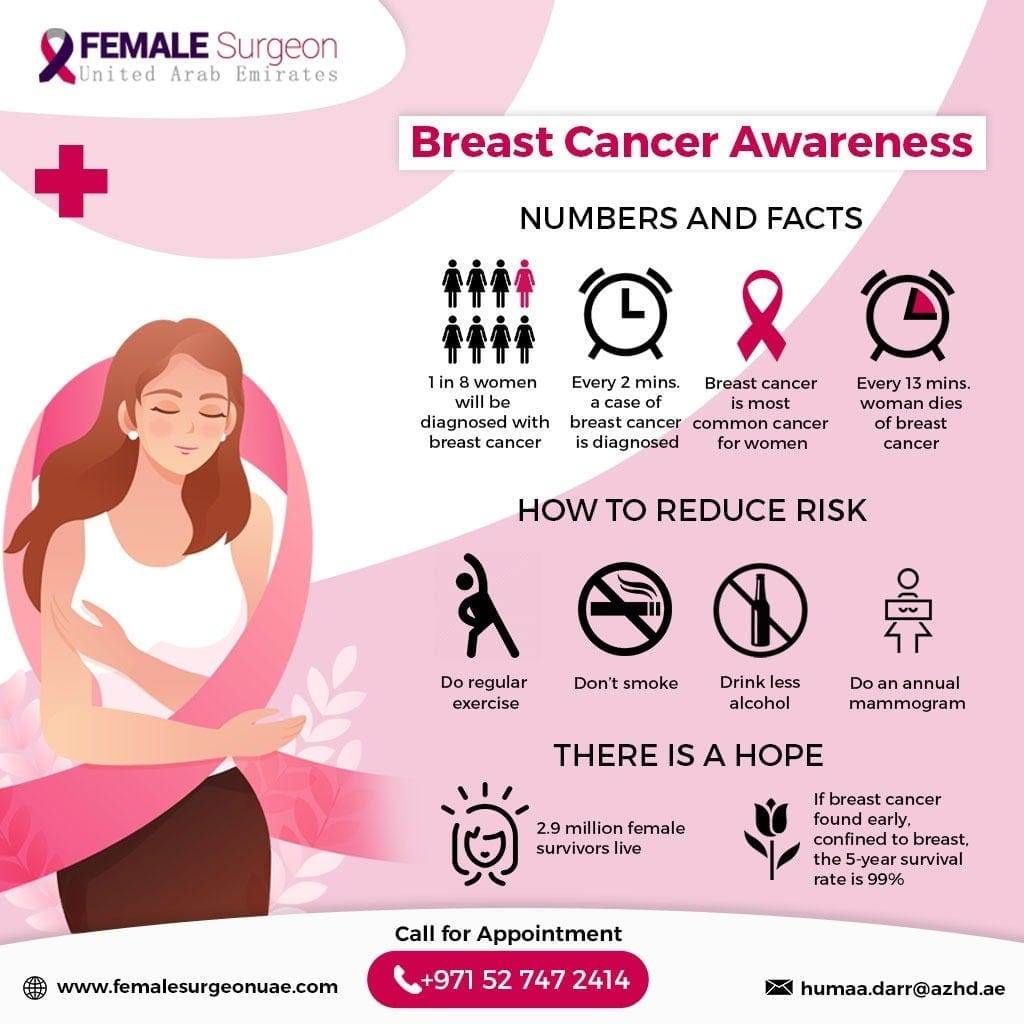
Hello there! In this article, you will find essential tips for maintaining breast health and preventing cancer. Taking care of your breasts is important for overall well-being, and by following these recommendations, you can take proactive steps towards reducing your risk of breast cancer. From regular self-exams to maintaining a healthy lifestyle, these tips will guide you towards better breast health and prevention strategies. Let’s dive in and prioritize your breast health today! Did you know that breast cancer is the second most common cancer in women worldwide, with nearly 1 in 8 women being diagnosed with breast cancer in their lifetime? Taking care of your breast health and implementing prevention strategies is crucial in reducing your risk of developing breast cancer. In this article, you will find essential tips for maintaining breast health and preventing breast cancer.
Understanding Breast Health
Your breast health is a crucial aspect of your overall well-being. Understanding how to monitor and care for your breasts is the first step in preventing breast cancer.
Self-Exams
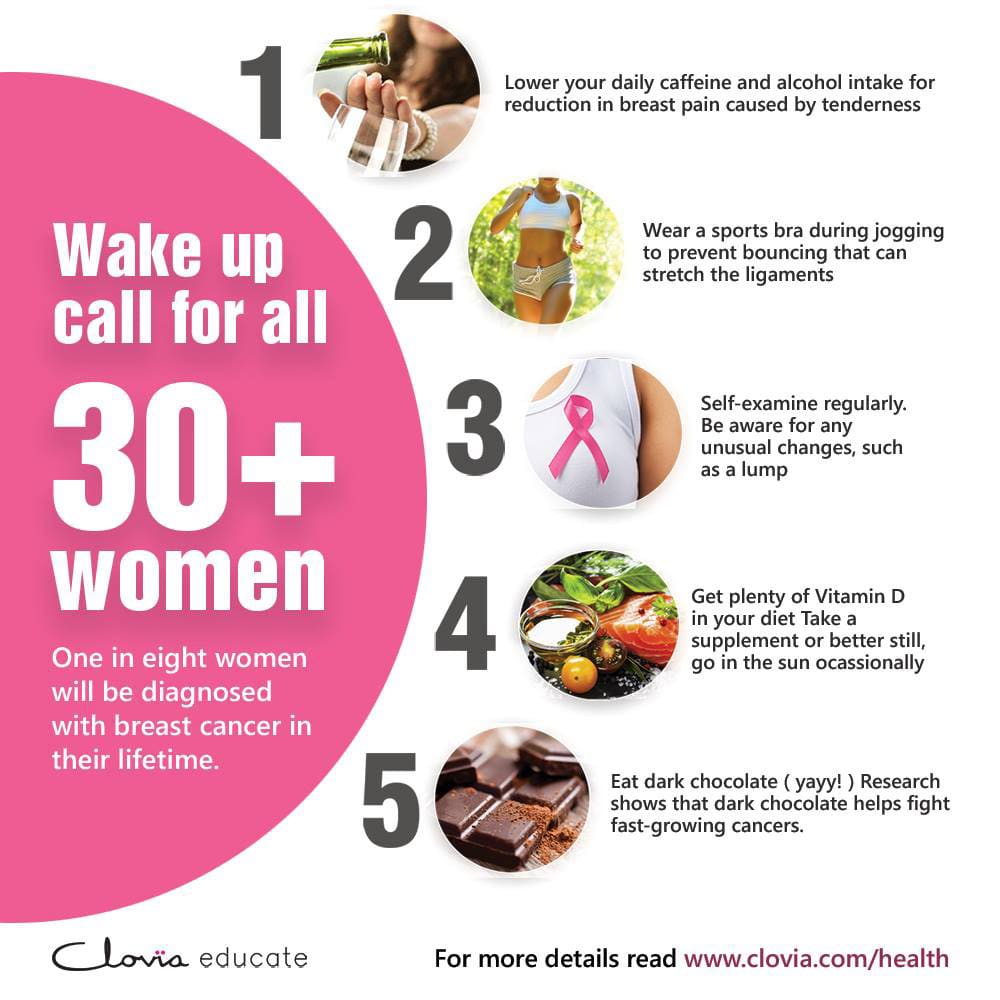
Performing regular breast self-exams is key in detecting any changes in your breasts. Make it a habit to perform a breast self-exam at the same time each month, ideally a few days after your menstrual cycle when your breasts are less tender and swollen. Look for any lumps, dimpling, redness, or changes in shape, and report any abnormalities to your healthcare provider.
Clinical Exams
In addition to self-exams, it is essential to have regular clinical breast exams conducted by a healthcare professional. They can detect any abnormalities that you may have missed during your self-exam and provide guidance on further evaluation if needed.
Healthy Lifestyle Choices
Making healthy lifestyle choices plays a significant role in reducing your risk of developing breast cancer.
Maintain a Healthy Weight
Being overweight or obese increases your risk of breast cancer, especially after menopause. Maintain a healthy weight through a balanced diet and regular exercise to reduce your risk.
Eat a Nutritious Diet
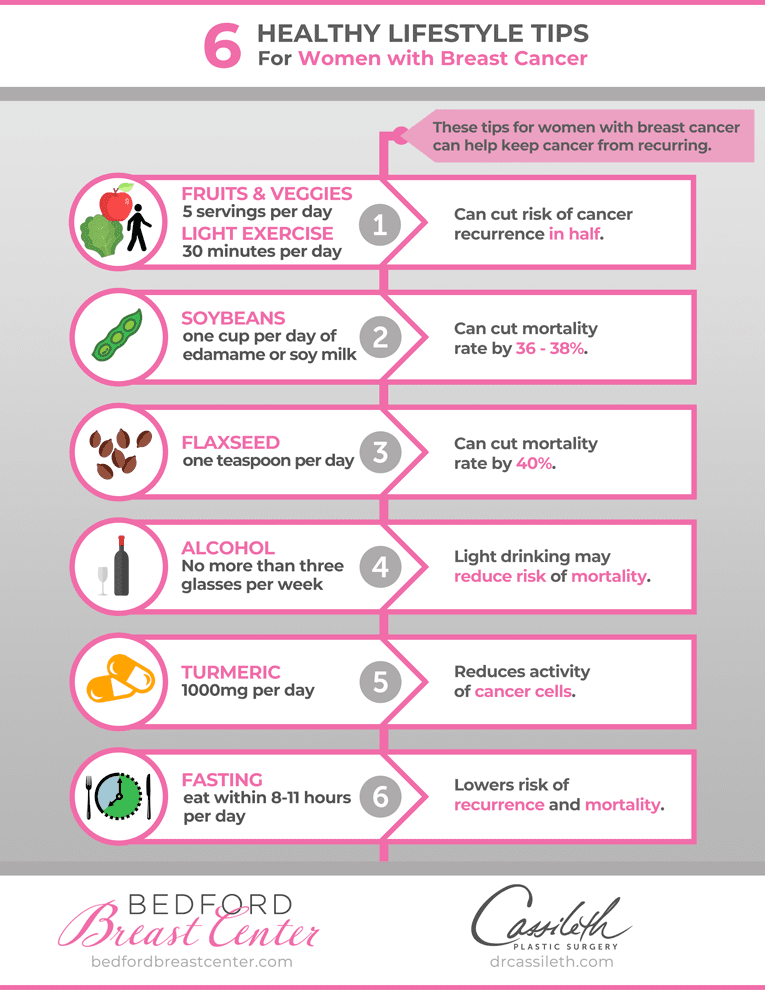
A diet rich in fruits, vegetables, whole grains, and lean proteins can help support your overall health, including breast health. Limiting processed foods, sugars, and unhealthy fats can also contribute to a lower risk of developing breast cancer.
Limit Alcohol Consumption
Alcohol consumption has been linked to an increased risk of breast cancer. If you choose to drink alcohol, limit your intake to no more than one drink per day.

Screenings and Early Detection
Early detection is key in treating breast cancer successfully. Regular screenings can help detect breast cancer in its early stages when treatment has a higher chance of being successful.
Mammograms
Mammograms are an essential tool in detecting breast cancer early. The American Cancer Society recommends that women aged 40 and older have yearly mammograms to screen for breast cancer. Talk to your healthcare provider about when to start screening based on your individual risk factors.
Genetic Testing
If you have a family history of breast cancer or carry the BRCA gene mutation, you may be at a higher risk of developing breast cancer. Consider genetic testing to assess your risk and make informed decisions about preventive measures.
Breast MRI
In some cases, healthcare providers may recommend a breast MRI in addition to mammograms for women at a higher risk of breast cancer. This imaging test can provide a more detailed view of the breast tissue and aid in early detection.
Hormone Replacement Therapy (HRT)
Hormone replacement therapy, often used to relieve menopausal symptoms, has been linked to an increased risk of breast cancer. If you are considering HRT, discuss the risks and benefits with your healthcare provider to make an informed decision.
Alternative Therapies
If you are looking for alternative therapies to manage menopausal symptoms without the risks associated with HRT, options such as acupuncture, herbal supplements, and lifestyle changes may be beneficial. Always consult with a qualified healthcare provider before starting any alternative therapies.
Breastfeeding
Breastfeeding not only provides numerous health benefits for your baby but also offers benefits for your breast health.
Reduced Breast Cancer Risk
Studies have shown that breastfeeding can reduce the risk of developing breast cancer, especially in premenopausal women. The longer you breastfeed, the greater the protective effect may be.
Healthy Breast Changes
Breastfeeding promotes healthy changes in breast tissue that may help reduce the risk of developing breast cancer later in life. It also helps reduce the risk of other breast-related conditions, such as mastitis and clogged ducts.
Support Network
Having a strong support network can play a crucial role in your breast health journey, from diagnosis to treatment and beyond.
Emotional Support
Dealing with a breast cancer diagnosis can be overwhelming, both emotionally and physically. Surround yourself with friends, family, healthcare providers, and support groups to help you navigate this challenging time.
Educational Resources
Educate yourself about breast health, breast cancer, and prevention strategies. Knowledge is power, and being informed about your options can help you make the best decisions for your health.
Conclusion
Taking care of your breast health and implementing prevention strategies can significantly reduce your risk of developing breast cancer. By understanding your breast health, making healthy lifestyle choices, seeking regular screenings, and having a strong support network, you can empower yourself to take control of your breast health journey. Remember, your breast health matters, so prioritize it and make it a priority in your overall well-being. If you have any concerns about your breast health or risk of breast cancer, always consult with a qualified healthcare provider for personalized guidance and support.