

Are you someone who struggles with joint pain but still wants to stay active? Look no further, because this article has got you covered! In “Exercising With Joint Pain: Tips for Management”, you will find practical advice and strategies to help you effectively manage joint pain while engaging in exercise. Whether you’re a seasoned fitness enthusiast or just starting out on your wellness journey, these tips will help you move with more ease and comfort, allowing you to enjoy the benefits of exercise without the added discomfort. So, let’s dive right in and discover how you can stay active and healthy while dealing with joint pain.
Consult a healthcare professional
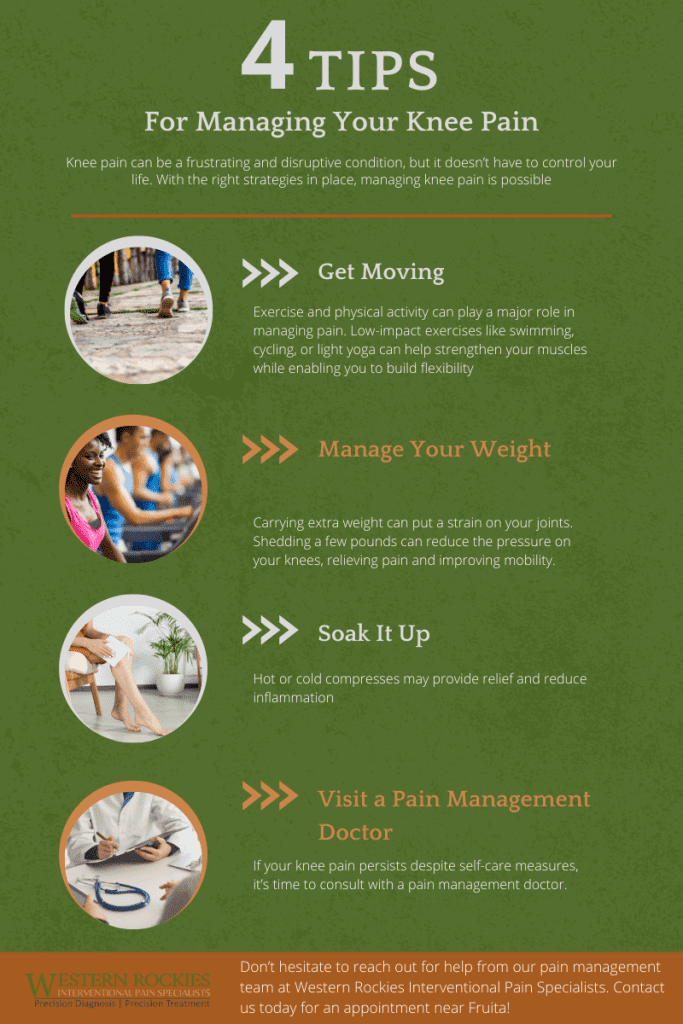
If you’re experiencing joint pain and want to start exercising, it’s important to consult a healthcare professional first. Schedule an appointment with a doctor who specializes in orthopedics or sports medicine. They will be able to provide you with a proper diagnosis, determine the underlying cause of your joint pain, and recommend the most appropriate exercises for your condition. Additionally, seeking advice from a physical therapist can be incredibly beneficial. A physical therapist will be able to assess your joint function, create a tailored exercise plan, and guide you through proper form and technique.
Choose low-impact exercises
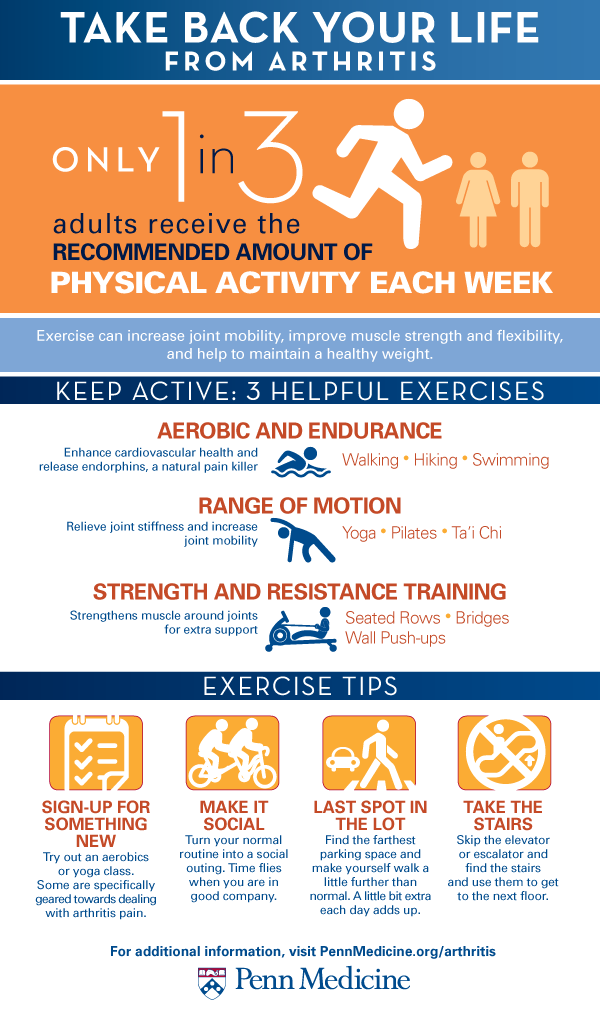
When it comes to exercising with joint pain, it’s important to focus on low-impact activities that reduce stress on your joints while still providing health benefits. Three excellent low-impact exercises to consider are swimming, cycling, and walking. Swimming is a fantastic option as it provides a full-body workout without putting pressure on your joints. Cycling, either outdoors or on a stationary bike, is another low-impact exercise that can improve cardiovascular health and strengthen your leg muscles. Finally, walking is a simple yet effective way to stay active and can easily be adjusted to match your fitness level.

Warm up before exercising
Before diving into your exercise routine, it’s crucial to warm up properly. A warm-up session helps increase blood flow to your muscles and joints, preparing them for the upcoming activity. One effective warm-up method is performing dynamic stretches. Dynamic stretches involve fluid movements that gently stretch your muscles and increase your range of motion. Another warm-up technique is heat therapy, which can be done through the use of a warm towel or heat pack applied to the affected joint. Lastly, utilizing a foam roller before exercising can provide myofascial release, helping to relax and loosen tight muscles.
Focus on strength training
Building strength and stability around your joints is key to managing joint pain during exercise. Start with light weights and gradually increase the intensity as your muscles become stronger. It’s important to use proper form and technique when performing strength training exercises to avoid putting unnecessary strain on your joints. Consider working with a personal trainer or fitness professional to ensure you are using correct form. Gradually increasing your strength can help improve joint function, reduce pain, and prevent future injuries.
Include flexibility exercises
Flexibility exercises are crucial for maintaining joint mobility and reducing stiffness. Incorporating regular flexibility exercises into your routine can help improve your overall joint health. Yoga is a great option for increasing flexibility and promoting relaxation. There are various styles of yoga, so choose one that suits your needs and abilities. Gentle stretching routines can also be highly beneficial, especially those that focus on the muscles surrounding your affected joints. Resistance bands can be utilized during stretching exercises to provide gentle resistance and aid in promoting flexibility.
Listen to your body
When exercising with joint pain, it’s essential to listen to your body and pay attention to pain levels. While some discomfort is normal when starting a new exercise routine, persistent or increasing pain could be a sign that you are overdoing it. It’s important to modify or stop exercises if necessary to prevent further damage. Additionally, allowing for proper rest and recovery is crucial for joint health. Make sure to give your body enough time to recuperate between exercise sessions, and don’t hesitate to take additional rest days if needed.

Use supportive devices
Incorporating supportive devices can provide additional stability and relief for your joints while exercising. Knee braces or compression sleeves can be worn to provide extra support and reduce pain during activities that put stress on your knees. Orthotic shoe inserts can help correct alignment and provide cushioning, reducing the impact on your joints while walking or running. If needed, walking aids such as canes or walkers can also be utilized to take some weight off your joints and provide additional balance.
Manage your weight
Maintaining a healthy body weight is crucial for managing joint pain during exercise. Excess weight puts additional stress on your joints, increasing the risk of pain and injury. By maintaining a healthy BMI (body mass index), you can reduce the strain on your joints and improve overall joint function. Following a balanced diet is key to managing your weight and providing your body with the necessary nutrients for joint health. If you’re unsure about proper nutrition, consulting a nutritionist can help create a personalized meal plan that supports your joint health goals.
Alternate between high and low-impact activities
Adding variety to your exercise routine by alternating between high and low-impact activities can help reduce the strain on your joints while still providing a well-rounded workout. For example, you can combine activities like swimming, which is low-impact, with weight lifting, which is higher impact. This allows you to work on cardiovascular fitness while also building strength. It’s also beneficial to switch between cardio exercises and strength training throughout the week, giving your joints varied stress levels and preventing overuse injuries.
Consider aquatic exercises
Aquatic exercises, performed in water, can be highly beneficial for individuals with joint pain. The buoyancy of water reduces the impact on your joints, making it an ideal environment for exercise. Engaging in water aerobics can provide a low-impact cardiovascular workout while also strengthening your muscles. Aqua jogging or aqua cycling are other great options, as they mimic the movements of land-based exercises while reducing the stress on your joints. Taking advantage of the unique properties of water can help you stay active and manage joint pain effectively.
In conclusion, exercising with joint pain is possible with the right approach. By consulting a healthcare professional, choosing low-impact exercises, warming up properly, focusing on strength training, incorporating flexibility exercises, listening to your body, using supportive devices, managing your weight, alternating between high and low-impact activities, and considering aquatic exercises, you can find a fitness routine that works for you while minimizing discomfort and protecting your joint health. Remember to start slowly, gradually increase your intensity, and always prioritize your health and well-being throughout your exercise journey.
