
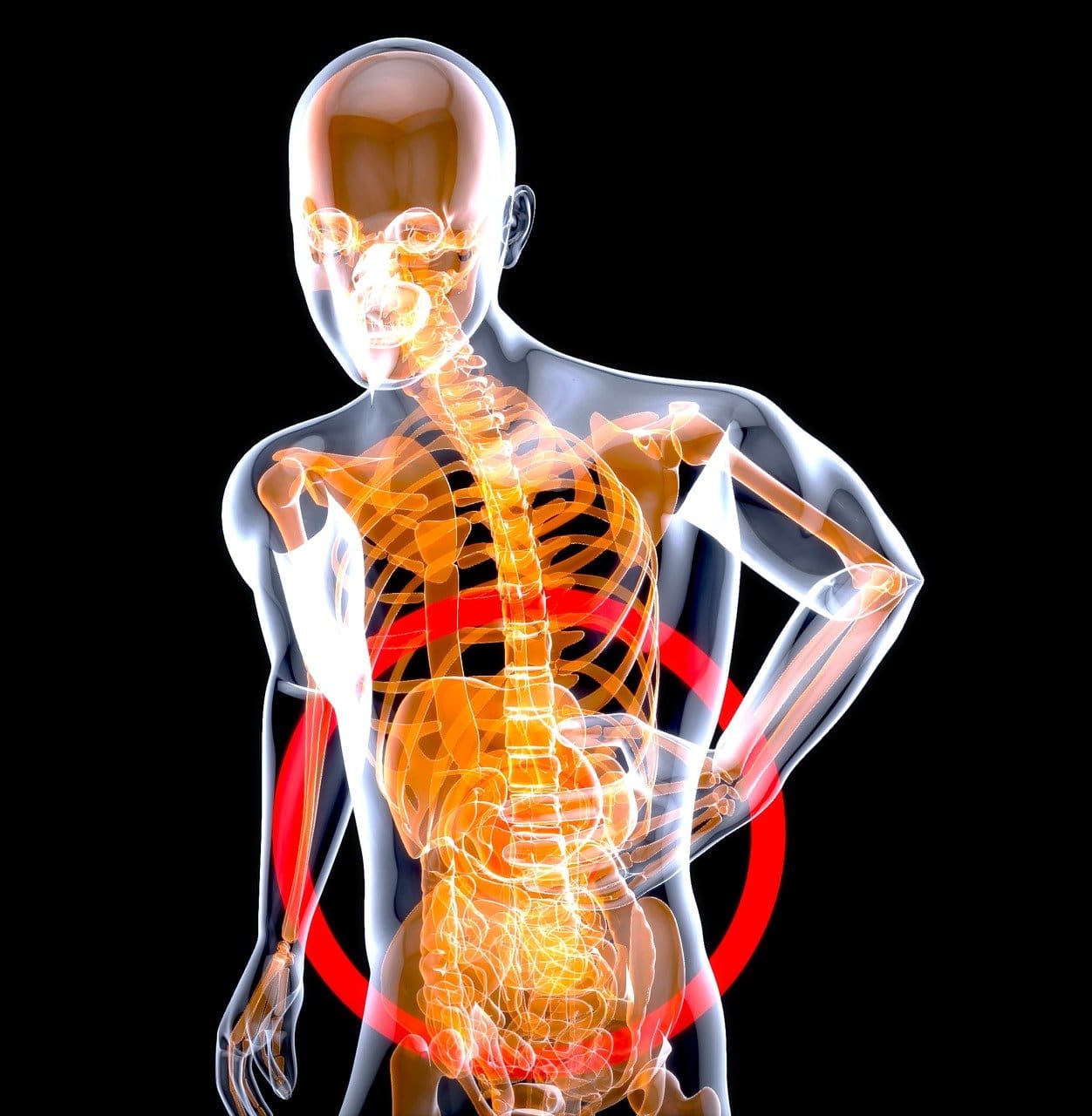
Ayurvedic practices have long been revered for their holistic approach to wellness, and now they are gaining recognition for their potential benefits in supporting a healthy gut. In this article, you will discover the ancient wisdom and techniques of Ayurveda that can help you maintain a balanced digestive system. Learn about the power of Ayurvedic herbs, dietary guidelines, and self-care rituals that can nurture your gut health and promote overall well-being. Embark on a journey of exploration as you uncover the secrets of Ayurveda and discover how it can optimize your digestive health.
Understanding Ayurveda
Ayurveda, an ancient system of medicine originating from India, is gaining recognition and popularity worldwide for its holistic approach to healthcare. Ayurveda emphasizes the balance between the mind, body, and spirit in order to achieve optimal health and well-being. Understanding the principles of Ayurveda is essential to grasp its approach to gut health.
Principles of Ayurveda
Ayurveda is based on the principles of three doshas, which are the three fundamental energies that govern our bodies: Vata, Pitta, and Kapha. Each individual has a unique combination of these doshas, known as their prakriti, which determines their physical and mental characteristics. Ayurveda aims to maintain the balance of these doshas to promote good health.
Doshas in Ayurveda
Vata dosha is associated with movement and governs bodily functions such as circulation, breathing, and elimination. Pitta dosha is responsible for metabolism, digestion, and other fiery processes in the body. Kapha dosha is related to stability, structure, and lubrication. An imbalance in any of these doshas can disrupt the digestive system and lead to various health issues.
Ayurvedic Approach to Gut Health
In Ayurveda, the health of the gut is given utmost importance as it is considered the foundation of overall well-being. According to Ayurveda, a properly functioning digestive system is crucial for optimal health. Ayurvedic practices focus on maintaining the integrity of the gut and balancing the doshas through diet, lifestyle, and herbal remedies.
Importance of Gut Health
The gut microbiome, a diverse community of microorganisms living in our intestines, plays a crucial role in our health and well-being. Having a healthy gut microbiome is essential for proper digestion, nutrient absorption, immune function, and mental well-being.
Role of the Gut Microbiome
The gut microbiome consists of trillions of bacteria, fungi, and other microorganisms that coexist with us. These microorganisms help break down food, produce important nutrients, and regulate inflammation in the gut. They also play a role in the communication between the gut and the brain, known as the gut-brain axis, influencing our mood, cognition, and overall mental health.
Impact on Overall Well-being
The gut has often been called the “second brain” due to its influence on our mental and emotional well-being. Research has shown a strong correlation between gut health and various health conditions, including autoimmune diseases, mood disorders, obesity, and even neurological disorders such as Alzheimer’s and Parkinson’s.
Links to Various Health Conditions
Many chronic health conditions, such as irritable bowel syndrome (IBS), inflammatory bowel disease (IBD), and leaky gut syndrome, have been linked to an imbalance in the gut microbiome. Ayurveda offers a comprehensive approach to address these conditions by focusing on restoring balance, improving digestion, and repairing the gut lining.
Ayurvedic Diet for Gut Health
Ayurveda places great emphasis on diet and recognizes that the food we consume directly affects our health and well-being. Following an Ayurvedic diet can help balance the doshas and support optimal gut health.
Balancing the Doshas Through Diet
Ayurveda suggests that each dosha has specific dietary needs. For Vata dosha, which tends to be cold and dry, warm and nourishing foods such as cooked grains, soups, and stews are recommended. Pitta dosha benefits from cooling foods like fresh fruits, leafy greens, and coconut water. Kapha dosha benefits from light, warming foods with spices and herbs to stimulate digestion.
Favoring Warm and Cooked Foods
In Ayurveda, it is believed that consuming warm and cooked foods is easier on the digestive system and helps improve digestion. This is because cooking breaks down the complex structures of food, making it easier for the body to absorb essential nutrients. Cold or raw foods are believed to weaken the digestive fire, leading to indigestion and other gut issues.
Including Digestive Spices and Herbs
Ayurveda recommends incorporating digestive spices and herbs into meals to enhance digestion and promote gut health. Spices such as ginger, cumin, coriander, and turmeric have warming and digestive properties that aid in the breakdown of food and reduce inflammation in the gut. Herbs like fennel, peppermint, and holy basil can soothe the digestive system and alleviate symptoms of indigestion.
Triphala: The Ayurvedic Digestive Tonic
Triphala is a traditional Ayurvedic herbal formulation that has been used for centuries to improve digestion and promote gut health. It is a combination of three fruits: Amalaki (Indian Gooseberry), Bibhitaki (Terminalia bellirica), and Haritaki (Terminalia chebula).
What is Triphala
Triphala is known as a Rasayana in Ayurveda, meaning it rejuvenates and nourishes the body. It is considered one of the most versatile and well-known herbal tonics in Ayurveda. Triphala supports healthy digestion, detoxification, and elimination, making it an excellent choice for maintaining gut health.
Benefits for Gut Health
Triphala offers numerous benefits for gut health. It gently cleanses the intestines, removing toxins and promoting regular bowel movements. Triphala also helps strengthen the gut lining, reducing the risk of leaky gut syndrome. Its antioxidant properties protect against inflammation in the gut, and its cooling nature soothes irritation and discomfort.
How to Consume Triphala
Triphala is typically consumed as a powder mixed with warm water or herbal tea. It is recommended to take it before bed or in the morning on an empty stomach for optimal results. Triphala can also be taken in capsule or tablet form for convenience. It is advisable to consult an Ayurvedic practitioner for the appropriate dosage and duration of use.

Herbal Remedies for Gut Health
Ayurveda offers a wide range of herbal remedies that can be beneficial for maintaining gut health and addressing various digestive issues. Here are a few commonly used herbs:
Aloe Vera for Soothing the Gut
Aloe vera has long been revered for its soothing and healing properties. It helps reduce inflammation in the gut and promotes the healing of damaged tissues. Aloe vera juice or gel can be consumed to support digestion and alleviate symptoms of gastrointestinal disorders. It is essential to choose high-quality, organic aloe vera products to ensure maximum benefits.
Licorice Root for Digestive Support
Licorice root is widely used in Ayurveda for its digestive properties. It helps soothe the stomach lining, reduce acid reflux, and alleviate heartburn. Licorice root tea or chewable tablets can be consumed to support healthy digestion. However, prolonged or excessive use of licorice root should be avoided, especially by those with high blood pressure or kidney issues.
Ginger for Reducing Inflammation
Ginger is a powerful herb that has been used for centuries to aid digestion and reduce inflammation in the gut. It stimulates the production of digestive enzymes, promotes proper digestion, and alleviates symptoms of nausea, bloating, and indigestion. Ginger can be consumed as a tea, added to meals, or taken in supplement form.
Ayurvedic Lifestyle Practices for Gut Health
In addition to diet and herbal remedies, Ayurveda emphasizes specific lifestyle practices that can support gut health and enhance overall well-being.
Daily Self-Massage (Abhyanga)
Abhyanga, or self-massage with warm oil, is a soothing practice that stimulates the digestive system and promotes detoxification. Massaging the abdomen in circular motions with warm sesame or coconut oil can help improve digestion, relieve bloating, and calm the mind.
Yoga Asanas for Digestion
Certain yoga asanas, or poses, can aid in digestion and alleviate digestive discomfort. Twisting poses, such as seated spinal twists, help stimulate the abdominal organs and improve digestion. Forward bending poses, such as Uttanasana (standing forward bend), can relieve constipation and promote regular bowel movements.
Pranayama for Gut Health
Pranayama, or breath control exercises, can be particularly beneficial for gut health. Deep abdominal breathing, known as diaphragmatic breathing, helps activate the parasympathetic nervous system, which is responsible for rest and digestion. This promotes relaxation, reduces stress, and supports healthy digestion.
Panchakarma: Ayurvedic Detoxification
Panchakarma is a renowned Ayurvedic detoxification and rejuvenation therapy that aims to eliminate toxins from the body and restore balance. It is a holistic approach that involves a series of treatments tailored to the individual’s needs. Panchakarma can be highly beneficial for gut health, as it helps remove accumulated toxins, improve digestion, and reset the digestive system.
Introduction to Panchakarma
Panchakarma consists of five main procedures: Vamana (therapeutic vomiting), Virechana (therapeutic purgation), Basti (medicated enema), Nasya (nasal administration of medicated oils), and Raktamokshana (bloodletting). These procedures are performed under the guidance of an experienced Ayurvedic practitioner and are customized according to the individual’s dosha imbalance and health condition.
Benefits for Gut Health
Panchakarma offers numerous benefits for gut health. It helps clear ama, or toxins, from the digestive system, improving digestion and absorption of nutrients. Panchakarma also helps balance the doshas, strengthen the digestive fire, and promote the elimination of accumulated waste. The rejuvenating aspect of Panchakarma helps restore the gut’s natural functions and enhances overall gut health.
Rejuvenation and Reset of the Digestive System
Panchakarma provides a comprehensive approach to detoxification, rejuvenation, and reset of the digestive system. It not only focuses on physical detoxification but also addresses emotional and mental well-being. Panchakarma treatments, combined with dietary and lifestyle modifications, can bring about profound changes in gut health and overall vitality.
Ayurvedic Tips for Better Digestion
In addition to the specific practices mentioned above, Ayurveda offers several general tips to support better digestion and promote gut health.
Chewing Food Thoroughly
Chewing food thoroughly is a simple yet highly effective Ayurvedic practice for improving digestion. Properly chewing food allows for better breakdown of nutrients and enhances the release of digestive enzymes in the mouth. This reduces the burden on the digestive system and eases the process of digestion.
Eating Mindfully and in a Calm Environment
Ayurveda emphasizes the importance of eating in a calm and peaceful environment. When we eat in a hurry or while stressed, our bodies are in a fight-or-flight mode, diverting blood flow away from the digestive system. This hampers proper digestion. Creating a serene setting and savoring each bite helps activate the parasympathetic nervous system, enhancing digestion and nutrient absorption.
Importance of Regular Eating Times
Maintaining regular eating times is crucial in Ayurveda to support healthy digestion. Eating meals at consistent times helps regulate the body’s natural rhythms and enhances the secretion of digestive juices. Irregular eating patterns can disrupt the digestive process, leading to indigestion, bloating, and other gut-related issues.
Managing Stress for Gut Health
Stress has a significant impact on our digestive system and can contribute to gut-related problems. Ayurveda recognizes the mind-body connection and offers various techniques to manage stress and promote gut health.
Stress’s Impact on Digestion
Chronic stress can impair digestion by diverting blood flow away from the digestive organs and inhibiting the secretion of digestive enzymes. Stress can also negatively affect the gut microbiome, altering its balance and contributing to gut issues such as IBS. Managing stress is essential for maintaining optimal gut health.
Ayurvedic Techniques to Reduce Stress
Ayurveda provides a range of techniques to reduce stress and promote relaxation. Regular practice of meditation, deep breathing exercises, and mindfulness techniques can help calm the mind, reduce stress levels, and support healthy digestion. Ayurvedic herbs known as adaptogens, such as Ashwagandha and Brahmi, can also help the body adapt to stress and improve overall resilience.
Mind-Body Connection in Gut Health
Ayurveda recognizes the intricate connection between the mind and the gut. Our thoughts and emotions can influence gut health, and vice versa. Balancing the doshas, managing stress, and cultivating positive thoughts and emotions all contribute to maintaining a healthy gut and overall well-being.
Consulting an Ayurvedic Practitioner
While incorporating Ayurvedic practices for gut health can be helpful, it is always advisable to consult a qualified Ayurvedic practitioner. They can provide personalized guidance based on your unique prakriti, dosha imbalance, and health condition.
Finding a Qualified Ayurvedic Practitioner
When seeking an Ayurvedic practitioner, it is important to choose someone who has undergone proper training and certification in Ayurvedic medicine. Look for practitioners who are registered with recognized Ayurvedic organizations or have credible recommendations from trusted sources. Consultation with an experienced practitioner will ensure a customized approach to gut health.
Customized Approach to Gut Health
Every individual is unique, and Ayurveda recognizes that a one-size-fits-all approach may not be appropriate for gut health. An Ayurvedic practitioner will consider your specific dosha imbalance, lifestyle factors, and overall health status to design a customized treatment plan that caters to your individual needs. This personalized approach ensures maximum benefit and long-term gut health.
Combining Ayurveda with Conventional Medicine
Ayurveda can complement conventional medical treatments, and it is important to inform your healthcare provider about any Ayurvedic practices or supplements you are incorporating. Integrating Ayurvedic practices with conventional medicine can provide a comprehensive and holistic approach to gut health, addressing the root causes and promoting long-term well-being.
In conclusion, Ayurveda offers a wealth of knowledge and practices to support and maintain gut health. By understanding the principles of Ayurveda, embracing a balanced diet, lifestyle modifications, and utilizing herbal remedies, individuals can optimize their gut health and overall well-being. Consultation with a qualified Ayurvedic practitioner can greatly enhance the benefits of Ayurveda, ensuring a personalized approach to gut health and fostering harmony between the mind, body, and spirit.