
In this article, we will explore the implications of healthcare policies for end-of-life care. This topic is of utmost importance as it affects not only individuals but also their families and healthcare systems as a whole. By examining the policies in place and their impact on end-of-life care, we can gain a better understanding of the challenges and opportunities that lie ahead. Join us on this journey as we delve into the intricacies of healthcare policy and its implications for those facing the end-of-life stage.
Defining End-of-Life Care
Understanding the concept of end-of-life care
End-of-life care refers to the medical and emotional support provided to individuals who are nearing the end of their lives. This type of care encompasses a range of interventions and services aimed at ensuring comfort, dignity, and respect for patients during their final stages of life. End-of-life care is focused on addressing the physical, emotional, and spiritual needs of individuals, as well as providing support to their families and loved ones.
Common goals of end-of-life care
The primary goals of end-of-life care are centered around providing relief from suffering and promoting the highest possible quality of life for patients in their final days. This includes managing symptoms such as pain, nausea, and anxiety, and ensuring that patients can maintain their dignity and autonomy. Additionally, end-of-life care aims to support the emotional well-being of patients and their families, offering counseling, guidance, and spiritual support when desired. The ultimate purpose of end-of-life care is to facilitate a peaceful and meaningful transition for patients while respecting their individual wishes and values.
Current Landscape of End-of-Life Care Policies
Overview of existing policies related to end-of-life care
Currently, there is a patchwork of policies that address end-of-life care, varying across different regions and healthcare systems. Some policies focus on specific aspects, such as advance care planning, palliative care, or hospice services, while others take a more comprehensive approach. These policies outline the standards of care, regulations, and guidelines that healthcare providers must adhere to when delivering end-of-life care.
Analysis of strengths and weaknesses in current policies
While there have been significant advancements in end-of-life care policies, several strengths and weaknesses can be identified. One of the strengths is the emphasis on promoting patient-centered care and honoring individual preferences and values. Many policies also prioritize the involvement of interdisciplinary teams to provide holistic care. However, a weakness lies in the inconsistency and fragmentation of policies across different regions, leading to inequities in access to care. Additionally, the lack of standardized training and education for healthcare professionals in end-of-life care poses challenges in delivering high-quality and consistent care.
Impact of Healthcare Policy on Quality of End-of-Life Care
Examining the relationship between policy and the quality of end-of-life care
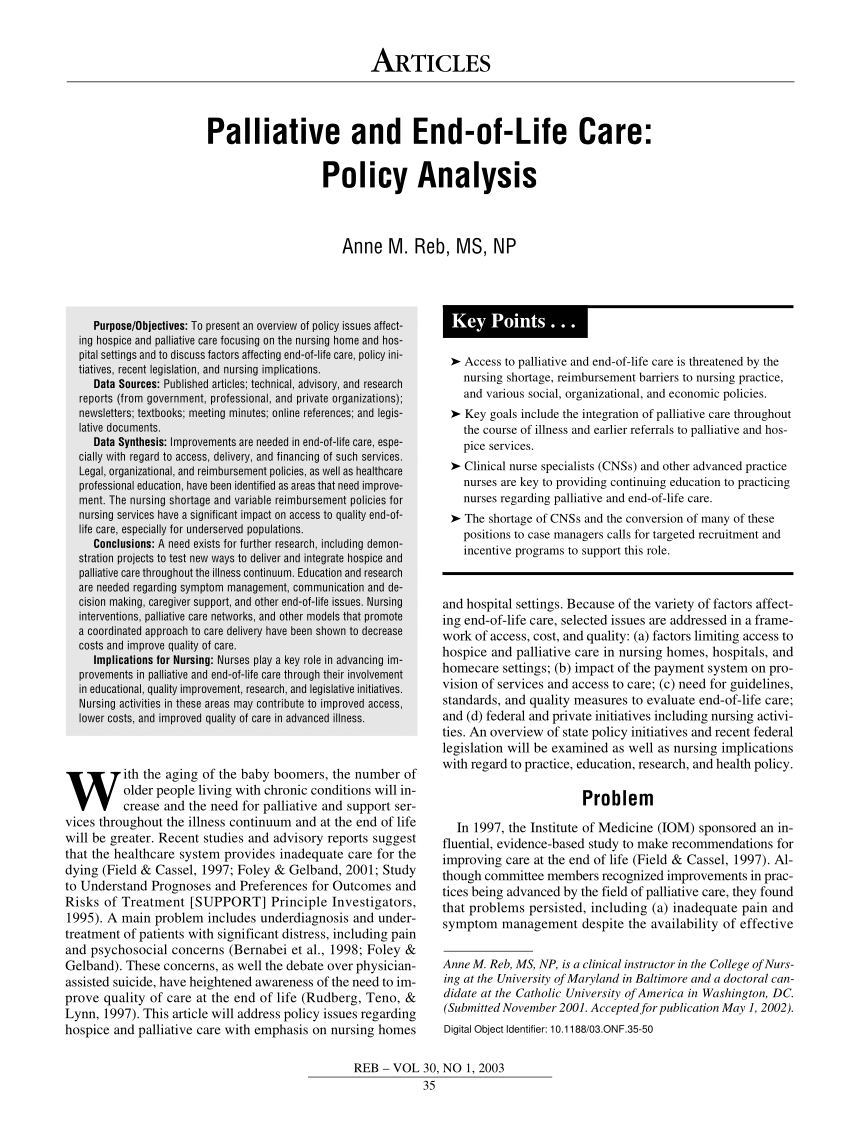
Healthcare policy plays a crucial role in shaping the quality of end-of-life care. Policies that prioritize and support comprehensive end-of-life care have been shown to improve outcomes such as pain management, patient and family satisfaction, and appropriate resource utilization. Clear policies and guidelines can help establish standardized practices, promote effective communication between healthcare providers and patients, and ensure the provision of appropriate services based on patient needs and preferences.
Identifying key factors that influence quality of care
Several key factors influence the quality of end-of-life care, including access to palliative care services, effective communication among healthcare providers, patients, and their families, and integration of psychosocial support. Adequate funding and reimbursement mechanisms, as outlined in healthcare policies, are also crucial in ensuring the availability and accessibility of necessary resources. Moreover, the involvement of interdisciplinary teams, including physicians, nurses, social workers, and chaplains, is essential for providing comprehensive and coordinated care.
Financial Considerations in End-of-Life Care
Understanding the economic implications of end-of-life care
End-of-life care can impose significant financial burdens on both individuals and healthcare systems. The costs associated with hospitalizations, medications, medical equipment, and supportive services can be substantial. Additionally, end-of-life care often involves complex decision-making processes, such as determining the appropriateness of certain interventions and addressing conflicts between available resources and patient preferences. Healthcare policies aim to address these financial considerations by exploring potential reimbursement mechanisms, promoting cost-effective interventions, and ensuring equitable access to affordable end-of-life care services.
Analyzing the role of healthcare policies in addressing financial challenges
Healthcare policies play a vital role in addressing the financial challenges of end-of-life care. Policies can advocate for alternative payment models, such as bundled payments or capitated payments, that incentivize the provision of high-quality, cost-effective care. Furthermore, policies can facilitate discussions on cost-conscious care and resource allocation decisions, promoting transparency and shared decision-making between patients, families, and healthcare providers. By addressing these financial challenges, policies can help alleviate the financial burden on individuals and healthcare systems, ensuring that end-of-life care remains accessible and affordable for all.

Ethical Dilemmas in End-of-Life Care
Exploring the ethical issues surrounding end-of-life care
End-of-life care is fraught with various ethical dilemmas and concerns. Some of the key ethical issues include respecting patient autonomy, providing beneficent and non-maleficent care, and balancing the principle of justice. Ethical challenges can arise when making decisions about withholding or withdrawing life-sustaining treatments, managing pain and suffering, and determining the appropriateness of certain interventions. Policies play a vital role in addressing these ethical dilemmas by providing guidelines and frameworks for ethical decision-making, ensuring that patient rights and values are respected, and promoting shared decision-making processes.
Evaluating the role of policy in addressing moral concerns
Healthcare policies provide the foundation for addressing moral concerns in end-of-life care. By incorporating ethical principles and values, policies can guide healthcare providers, patients, and families in making ethically sound decisions. Policies can outline the process for advance care planning, encourage open and honest communication, and establish mechanisms for resolving ethical conflicts. Additionally, policies can support the involvement of ethics committees or consultants in complex cases, providing a forum for deliberation and ensuring that ethical considerations are thoroughly examined.
Patient Autonomy and Decision-making
Examining the importance of patient autonomy in end-of-life decisions
Patient autonomy, which refers to an individual’s right to make informed decisions about their care, is of paramount importance in end-of-life decisions. Recognizing and respecting the autonomy of patients enables them to actively participate in decision-making processes, express their preferences and values, and have their choices honored. Policies play a crucial role in upholding patient autonomy by ensuring access to information, promoting shared decision-making, and providing legal frameworks for advance care planning and medical decision-making.
Policy implications for supporting patient decision-making
Healthcare policies have significant implications for supporting patient decision-making in end-of-life care. Policies can mandate the provision of information regarding prognosis, treatment options, and potential risks and benefits, empowering patients to make informed decisions. By promoting shared decision-making, policies encourage open communication between healthcare providers and patients. Furthermore, policies can address legal aspects, such as the creation of advance directives and appointment of healthcare proxies, to ensure that patients’ choices are respected and followed. Supportive policies are vital in safeguarding patient autonomy and ensuring that patients retain control over their end-of-life decisions.
Cultural and Diversity Considerations
Exploring the impact of cultural and diversity factors on end-of-life care
Cultural and diversity factors significantly influence end-of-life care experiences and decisions. Different cultural beliefs and practices surrounding death and dying shape individuals’ preferences for care and may impact the choice of interventions, rituals, and rituals after death. Moreover, diverse populations may have different communication styles, perceptions of illness, and access to healthcare services. Recognizing and addressing these cultural and diversity considerations are essential to providing culturally competent and person-centered end-of-life care.
Policy approaches to address cultural needs
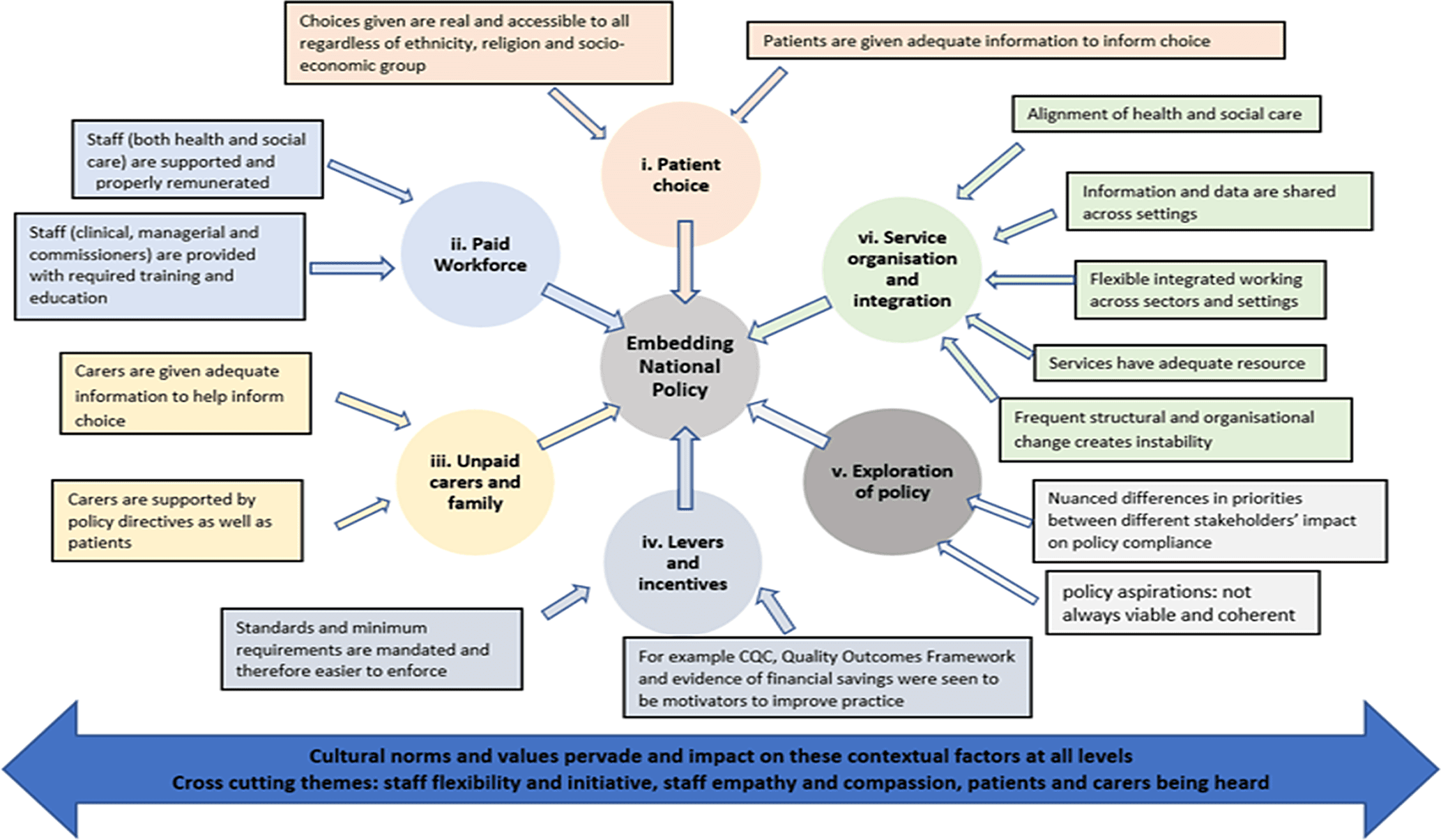
Healthcare policies can play a crucial role in addressing cultural and diversity needs in end-of-life care. Policies can advocate for cultural competency training for healthcare professionals to enhance their understanding of diverse beliefs and practices. Additionally, policies can support the provision of interpretation services and culturally appropriate materials for individuals with limited English proficiency. Encouraging community engagement and partnerships with diverse communities can also ensure that policies reflect the cultural needs and preferences of the population served. By incorporating these considerations, policies can foster an inclusive approach to end-of-life care that respects and integrates diverse cultural values.
The Role of Palliative Care in End-of-Life Care
Understanding the significance of palliative care in end-of-life settings
Palliative care aims to improve the quality of life for individuals with serious or life-limiting illnesses, including those approaching the end of life. This specialized care focuses on providing relief from pain, managing symptoms, and addressing the psychological, social, and spiritual needs of patients and their families. Palliative care can be provided concurrently with curative treatments and is not limited to end-of-life situations. It plays a vital role in enhancing the overall well-being and comfort of patients, promoting effective communication, and ensuring person-centered care during the final stages of life.
Policy recommendations to enhance access to palliative care
Healthcare policies play a significant role in enhancing access to palliative care. Policies can advocate for the integration of palliative care into the standard care pathways for individuals with serious illnesses. This includes promoting education and training for healthcare professionals in palliative care principles and practices. Policies can also address reimbursement mechanisms to ensure that palliative care services are adequately funded and available to all patients who could benefit from them. By prioritizing palliative care in policies, individuals approaching the end of life can receive the comprehensive support they need to enhance their quality of life.

Barriers to Effective End-of-Life Care
Identifying common barriers to achieving optimal end-of-life care
Despite advancements in end-of-life care, several barriers hinder the achievement of optimal care for individuals nearing the end of life. Some common barriers include inadequate healthcare provider education and training in end-of-life care, lack of access to palliative care services, and limited public awareness and understanding of end-of-life issues. Other barriers may include healthcare system constraints, such as fragmented care and insufficient resources, as well as cultural and religious beliefs that may influence care decisions. Addressing these barriers is crucial to ensuring that individuals receive high-quality, person-centered end-of-life care.
Policy strategies to overcome these barriers
Healthcare policies can play a pivotal role in overcoming the barriers to effective end-of-life care. Policies can prioritize the integration of end-of-life care education and training into the curricula of healthcare professionals, ensuring that they possess the necessary knowledge and skills to provide quality care. Additionally, policies can advocate for the expansion of palliative care services, including increased availability of hospice care and home-based services, to improve access. Public awareness campaigns and initiatives can also be supported by policies to increase understanding and conversations around end-of-life care. By addressing these barriers through policy strategies, significant advancements can be made in achieving optimal end-of-life care for all individuals.
Emerging Trends in End-of-Life Care Policies
Exploring innovative approaches and policies in end-of-life care
End-of-life care policies continue to evolve to meet the changing needs and expectations of individuals nearing the end of life. Emerging trends include a focus on advance care planning and the use of advance directives, the integration of technology in delivering end-of-life care services, and the expansion of community-based and home-centered care options. Additionally, policies are exploring the provision of culturally sensitive care, addressing disparities in access to care, and prioritizing research and quality improvement initiatives to enhance end-of-life care outcomes.
Predicting future directions in healthcare policy for end-of-life care
Looking ahead, healthcare policy for end-of-life care is likely to further emphasize person-centered care, patient autonomy, and the integration of palliative care services into standard care pathways. Policies may incorporate innovative models of care, such as telehealth and virtual consultation platforms, to improve access for individuals in remote or underserved areas. Moreover, there is a growing recognition of the importance of addressing social determinants of health and promoting health equity in end-of-life care. Future policies are expected to prioritize these areas, ensuring that all individuals have equitable access to compassionate and high-quality end-of-life care.
As the landscape of end-of-life care policies continues to develop, it is important to prioritize the needs and preferences of individuals nearing the end of life. By addressing the various dimensions of end-of-life care, including ethical, financial, cultural, and psychosocial considerations, healthcare policies can play a pivotal role in ensuring the delivery of compassionate, person-centered care. As trends and innovations shape the future of end-of-life care, policies will continue to evolve, setting the stage for enhanced quality and access to care for individuals as they approach this significant phase of life.
