Do you ever find yourself wondering what foods you should avoid in order to improve your overall health? Look no further. In this article, we will discuss some of the most popular foods that you should steer clear of if you are striving for better health. By being mindful of what you consume, you can take small yet significant steps towards a healthier and more vibrant lifestyle. Stick around to learn about the foods that may be hindering your well-being and discover some healthier alternatives that can leave you feeling energetic and revitalized.
Processed Foods
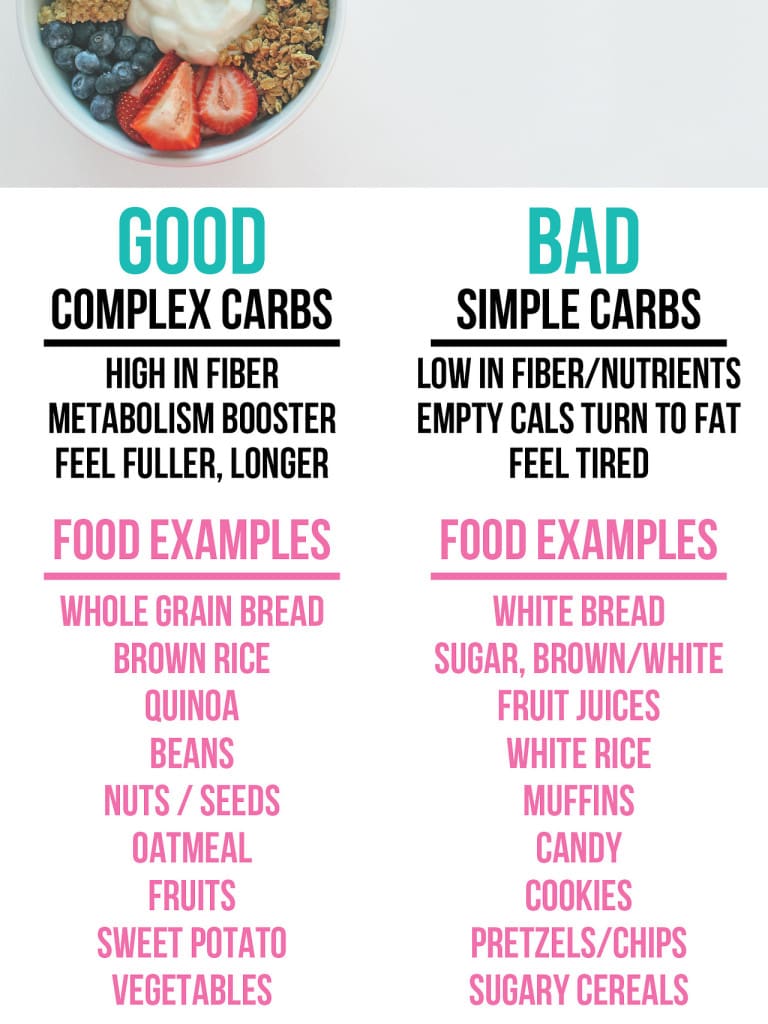
Processed foods are food products that have undergone various mechanical, physical, or chemical processes to extend their shelf life, enhance their flavor, or improve their appearance. These foods are typically packaged and mass-produced, making them convenient options for our fast-paced lifestyles. However, they often contain high amounts of added sugars, unhealthy fats, and artificial ingredients that can negatively impact our health.
Consuming processed foods regularly can lead to numerous health risks. These foods are often high in sodium, which can contribute to high blood pressure and an increased risk of heart disease. Additionally, they are usually low in fiber and essential nutrients, making them less nutritious than whole foods. The excessive consumption of processed foods has been linked to weight gain, obesity, and an increased risk of developing chronic diseases such as type 2 diabetes and certain types of cancer.
To make healthier food choices, it is important to be mindful of the types of processed foods to avoid. These include sugary breakfast cereals, packaged snacks like chips and cookies, processed meats like hot dogs and sausages, canned soups and sauces, and frozen meals. Reading food labels can also help identify processed foods, as they often contain lengthy ingredient lists and additives that may be difficult to pronounce.
Sugar-Sweetened Beverages
Sugar-sweetened beverages, also known as soft drinks or sodas, are deliciously tempting but can wreak havoc on our health. These beverages are loaded with added sugars, contributing to excessive calorie intake without providing any nutritional value. Regular consumption of sugary drinks has been linked to weight gain, obesity, dental problems, and an increased risk of chronic conditions such as type 2 diabetes and heart disease.
Common sugar-sweetened beverages to avoid include sodas, fruit punches, sweetened iced teas, energy drinks, and sports drinks. Even seemingly innocent beverages like fruit juices often have high sugar content due to added sugars. Opting for healthier alternatives such as water, unsweetened tea, or naturally flavored carbonated water can help quench your thirst without the negative health effects of excessive sugar consumption.
Fast Food
While fast food may be convenient and tempting, it often comes with a heavy toll on our health. The high calorie, sodium, and unhealthy fat content of fast food can lead to weight gain, obesity, high blood pressure, and an increased risk of heart disease. These meals are typically low in essential nutrients like fiber, vitamins, and minerals, leaving us nutritionally deprived even after consuming a large portion.
Popular fast food items to avoid include hamburgers, french fries, fried chicken, hot dogs, and milkshakes. These items are often high in trans fats, saturated fats, and sodium. It is important to practice moderation, and if possible, choose healthier options like grilled chicken sandwiches, side salads, or fresh fruit cups when visiting a fast food restaurant. Cooking homemade meals using fresh ingredients can also be a healthier alternative to satisfy your fast food cravings.
Artificial Sweeteners
Artificial sweeteners are low-calorie or calorie-free sugar substitutes that are used in many foods and beverages marketed as “diet” or “sugar-free.” While they may seem like a healthier alternative to sugar, the health concerns associated with artificial sweeteners cannot be ignored. Some research suggests that regular consumption of artificial sweeteners may be linked to weight gain, metabolic syndrome, and an increased risk of metabolic disorders like type 2 diabetes.
Common foods and drinks containing artificial sweeteners to avoid include diet sodas, sugar-free candies and desserts, low-calorie or sugar-free yogurts, and certain types of protein bars. It is important to note that not all artificial sweeteners have the same health risks, and moderation is key. Natural sweeteners like stevia or consuming whole fruits in moderation can be a healthier way to satisfy your sweet tooth while minimizing the risks associated with artificial sweeteners.
Trans Fats
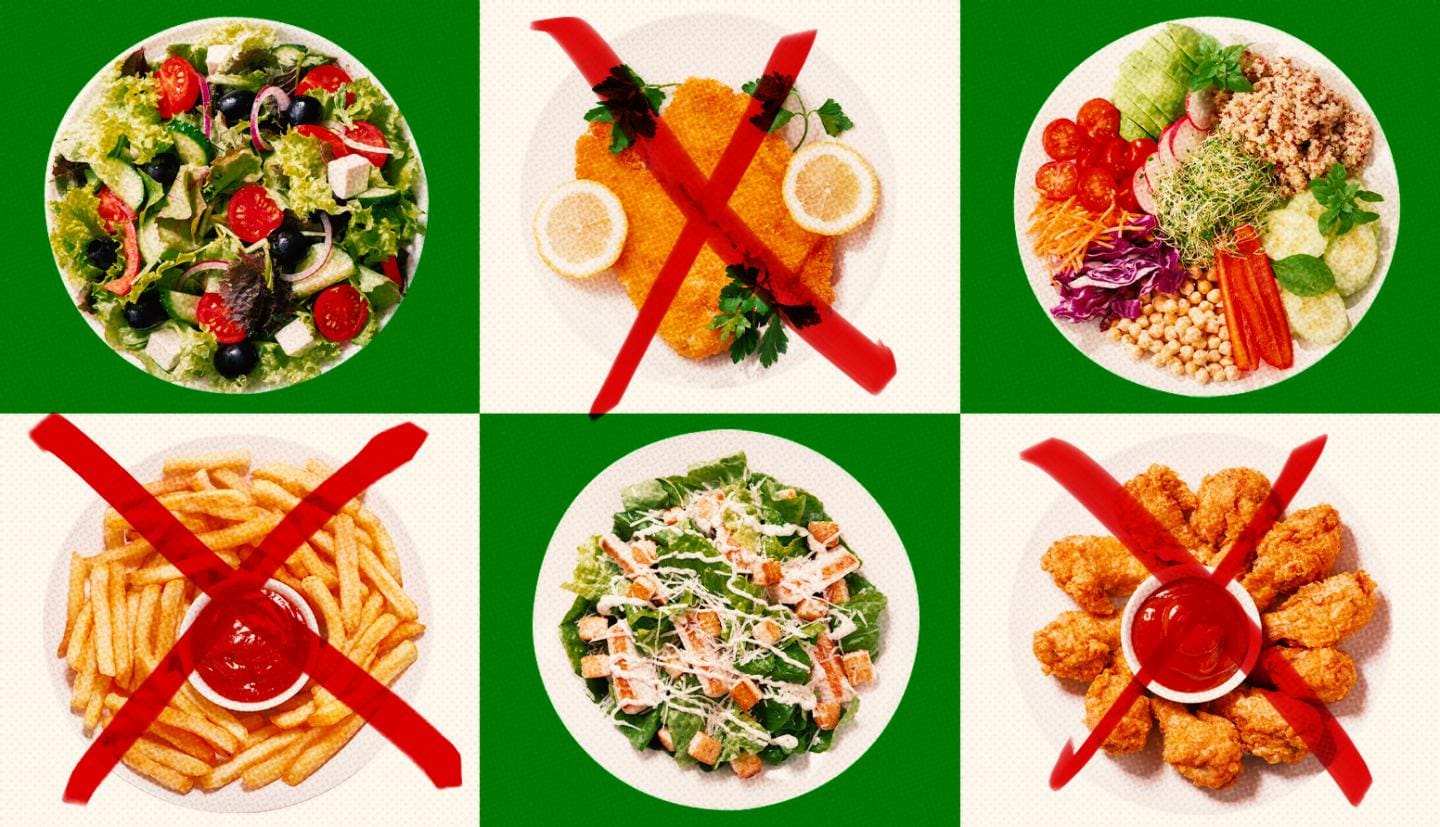
Trans fats, also known as trans-unsaturated fatty acids, are a type of unhealthy fat that is formed when liquid oils are turned into solid fats through a process called hydrogenation. These fats can be found in many processed and packaged foods, as they help enhance taste, texture, and shelf life. However, trans fats have been strongly linked to an increased risk of heart disease, as they raise levels of bad cholesterol (LDL) while decreasing levels of good cholesterol (HDL).
Foods containing trans fats to steer clear of include fried and fast foods, packaged baked goods like cookies and pastries, margarine, and snack foods like microwave popcorn. Reading food labels and avoiding items that list “partially hydrogenated oils” in the ingredient list can help minimize trans fat intake. Opting for healthier fats such as olive oil, avocados, and nuts is a better choice for maintaining heart health.
Highly Processed Meats
Highly processed meats are products that undergo extensive processing and preservation methods, often involving the addition of excessive amounts of sodium, nitrates, and other additives. These meats include sausages, hot dogs, bacon, salami, and certain deli meats. Consuming high amounts of processed meats can increase the risk of developing colorectal cancer, heart disease, and certain chronic conditions.
To minimize the health risks associated with highly processed meats, it is important to limit their consumption. Instead, opt for fresh, unprocessed meats like lean cuts of chicken, turkey, or fish. When selecting deli meats, look for options that are minimally processed and free from added nitrates or nitrites.
Refined Grains
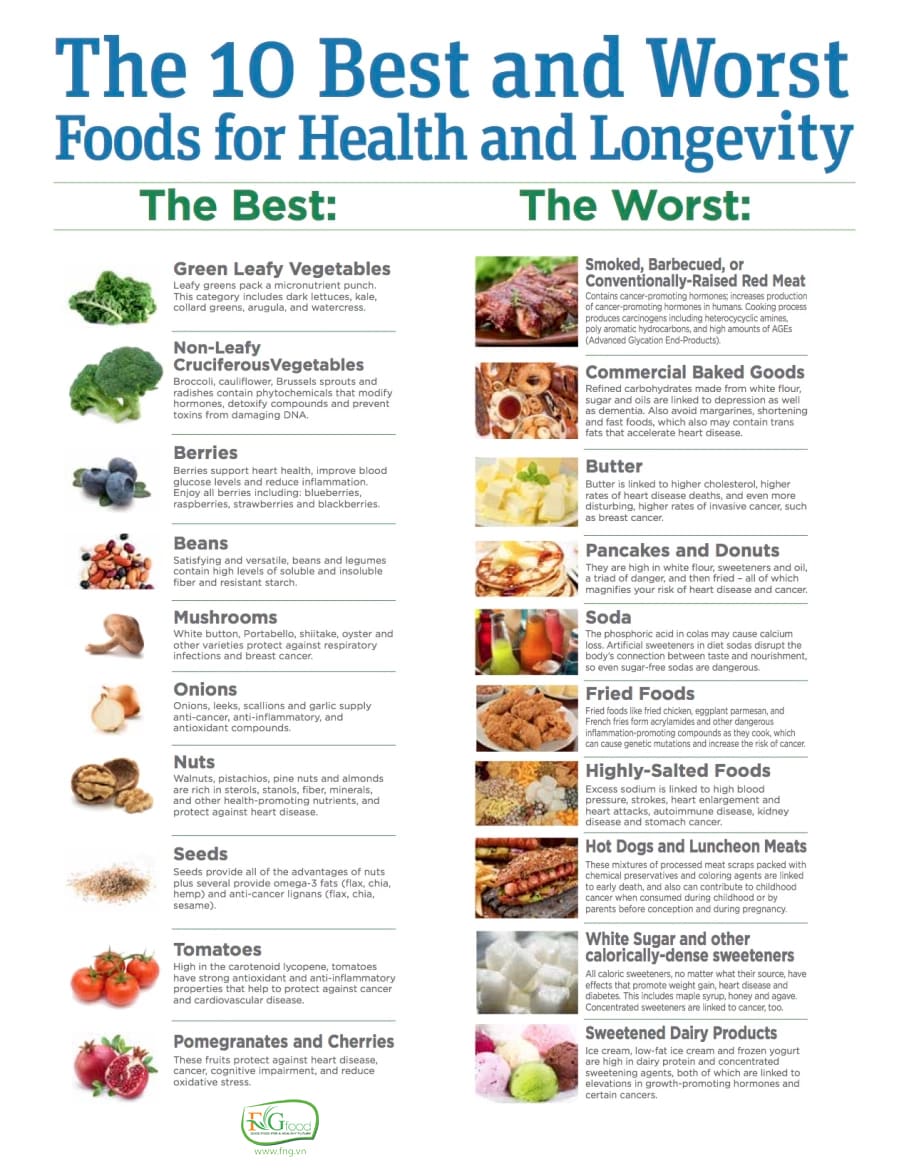
Refined grains are grains that have had their bran and germ removed, leaving behind only the starchy endosperm. This refining process gives the grains a finer texture and extends their shelf life but removes valuable nutrients and fiber. Consuming too many refined grains can lead to weight gain, an increased risk of type 2 diabetes, heart disease, and poor digestive health.
Food products made with refined grains to be cautious of include white bread, white rice, pasta, pastries, and most commercially produced breakfast cereals. Opting for whole grain alternatives like whole wheat bread, brown rice, quinoa, and oatmeal can provide more fiber, vitamins, and minerals to support optimal health.
Artificial Trans Fats
Artificial trans fats, also known as partially hydrogenated oils, are created through an industrial process that adds hydrogen to liquid vegetable oils. These fats are cheaper and have a longer shelf life than natural fats, making them commonly used in processed foods. Artificial trans fats are even more harmful than naturally occurring trans fats, as they raise bad cholesterol levels while lowering good cholesterol levels, increasing the risk of heart disease and other cardiovascular conditions.
Common foods containing artificial trans fats to avoid include fried foods like french fries and chicken nuggets, packaged baked goods like cookies and cakes, and certain brands of margarine and shortening. Checking food labels for “partially hydrogenated oils” and opting for products that are free from artificial trans fats can help protect your heart and overall health.
Highly Salted Foods
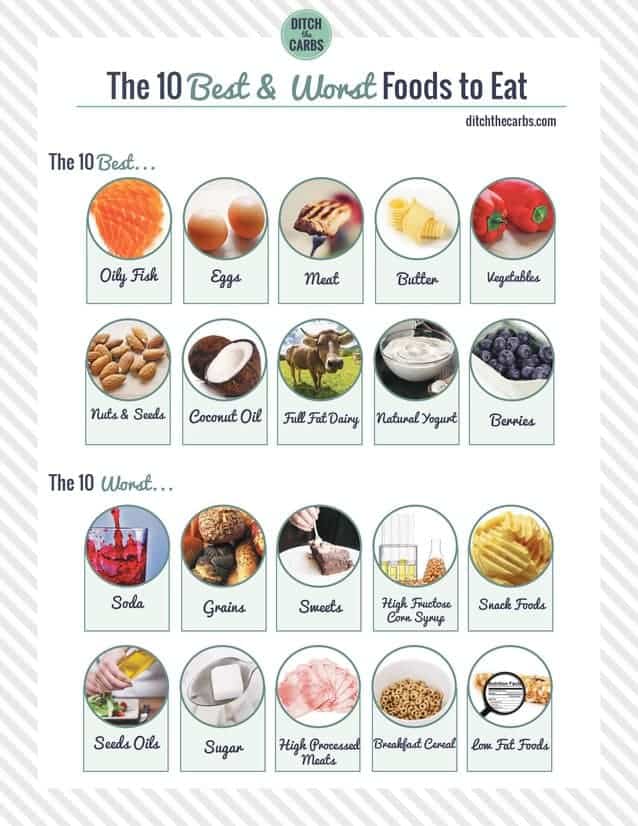
Highly salted foods can add flavor to our dishes, but excessive sodium intake can have detrimental effects on our health. Consuming too much salt can lead to high blood pressure, an increased risk of heart disease and stroke, and negatively impact kidney function.
Foods usually high in sodium to minimize intake of include processed and packaged snacks like chips and pretzels, canned soups and sauces, cured or processed meats, and fast food items. Cooking meals from scratch using fresh ingredients and flavoring dishes with herbs, spices, or salt-free seasonings can help reduce sodium intake without compromising taste.
Highly Caloric Snack Foods
Highly caloric snack foods often provide little nutritional value and are often loaded with unhealthy fats, added sugars, and excessive amounts of salt. Regular consumption of highly caloric snacks can contribute to weight gain, obesity, and an increased risk of chronic conditions such as heart disease and type 2 diabetes.
Examples of highly caloric snacks to avoid include potato chips, sugary granola bars, candy bars, sugary cereals, and flavored popcorn. Opting for healthier snack options like fresh fruits, vegetables with hummus, yogurt, nuts, or homemade whole-grain snacks can help satisfy cravings while contributing to a balanced diet.
In conclusion, being aware of the types of foods to avoid can greatly contribute to better overall health. Processed foods, sugar-sweetened beverages, fast food, artificial sweeteners, trans fats, highly processed meats, refined grains, artificial trans fats, highly salted foods, and highly caloric snack foods should be consumed in moderation or avoided altogether when possible. Instead, focusing on whole, unprocessed foods and incorporating a variety of fruits, vegetables, lean proteins, and whole grains into your diet will provide essential nutrients and support optimal health. Remember, small changes in your everyday choices can make a big difference in your long-term well-being.