Welcome to an article all about finding the perfect balance between rest and exercise. It’s important to realize that both are essential for your overall well-being and health. While getting enough exercise is crucial for staying active and maintaining a healthy body, getting adequate rest is just as important for allowing your body to recover and recharge. Finding the right balance between the two will not only improve your physical health but also your mental well-being. So, let’s dive in and explore how you can strike that perfect balance in your daily routine. Have you ever wondered how to find the perfect balance between rest and exercise to optimize your health and well-being? In this article, we will explore the importance of finding the right balance of rest and exercise in order to achieve your fitness goals and maintain a healthy lifestyle. Let’s dive in and discover the key strategies to help you strike the perfect equilibrium between rest and physical activity.
The Importance of Rest and Recovery
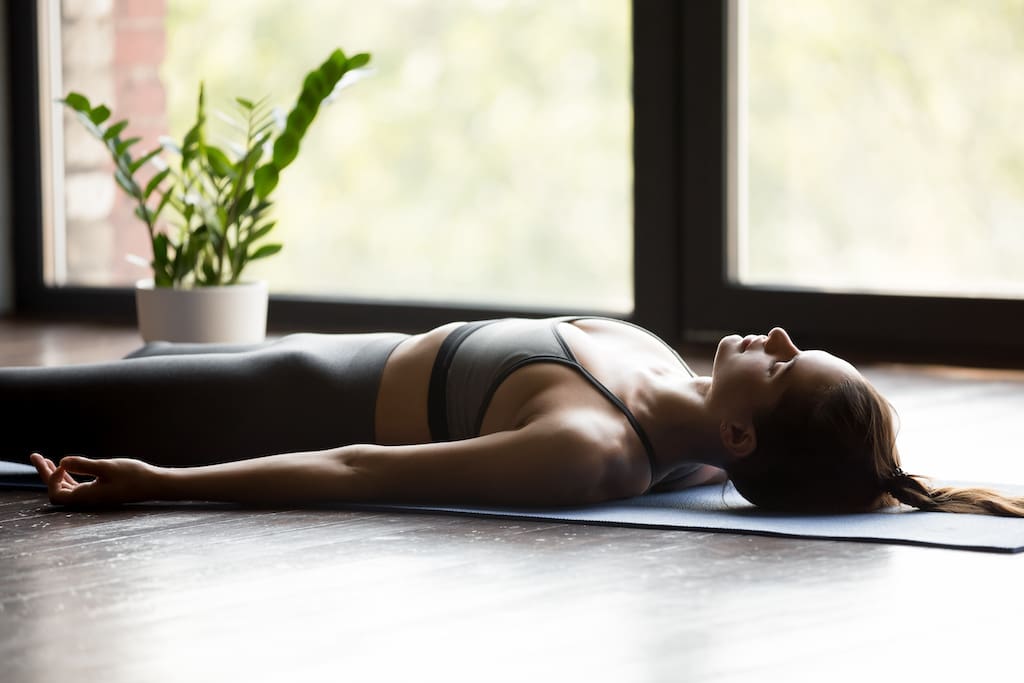
Finding the right balance between rest and exercise is crucial for your overall health and well-being. While exercise is essential for maintaining physical fitness and overall health, rest and recovery are equally important in order to allow your body to repair and rebuild itself. Without adequate rest, your body may become susceptible to injuries, burnout, and other health issues. By prioritizing rest and recovery, you can optimize your performance, prevent overtraining, and reduce the risk of injury.
Why Rest is Important
Rest is an essential component of any fitness regimen as it allows your body to recover and repair itself after strenuous physical activity. During rest, your body replenishes energy stores, repairs damaged tissues, and strengthens muscles. Without adequate rest, your body may not have enough time to recover, leading to decreased performance, fatigue, and an increased risk of injury. Incorporating rest days into your workout routine is crucial for long-term success and overall health.
The Role of Sleep in Recovery
Getting enough quality sleep is vital for proper recovery and optimal health. During sleep, your body repairs and rebuilds tissues, regulates hormones, and restores energy levels. Lack of sleep can impair recovery, increase stress hormones, and negatively impact your physical and mental well-being. Aim for 7-9 hours of quality sleep each night to support your body’s recovery processes and enhance your overall performance.
Finding the Right Balance
Achieving the right balance between rest and exercise requires a personalized approach that takes into account your individual needs, goals, and preferences. By listening to your body, being mindful of your physical and mental state, and adjusting your routine accordingly, you can find the perfect equilibrium that works best for you. It’s important to strike a balance that allows you to push yourself to achieve your fitness goals while also giving your body the rest it needs to recover and rejuvenate.
Listen to Your Body
Listen to your body’s signals and pay attention to how you feel during and after exercise. If you experience persistent fatigue, soreness, or lack of motivation, it may be a sign that you need to incorporate more rest into your routine. On the other hand, if you feel energized, strong, and motivated, you may be ready to push yourself harder. By tuning into your body’s feedback, you can adjust your workouts and rest days accordingly to optimize your performance and prevent burnout.
Build a Balanced Workout Routine
Create a well-rounded workout routine that includes a variety of activities to target different muscle groups, improve overall fitness, and prevent overuse injuries. Include a mix of cardiovascular exercise, strength training, flexibility, and balance exercises to challenge your body in different ways and keep your workouts interesting. Balancing high-intensity workouts with low-impact activities can help prevent burnout and reduce the risk of overtraining.
Plan for Active Recovery
Incorporate active recovery days into your routine to promote circulation, reduce muscle soreness, and enhance recovery. On active recovery days, focus on low-intensity activities such as walking, yoga, swimming, or cycling to keep your body moving without putting too much strain on your muscles. Active recovery can help improve blood flow, reduce stiffness, and promote relaxation, allowing your body to recover more efficiently between intense workouts.
Strategies for Finding Balance
Finding the right balance of rest and exercise requires a strategic approach that considers your unique needs, goals, and lifestyle. By implementing the following strategies, you can create a balanced routine that supports your overall health and fitness goals while allowing for adequate rest and recovery.
Prioritize Rest Days
Make rest days a non-negotiable part of your workout routine to allow your body to recover and recharge. Schedule at least one to two rest days per week to give your muscles time to repair and rebuild. Use rest days as an opportunity to relax, unwind, and engage in activities that promote recovery, such as stretching, foam rolling, or meditation. Prioritizing rest days can help prevent burnout, reduce the risk of injury, and improve your overall performance.
| Days of the Week | Workout Schedule | Rest Days |
|---|---|---|
| Monday | Strength Training | Rest |
| Tuesday | Cardio | Active Recovery |
| Wednesday | Rest | Rest |
| Thursday | Flexibility | Active Recovery |
| Friday | Strength Training | Rest |
| Saturday | Cardio | Rest |
| Sunday | Rest | Active Recovery |
Incorporate Periodization
Implement periodization into your training program to strategically plan your workouts, rest days, and recovery periods. Periodization involves dividing your training cycle into phases, each with a specific focus on building strength, endurance, or skills. By varying the intensity and volume of your workouts throughout the training cycle, you can prevent overtraining, promote recovery, and maximize performance. Consult with a fitness professional to create a periodized training plan that aligns with your goals and allows for optimal rest and recovery.
Practice Mindfulness
Practice mindfulness during exercise and rest to stay present, listen to your body, and make informed decisions about your routine. Mindfulness involves being aware of your thoughts, emotions, and physical sensations without judgment. By practicing mindfulness, you can develop a deeper connection with your body, recognize signs of fatigue or stress, and adjust your workouts and rest days accordingly. Incorporate mindfulness techniques such as deep breathing, visualization, or body scans into your routine to enhance self-awareness and optimize your performance.
Use Technology to Monitor Progress
Use technology such as fitness trackers, heart rate monitors, and workout apps to track your progress, monitor your fitness levels, and optimize your training. Fitness trackers can provide valuable data on your heart rate, steps, calories burned, and sleep quality, helping you gauge your recovery status and adjust your routine accordingly. Workout apps can help you plan your workouts, track your exercises, and set goals to stay motivated and accountable. By utilizing technology to monitor your progress, you can make informed decisions about your training, rest, and recovery to achieve optimal results.

Conclusion
Finding the right balance between rest and exercise is essential for achieving your fitness goals, preventing injury, and maintaining a healthy lifestyle. By prioritizing rest, listening to your body, and following a well-rounded workout routine, you can optimize your performance, enhance recovery, and support your overall well-being. Remember that rest is a key component of any fitness program and plays a crucial role in allowing your body to repair, rebuild, and rejuvenate itself. By implementing the strategies outlined in this article, you can strike the perfect equilibrium between rest and exercise and set yourself up for long-term success. So, take care of your body, prioritize rest, and find the balance that works best for you. Your health and fitness journey is unique to you, so listen to your body, trust the process, and enjoy the journey towards a healthier, happier you.