

Are you looking to improve your flexibility and prevent injuries? Look no further! In this article, we have compiled the top 10 stretches that will help you achieve both goals. Whether you’re an athlete, fitness enthusiast, or simply someone looking to stay active and healthy, these stretches are perfect for you. So, grab your mat, get ready to stretch, and let’s dive right in!
Hamstring Stretch
Standing Hamstring Stretch
The standing hamstring stretch is a simple and effective way to stretch your hamstrings. To perform this stretch, stand up straight and extend one leg forward. Keep your back straight and hinge forward at the hips, reaching towards your toes. Hold this stretch for 20-30 seconds and then switch legs. This stretch helps to improve flexibility in your hamstrings, which can prevent injuries and improve your overall athletic performance.
Seated Hamstring Stretch
The seated hamstring stretch is another great way to target the hamstrings. To perform this stretch, sit on the floor with your legs extended in front of you. Keeping your back straight, gently reach forward towards your toes, trying to touch them. Hold this stretch for 20-30 seconds and then release. This stretch can be modified by using a strap or towel around your feet if you have limited flexibility. Regularly performing this stretch can help to alleviate tightness and improve range of motion in your hamstrings.
Wall Hamstring Stretch
The wall hamstring stretch is a variation of the standing hamstring stretch that can provide a deeper stretch. Start by lying on your back with your legs extended up against a wall. Slowly scoot your buttocks towards the wall until you feel a stretch in your hamstrings. Hold this stretch for 20-30 seconds and then release. This stretch helps to lengthen the hamstrings and can be beneficial for people with tight hamstrings or lower back pain.
Quadriceps Stretch
Standing Quadriceps Stretch
The standing quadriceps stretch is an effective way to stretch your quadriceps muscles. To perform this stretch, stand up straight and lift one foot off the ground. Bend your knee and grab your ankle with your hand. Gently pull your ankle towards your buttocks until you feel a stretch in the front of your thigh. Hold this stretch for 20-30 seconds and then switch legs. This stretch helps to improve flexibility in your quadriceps, which can prevent injuries such as strains or pulls.
Kneeling Quadriceps Stretch
The kneeling quadriceps stretch is a variation of the standing quadriceps stretch that provides a deeper stretch. Start by kneeling on one knee with the other foot planted in front of you. Reach back and grab your ankle or foot with your hand. Gently pull your foot towards your buttocks, feeling a stretch in the front of your thigh. Hold this stretch for 20-30 seconds and then switch sides. This stretch can help to alleviate tightness in the quadriceps and improve your range of motion.
Lying Quadriceps Stretch
The lying quadriceps stretch is a relaxing way to stretch the front of your thighs. Begin by lying on your stomach on a mat or soft surface. Bend one knee and reach back to grab your ankle or foot with your hand. Gently pull your heel towards your buttocks until you feel a stretch in your quadriceps. Hold this stretch for 20-30 seconds and then switch sides. This stretch is great for targeting the entirety of your quadriceps muscles and can help to relieve tension and improve flexibility.

Calf Stretch
Standing Calf Stretch
The standing calf stretch is an effective way to stretch your calf muscles. To perform this stretch, stand facing a wall with your hands against the wall for support. Step one foot back, keeping it straight and both heels planted on the ground. Lean forward towards the wall, feeling a stretch in your calf. Hold this stretch for 20-30 seconds and then switch legs. This stretch helps to improve flexibility in your calf muscles, which can prevent injuries such as strains or Achilles tendonitis.
Wall Calf Stretch
The wall calf stretch is a variation of the standing calf stretch that allows for a deeper stretch. Begin by standing facing a wall and place your hands against the wall for support. Step one foot back and press your heel into the ground. Lean forward, keeping your back straight, until you feel a stretch in your calf. Hold this stretch for 20-30 seconds and then switch legs. This stretch targets the calf muscles and Achilles tendon, helping to improve flexibility and prevent injuries.
Seated Calf Stretch
The seated calf stretch is a convenient stretch that can be done anywhere. To perform this stretch, sit on the edge of a chair or mat with your legs extended in front of you. Cross one foot over the other, placing the ankle of the crossed leg on top of the knee of the extended leg. Gently push down on the knee of the crossed leg, feeling a stretch in your calf. Hold this stretch for 20-30 seconds and then switch legs. This stretch targets the calf muscles and can help to alleviate tightness and improve flexibility.
Hip Flexor Stretch
Kneeling Hip Flexor Stretch
The kneeling hip flexor stretch is an effective way to stretch the muscles at the front of your hip. To perform this stretch, start by kneeling on one knee with the other foot planted in front of you. Keeping your back straight, gently push your hips forward until you feel a stretch in the front of your hip. Hold this stretch for 20-30 seconds and then switch sides. This stretch helps to improve flexibility in the hip flexors, which can improve your posture and prevent lower back pain.
Standing Hip Flexor Stretch
The standing hip flexor stretch is a variation of the kneeling hip flexor stretch that can be done without the need to kneel. Start by standing tall with one leg slightly in front of the other. Keeping your back straight, gently lean forward, shifting your weight onto the front leg. You should feel a stretch in the front of your hip. Hold this stretch for 20-30 seconds and then switch sides. This stretch targets the hip flexor muscles and can help to alleviate tightness and improve flexibility.
Supine Hip Flexor Stretch
The supine hip flexor stretch is a relaxing way to stretch your hip flexor muscles. Begin by lying on your back on a mat or soft surface. Bend one knee and place the sole of your foot on the ground. Cross the opposite ankle over the knee of the bent leg. Gently pull the bent leg towards your chest until you feel a stretch in your hip. Hold this stretch for 20-30 seconds and then switch sides. This stretch helps to lengthen the hip flexors and can be beneficial for people with tight hips or lower back pain.

Groin Stretch
Butterfly or Cobbler’s Pose
The butterfly or cobbler’s pose is a popular stretch for the groin muscles. To perform this stretch, sit on the floor with your knees bent and the soles of your feet together, allowing your knees to fall out to the sides. Hold onto your feet or ankles and gently press your knees towards the floor. You should feel a stretch in your groin area. Hold this stretch for 20-30 seconds, breathing deeply, and then release. Regularly practicing this stretch can help to improve flexibility in the groin muscles and prevent injuries.
Seated Straddle Stretch
The seated straddle stretch is an effective way to target the inner thigh muscles. To perform this stretch, sit on the floor with your legs extended out to the sides as far as comfortable. Keep your back straight and gently reach forward towards your feet, trying to touch them. Hold this stretch for 20-30 seconds, breathing deeply, and then release. This stretch helps to improve flexibility in the inner thigh muscles, which can be beneficial for activities such as dancing or martial arts.
Standing Groin Stretch
The standing groin stretch is a simple stretch that can be done anywhere. To perform this stretch, stand with your feet wider than shoulder-width apart and turn your toes outward. Bend your knees and lower your body towards the ground, feeling a stretch in your groin area. Hold this stretch for 20-30 seconds, breathing deeply, and then stand back up. This stretch targets the groin muscles and can help to improve flexibility and prevent groin strains or pulls.
Lower Back Stretch
Child’s Pose
The child’s pose is a relaxing stretch for the lower back. To perform this stretch, start by kneeling on the floor with your knees hip-width apart. Sit back onto your heels and slowly lower your upper body towards the floor, reaching your arms out in front of you. Rest your forehead on the mat or ground and relax into the stretch. Hold this stretch for 20-30 seconds, focusing on deep breathing, and then slowly come out of the position. This stretch helps to release tension in the lower back and can be beneficial for improving flexibility and relieving lower back pain.
Knee-to-Chest Stretch
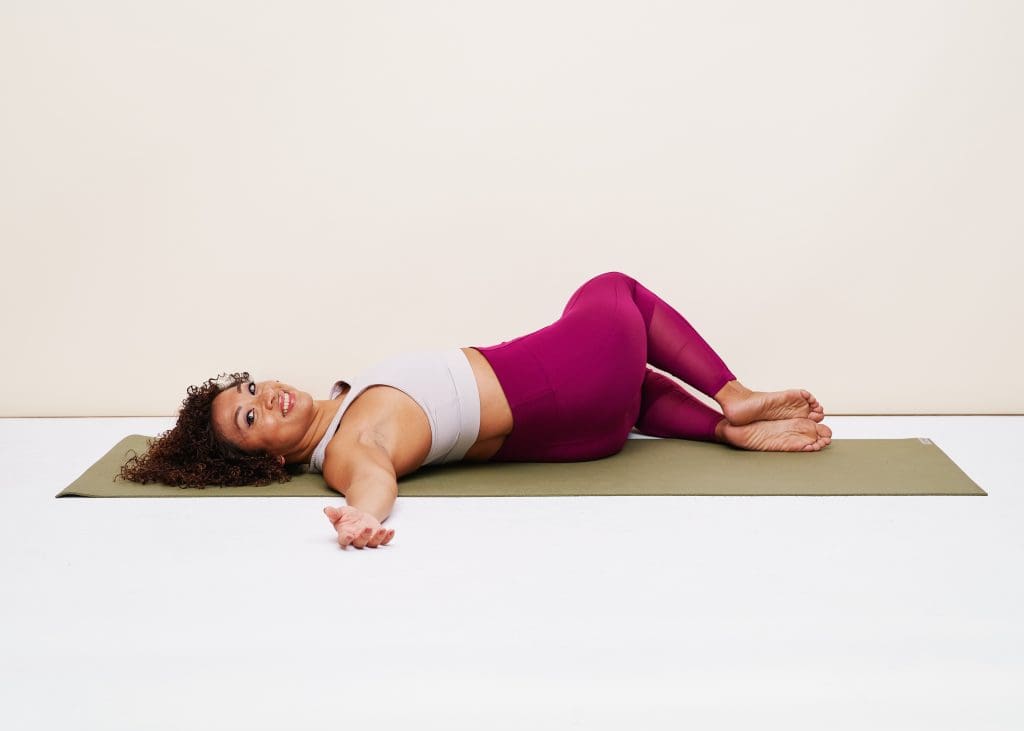
The knee-to-chest stretch is a gentle stretch for the lower back and hips. Begin by lying on your back on a mat or soft surface. Slowly bring one knee towards your chest, interlacing your fingers around your shin or knee. Gently pull your knee in towards your chest until you feel a stretch in your lower back and hips. Hold this stretch for 20-30 seconds and then switch sides. This stretch helps to lengthen the muscles of the lower back and can provide relief from stiffness or tightness.
Cat-Camel Stretch
The cat-camel stretch is a dynamic stretch for the entire spine. Start by getting on all fours with your hands directly under your shoulders and your knees under your hips. Begin by arching your back towards the ceiling, tucking your chin to your chest. Then, gently reverse the motion, lowering your belly towards the ground and lifting your head and tailbone towards the ceiling. Continue alternating between the cat and camel positions for 20-30 seconds. This stretch helps to improve flexibility and mobility in the spine and can help to alleviate back pain and stiffness.

Shoulder Stretch
Overhead Shoulder Stretch
The overhead shoulder stretch is an effective way to stretch the muscles of the shoulder and upper back. Begin by standing tall with your feet shoulder-width apart. Extend one arm straight overhead and reach towards the opposite side of your body, feeling a stretch in your shoulder and upper back. Hold this stretch for 20-30 seconds and then switch sides. This stretch helps to improve flexibility and range of motion in the shoulders, which can prevent injuries and improve your posture.
Cross-Body Shoulder Stretch
The cross-body shoulder stretch is a great way to stretch the muscles of the shoulder and upper back. Start by standing tall with your feet shoulder-width apart. Bring one arm across your body, placing your hand on the opposite shoulder. Gently pull the crossed arm towards your body, feeling a stretch in your shoulder and upper back. Hold this stretch for 20-30 seconds and then switch sides. This stretch targets the shoulder muscles and can help to relieve tightness and improve flexibility.
Eagle Arms Stretch
The eagle arms stretch is a stretch that targets the muscles of the upper back and shoulders. Begin by standing tall with your feet shoulder-width apart. Extend your arms in front of you, then cross one arm over the other. Bend your elbows and bring your palms together, if possible. Gently lift your elbows up towards the ceiling, feeling a stretch in your upper back and shoulders. Hold this stretch for 20-30 seconds and then switch arm positions. This stretch helps to alleviate tightness in the upper back and shoulders and can improve your posture.
Chest Stretch
Doorway Chest Stretch
The doorway chest stretch is a simple stretch that helps to open up the chest and stretch the muscles of the front of the shoulders. Stand facing a doorway and place your forearms on either side of the doorway, at shoulder height. Step one foot forward and gently lean into the doorway, feeling a stretch in your chest and shoulders. Hold this stretch for 20-30 seconds and then step back. This stretch helps to improve flexibility in the chest muscles and can counteract the effects of poor posture or excessive sitting.
Standing Chest Stretch
The standing chest stretch is an effective way to open up the chest and stretch the muscles of the front of the shoulders. To perform this stretch, stand tall with your feet hip-width apart. Interlace your fingers behind your back, palms facing inward. Gently straighten your arms and lift them away from your body, feeling a stretch in your chest and shoulders. Hold this stretch for 20-30 seconds, breathing deeply, and then release. This stretch helps to improve flexibility in the chest muscles and can enhance your overall upper body mobility.
Seated Chest Opener
The seated chest opener is a stretch that can be done anywhere and helps to open up the chest and shoulders. Begin by sitting on the edge of a chair or bench. Place your hands behind you on the support, fingers pointing towards your body. Gently press your palms into the support and lift your chest, feeling a stretch in your chest and shoulders. Hold this stretch for 20-30 seconds, breathing deeply, and then release. This stretch targets the chest muscles and can improve posture and alleviate tightness caused by excessive sitting.
Triceps Stretch
Overhead Triceps Stretch
The overhead triceps stretch is an effective way to stretch the muscles at the back of your upper arm. Stand tall with your feet shoulder-width apart. Lift one arm overhead and bend it at the elbow, reaching your hand towards the opposite shoulder blade. Use your other hand to gently pull the elbow of the bent arm further back, feeling a stretch in your triceps. Hold this stretch for 20-30 seconds and then switch sides. This stretch helps to improve flexibility in the triceps muscles and can prevent injuries such as strains or tears.
Behind-the-Back Triceps Stretch
The behind-the-back triceps stretch is a great way to target the muscles at the back of your upper arm. Begin by standing tall with your feet shoulder-width apart. Lift one arm up and bend it at the elbow, reaching your hand down towards your upper back. Bring your other arm up behind your head and try to clasp your fingers together. If this is challenging, you can use a towel or strap to bridge the gap between your hands. Gently pull your hands downwards, feeling a stretch in your triceps. Hold this stretch for 20-30 seconds and then switch sides. This stretch helps to improve flexibility in the triceps muscles and can alleviate tightness in the upper body.
Cross-Body Triceps Stretch
The cross-body triceps stretch is an effective way to target the triceps muscles. Begin by standing tall with your feet shoulder-width apart. Extend one arm straight across your chest and use your other hand to gently pull the extended arm towards your body, feeling a stretch in your triceps. Hold this stretch for 20-30 seconds and then switch sides. This stretch helps to improve flexibility in the triceps muscles and can prevent injuries such as strains or pulls.
Neck Stretch
Side Neck Stretch
The side neck stretch is a simple way to stretch the muscles on the side of your neck. Begin by sitting or standing tall with your shoulders relaxed. Slowly tilt your head to one side, bringing your ear towards your shoulder. You should feel a stretch on the opposite side of your neck. Hold this stretch for 20-30 seconds and then switch sides. This stretch helps to alleviate tension in the neck muscles and can improve flexibility.
Forward and Backward Neck Tilt
The forward and backward neck tilt is a stretch that targets the muscles in the front and back of your neck. Start by sitting or standing tall with your shoulders relaxed. Slowly lower your chin towards your chest, feeling a stretch in the back of your neck. Hold this stretch for 20-30 seconds and then slowly bring your head back up to neutral. Next, tilt your head backwards, looking up towards the ceiling. You should feel a stretch in the front of your neck. Hold this stretch for 20-30 seconds and then bring your head back to neutral. This stretch helps to improve flexibility in the neck muscles and can relieve tension caused by poor posture or long periods of sitting.
Shoulder Roll with Neck Tilt
The shoulder roll with neck tilt is a combination stretch that targets the muscles in the shoulders and neck. Begin by sitting or standing tall with your shoulders relaxed. Roll your shoulders forward in a circular motion, feeling a stretch in the muscles of your shoulders. After completing a few rolls, reverse the motion and roll your shoulders backwards. Next, tilt your head to one side, bringing your ear towards your shoulder while continuing to roll your shoulders. Hold this stretch for 20-30 seconds and then switch sides. This stretch helps to improve flexibility in the shoulder and neck muscles, promoting better posture and relieving tension.
By regularly incorporating these top 10 stretches into your exercise routine or daily life, you can enhance your flexibility and prevent injuries. Whether you’re an athlete looking to improve performance or someone seeking relief from tight muscles, these stretches offer a range of benefits. Remember to always listen to your body and stretch within your comfort level, gradually increasing intensity over time. Enjoy the feeling of increased flexibility and the reduced risk of injuries that come with a dedicated stretching routine!
