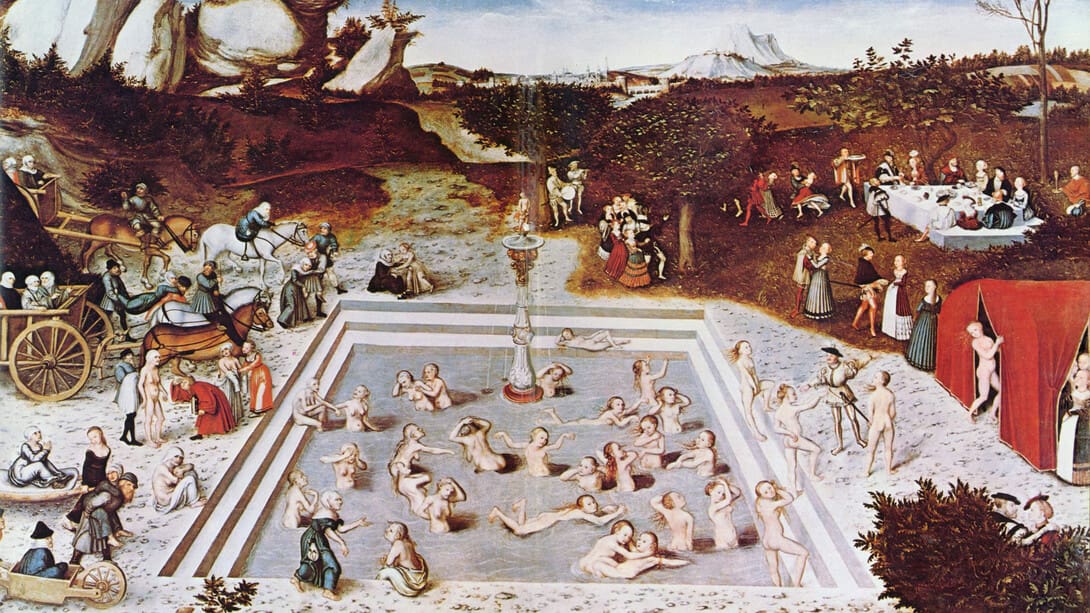
Have you ever wondered if there is truly a magical fountain of youth that can keep us forever young? In this article, we will explore the intriguing concept of the Fountain of Youth and discuss whether it is a fact or just a figment of our imagination. Discover the myths and legends surrounding this mythical source of eternal youth and delve into the scientific theories that offer a glimpse into the possibility of its existence. Join us on this captivating journey as we unravel the truth behind the Fountain of Youth.
Historical Origins
Legends and Myths
Legends and myths about the Fountain of Youth have captivated human imagination for centuries. Stories of a magical spring that could reverse the aging process and grant eternal youth have been passed down through generations. These legends often mention a hidden location, usually in a faraway land, making it an elusive and mysterious concept. The idea of a Fountain of Youth has fascinated adventurers, explorers, and dreamers, sparking quests and expeditions in search of this legendary source of eternal youth.
Spanish Exploration
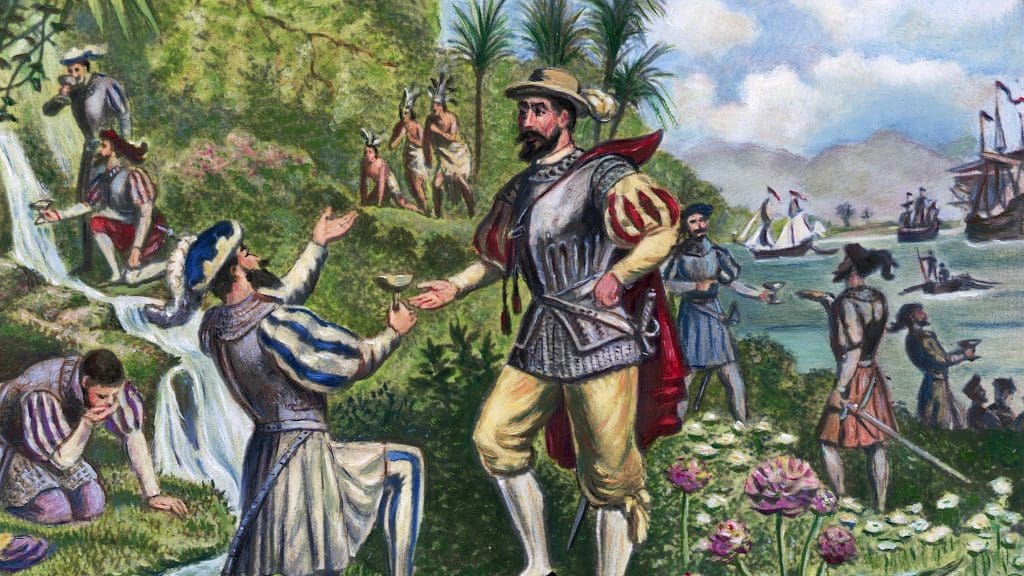
The Spanish played a significant role in the exploration of the Americas, including the pursuit of the Fountain of Youth. One of the most famous Spanish explorers associated with the legend is Juan Ponce de León. In the early 16th century, Ponce de León led an expedition to Florida, believing he would find the coveted Fountain of Youth. Although his quest did not yield the miraculous spring he sought, his exploration opened up new territories and contributed to the Spanish colonization of the Americas.
Ponce de León and the Fountain of Youth
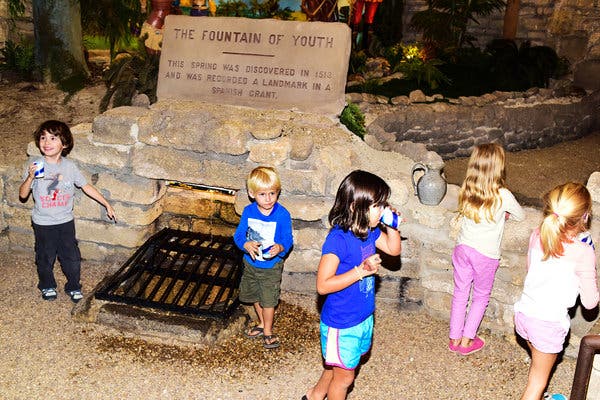
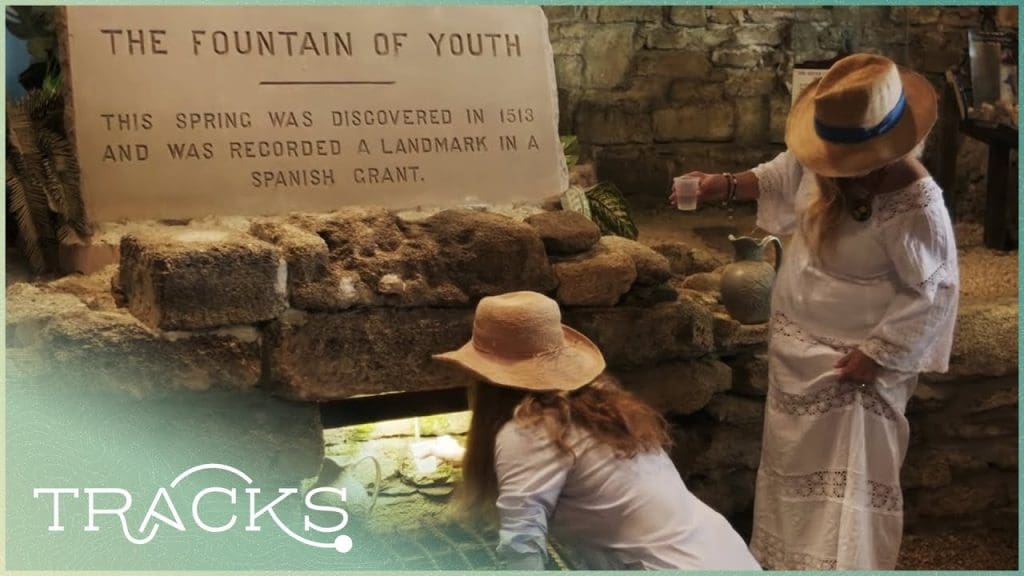
Juan Ponce de León’s search for the Fountain of Youth has become synonymous with the legend itself. According to popular accounts, he ventured into the uncharted lands of Florida in 1513, in his quest to find the rejuvenating waters. While Ponce de León did not discover the Fountain of Youth, his exploration of Florida and the Gulf Coast paved the way for future expeditions and the eventual colonization of the region by the Spanish.
Scientific Background
Aging Process
Understanding the aging process is crucial in the pursuit of anti-aging solutions. Aging is a complex biological phenomenon characterized by the gradual deterioration of bodily functions over time. It involves a combination of genetic, environmental, and lifestyle factors that affect the overall health and function of the body. As people age, they experience a decline in physical strength, cognitive abilities, and susceptibility to diseases. Aging is a natural and inevitable process that occurs in all living organisms, but its mechanisms and underlying causes are still not fully understood.
Biological Theories of Aging
Scientists have put forth various theories to explain the biological mechanisms behind aging. One prominent theory is the telomere theory, which suggests that the shortening of telomeres, protective caps at the ends of chromosomes, is an important factor in cellular aging. Another theory is the free radical theory, which proposes that accumulated damage from oxidative stress caused by free radicals contributes to aging. Other theories focus on genetic factors, cellular senescence, and the role of mitochondria in the aging process.
Search for Anti-Aging Solutions
The desire to counteract the effects of aging has driven the search for anti-aging solutions. Scientists and researchers from various disciplines have been exploring different approaches to slow down or reverse the aging process. These approaches range from understanding the biology of aging and developing interventions at the cellular level to investigating lifestyle factors and environmental influences on longevity. The field of anti-aging research is multidisciplinary, encompassing genetics, biology, medicine, psychology, and more, with the ultimate goal of improving health and extending the human lifespan.
Pursuit of Immortality
Ancient Alchemy
The pursuit of immortality dates back to ancient times, with alchemists being among the earliest seekers of eternal life. Alchemy, an ancient philosophical and protoscientific tradition, aimed to transform base metals into gold but also sought the Philosopher’s Stone, a legendary substance believed to have rejuvenating properties. Alchemists pursued both physical and spiritual immortality, viewing the transmutation of metals as a metaphor for the transformation and eternal renewal of life.
Alleged Longevity Practices
Throughout history, individuals and communities have claimed to possess secret practices that promote longevity and delay the aging process. These alleged practices often involve specific diets, herbal remedies, or unique lifestyle choices. Historical accounts mention the use of certain substances, such as elixirs or potions, that were believed to bestow youthfulness and prolong life. However, the effectiveness and validity of these practices remain unverified and fall into the realm of folklore and unsubstantiated claims.
Modern Transhumanism
In recent years, the pursuit of immortality has found expression in the transhumanist movement. Transhumanism advocates for the use of technology, particularly advances in science and medicine, to enhance human capabilities and extend human life. This movement strives to eliminate the limitations of the human body, including the impact of aging, through various means such as genetic engineering, nanotechnology, and artificial intelligence. Transhumanists envision a future where humans achieve not only a longer life but also an improved quality of life through scientific progress.
Historical Discoveries
Hot Springs and Healing Waters
Hot springs and their healing properties have played a significant role in human history and mythologies worldwide. Many cultures revered hot springs and believed in their ability to rejuvenate and heal, associating them with the mythical Fountain of Youth. These natural phenomena, characterized by the presence of geothermally heated water, contain a variety of minerals and trace elements that are believed to have therapeutic effects on the body. From ancient civilizations to modern times, hot springs have been popular destinations for relaxation, rejuvenation, and wellness.
Benefits of Natural Springs
Natural springs offer a range of benefits for overall well-being. The mineral-rich waters found in some natural springs are believed to have positive effects on the skin, promoting hydration, softness, and improved complexion. Additionally, the heat from hot springs can help relax muscles, reduce tension, and alleviate stress. Some springs are also associated with specific health benefits, such as relieving arthritis pain, improving circulation, or soothing respiratory conditions. These natural remedies continue to attract visitors seeking physical and mental rejuvenation.
Prominent Healing Centers
Throughout history, certain locations have become renowned for their healing centers and institutions dedicated to promoting well-being and longevity. These centers often utilize the natural resources of their surroundings, such as hot springs or mineral waters, to offer therapeutic treatments and programs. Famous examples include ancient Roman bathhouses, renowned European spas, and modern wellness retreats. These destinations combine physical treatments, relaxation techniques, and holistic approaches to provide a comprehensive experience focused on rejuvenation and revitalization.
Scientific Breakthroughs
Telomeres and Cellular Aging
One of the significant breakthroughs in anti-aging research is the discovery of telomeres and their role in cellular aging. Telomeres are protective DNA sequences found at the ends of chromosomes, and their gradual shortening is associated with aging and age-related diseases. Research has shown that the maintenance and preservation of telomere length can slow down the aging process and promote cellular longevity. Scientists are exploring various strategies, such as telomerase activation and telomere lengthening, to potentially reverse or delay telomere shortening and its negative effects on aging.
Genetic Research on Aging
Advances in genetics have brought new insights into the aging process. Genetic research on aging focuses on identifying specific genes and genetic factors that influence lifespan and age-related diseases. By studying model organisms like worms, flies, and mice, scientists have identified longevity-related genes and pathways that regulate aging. These findings provide potential targets for interventions and interventions to extend healthspan and delay the onset of age-related diseases in humans. Genetic research on aging continues to progress, fueling the pursuit of effective anti-aging strategies.
Emerging Anti-Aging Technologies
The field of anti-aging is witnessing exponential growth in technological advancements. Emerging technologies aim to address the underlying causes of aging and improve overall health and longevity. These technologies include gene editing techniques, such as CRISPR, which hold promise for correcting genetic factors associated with aging. Other technologies focus on rejuvenation therapies, tissue engineering, and regenerative medicine to replace or repair damaged tissues and organs. The development of senolytic drugs that target senescent cells, known to contribute to aging and age-related diseases, is another area of active research. These emerging technologies offer hope for a future where aging can be managed and its negative effects mitigated.
Debunking Mythical Remedies
Snake Oil and Quackery
Throughout history, unscrupulous individuals have peddled various elixirs, tonics, and remedies claiming to have anti-aging properties. Snake oil, a term coined in the 19th century, refers to fraudulent or ineffective medical treatments or products. These dubious remedies often promise miraculous results but lack scientific evidence to support their claims. Snake oil salesmen prey on people’s desire for eternal youth, promoting pills, potions, or devices that ultimately fail to deliver on their promises. It is essential to remain skeptical of such fraudulent claims and seek evidence-based solutions for healthy aging.
False Claims of Anti-Aging Products
In today’s market, numerous products claim to have anti-aging effects, ranging from skincare products to dietary supplements. While some of these products may have legitimate benefits for maintaining skin health or overall well-being, many falsely advertise their ability to reverse or halt the aging process. It is crucial to approach these claims with caution and skepticism. It’s essential to look for products backed by scientific research and evidence, consult reputable sources, and make informed decisions when it comes to anti-aging products.
Popular Misconceptions
The pursuit of anti-aging solutions has led to popular misconceptions and misunderstandings surrounding the concept of aging. One common misconception is that aging is solely determined by genetics and cannot be influenced by lifestyle factors. In reality, while genetics play a role, lifestyle choices such as diet, exercise, and stress management can significantly impact the aging process. Another misconception is that aging is synonymous with decline and loss of vitality. While the physical and cognitive changes associated with aging are inevitable, positive attitudes, healthy habits, and social connections can contribute to a fulfilling and vibrant life at any age.
Promising Approaches
Nutrition and Longevity
Proper nutrition plays a crucial role in promoting longevity and healthy aging. A balanced diet rich in fruits, vegetables, whole grains, lean proteins, and healthy fats provides the necessary nutrients to support bodily functions and combat age-related decline. Research suggests that certain dietary patterns, such as the Mediterranean diet, have been associated with a lower risk of age-related diseases and increased lifespan. Nutritional interventions, including caloric restriction, intermittent fasting, and specific nutrient supplementation, are areas of ongoing research to optimize nutritional strategies for longevity.
Exercise and Aging
Regular physical activity is vital for maintaining overall health, reducing the risk of chronic diseases, and promoting healthy aging. Exercise has been shown to improve cardiovascular health, muscular strength, bone density, cognitive function, and mental well-being. Engaging in a variety of physical activities, including aerobic exercise, strength training, and flexibility exercises, can contribute to maintaining physical fitness and function as we age. Incorporating exercise into daily routines promotes longevity, enhances quality of life, and reduces the risk of age-related ailments.
Stress Reduction and Well-being
Chronic stress has detrimental effects on both physical and mental health and can accelerate the aging process. Adopting stress reduction techniques and promoting emotional well-being is essential for healthy aging. Meditation, mindfulness practices, relaxation exercises, and engaging in hobbies or activities that promote relaxation and enjoyment can help mitigate the negative impacts of stress. Building strong social connections and maintaining a supportive network of family and friends are also crucial for emotional well-being and resilience in the face of aging-related challenges.
Psychological Perspectives
Subjective Perception of Age
The way individuals perceive their own age can greatly impact their experiences of aging. Subjective perception of age refers to how old or young individuals feel, regardless of their actual chronological age. Research suggests that individuals with a younger subjective age tend to have better health outcomes, exhibit more positive aging stereotypes, and engage in healthy lifestyle behaviors. Factors such as self-perception, life satisfaction, and personal beliefs about aging play a role in shaping one’s subjective experience of age. Nurturing a youthful mindset and maintaining a positive attitude towards aging can contribute to overall well-being and healthy aging.
Positive Psychology and Aging
Positive psychology offers valuable insights into aging and well-being. This field of psychology focuses on the positive aspects of human experiences, such as happiness, resilience, and personal growth. Applying the principles of positive psychology to aging emphasizes the importance of cultivating positive emotions, fostering meaningful relationships, identifying and utilizing strengths, and finding purpose and fulfillment in later life. By adopting a positive psychological perspective, individuals can navigate the challenges of aging, enhance psychological well-being, and maintain a sense of purpose and meaning.
Cognitive Aging and Mental Health
As individuals age, changes in cognitive functions can occur. Cognitive aging refers to the natural decline in cognitive abilities, such as memory, processing speed, and attention, that often accompany aging. However, it is crucial to recognize that cognitive aging is a highly individual and variable process. While some individuals may experience cognitive decline, many maintain cognitive functioning and may even develop compensatory strategies to enhance mental acuity. Maintaining an active and intellectually stimulating lifestyle, engaging in cognitive training, and practicing healthy lifestyle habits can support cognitive health and mental well-being as individuals age.
Ethical Considerations
Desire for Immortality
The desire for immortality raises ethical considerations and questions about the potential consequences of extending human life indefinitely. While the pursuit of healthy aging and longer lifespans is understandable, one must carefully examine the implications of achieving radical life extension. Ethical dilemmas arise regarding resource allocation, population control, and the impact on future generations. Striking a balance between individual desires for longevity and the broader ethical considerations of society is a complex endeavor that requires thoughtful deliberation and societal consensus.
Socioeconomic Implications
The pursuit of immortality and anti-aging strategies can have significant socioeconomic implications. Extending the human lifespan could have profound effects on areas such as healthcare systems, retirement policies, workforce dynamics, and intergenerational relationships. Longer life expectancies may necessitate changes in retirement age, healthcare funding, and social support systems. Socioeconomic disparities may also widen, as access to anti-aging technologies and interventions could become a privilege available only to a select few. It is essential to consider the broader societal impact and equitable distribution of resources in the pursuit of longevity.
Balancing Quality of Life
While longer lifespans may be desirable, it is essential to consider the quality of life that comes with extended longevity. Maintaining physical health, cognitive function, social connections, and psychological well-being are crucial aspects of a fulfilling life as individuals age. Extending life without ensuring a high quality of life may result in a mere existence rather than a meaningful and enjoyable experience. The pursuit of healthy aging should encompass not only an increase in lifespan but also a focus on enhancing well-being and maintaining a sense of purpose and vitality.
Future Outlook
Potential Breakthroughs
The future of anti-aging research holds exciting prospects for breakthrough discoveries and innovative interventions. Advances in genetics, cellular biology, and regenerative medicine offer potential avenues for slowing down or reversing the aging process. Emerging technologies, such as nanomedicine and artificial intelligence, may revolutionize personalized medicine and enable targeted interventions to promote healthy aging. Additionally, ongoing research on lifestyle factors, nutrition, and psychological well-being continues to provide insights into how individuals can age gracefully and maintain optimal health throughout their lives.
Ethical Boundaries
As scientific advancements in anti-aging research progress, ethical boundaries must be carefully considered. The ethical implications of radical life extension, resource allocation, and potential socioeconomic disparities associated with anti-aging technologies are areas of concern. Society must engage in informed and inclusive discussions to establish guidelines and ethical frameworks that ensure the responsible application of anti-aging interventions while safeguarding societal values and the collective well-being.
Attitude Towards Aging
Beyond scientific advancements and technological breakthroughs, our attitude towards aging plays a crucial role in shaping our experiences of growing older. Embracing a positive and proactive mindset towards aging is key to achieving healthy and fulfilling later years of life. By challenging societal ageist stereotypes and promoting intergenerational harmony, we can create inclusive communities that value the wisdom, experience, and contributions of individuals at every age. Fostering a culture that celebrates aging can empower individuals to embrace their journey and actively shape their own well-being and quality of life throughout the aging process.
In conclusion, the Fountain of Youth remains a tantalizing legend that has left a lasting cultural impact worldwide. While the mythical spring has eluded discovery, human curiosity and the pursuit of healthy aging have led to tremendous advancements in scientific research and understanding. From exploring ancient remedies to unlocking the mysteries of cellular aging, scientists and researchers continue to push the boundaries of knowledge and explore promising approaches to extend not only the quantity but also the quality of life. The future outlook is one of possibilities, with potential breakthroughs and ethical considerations guiding the path towards a more vibrant, healthy, and fulfilling aging experience.